

Last year, my family and I visited Bastogne and the local area to visit various events centered around the 80th anniversary of the Battle of the Bulge. Lots of tanks, tracks and museum visited. Had an amazing time and everyone was so charged up about the anniversary.
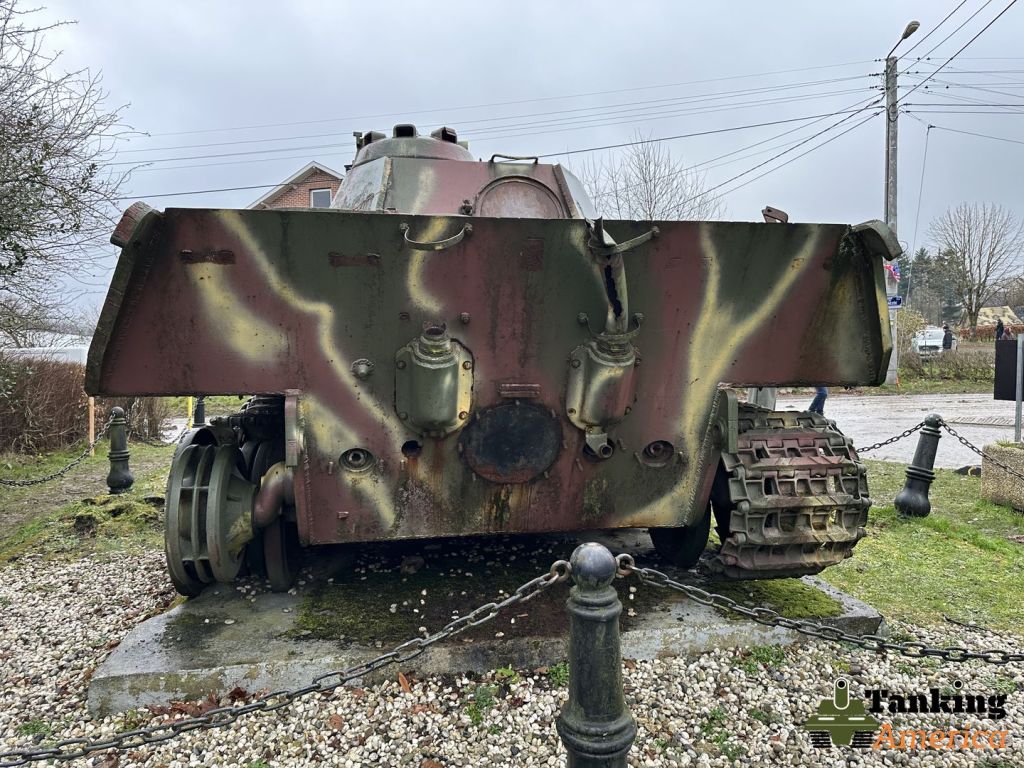
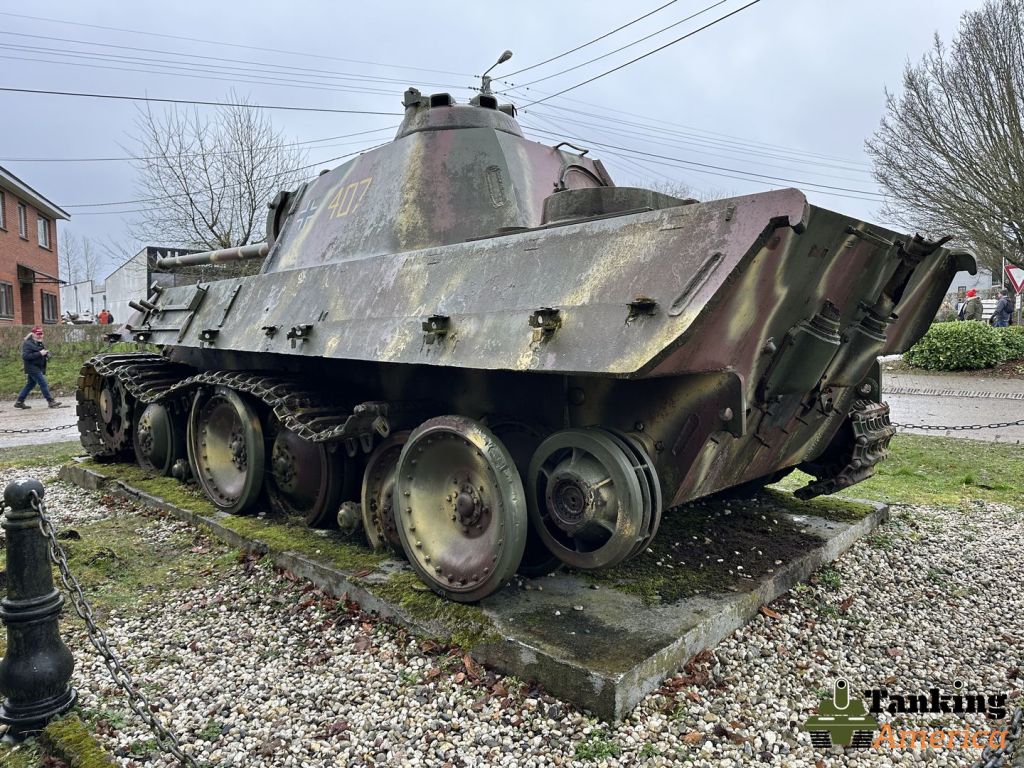
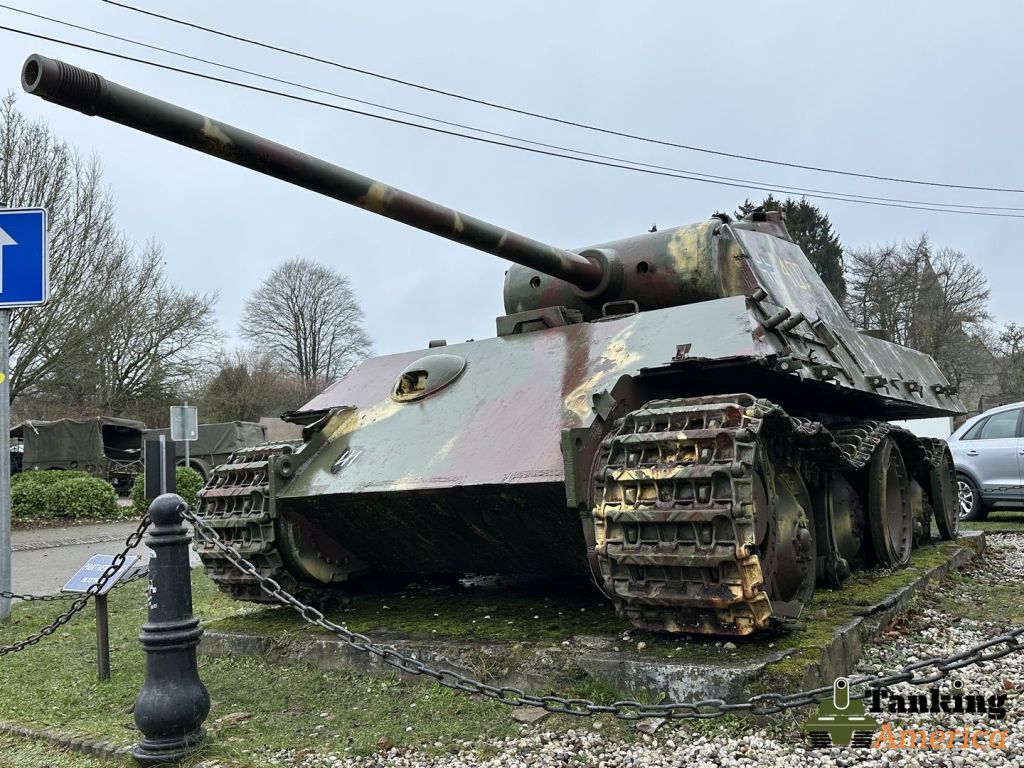
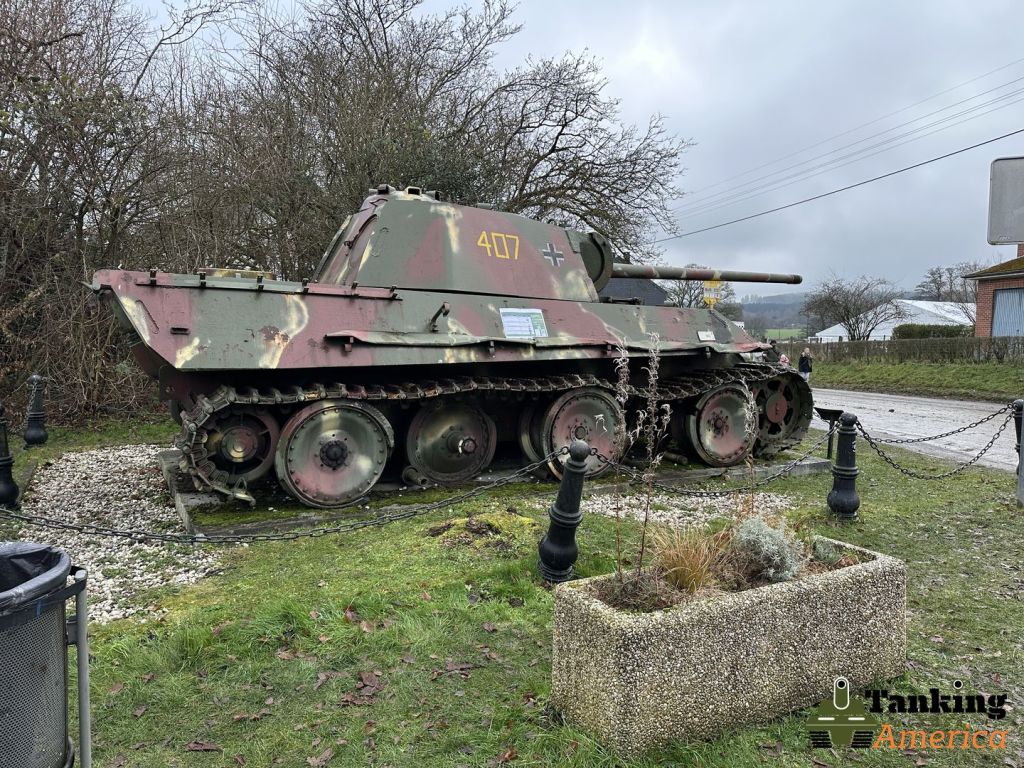
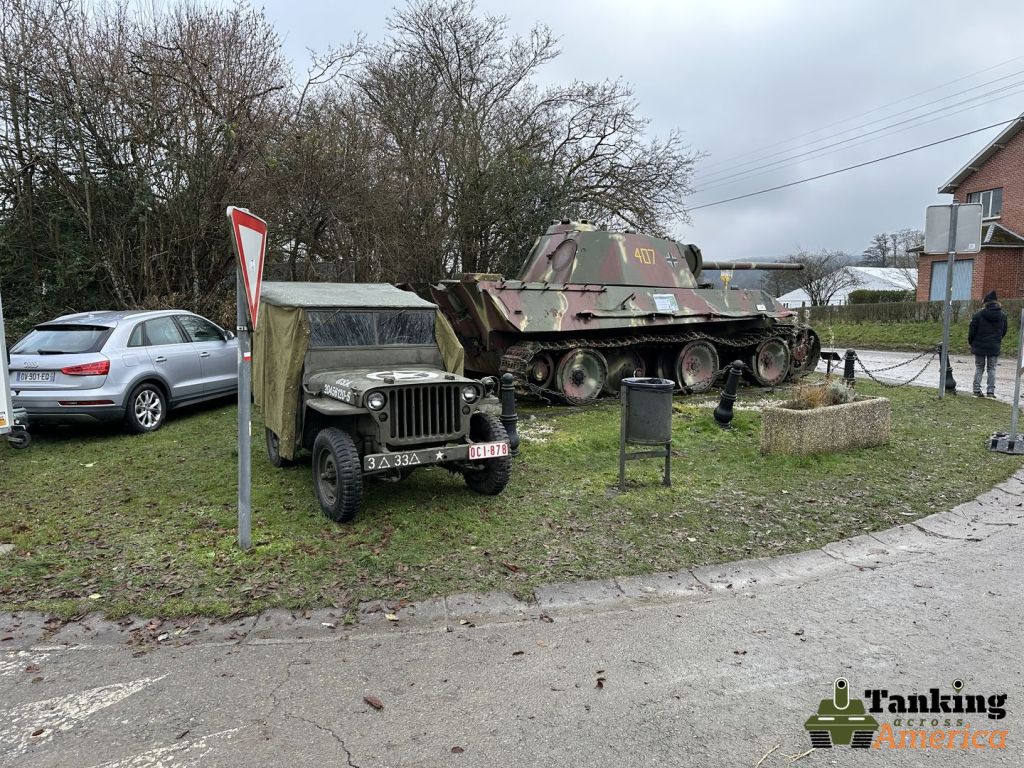
We went up to Manhay to see the battle re-enactment and this Panther is on display. It needs some help and there is a fund-raising campaign underway. If you want to help, click this link.
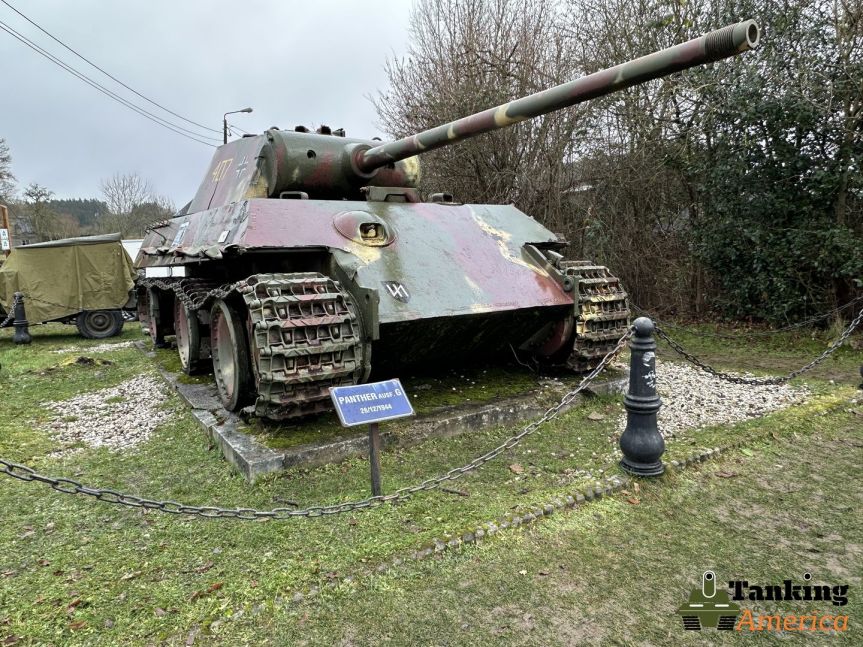
In the winter of 1944–1945, the small Belgian village of Manhay found itself at the center of the German Ardennes Offensive—better known as the Battle of the Bulge. Amid frostbitten forests and bomb-cratered roads, one mechanical predator stood out: the Panzerkampfwagen V “Panther” Ausführung G, Germany’s deadly mid-to-late war main battle tank.
The Panther Ausf. G was the final production variant of the Panther series, boasting both improvements in design and combat survivability:
- Armor: Sloped glacis plate increased frontal protection to 80 mm.
- Firepower: The 75mm KwK 42 L/70 gun could destroy most Allied tanks at over 2,000 meters.
- Mobility: Powered by a Maybach V12 engine, it combined decent speed with rugged terrain traversal.
- Upgrades: The Ausf. G featured a redesigned hull, simplified internal layout, and strengthened suspension for better durability.
Into Manhay: A Winter Clash
In late December 1944, as part of Operation Wacht am Rhein, German forces made a push into the Ardennes in a bid to split Allied lines. Manhay became a critical crossroads—a gateway to the interior and a key to controlling supply routes.
- Role of Panthers: Units like the 2nd SS Panzer Division and elements of the Panzer Lehr Division deployed Panther Ausf. G tanks to spearhead assaults.
- Combat Realities: Narrow roads, dense woods, and deep snow hampered maneuverability. Allied forces used airstrikes and anti-tank ambushes to slow Panther advances.
- Aftermath: Several Panthers were disabled or abandoned in the region—including one famously left near the crossroads in Manhay and later studied by Allied intelligence.

Legacy in the Landscape
Today, Manhay stands quiet, its forests echoing only with wind and birdsong. But reminders of that brutal winter remain:
- Locals still recount tales of frozen tank crews and sudden firefights.
- Metal detectors occasionally unearth shell fragments near old positions.
- A Panther wreck from the area was recovered and restored, now housed in a museum as testament to wartime engineering.
Why It Matters
The Panther in Manhay embodies more than just raw firepower—it reflects the desperate final gambits of a faltering war machine and the stubborn resilience of Allied defenders. It’s a symbol of a war that left its imprint in steel, mud, and memory.
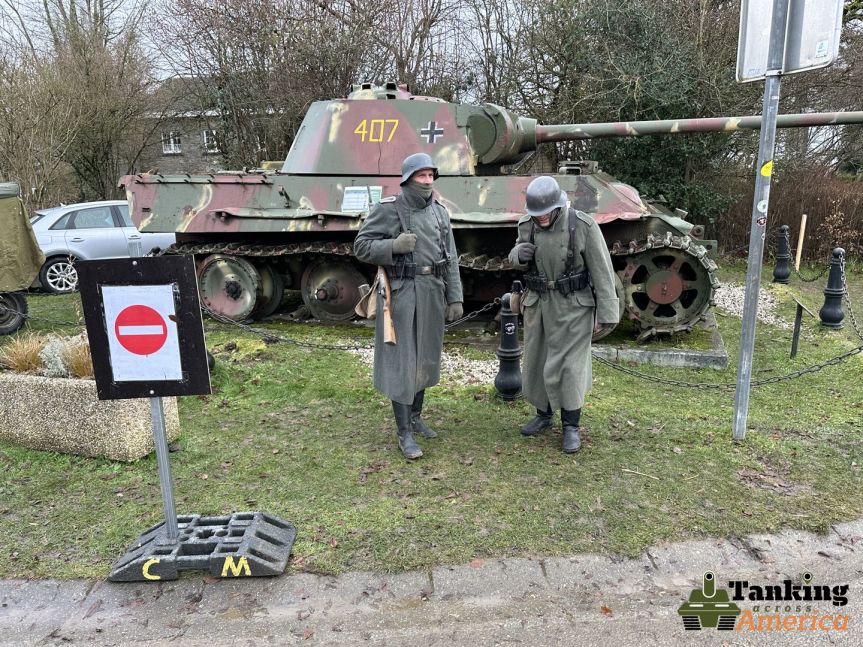
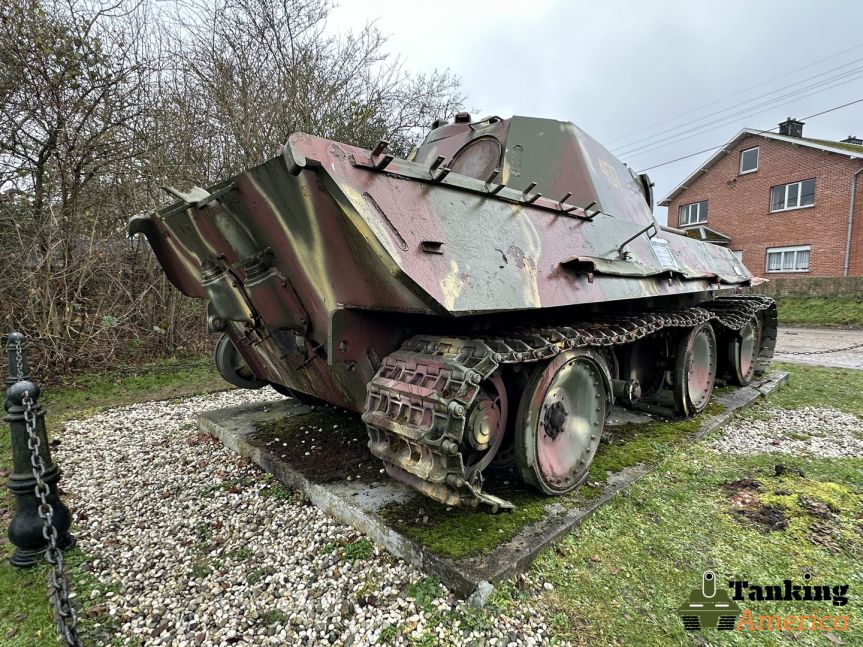
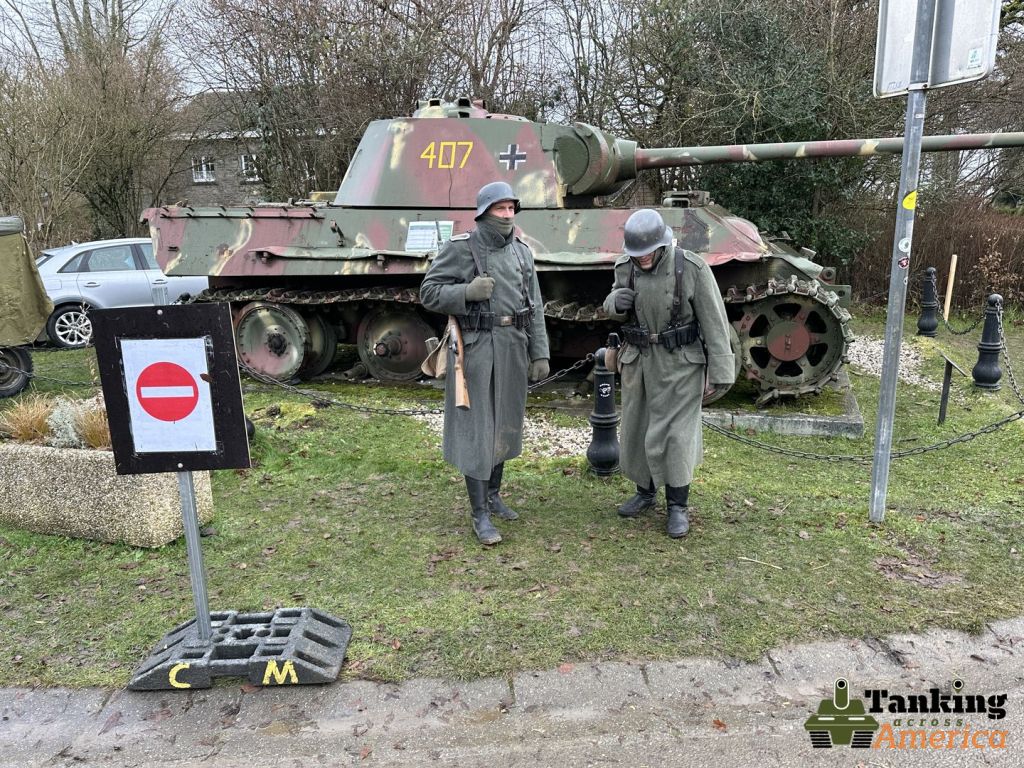


 tankingacrossamerica.com