
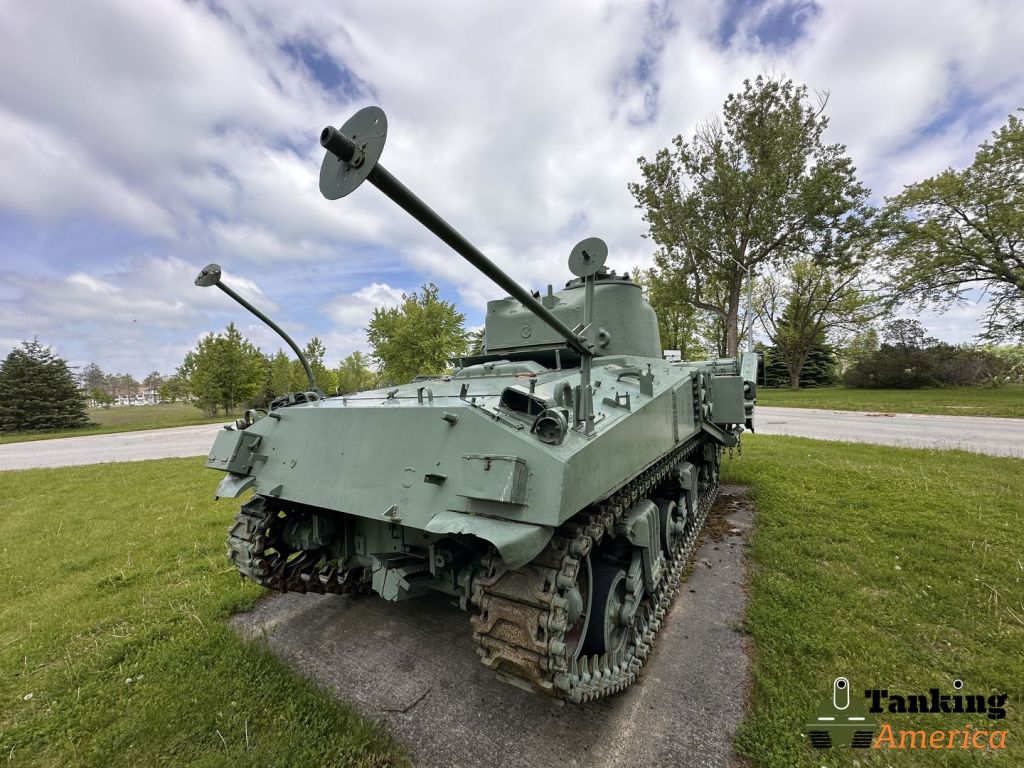
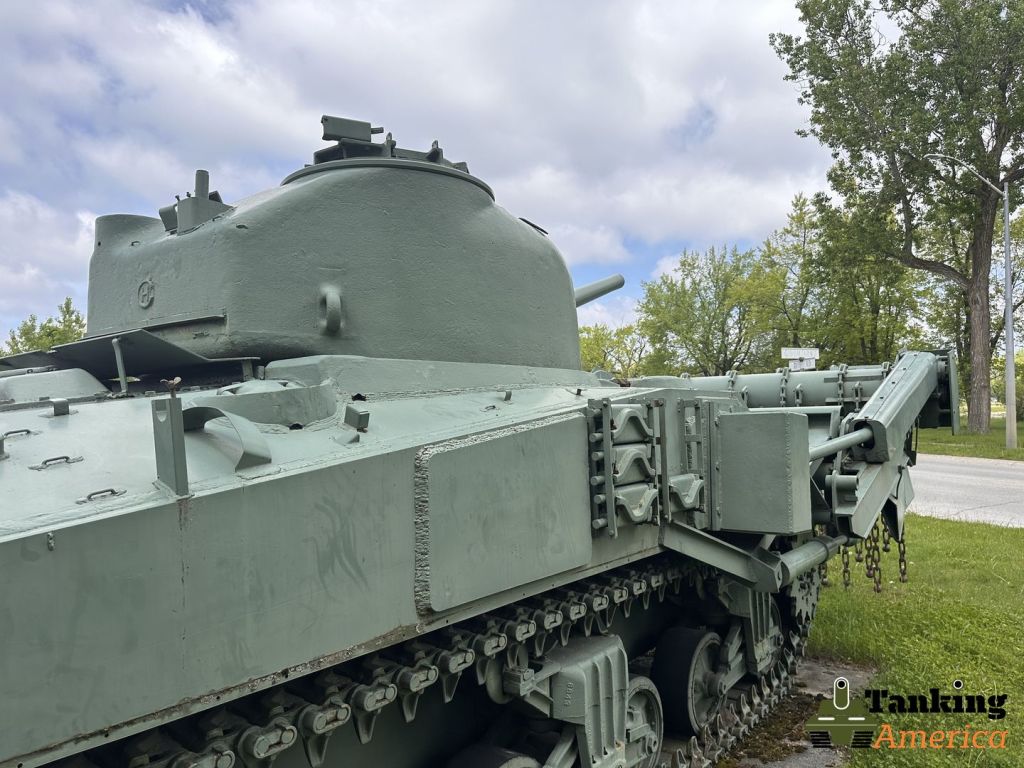
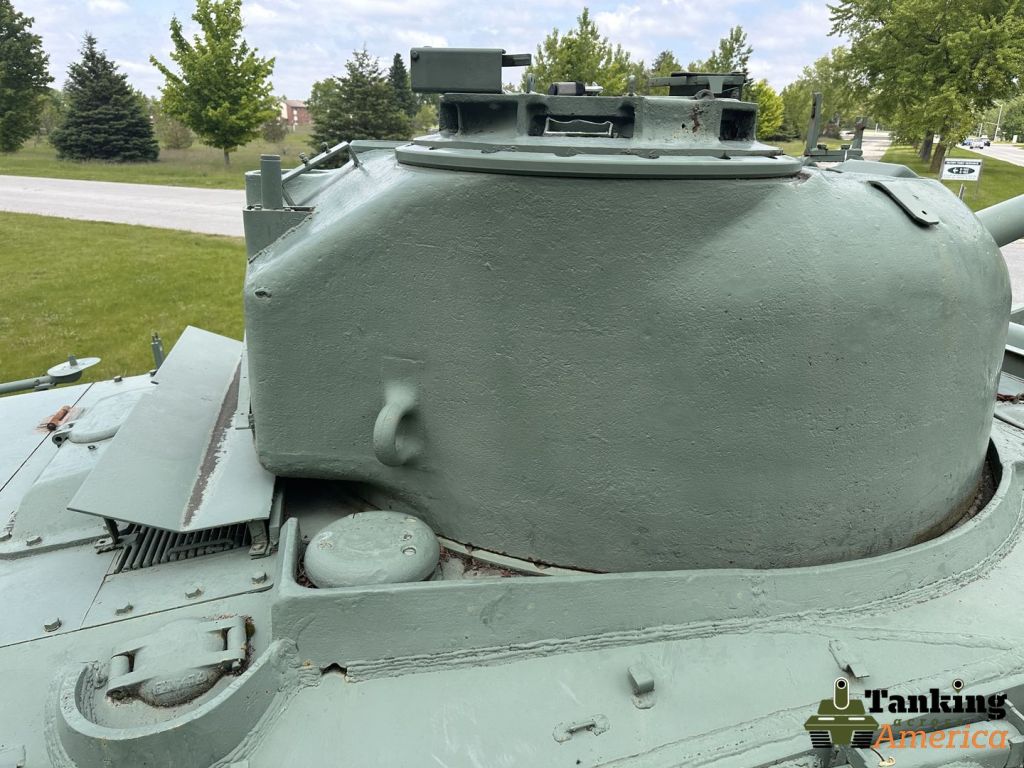
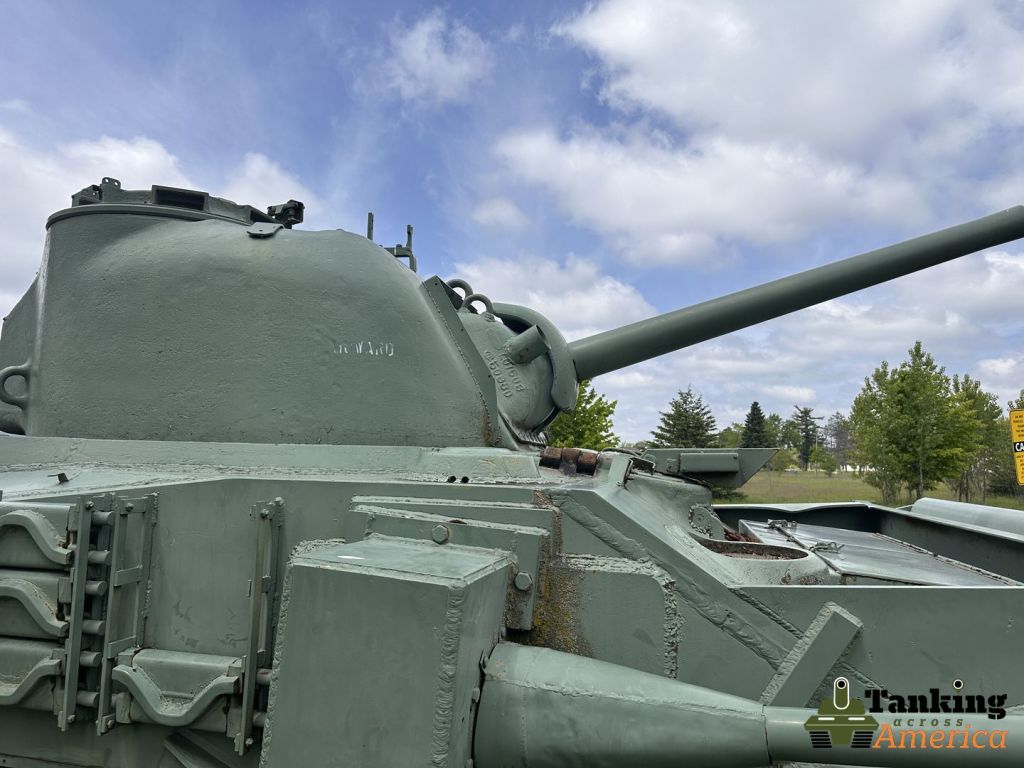
If you’ve ever visited Canadian Forces Base (CFB) Borden, you’ve probably noticed more than just the rows of modern military vehicles and training facilities. Among its historical displays sits a fascinating piece of wartime engineering — a Sherman mine flailing tank, a relic that tells the story of ingenuity, danger, and survival during the Second World War.
What is a Mine Flailing Tank?
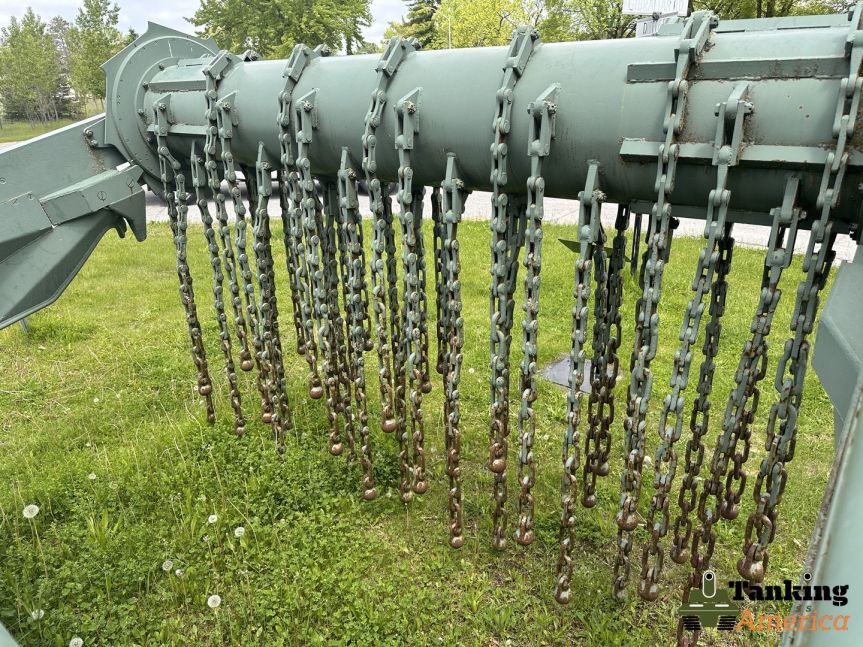
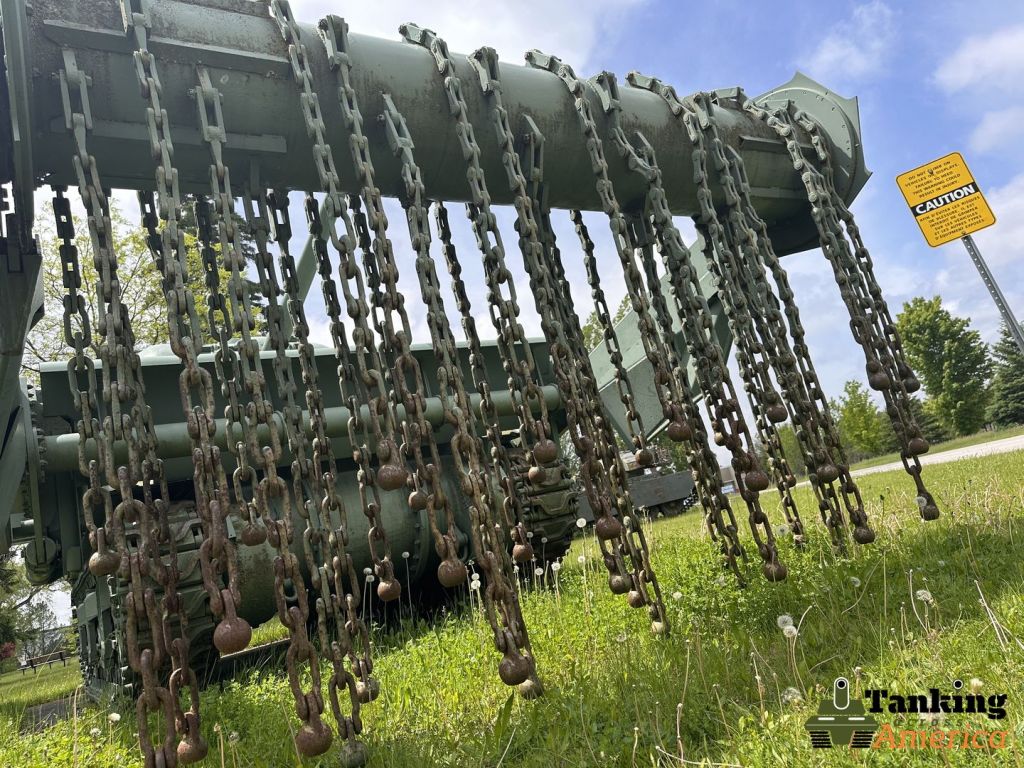
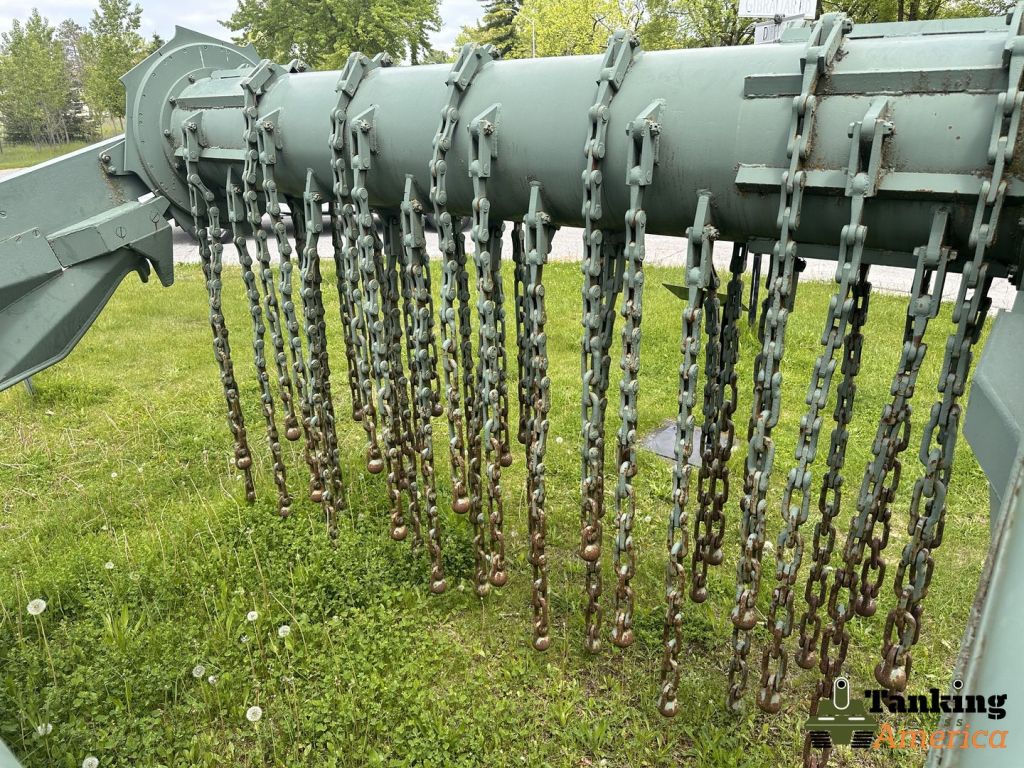
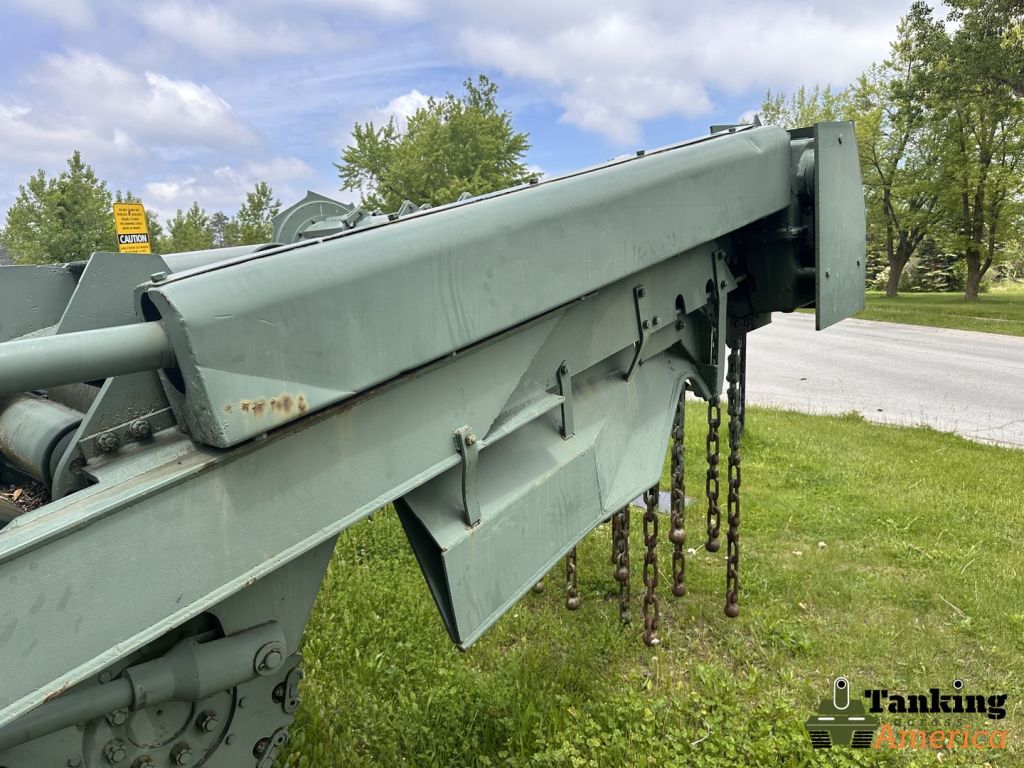
During WWII, one of the most dangerous obstacles soldiers faced was not always enemy fire — but hidden explosives buried in the ground. Landmines slowed advances, destroyed vehicles, and cost countless lives. To solve this, Allied engineers developed the mine flail tank: a heavily armored vehicle with a rotating drum and chains attached to its front.
As the drum spun, the chains pounded the ground ahead of the tank, detonating buried mines before troops or vehicles could roll over them. The most famous version, the Sherman Crab, was used to clear paths during the Normandy landings and beyond, saving thousands of soldiers by opening safe lanes through minefields.
The Tank at CFB Borden
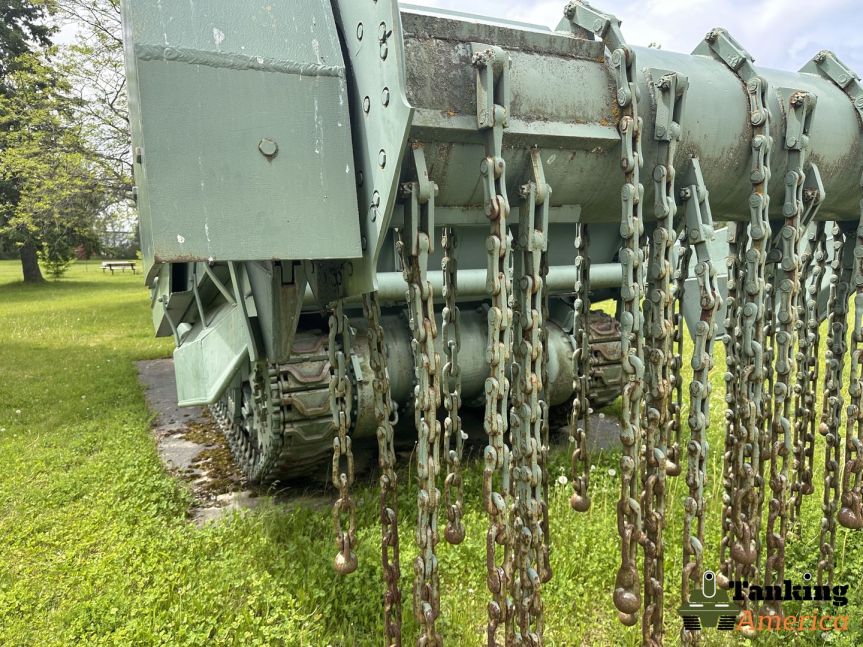
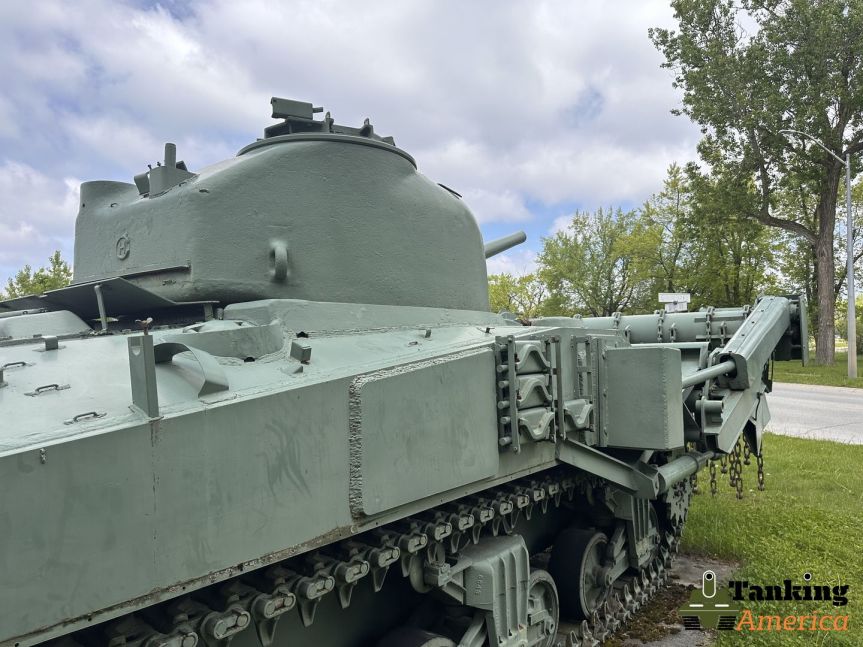
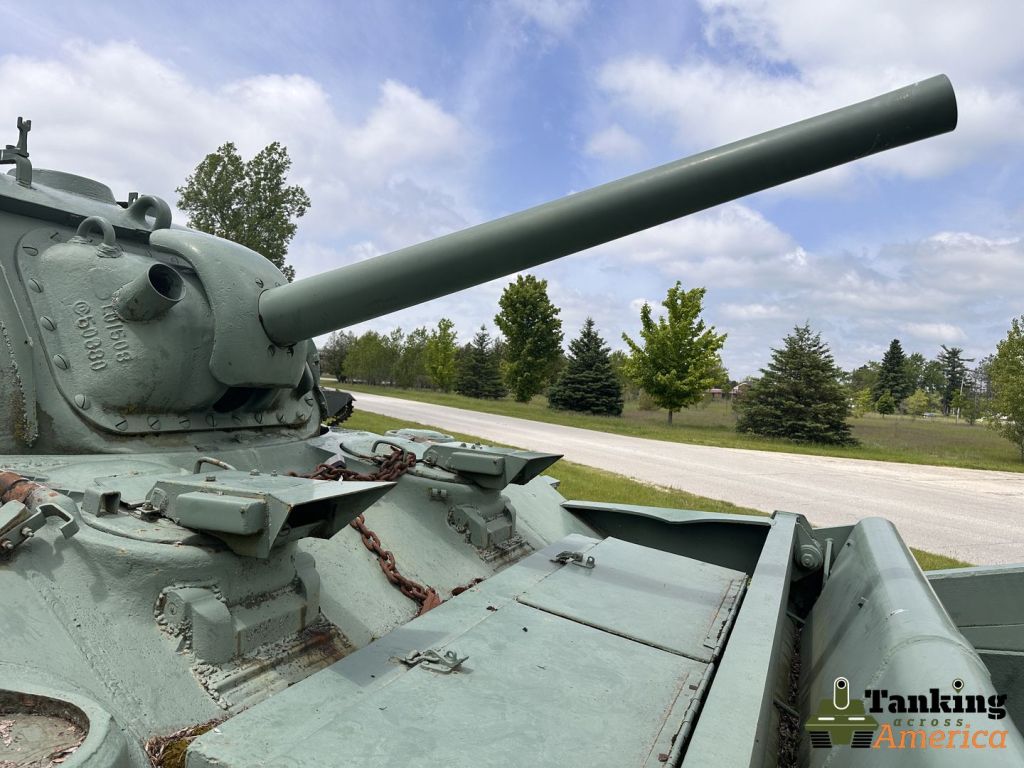
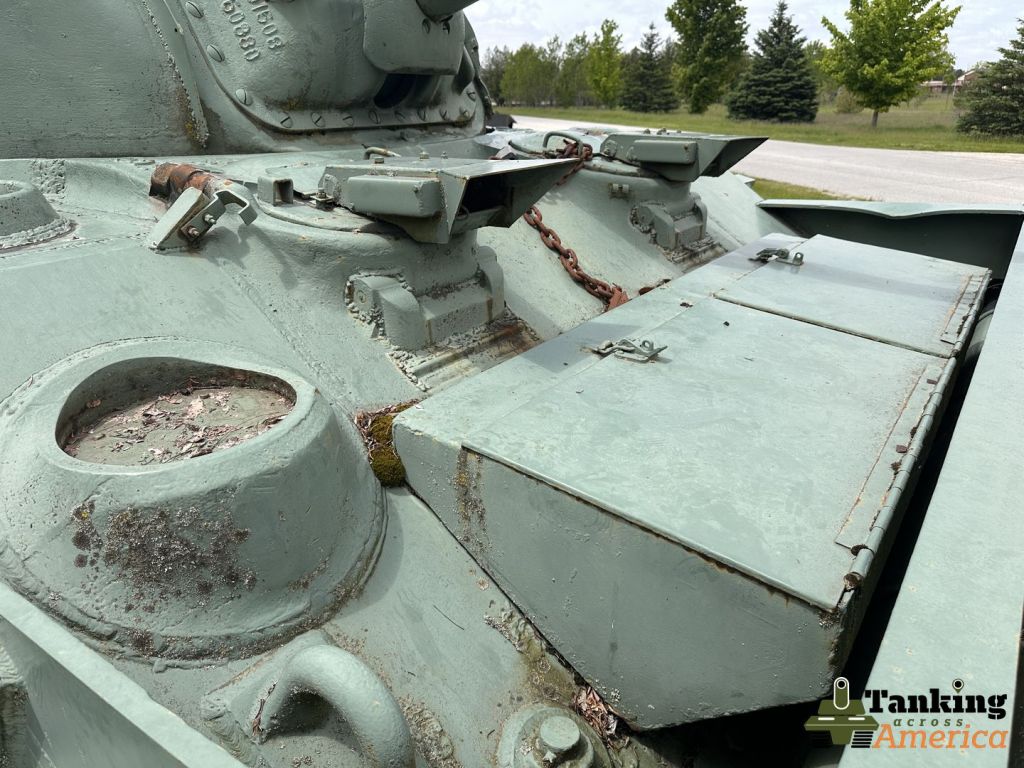
CFB Borden — known as the birthplace of the Royal Canadian Air Force and a hub of Canadian military training — preserves this vital piece of history. The mine flailing tank displayed on the grounds is a stark reminder of Canada’s role in technological innovation during wartime and the dangers soldiers faced in every step forward.
Visitors can see firsthand the massive rotating flail mounted on the tank, an intimidating device built for the brutal necessity of war. Standing in front of it, you can imagine the noise, dust, and explosions it created as it cleared minefields under fire.



 tankingacrossamerica.com