
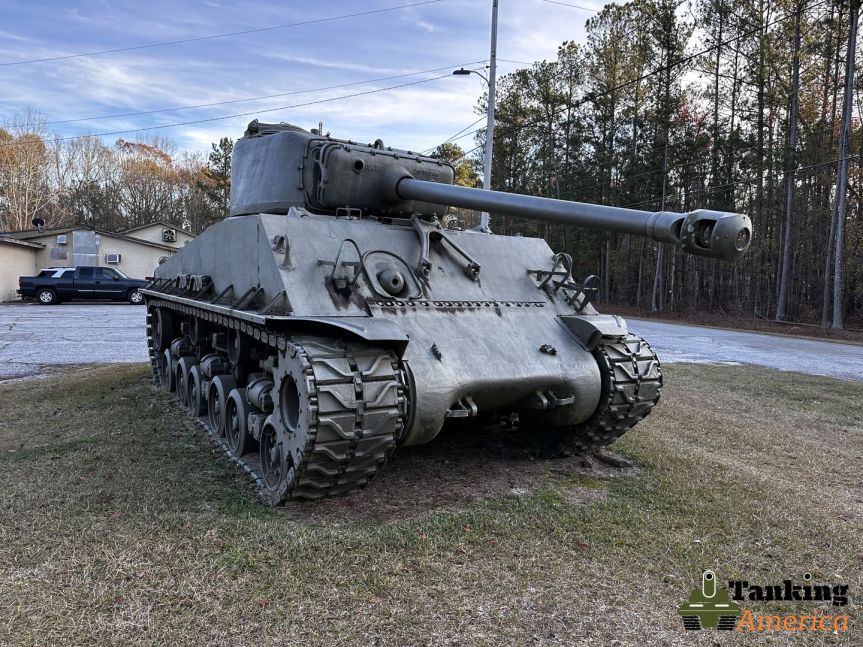
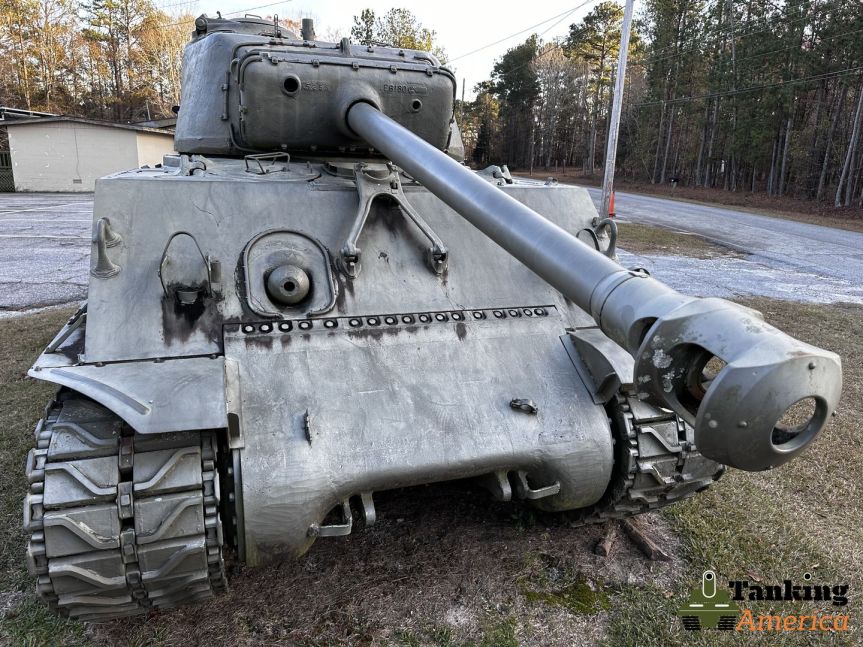
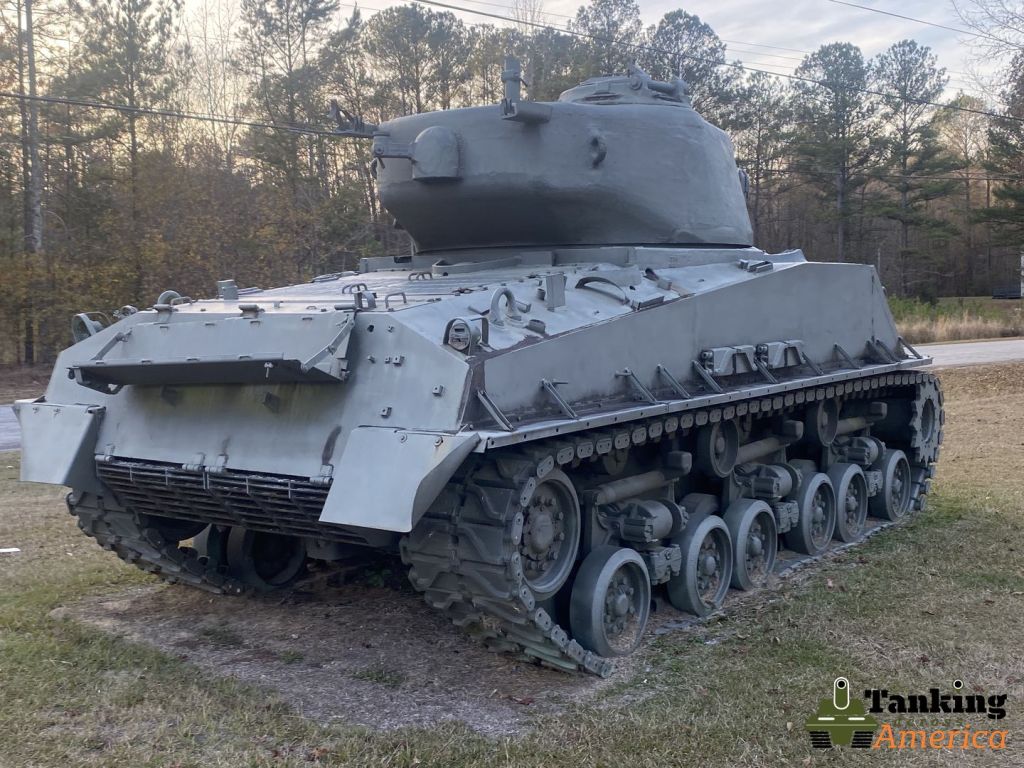
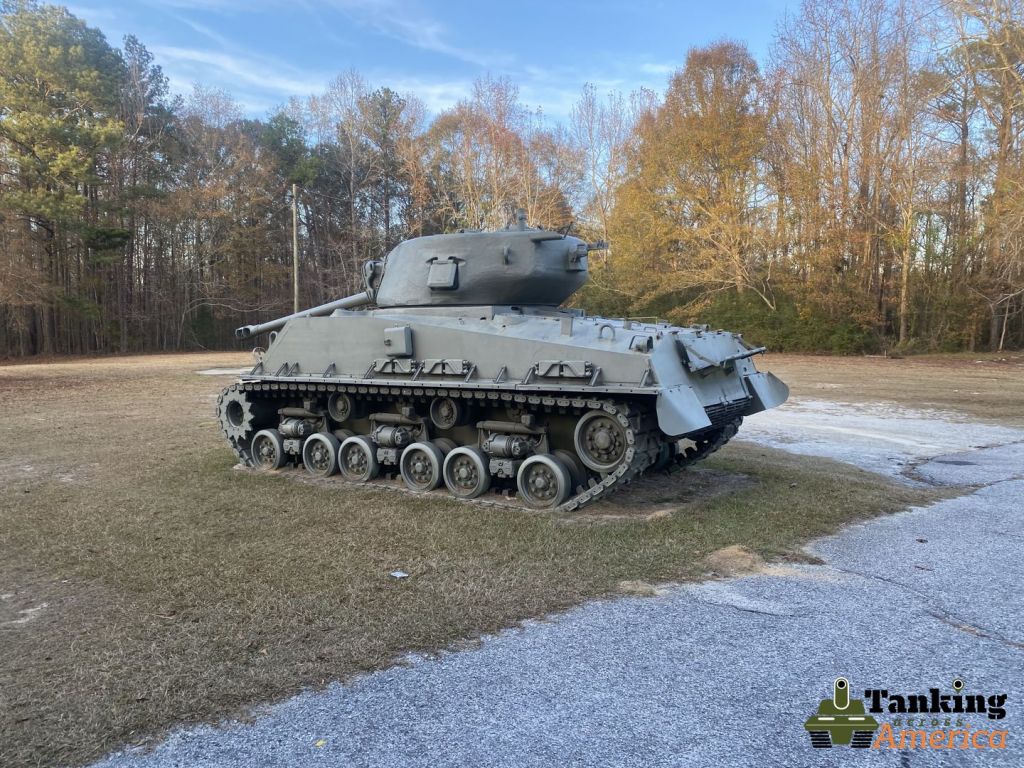
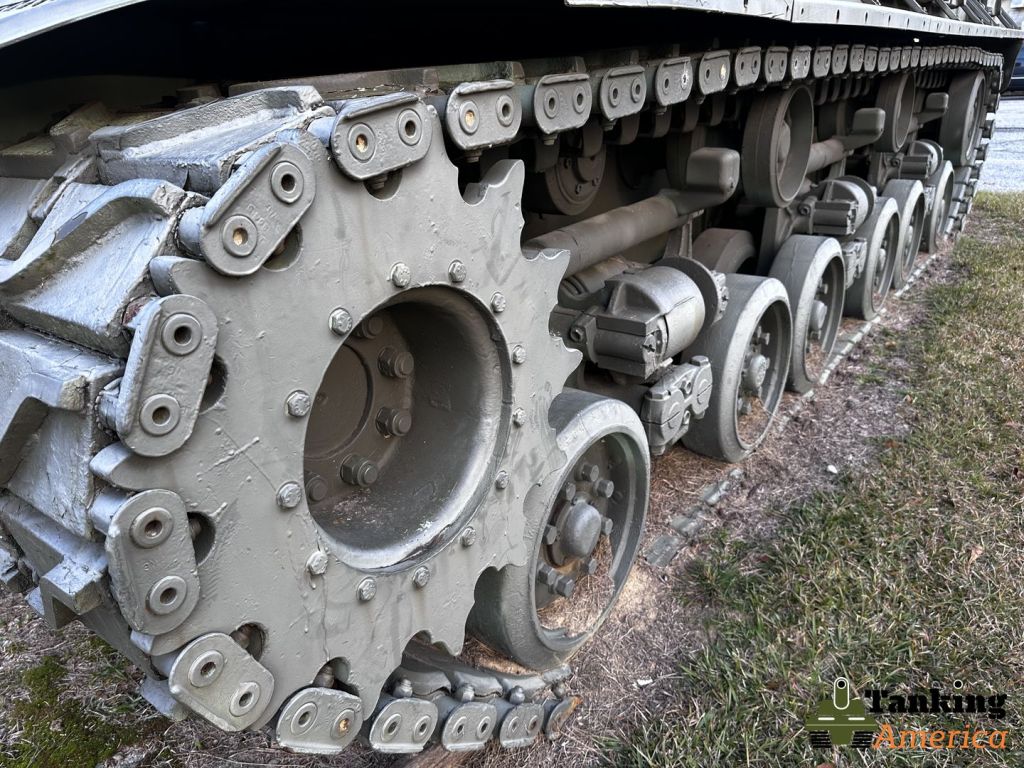
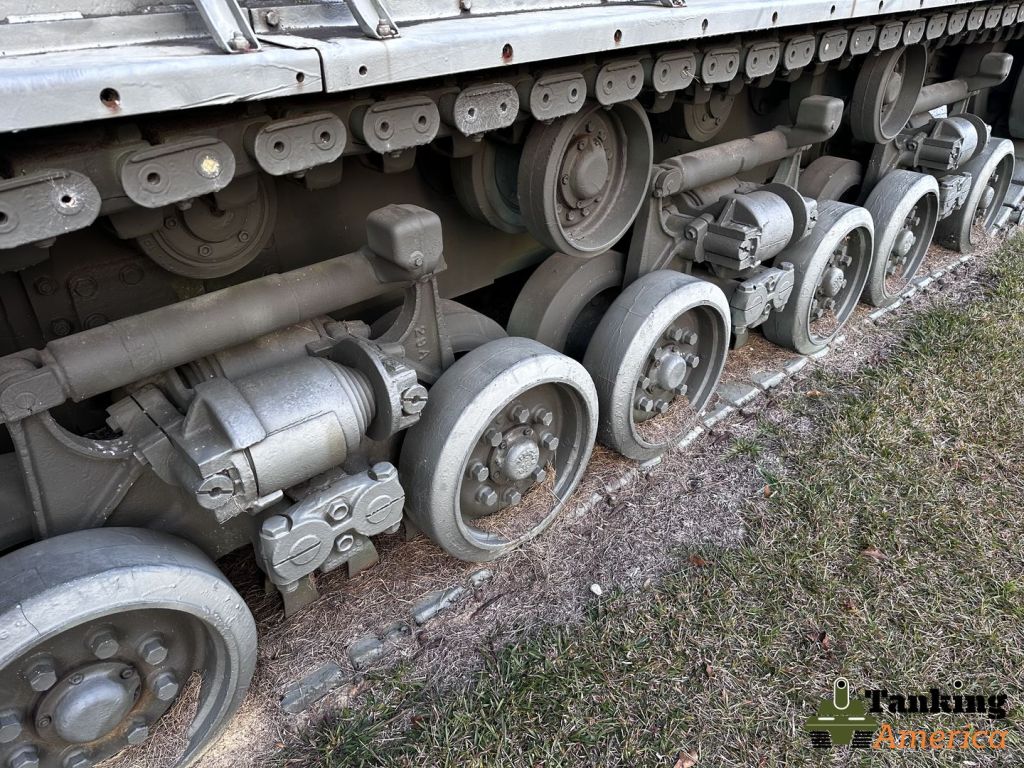
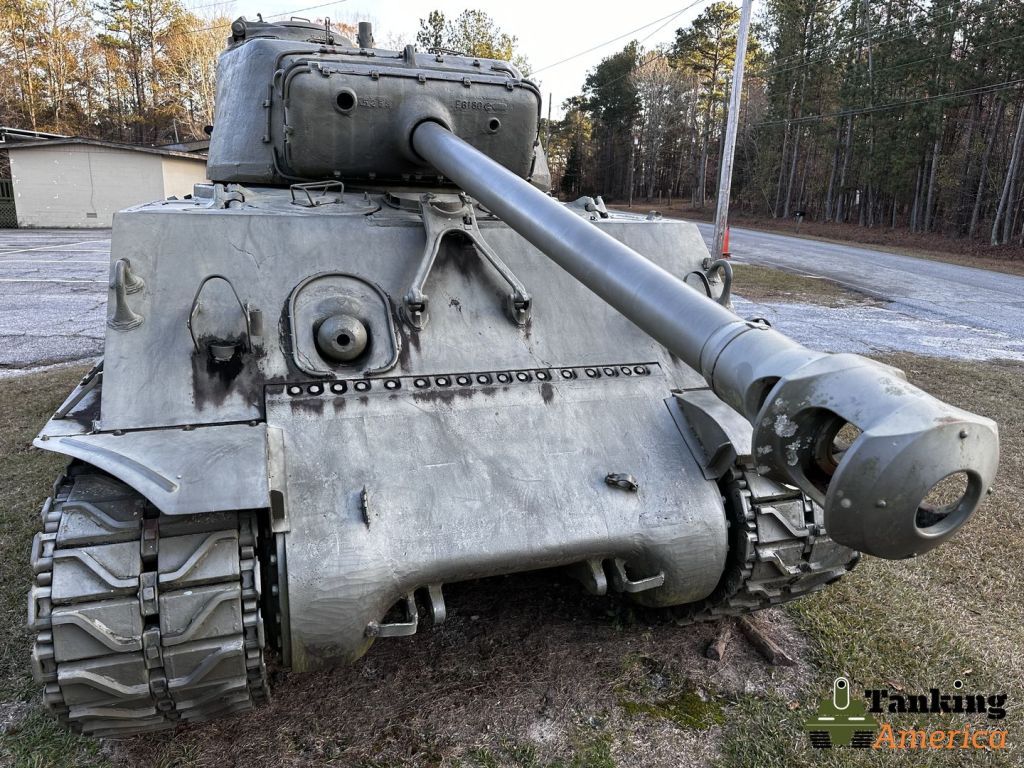
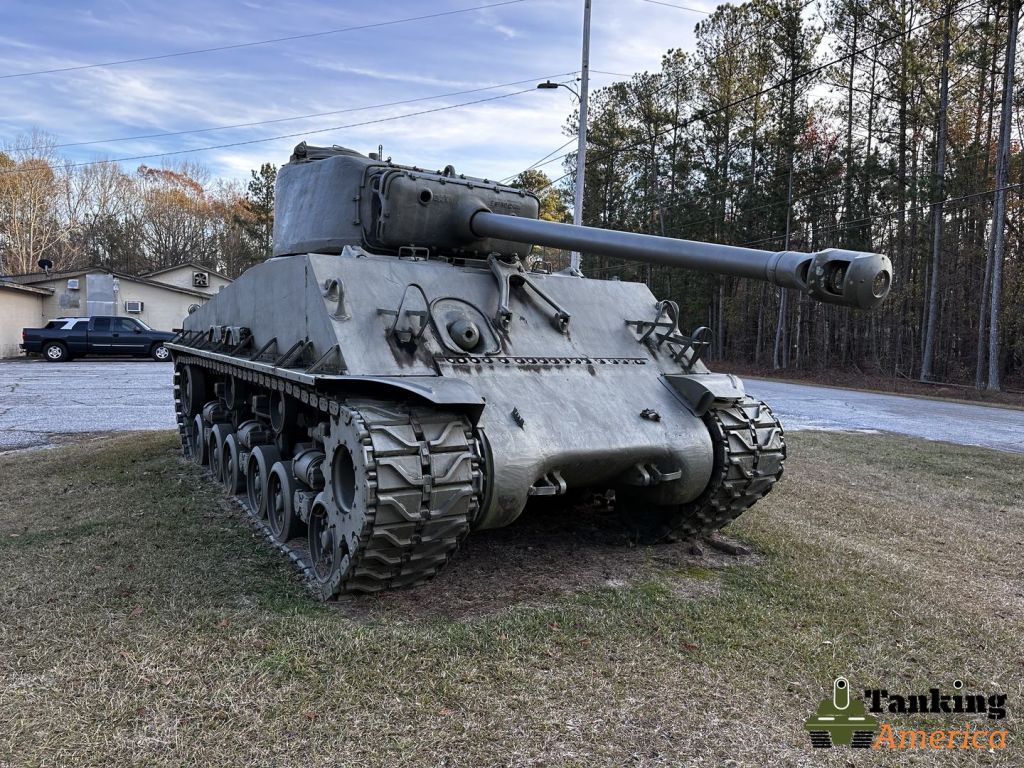
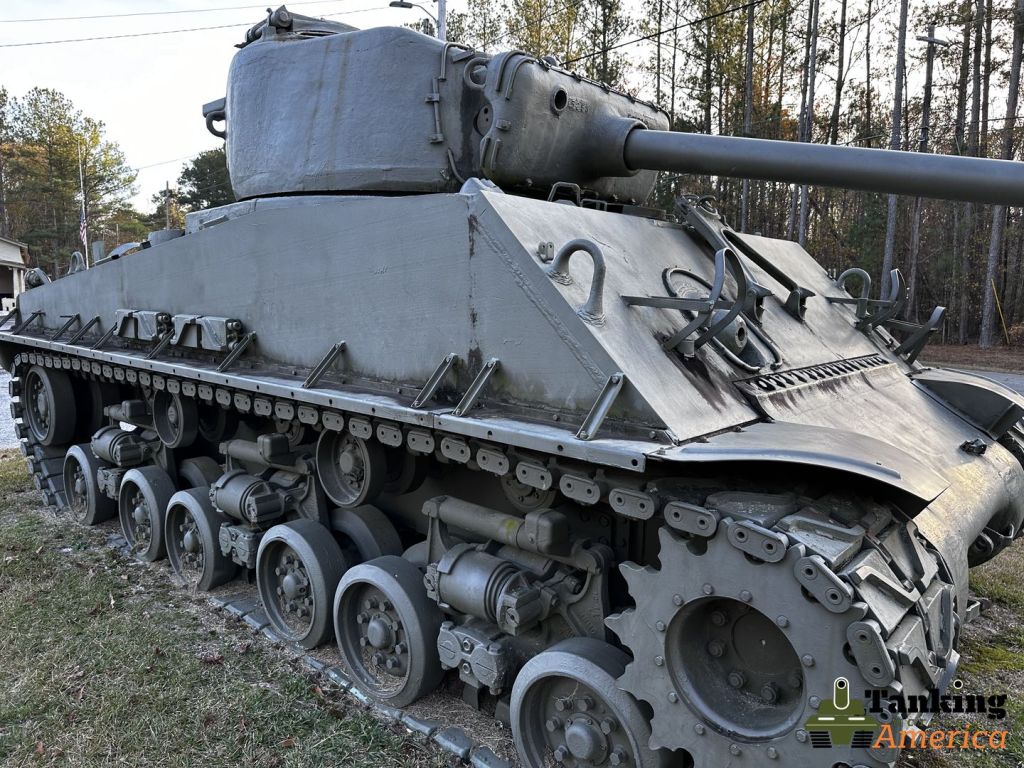
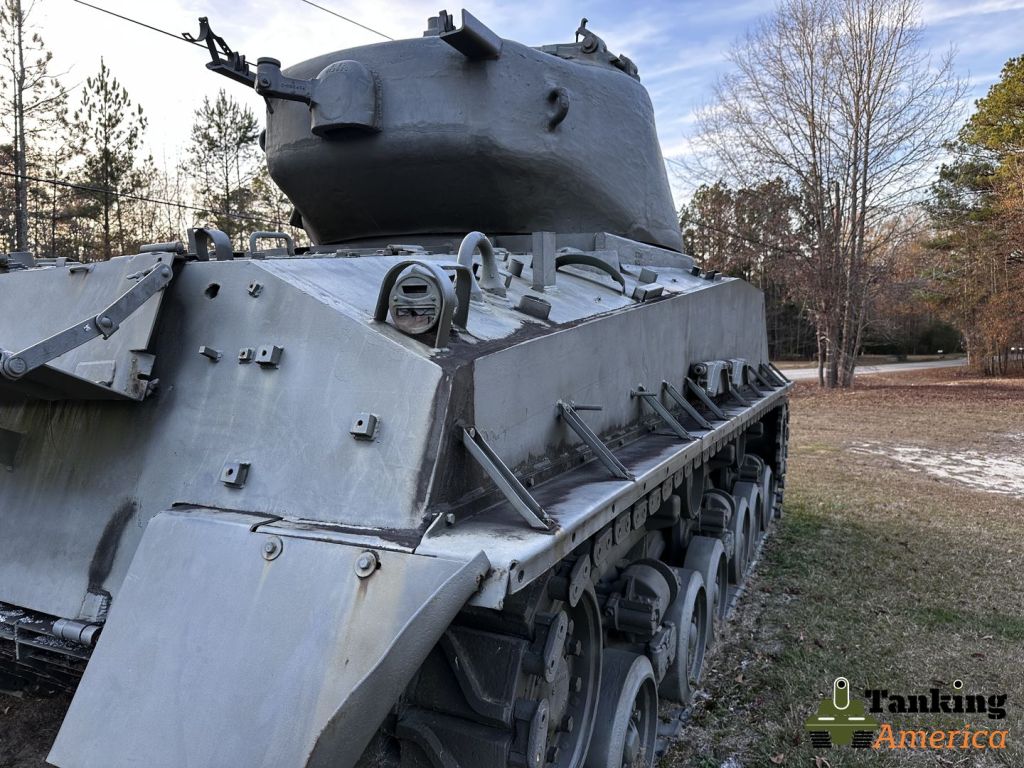
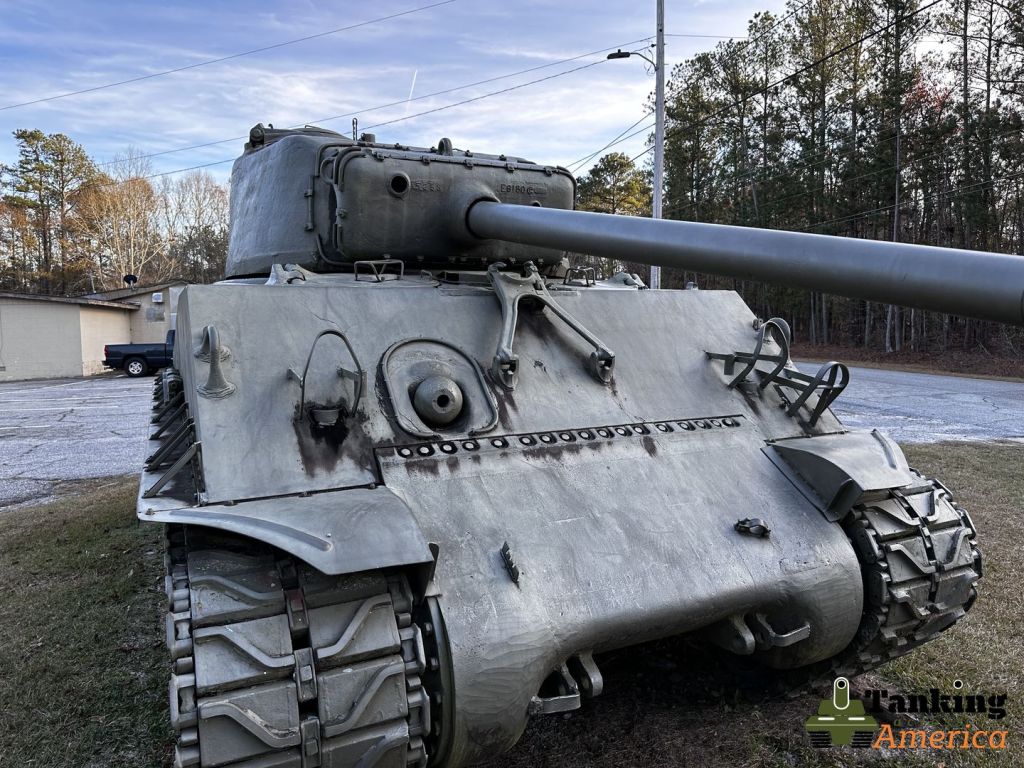
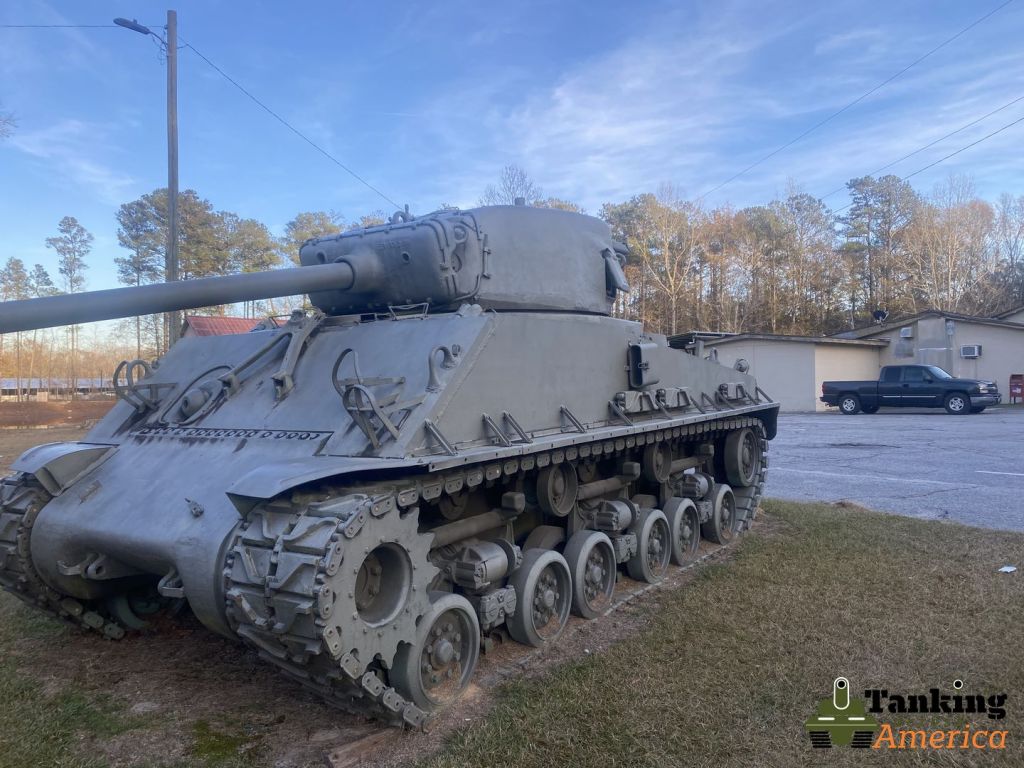
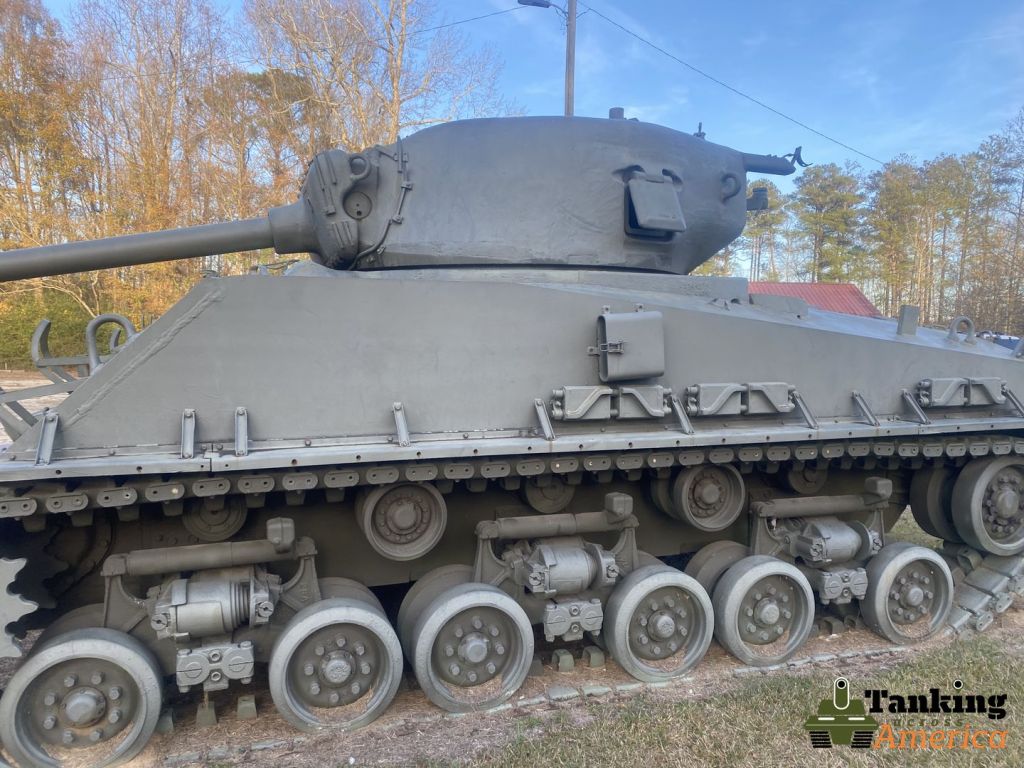
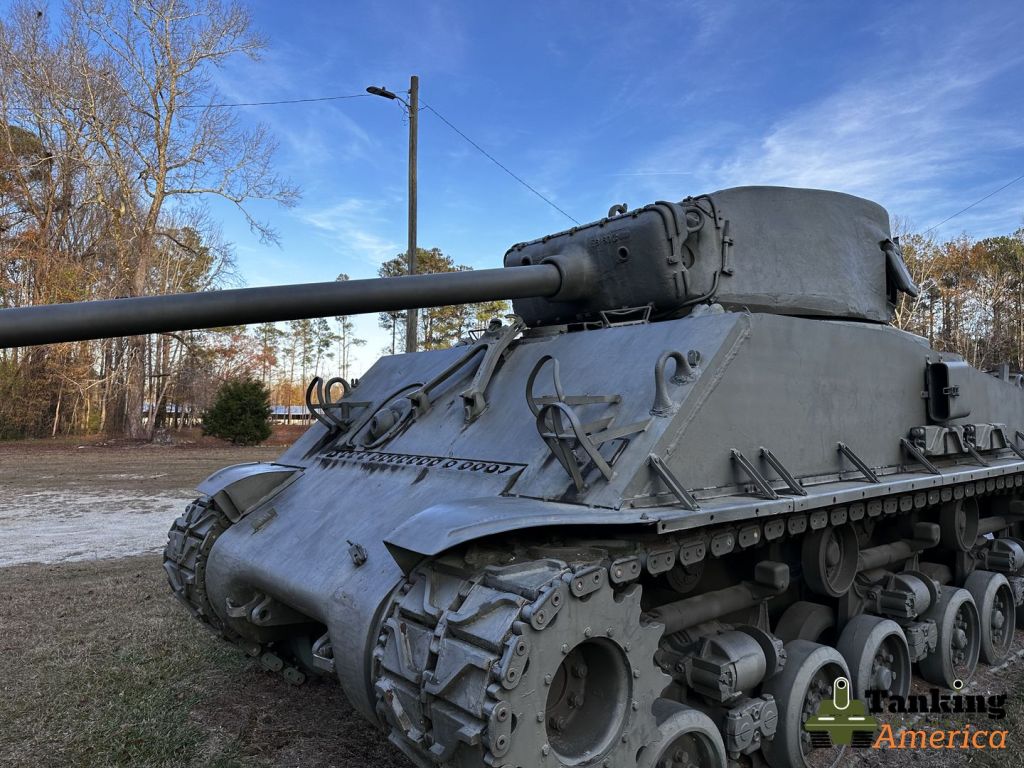
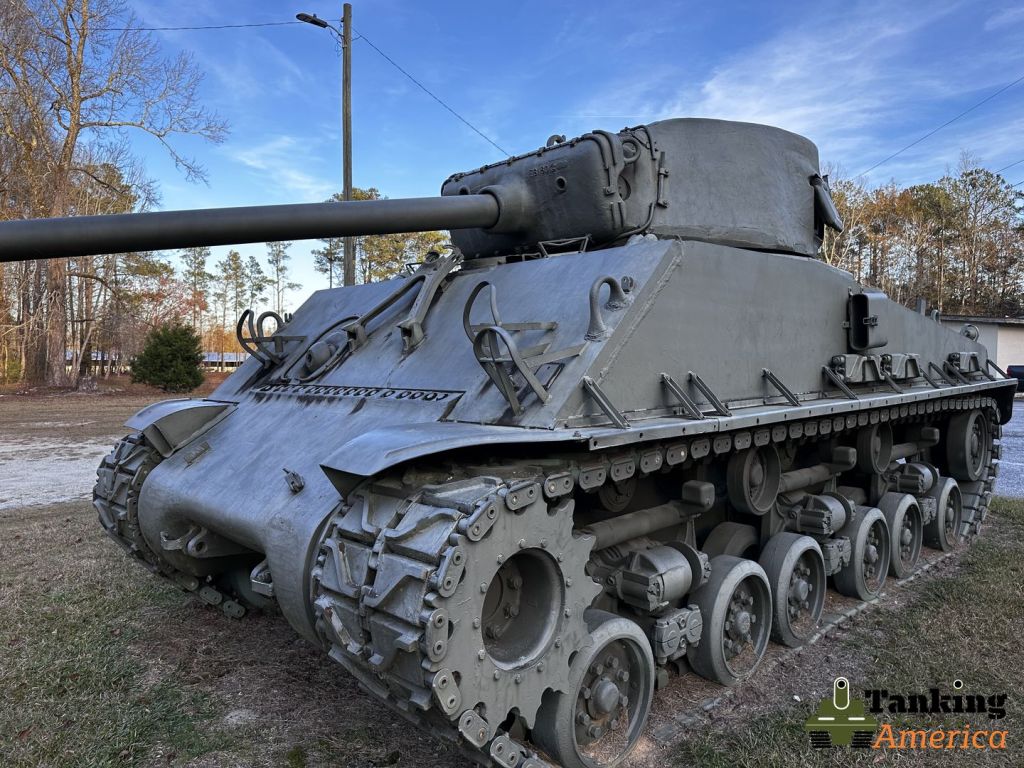
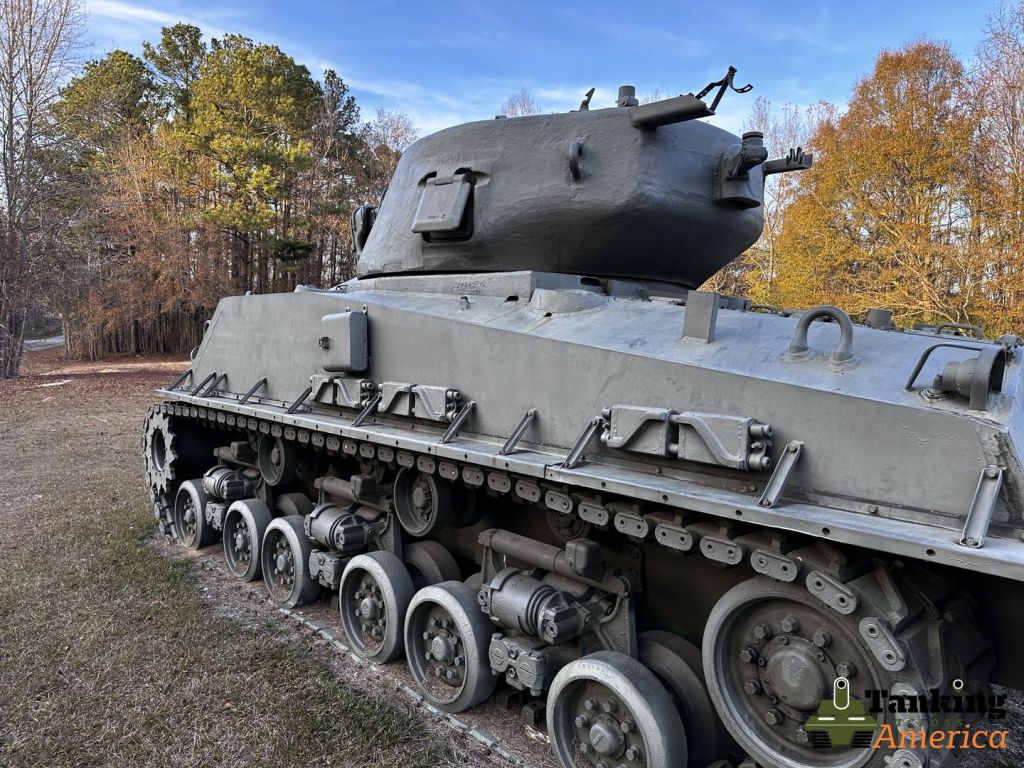
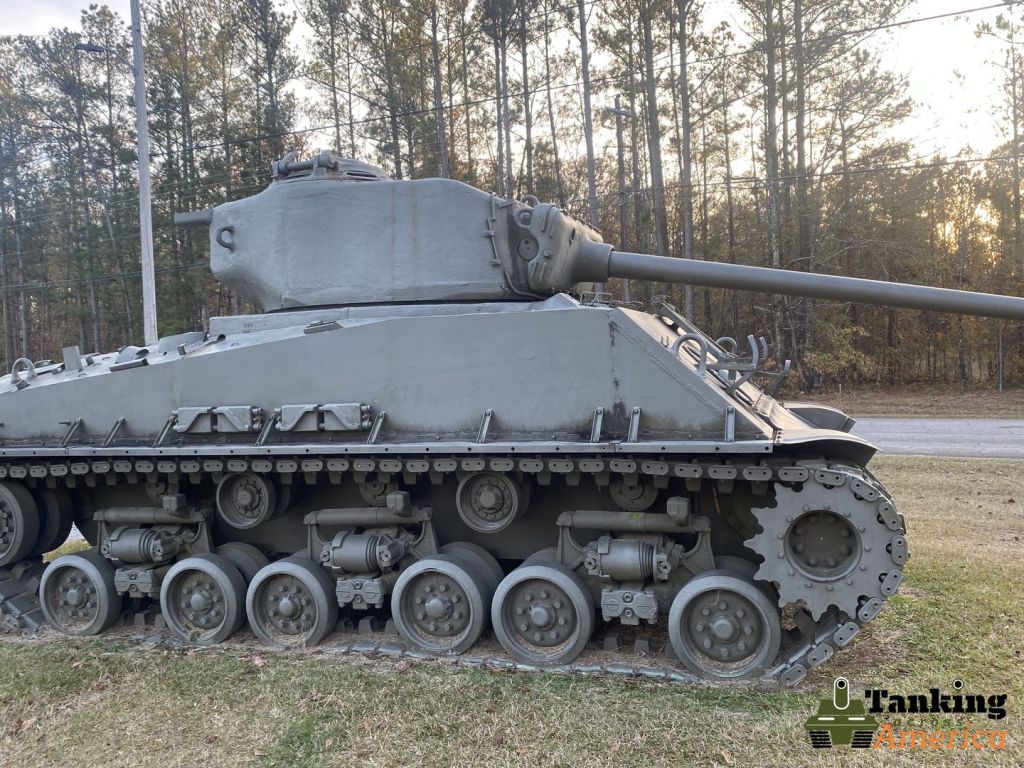
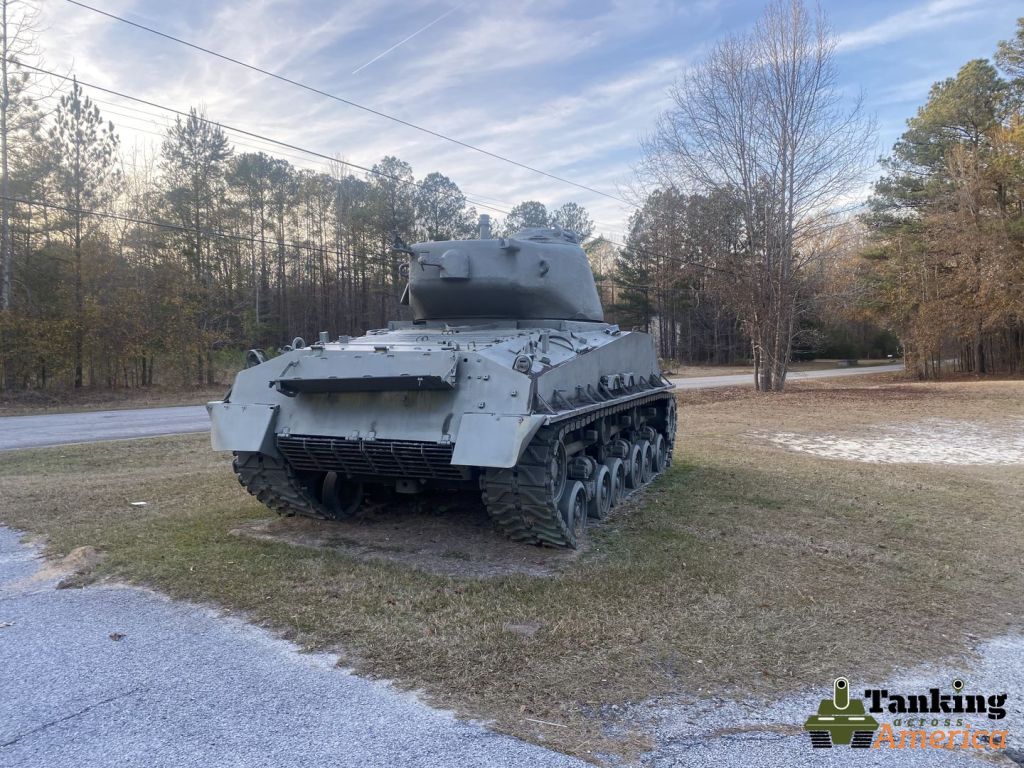
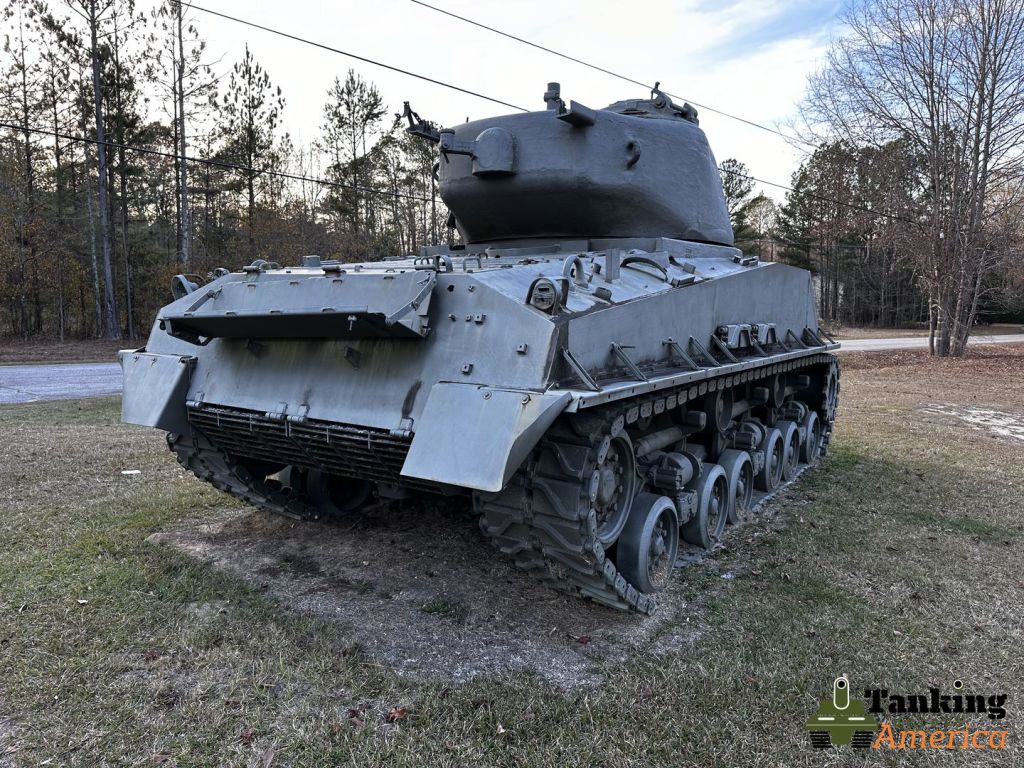
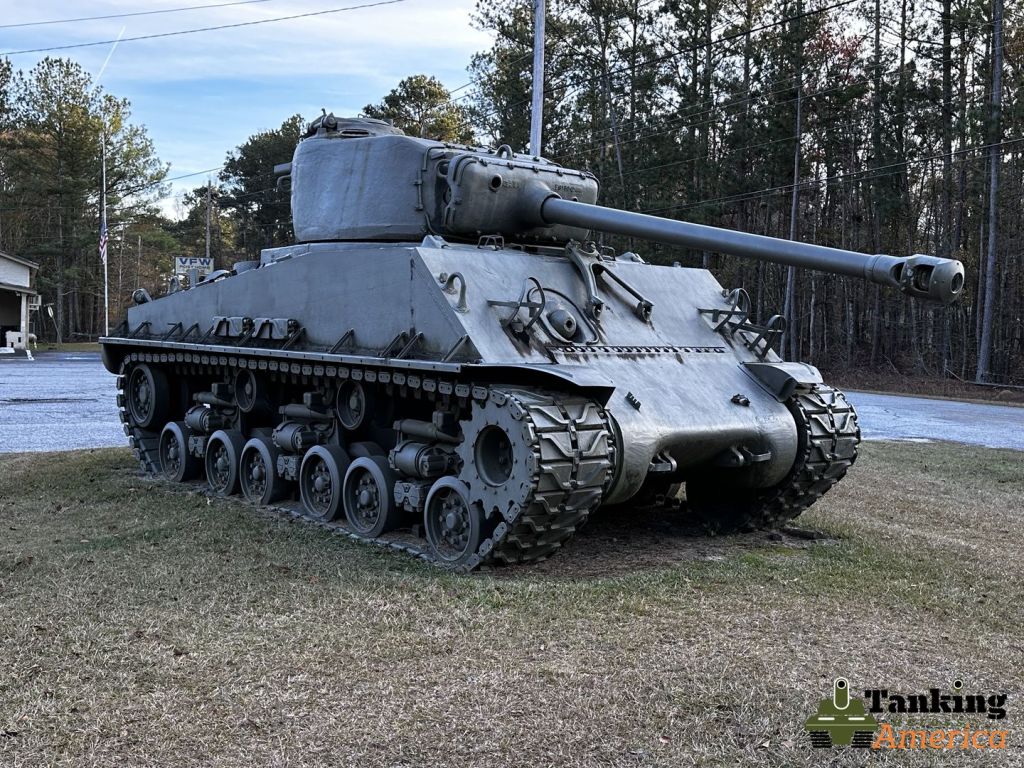
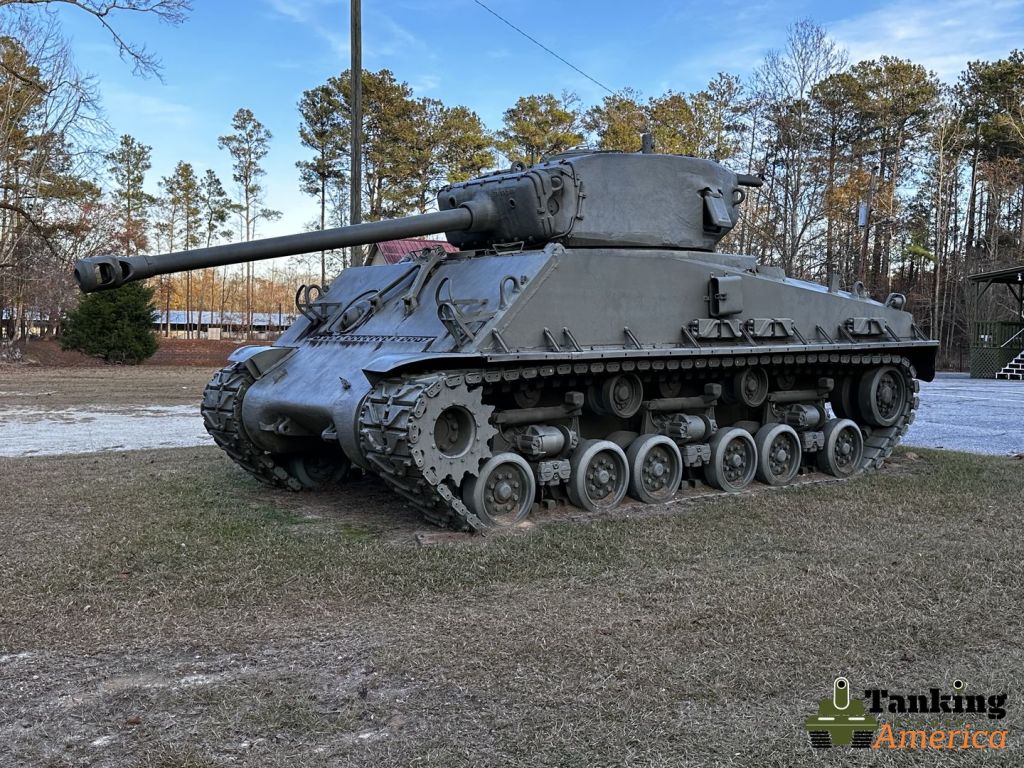
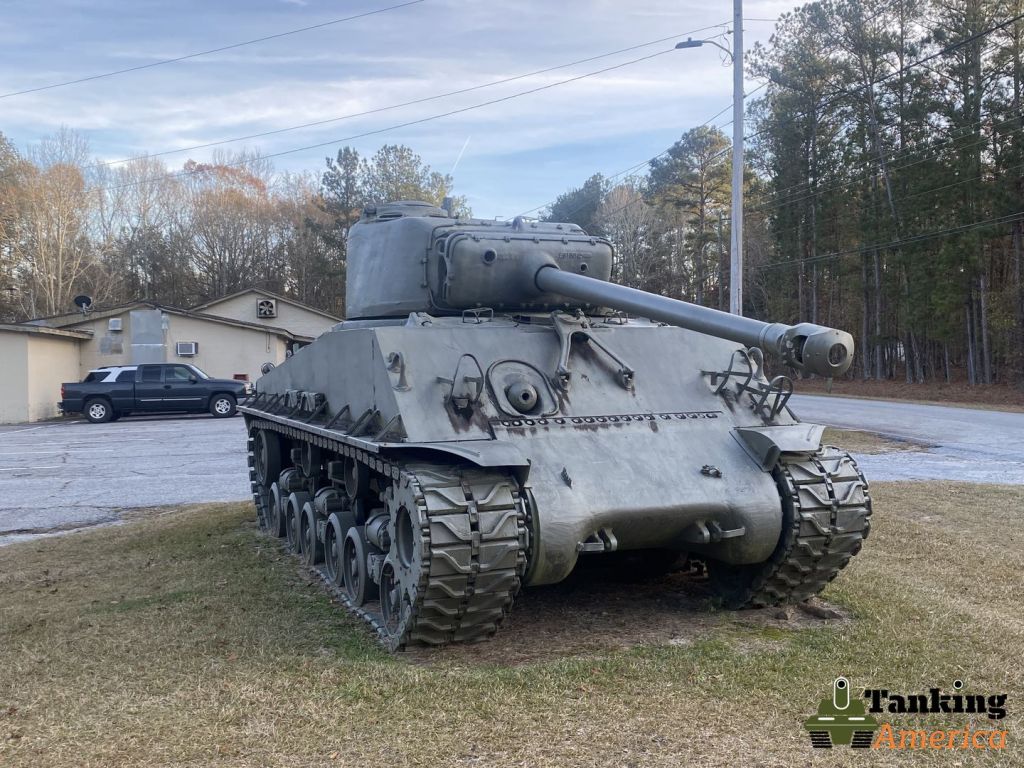
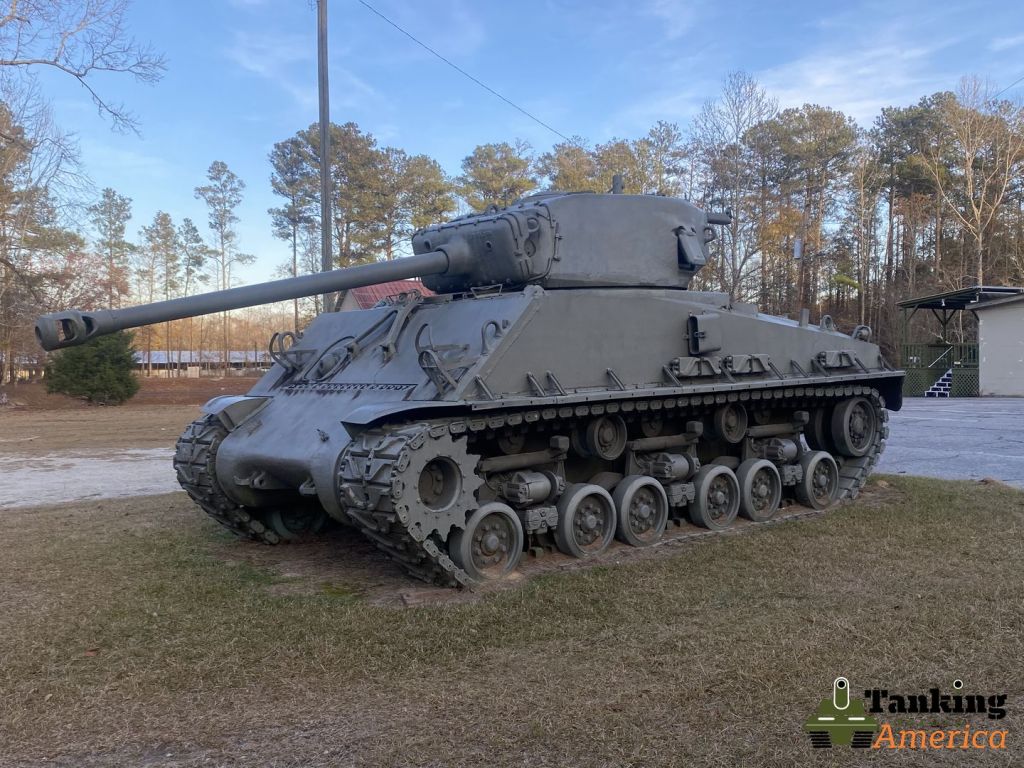
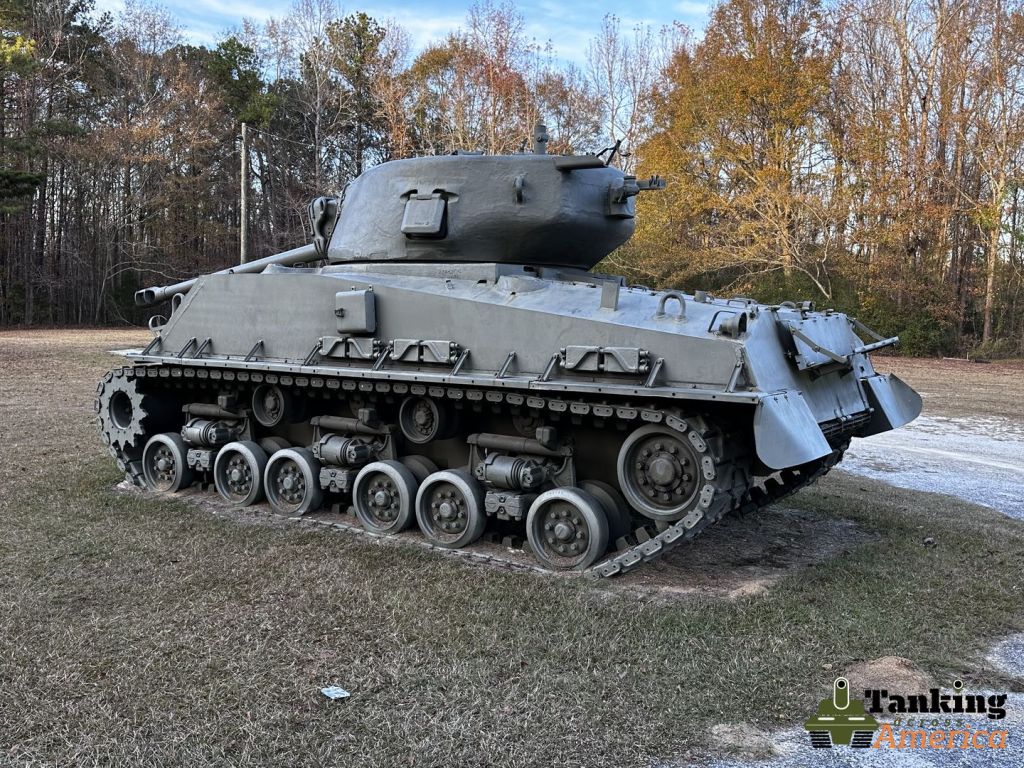
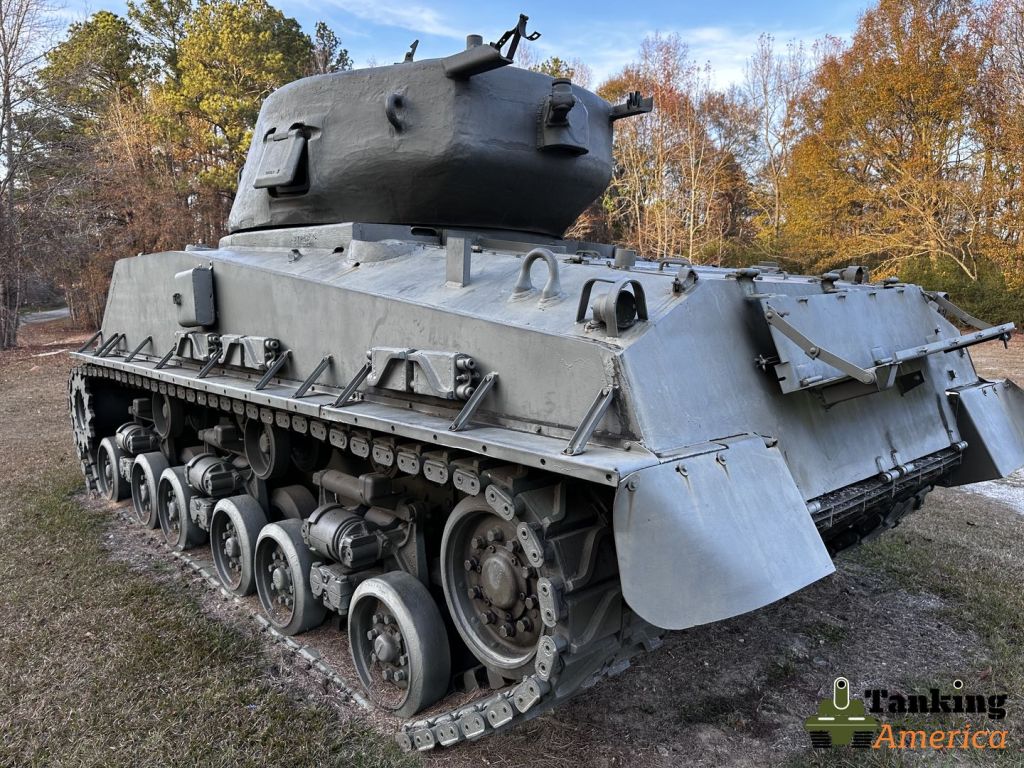
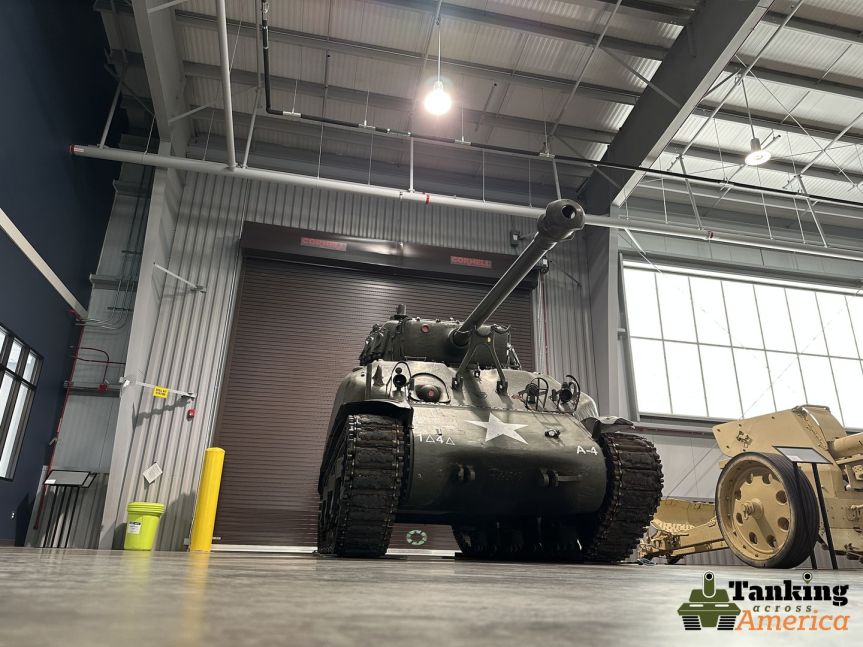
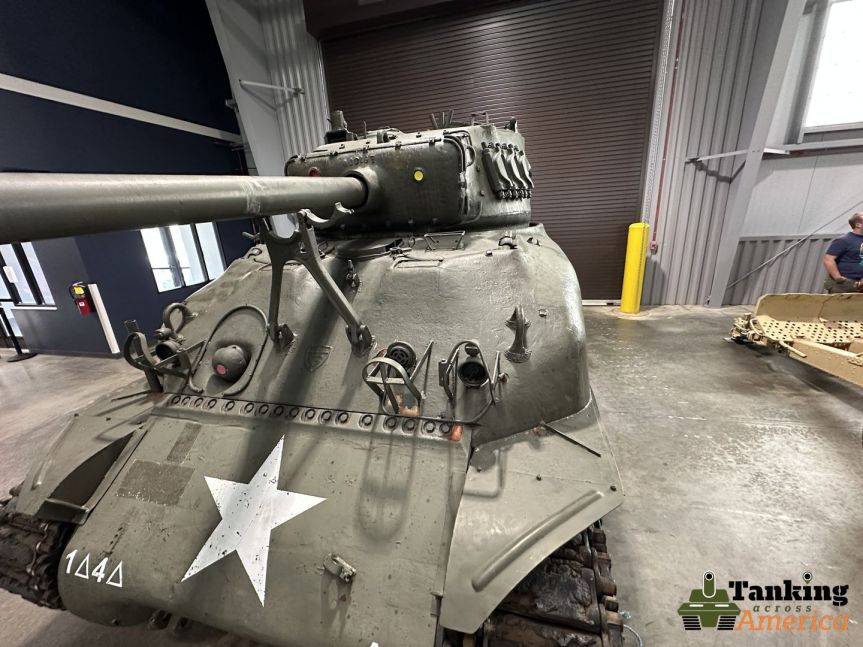
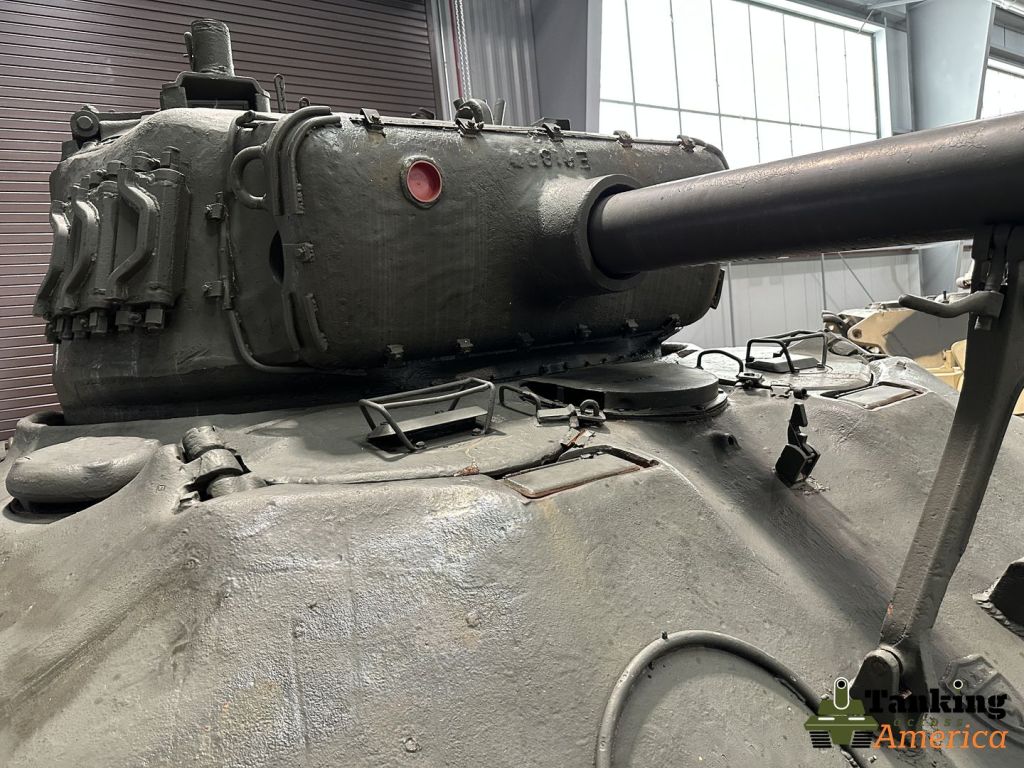
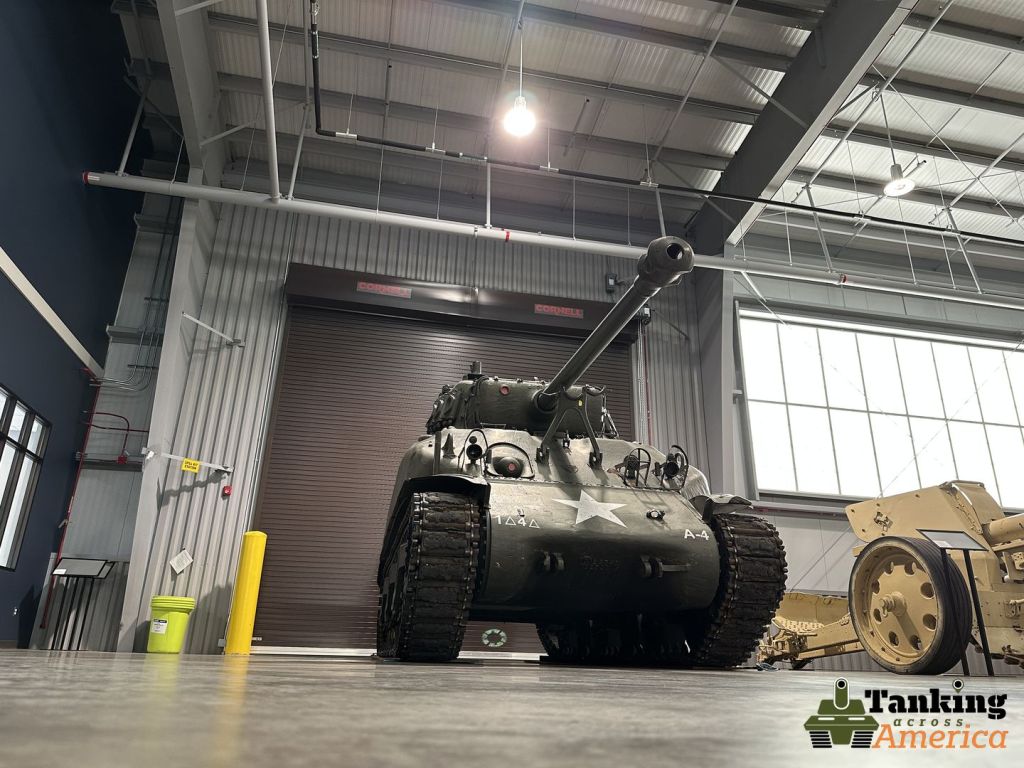
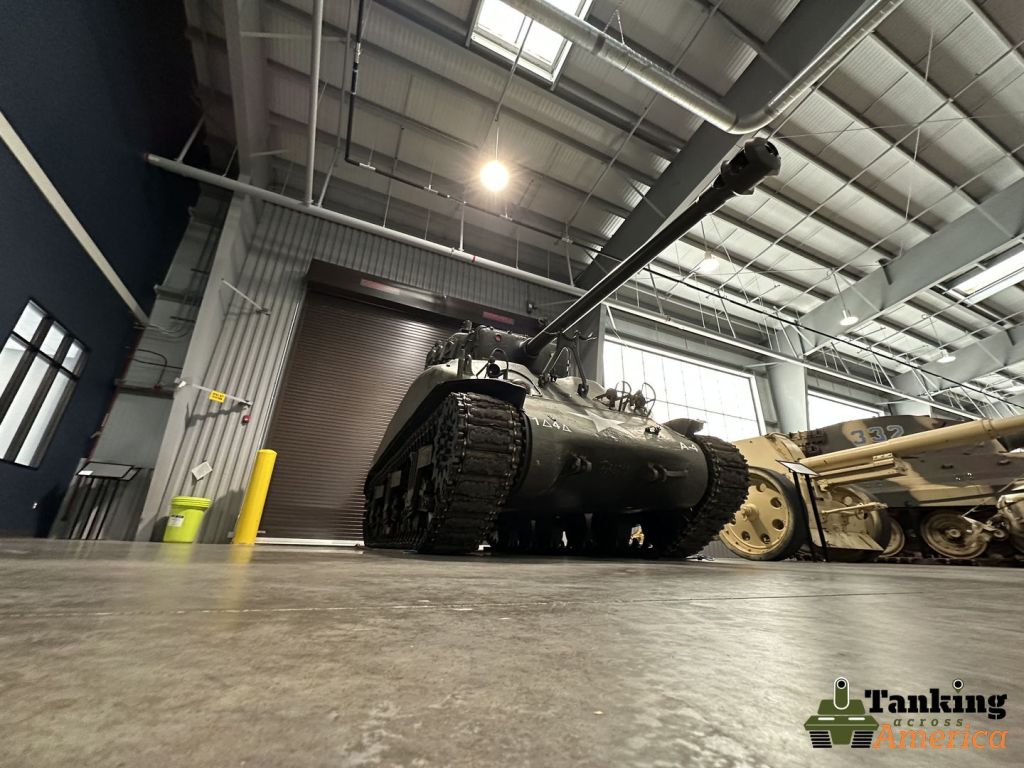
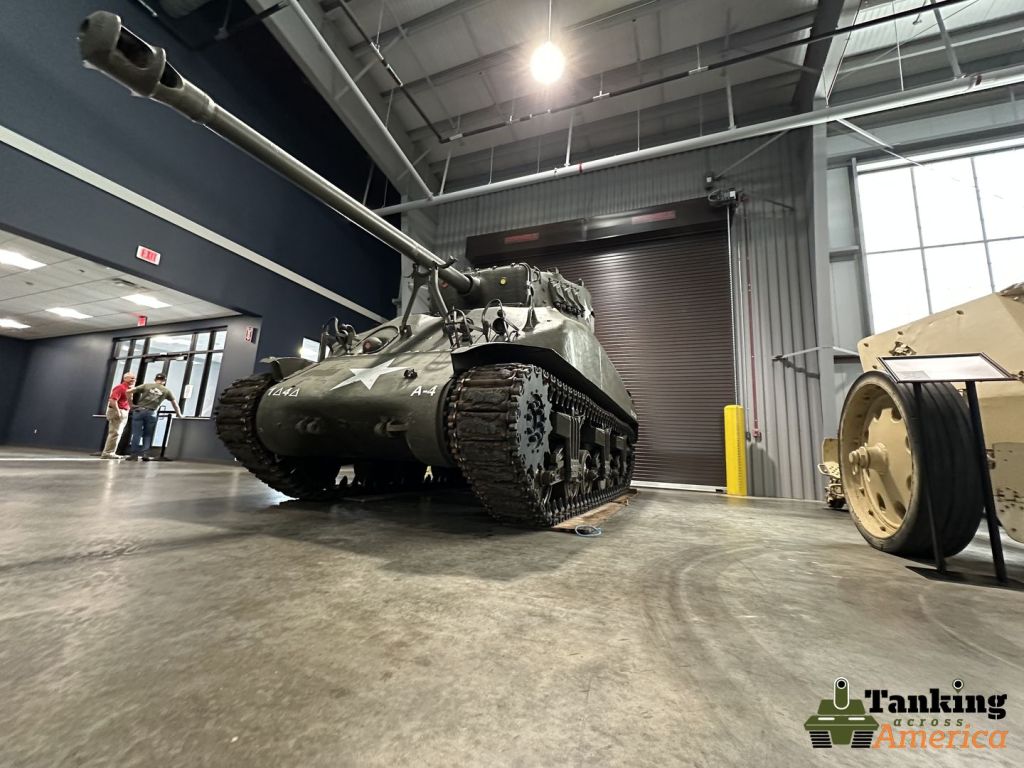
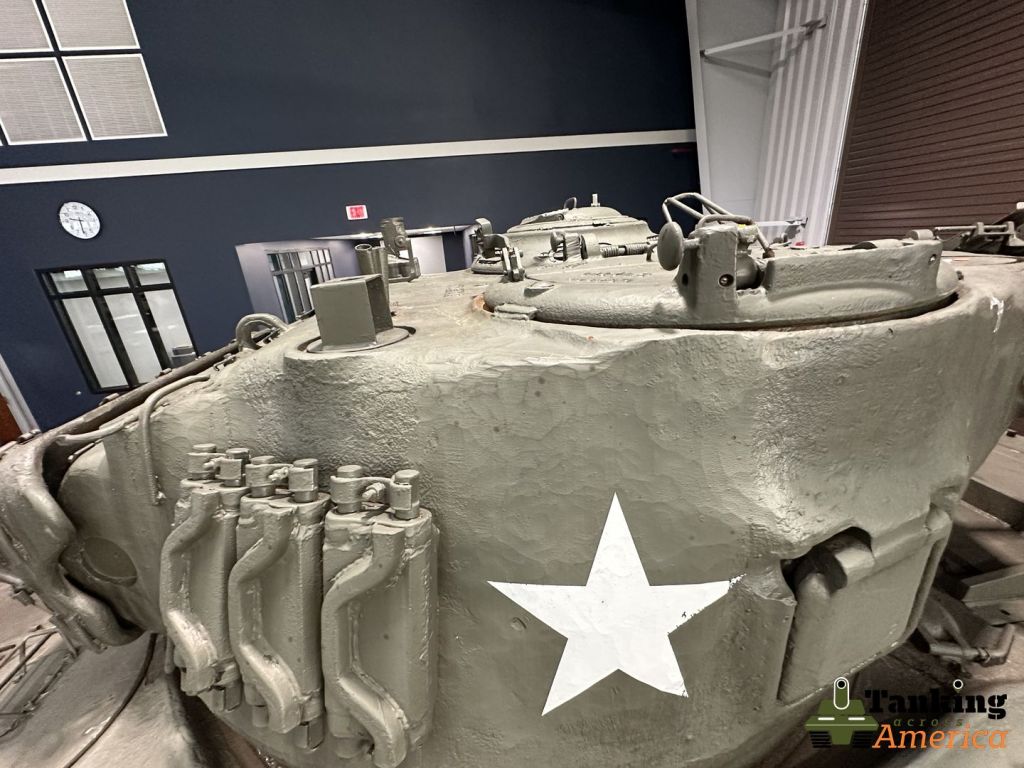
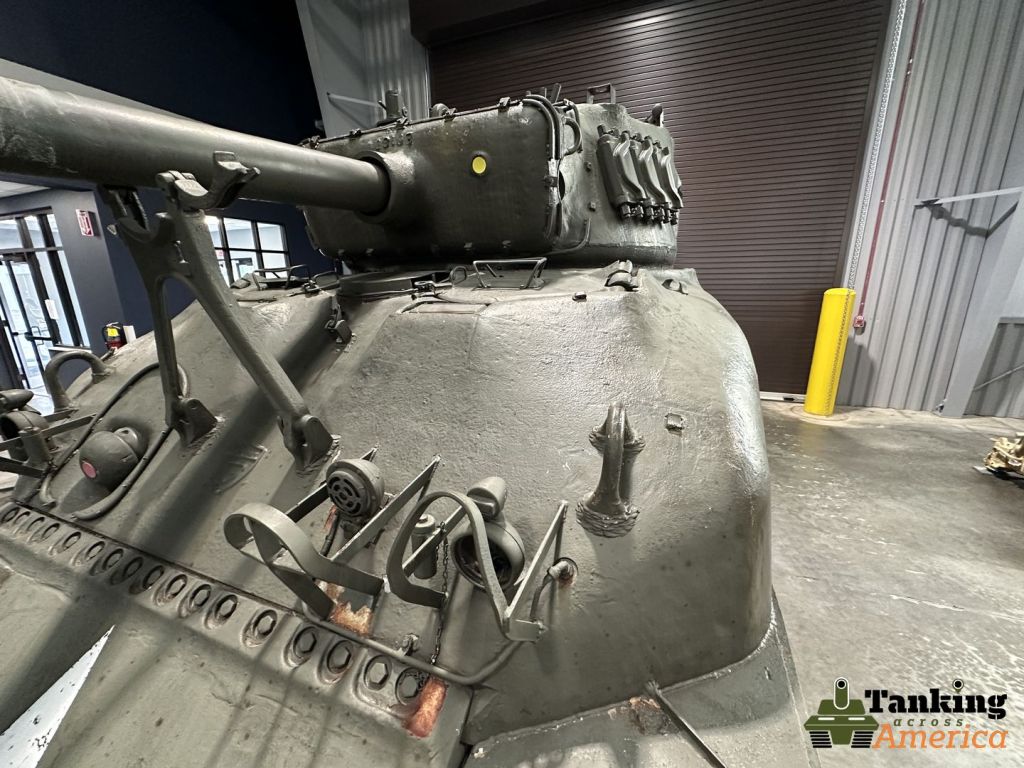
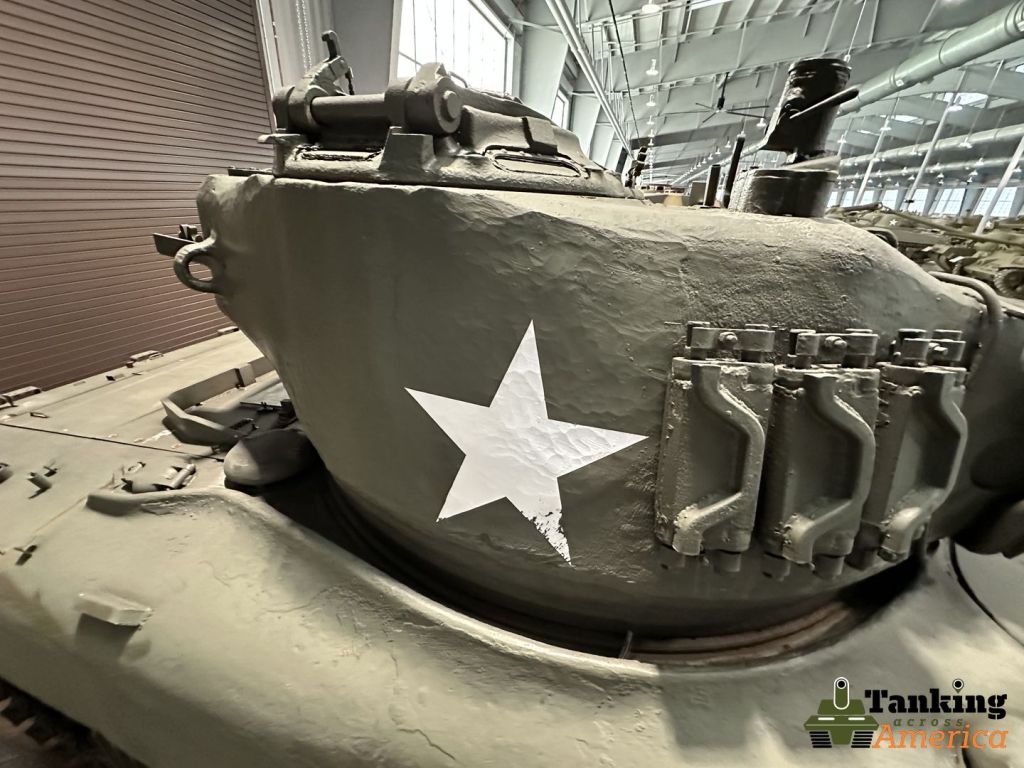
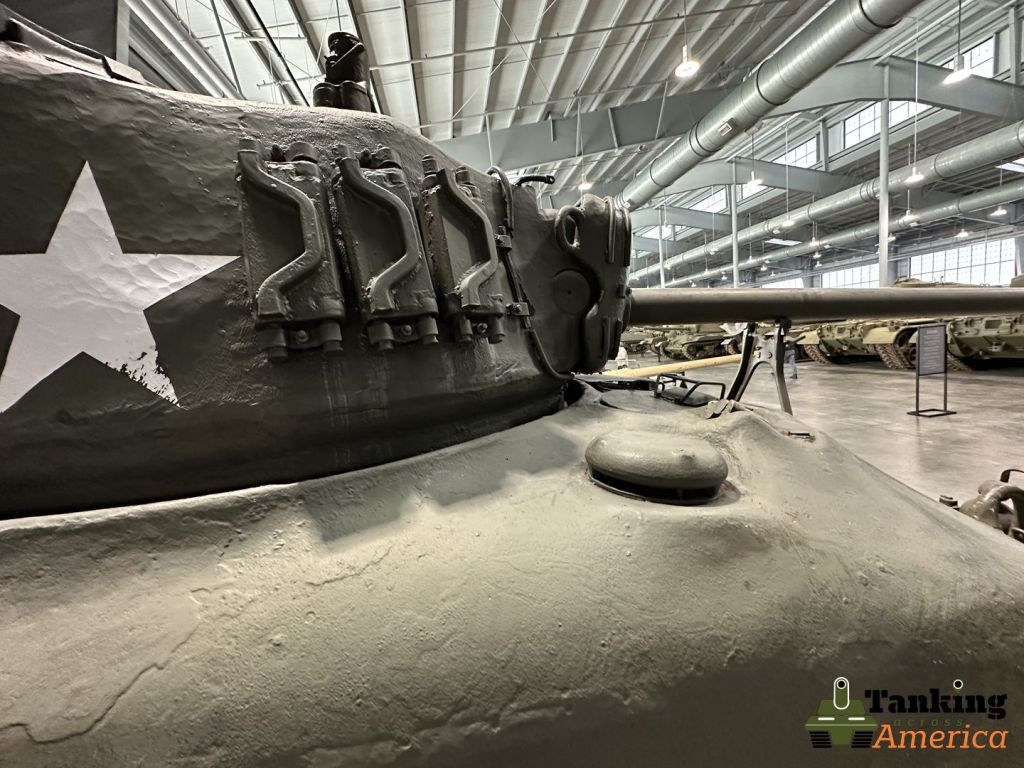
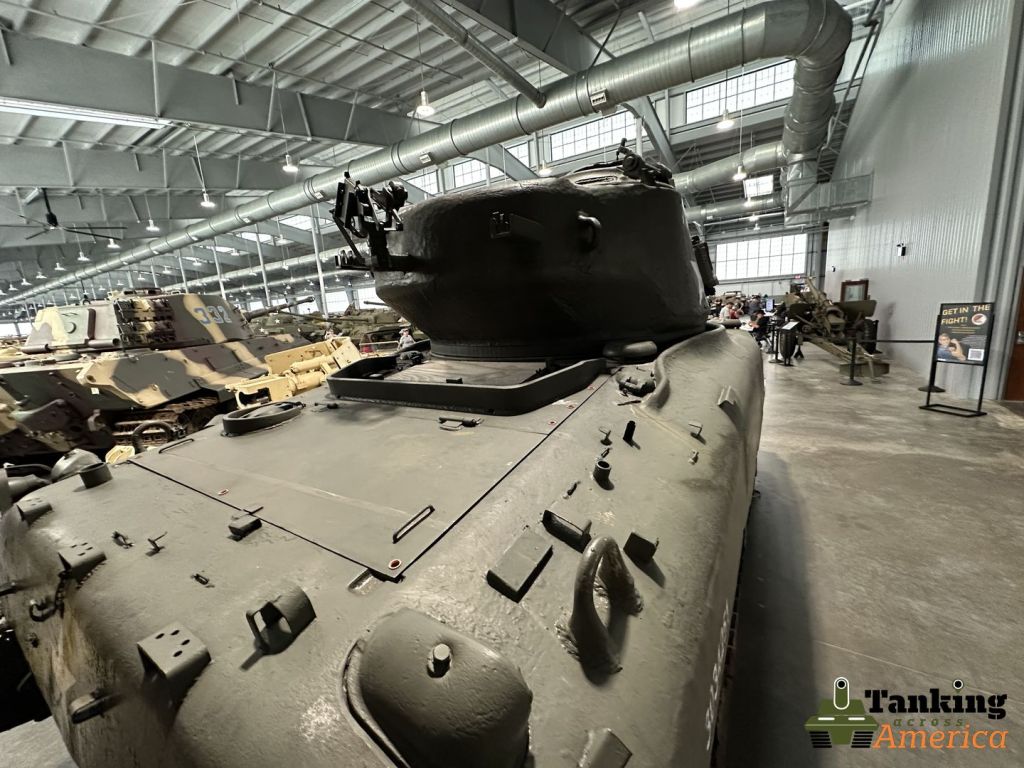
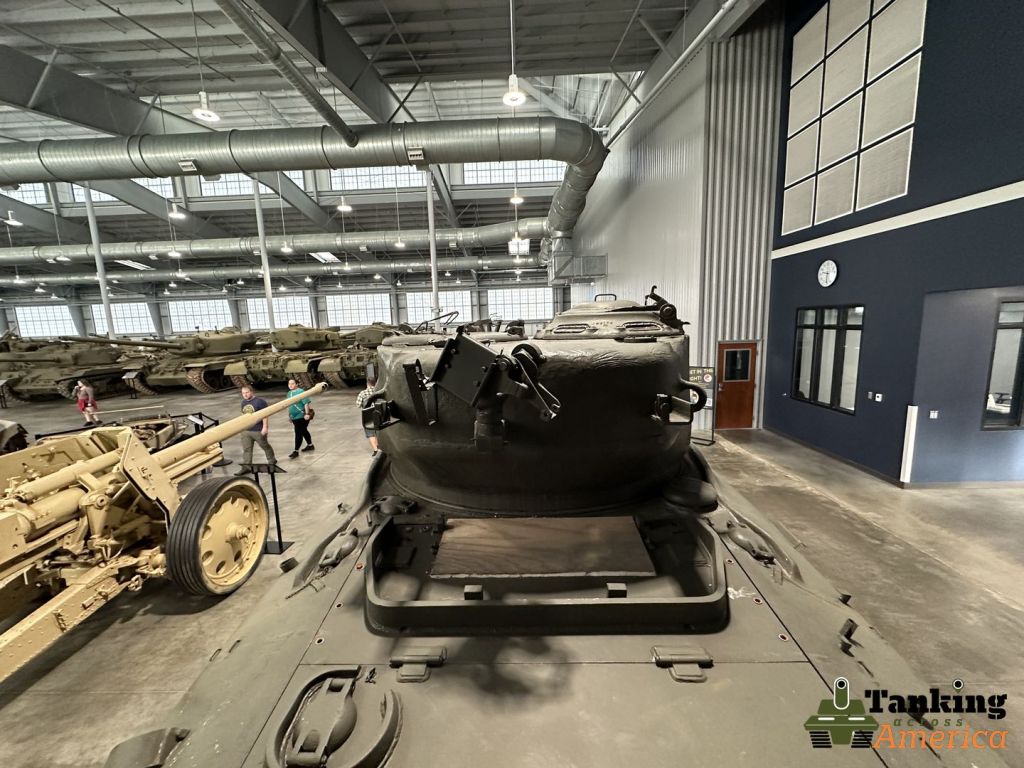
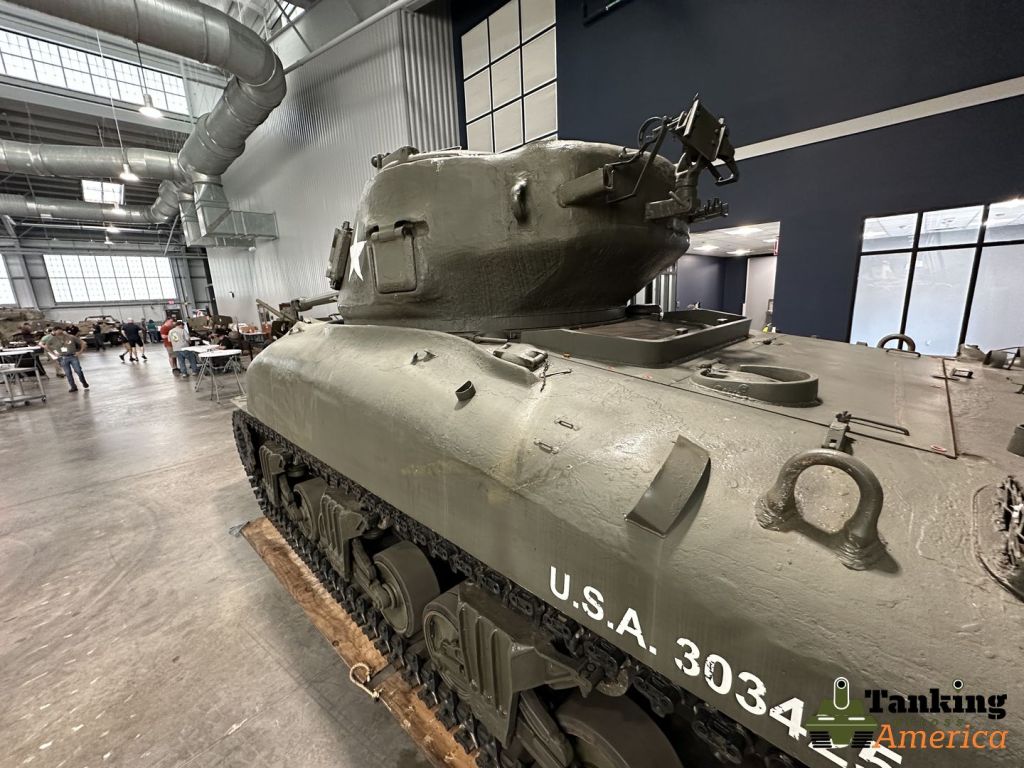
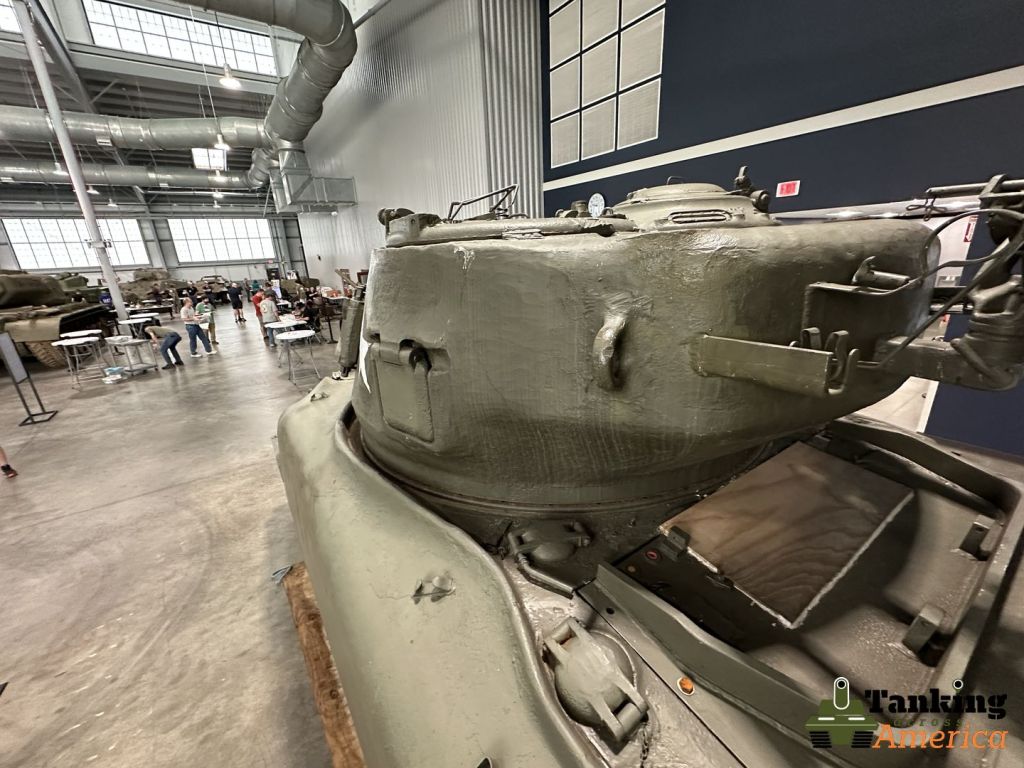
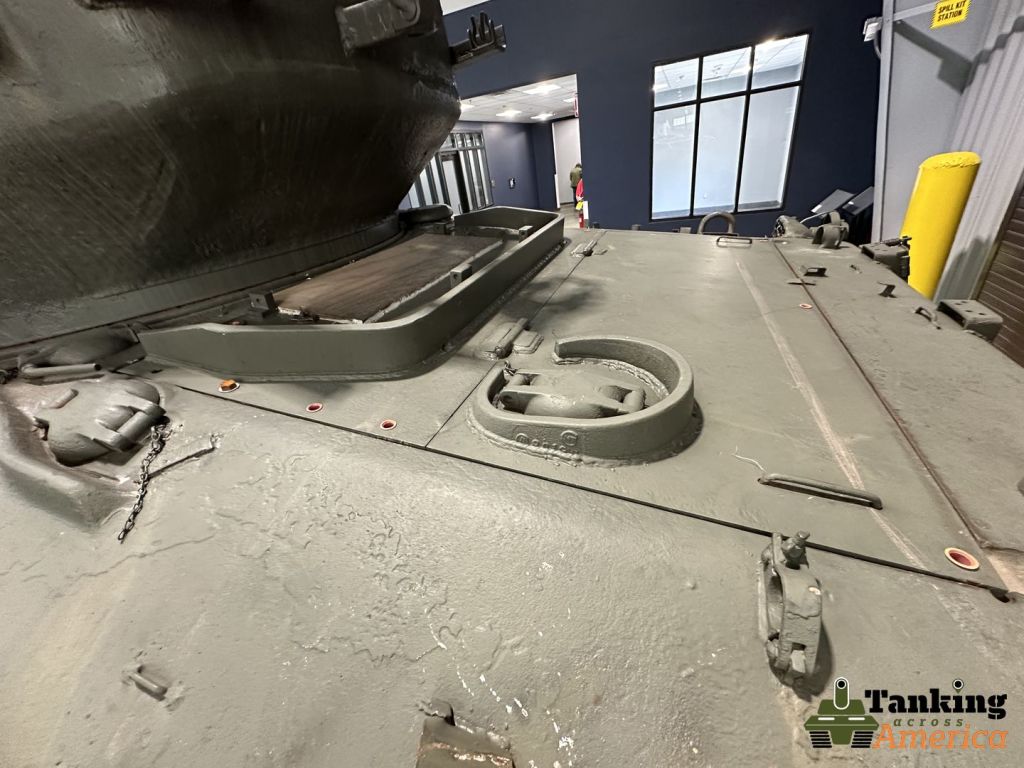
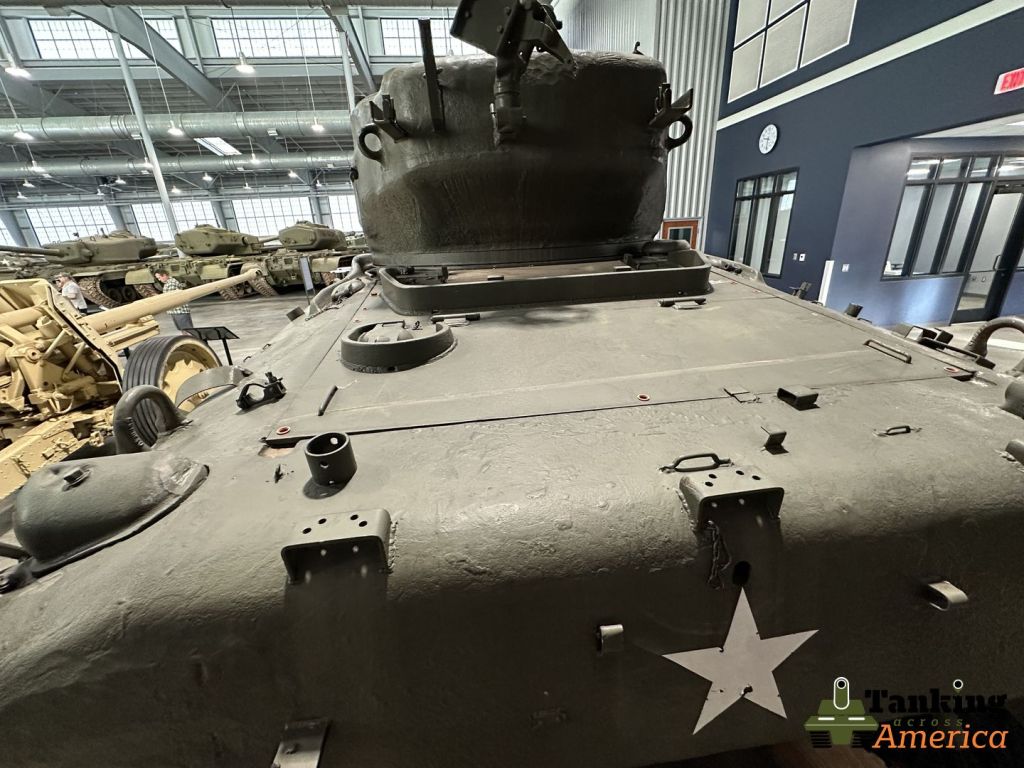
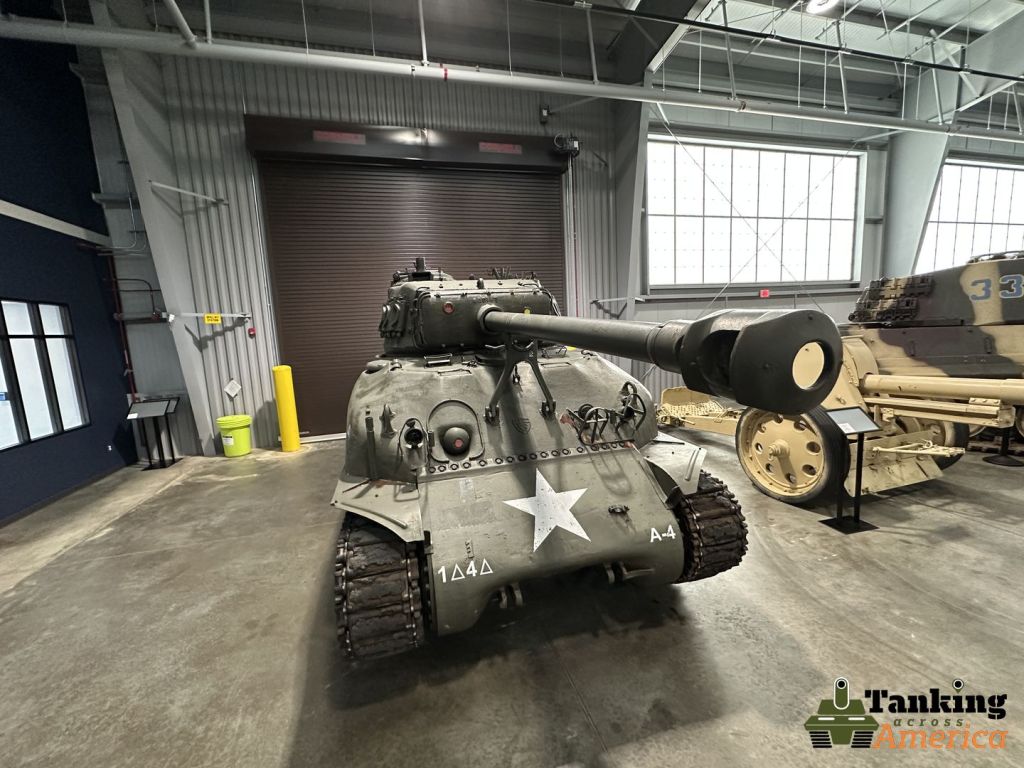
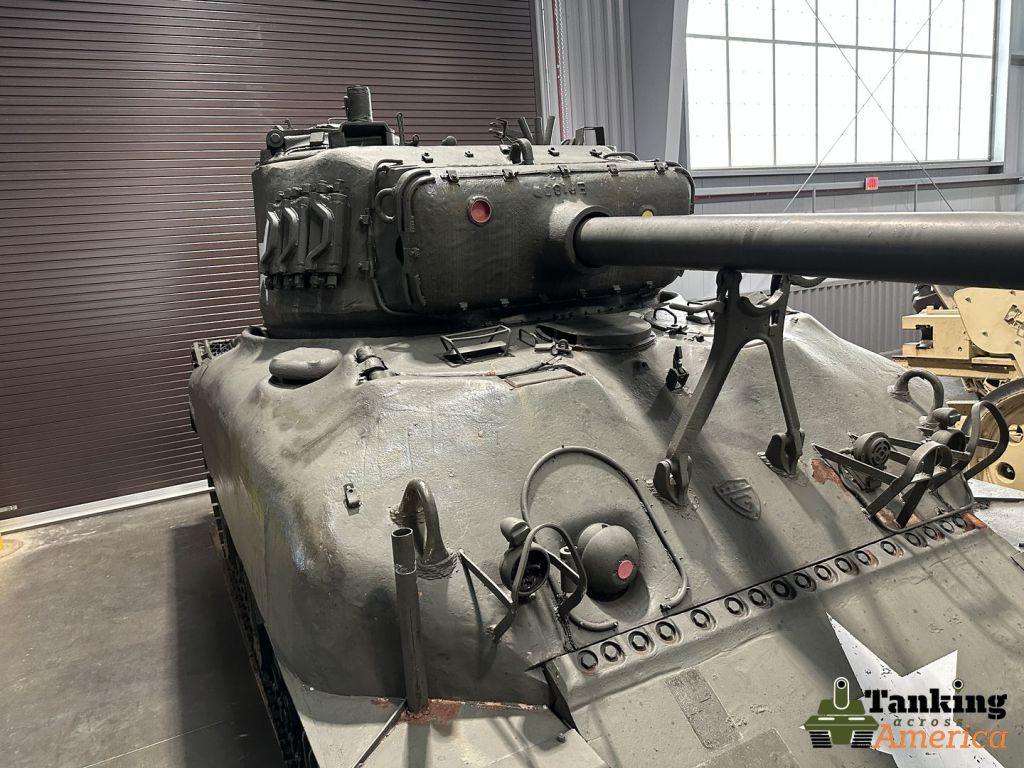
These photos were taken before the move from Barnesville, GA.
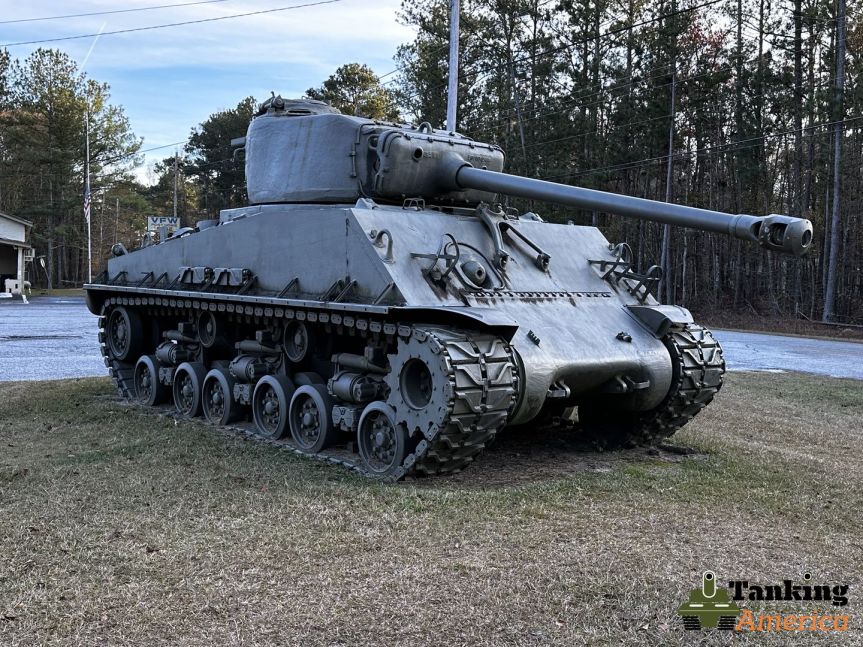
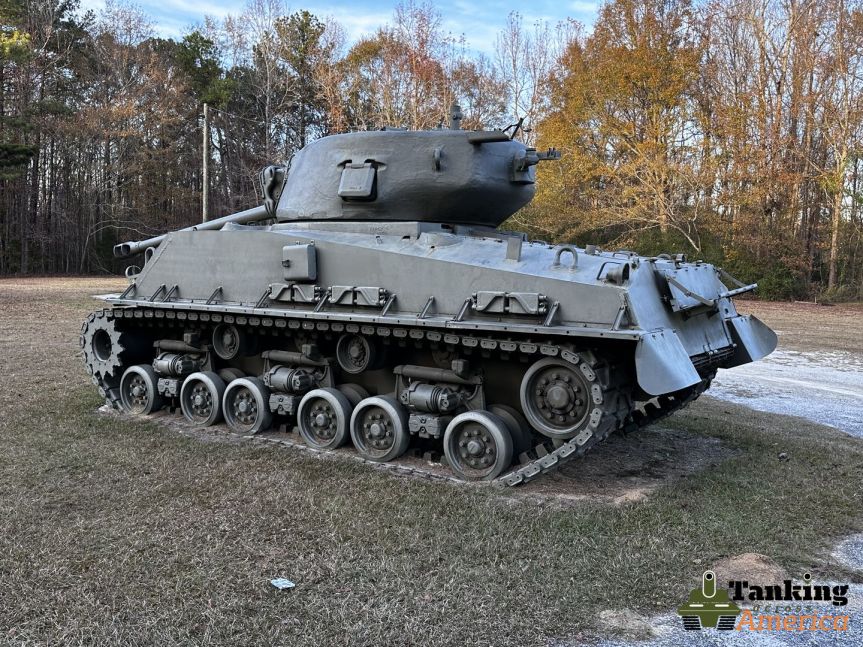
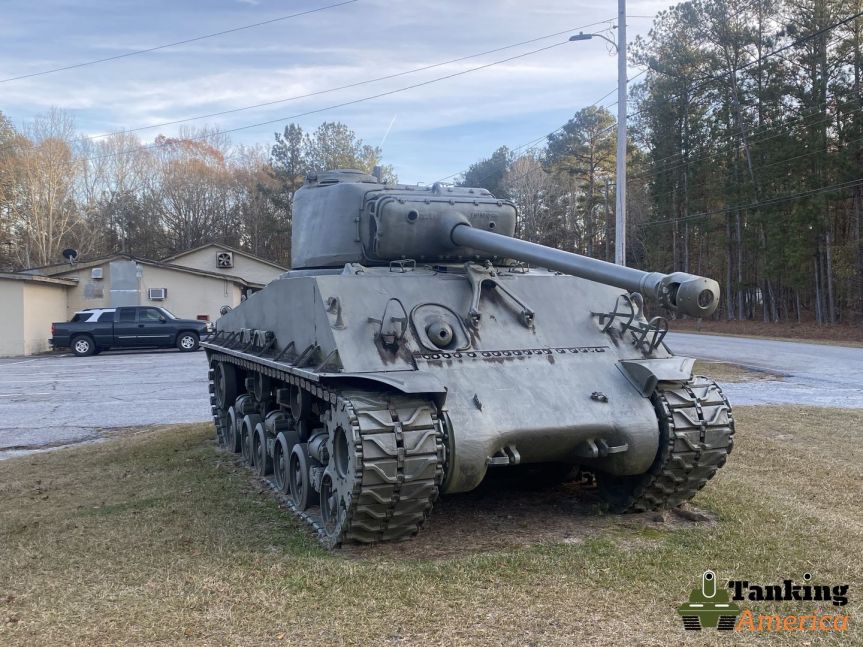
Nestled now on the grounds of Lamar County High School, near Burnette Road, is a powerful emblem of both a community’s military heritage and its enduring spirit of learning. The M4A3E8 (76) Sherman tank (Serial No. 61312, U.S. Registration No. 30114334), built in January 1945, has finally found its long-awaited resting place—not in a museum, but as a living monument to history, service, and education.
From Campus Icon to Community Treasure
Once stationed at Gordon Military College, this Sherman tank was a familiar centerpiece on campus. For many former cadets, it was more than a relic—it was a playground. Stories abound of students who “painted the tank” overnight, splashing vibrant colors across its steel surface in an unofficial rite of passage that bonded classes and boosted school spirit.
In 1972, following the transition of the college into Gordon Junior College under the University System of Georgia, the tank—an unmistakable symbol of the school’s military past—was moved to the VFW post on Old Highway 41 to preserve its legacy.
A Hero’s Welcome to LCHS
Fast-forward to July 18, 2025, when the tank made its dramatic return to the heart of the county. Thanks to the efforts of school board member Danny Turner, local leaders, and the U.S. Army’s approval, the tank was gifted to Lamar County Schools free of charge—courtesy of an anonymous donor who funded the entire project.
Transporting the 70,000-pound behemoth was no small feat. After initial setbacks with standard tow trucks, heavy-duty rotator tow trucks were called in, and with a bit of humor—”The Nazis couldn’t beat the Sherman tank, but Eddie Buice and Arthur Edge did!” quipped Turner—the tank was safely delivered and positioned on the school’s grounds.
A Living Memorial of Pride and Purpose
The tank now stands as more than an artifact—it’s an educational ally to Lamar County High School’s AJROTC program. A grand memorial is in the works, intended to honor America’s veterans, the history of Gordon Military School, and the cadets who march past it today.



 tankingacrossamerica.com