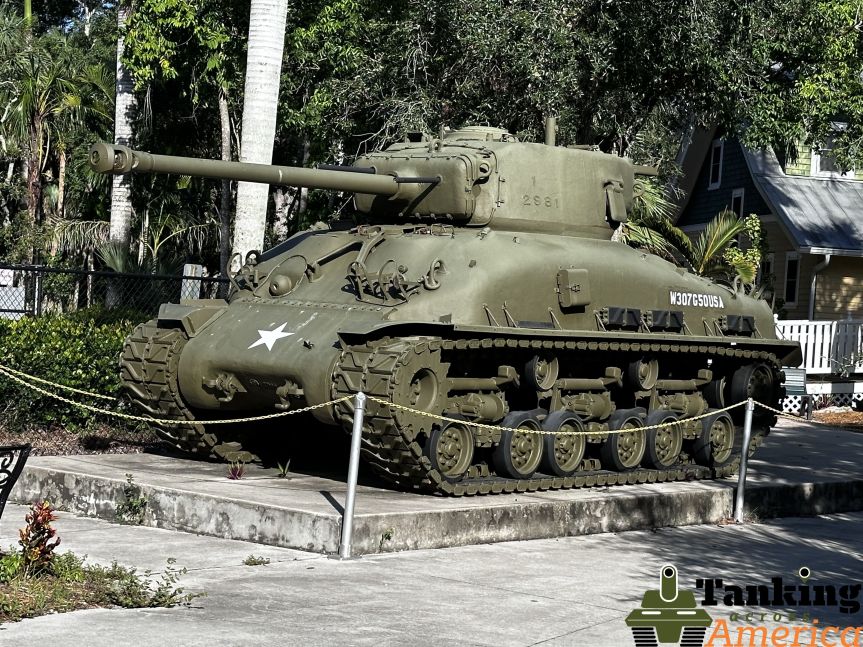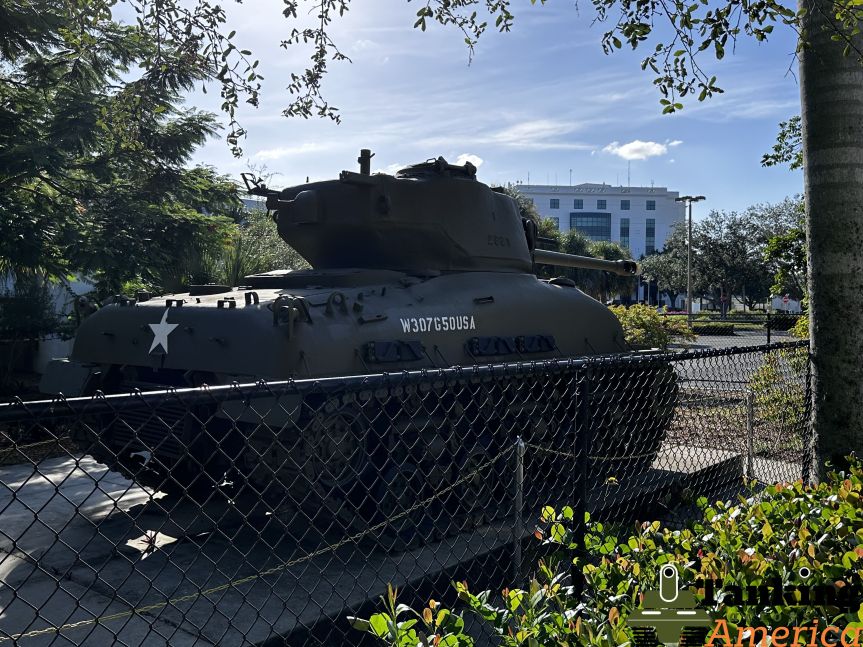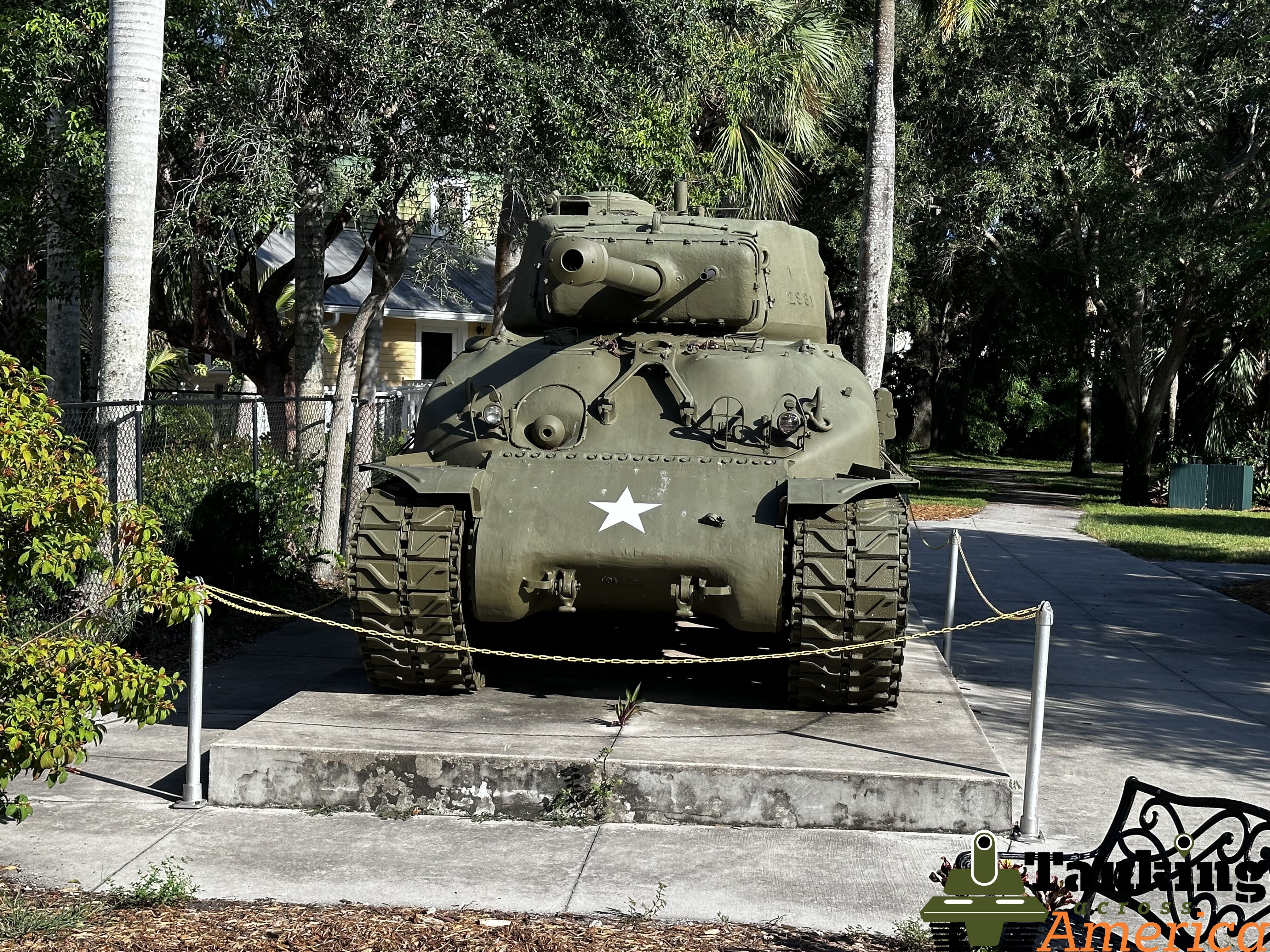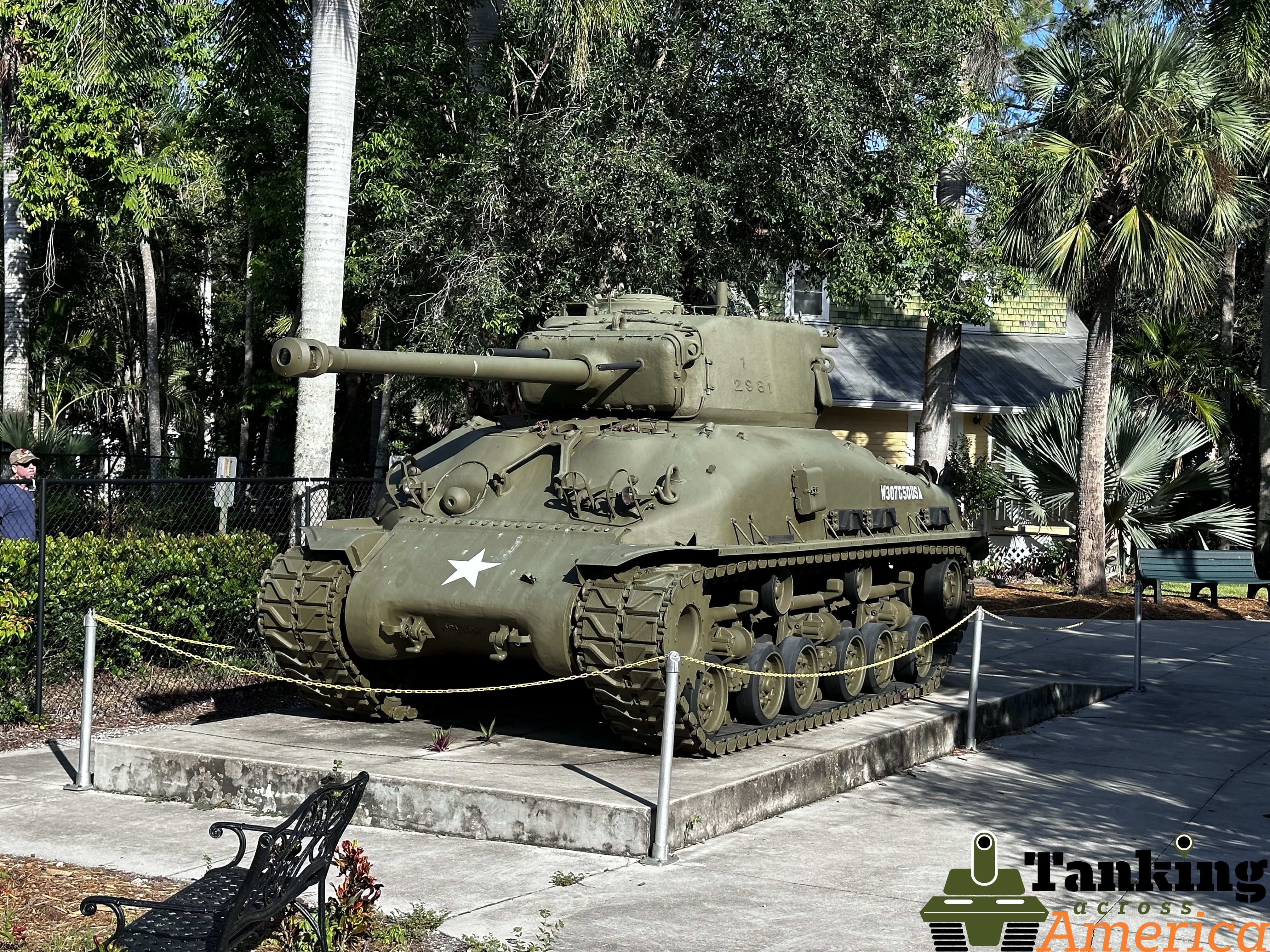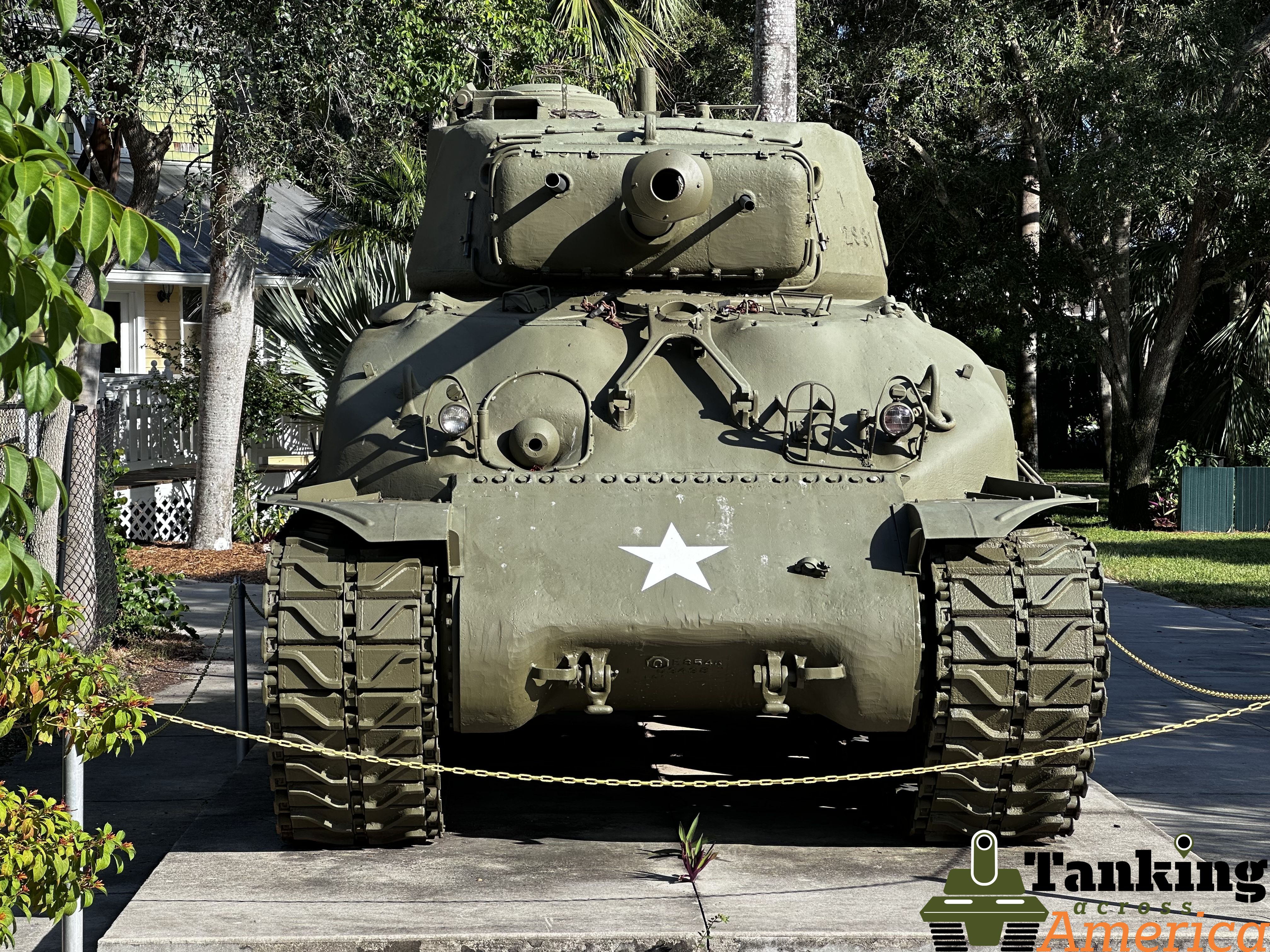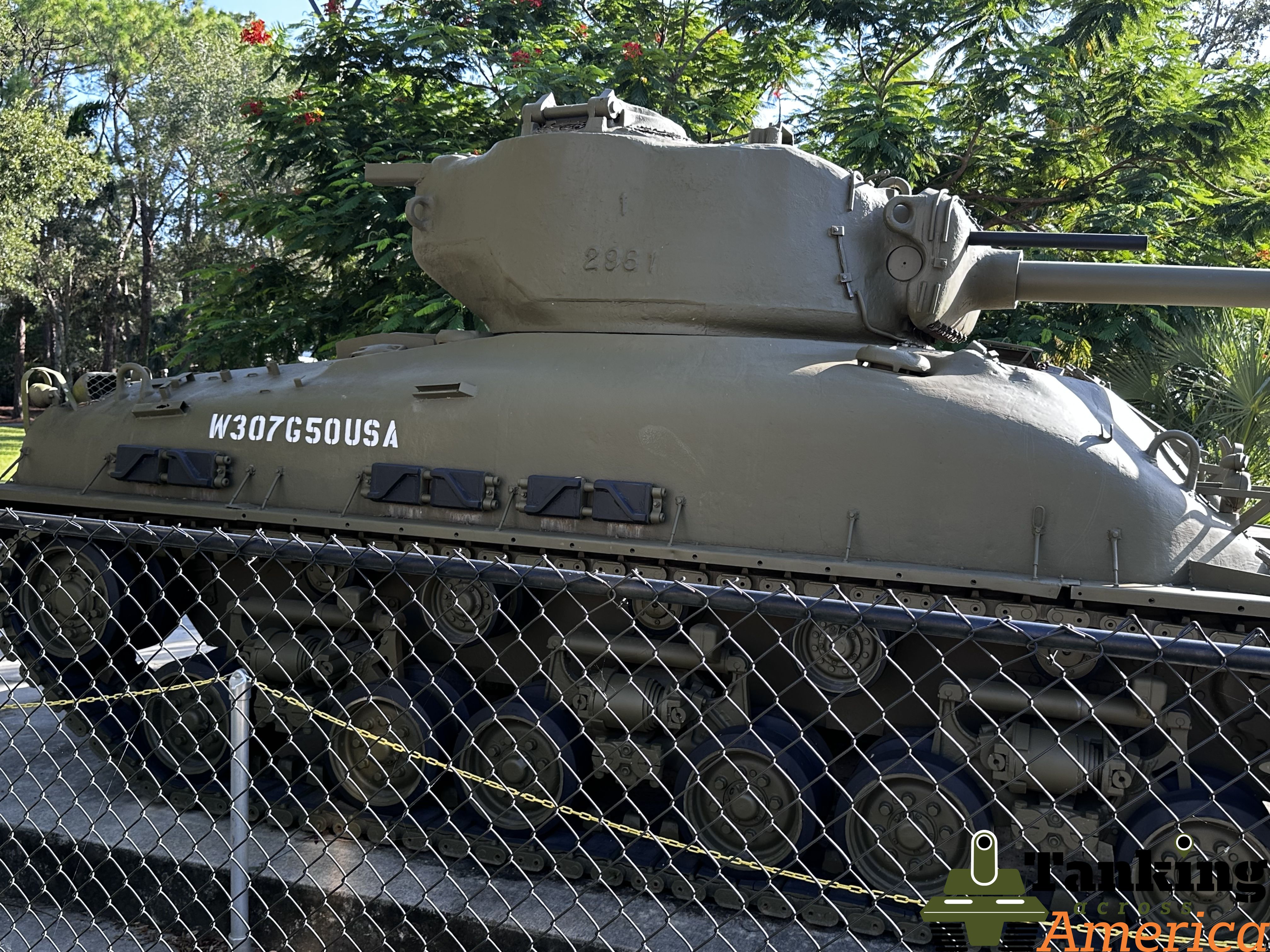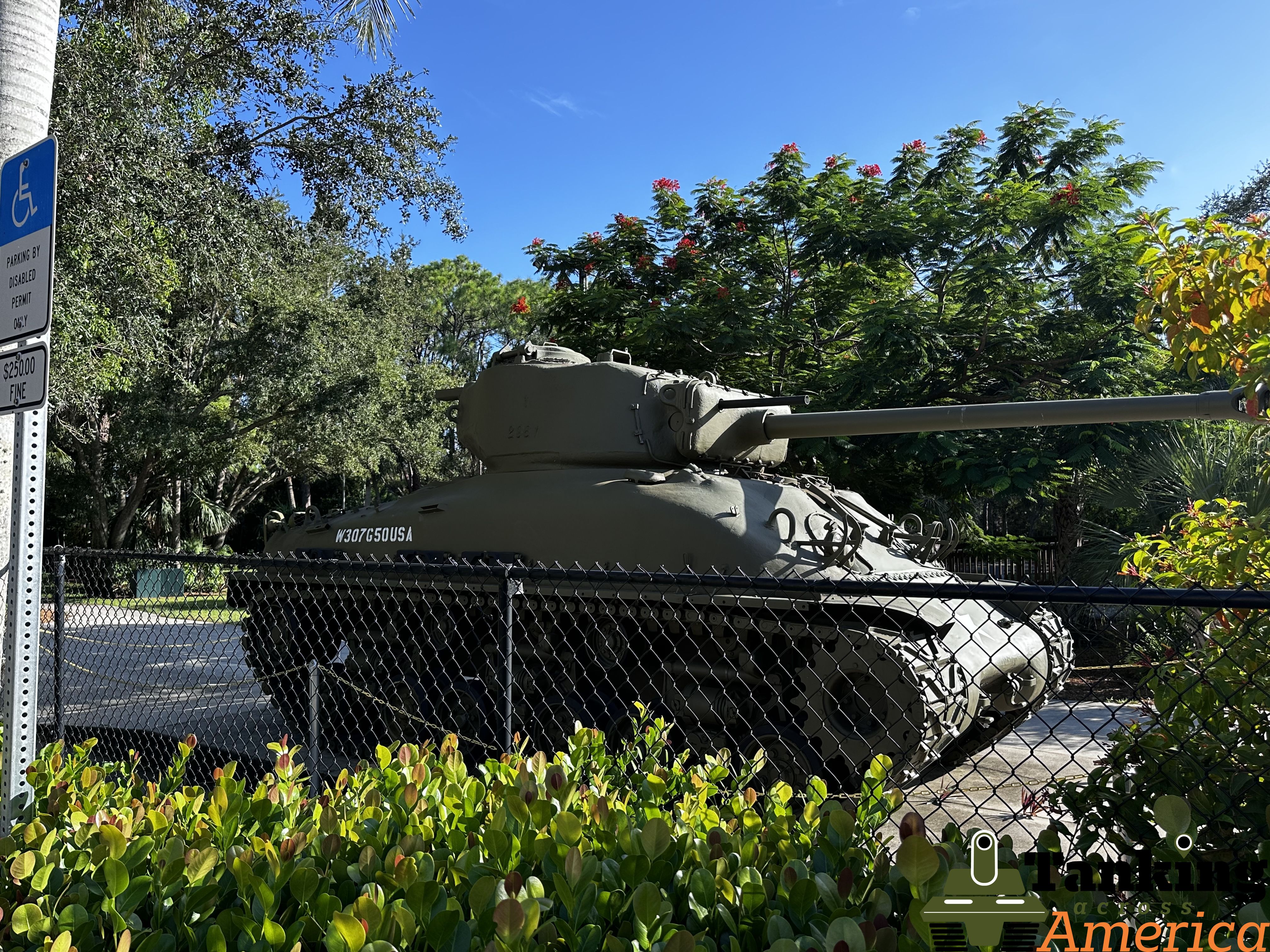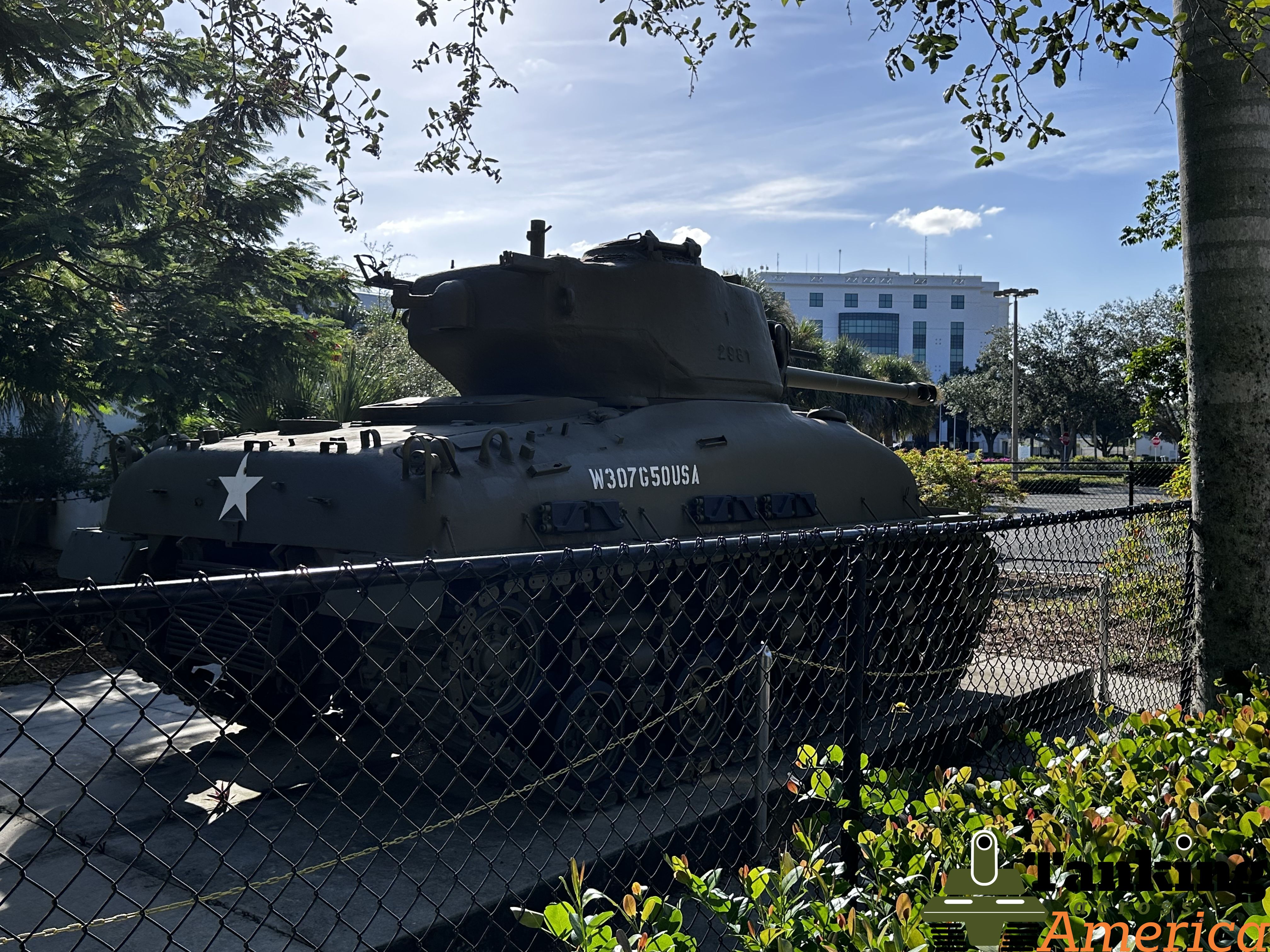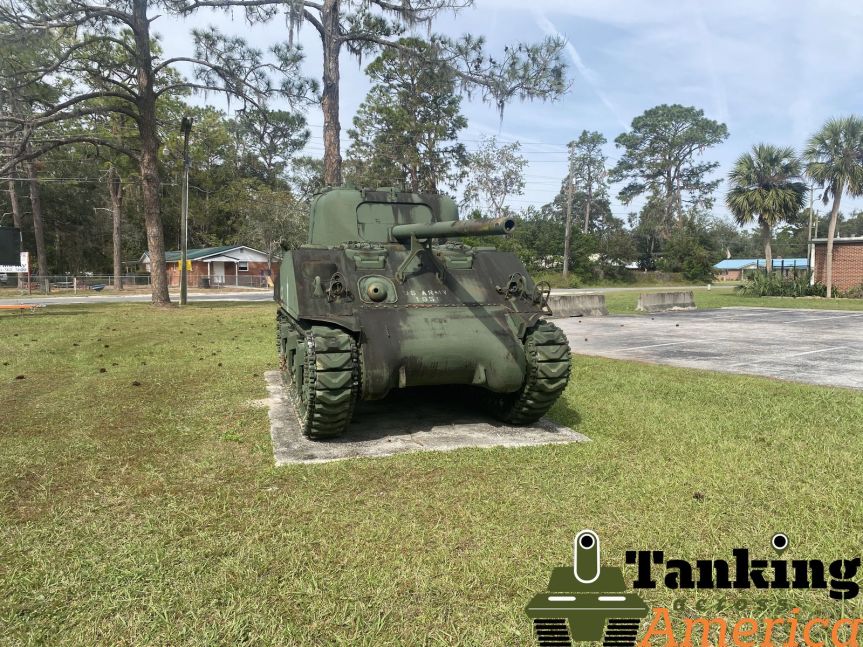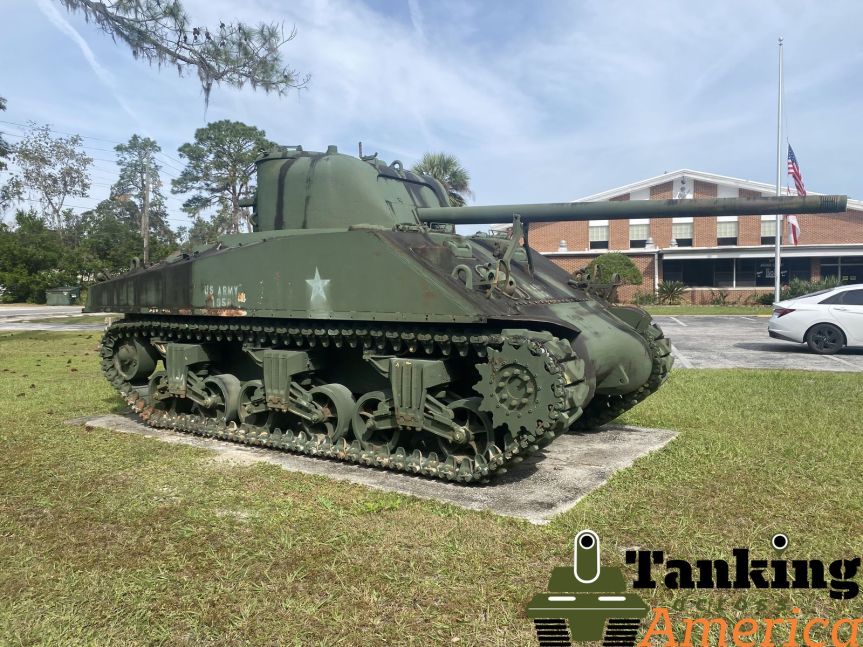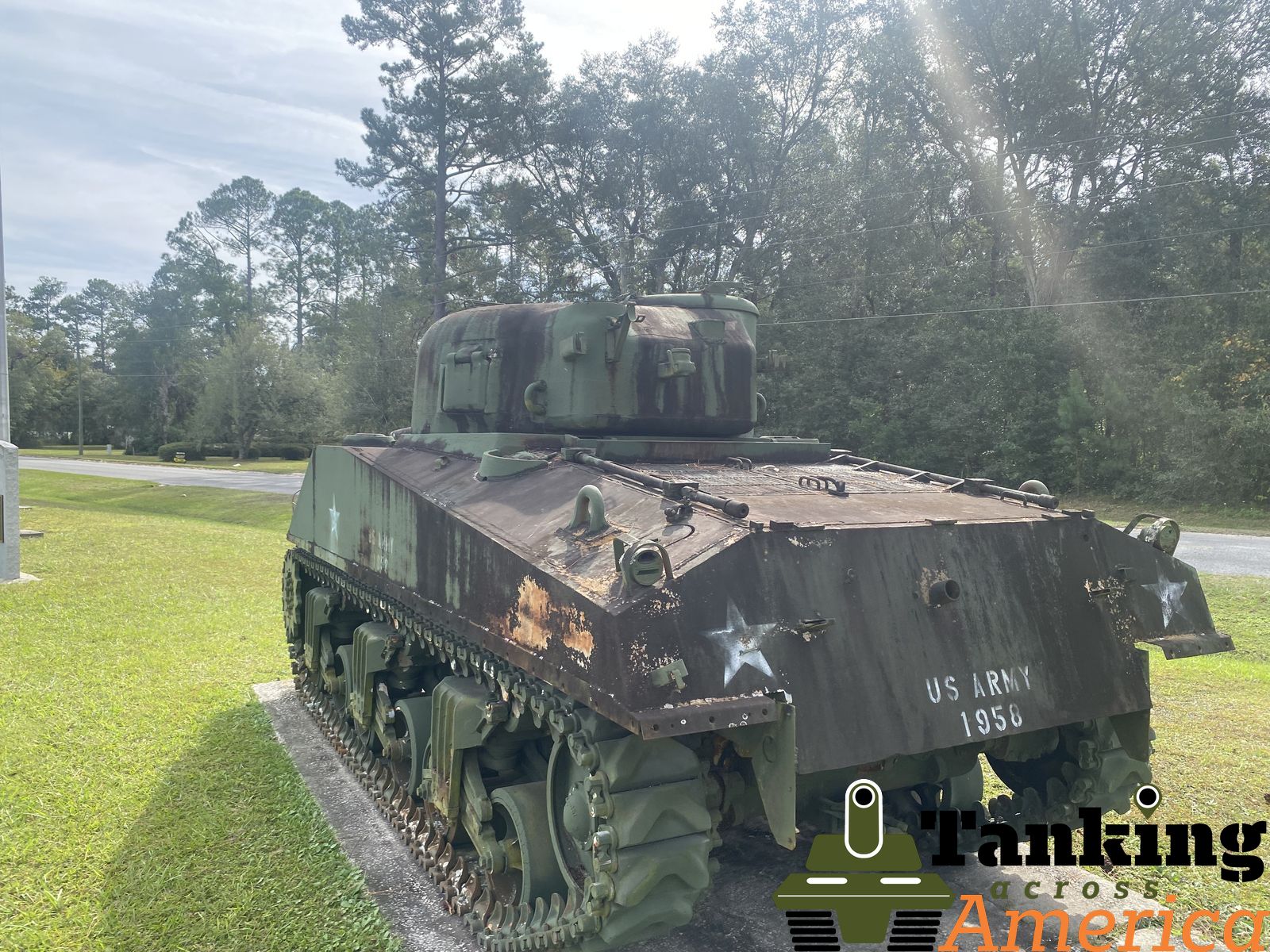
The T1 Heavy Tank: America’s Early Heavy Armor Experiment

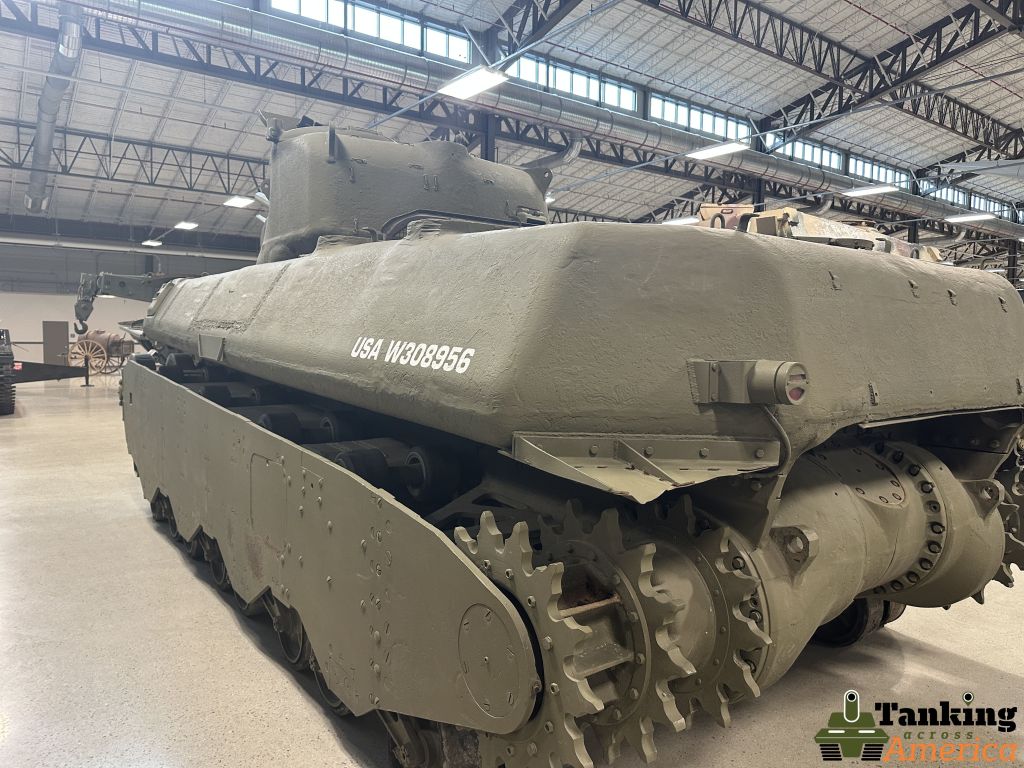
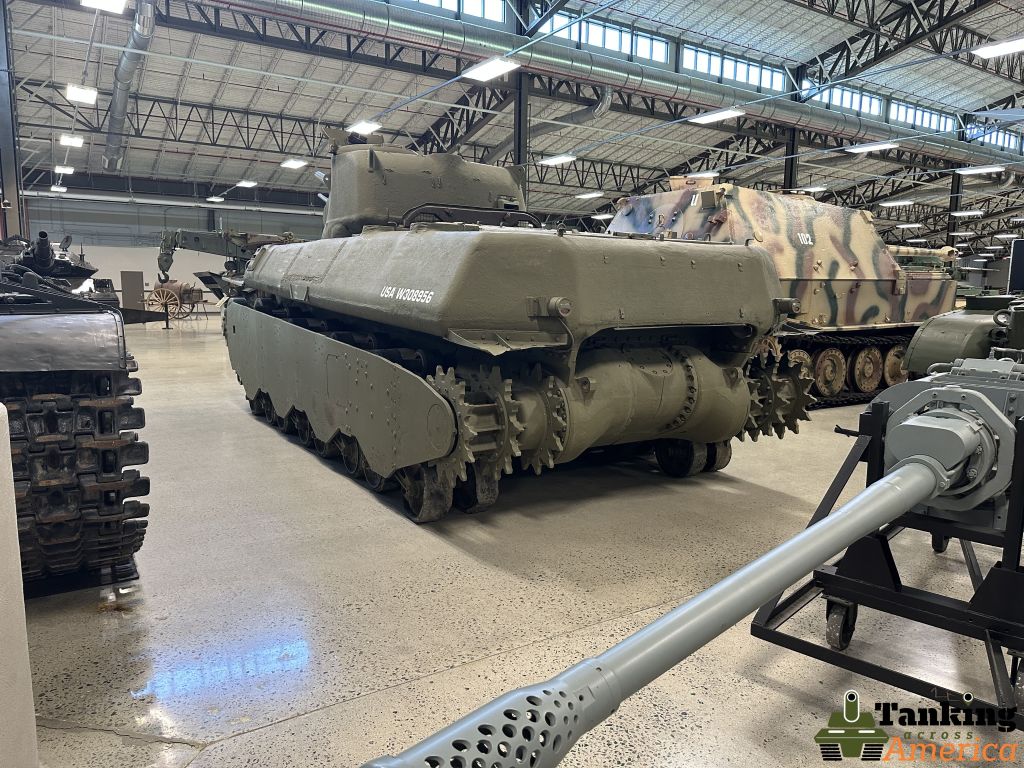
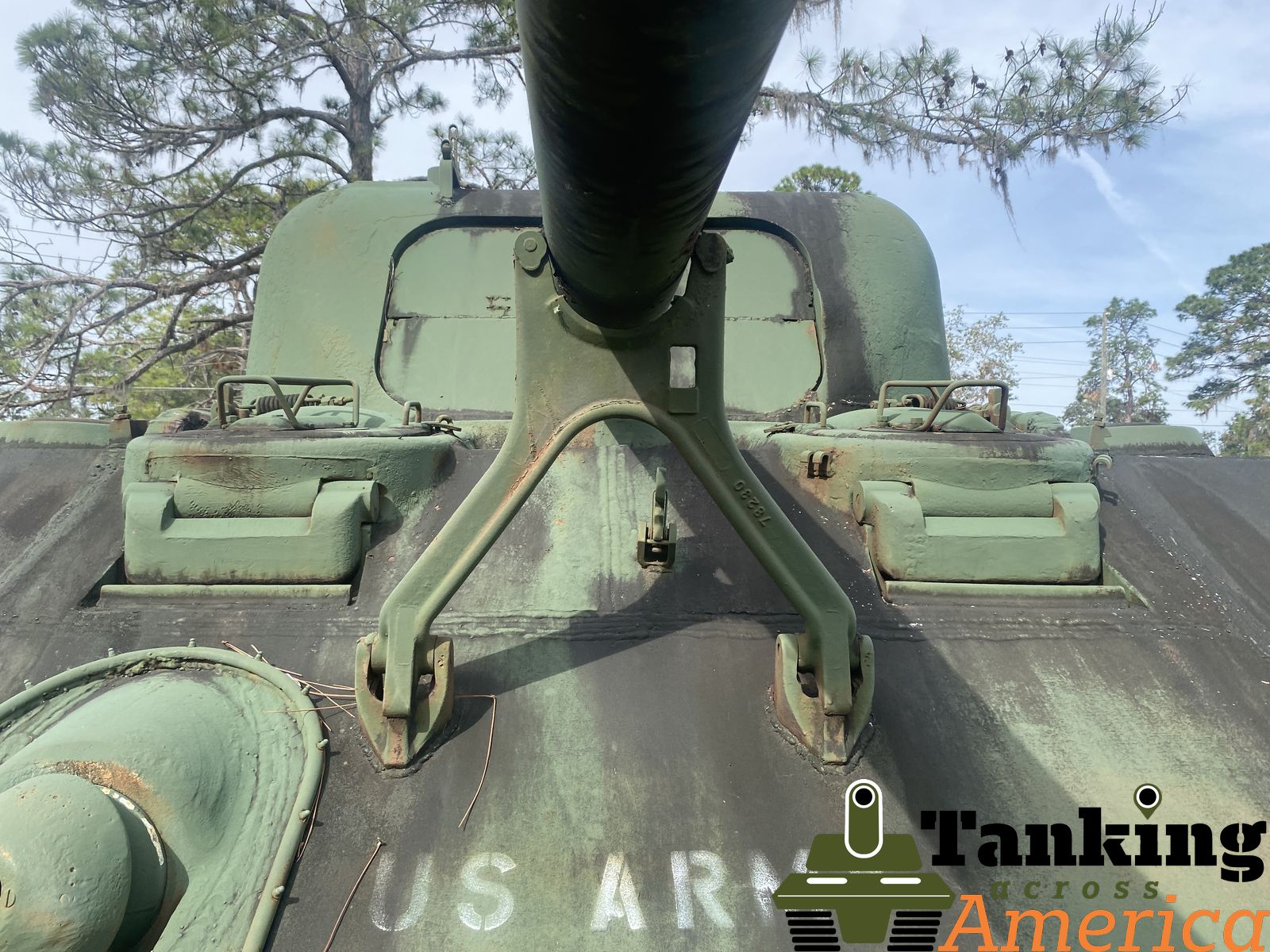
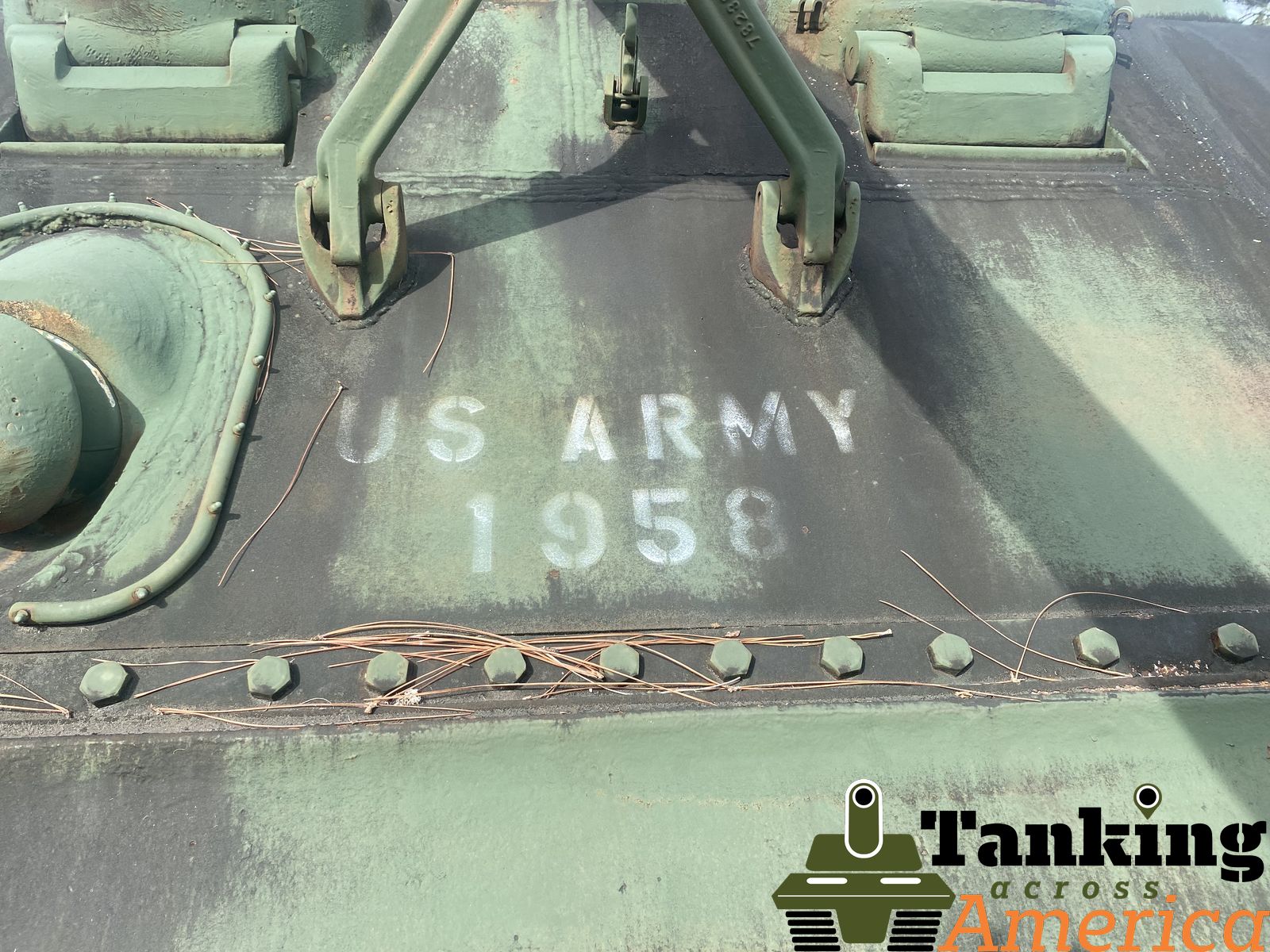
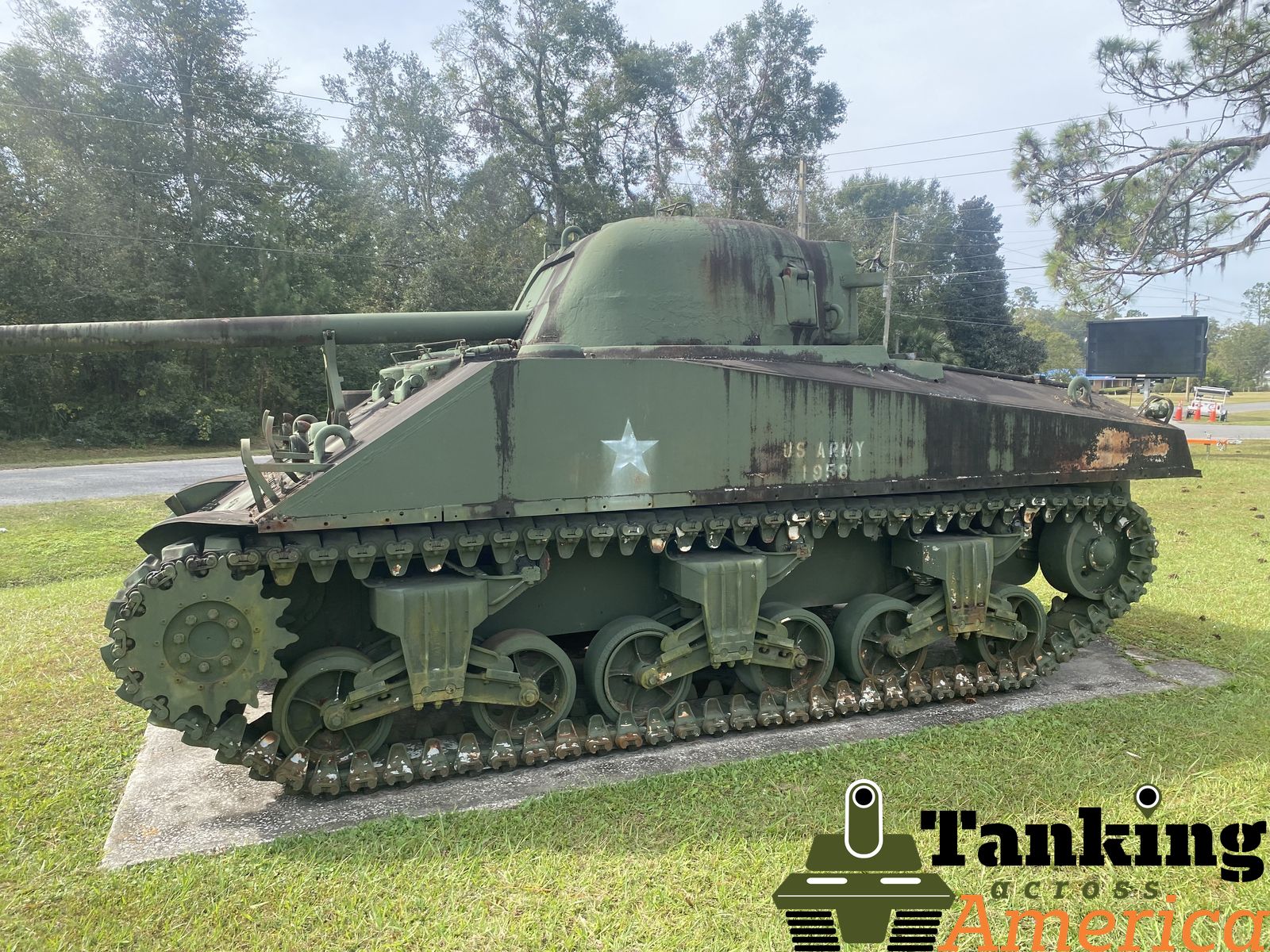
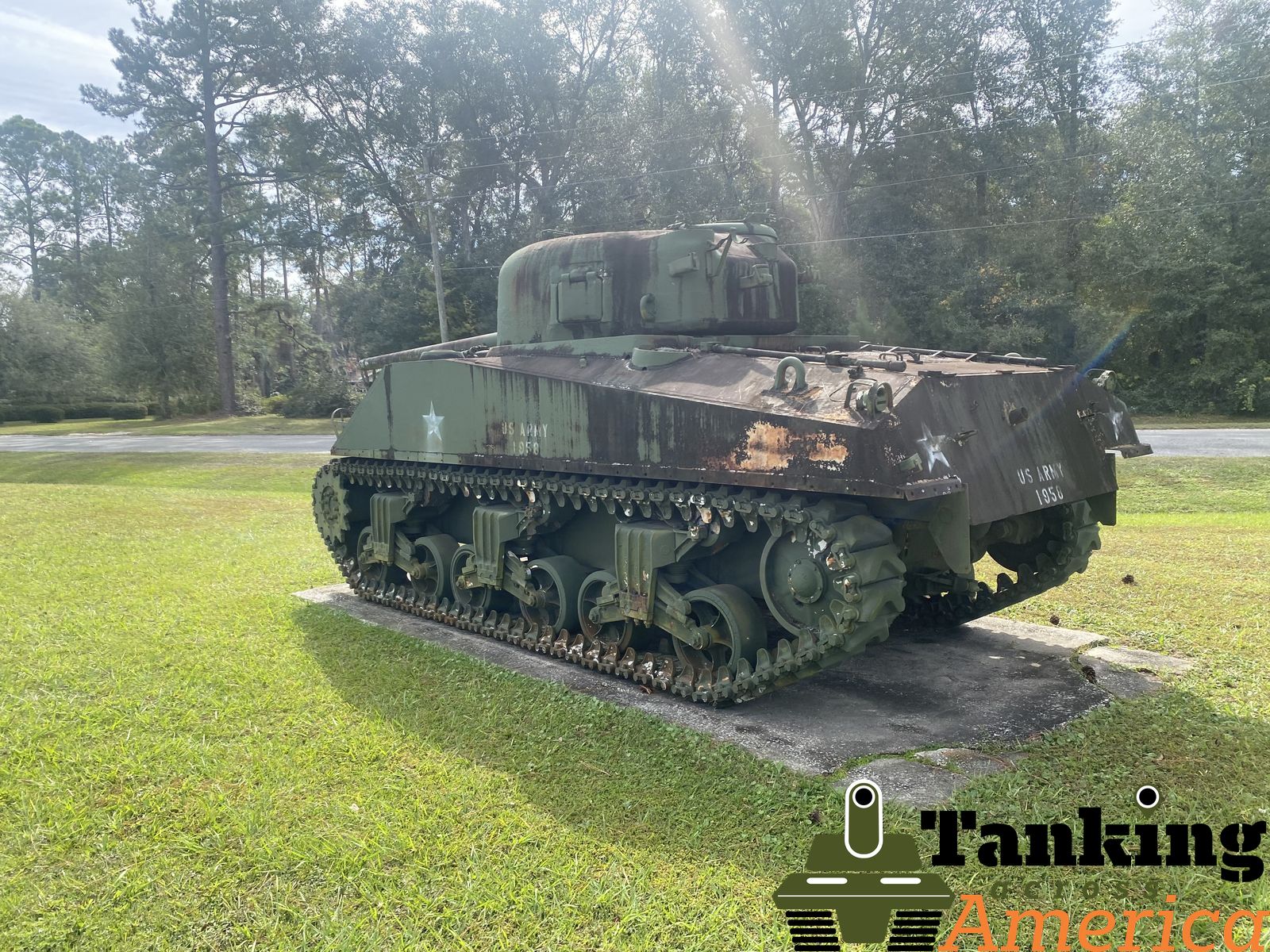
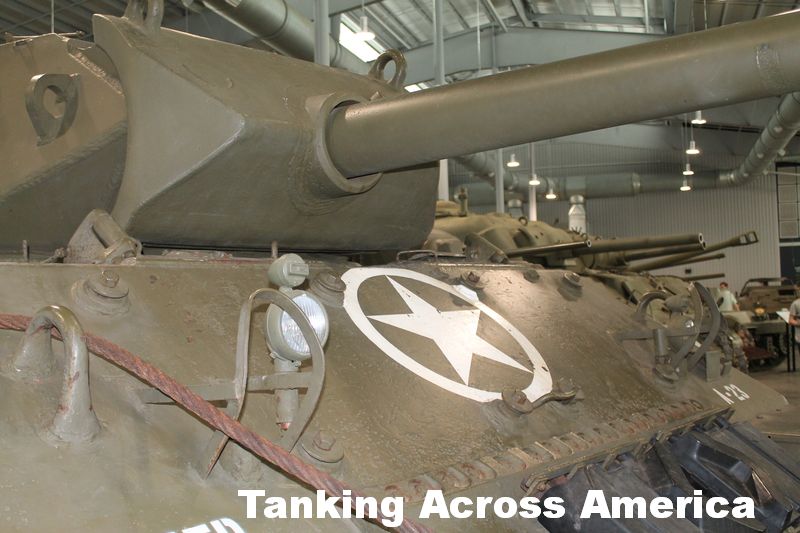
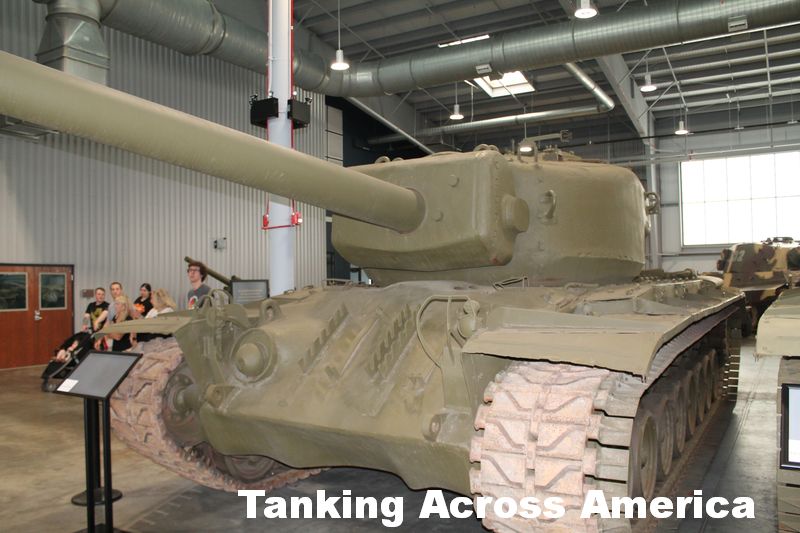
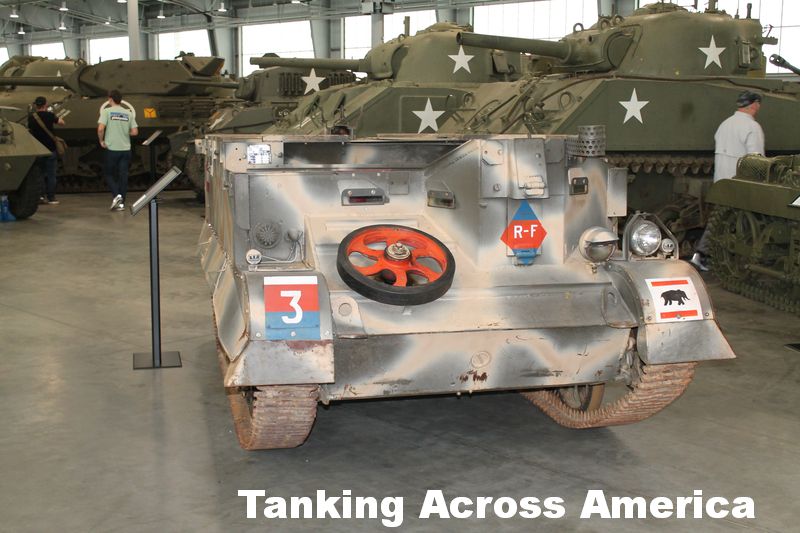
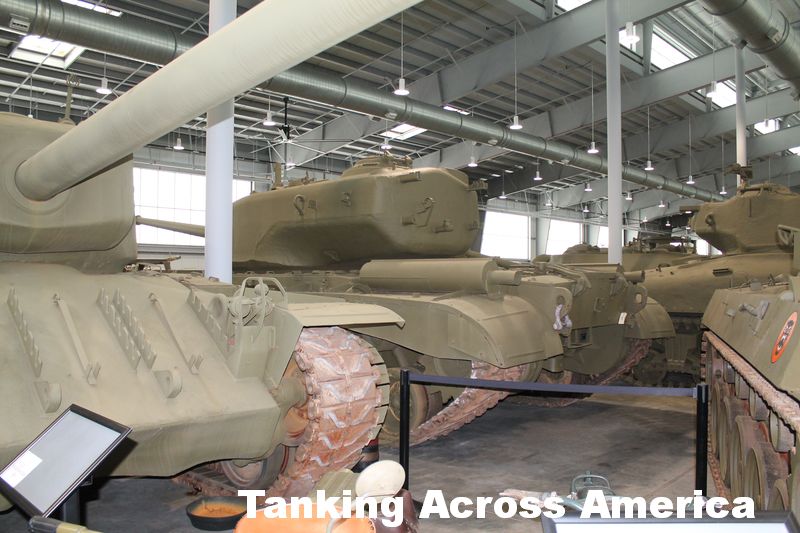
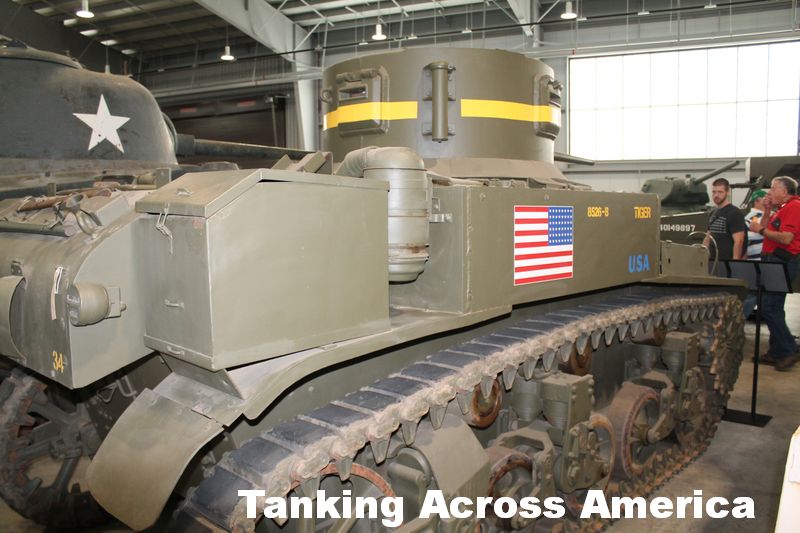
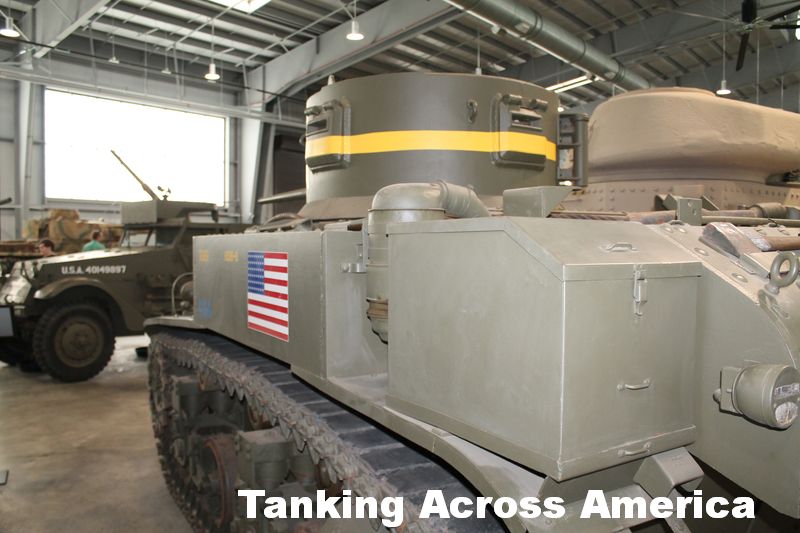
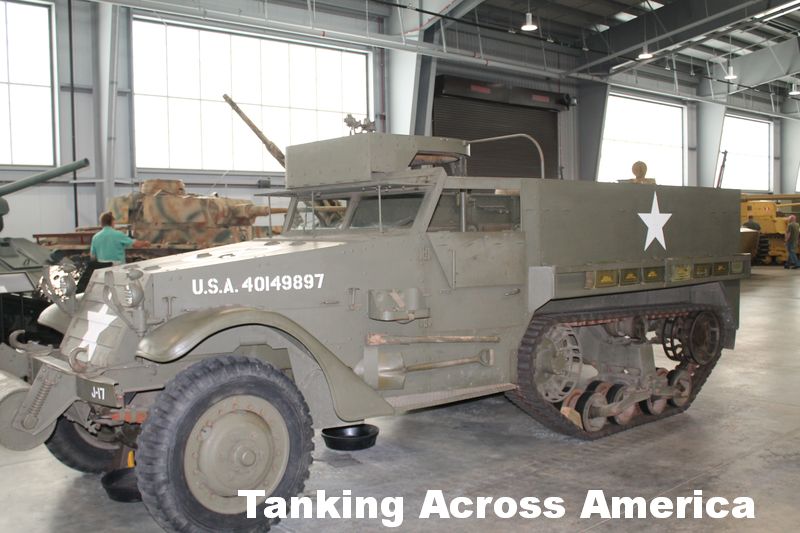
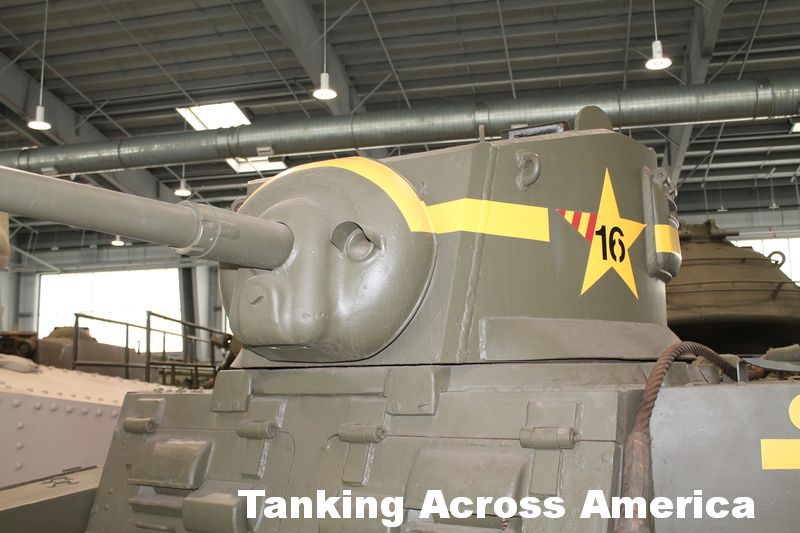
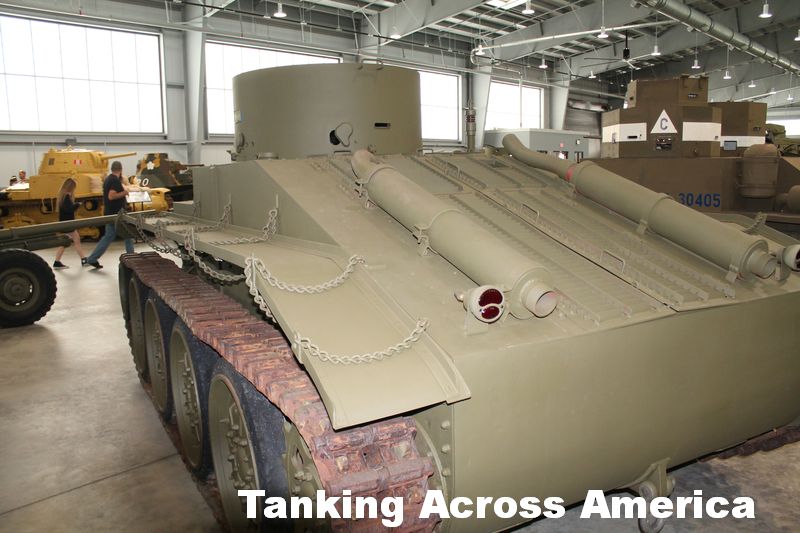
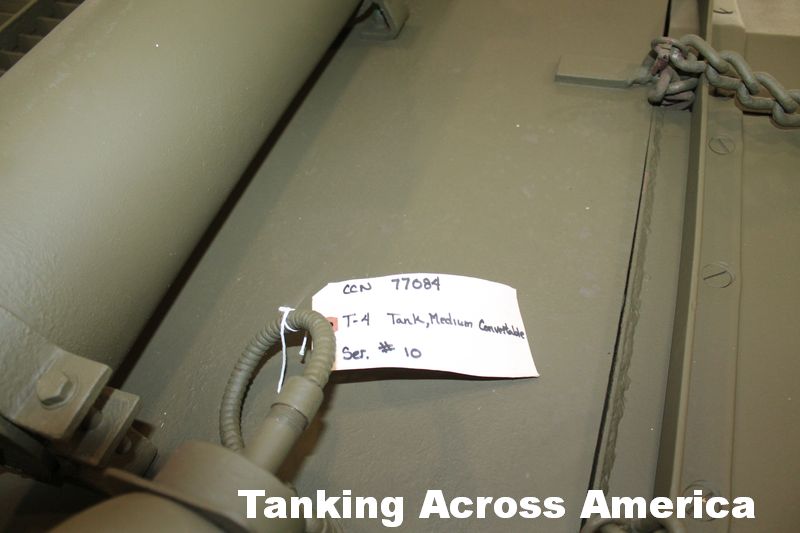
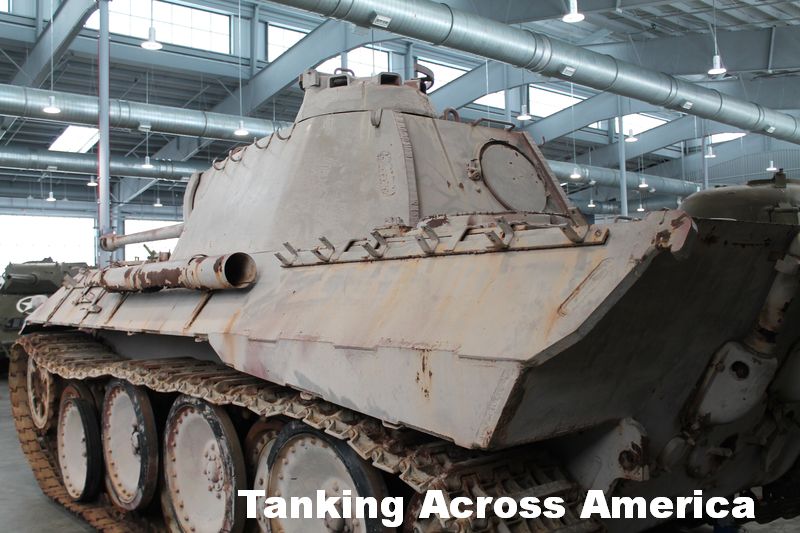
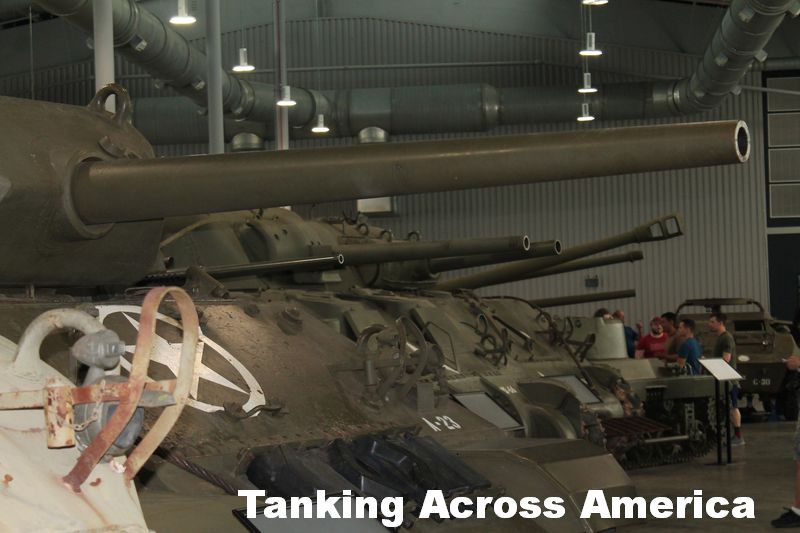
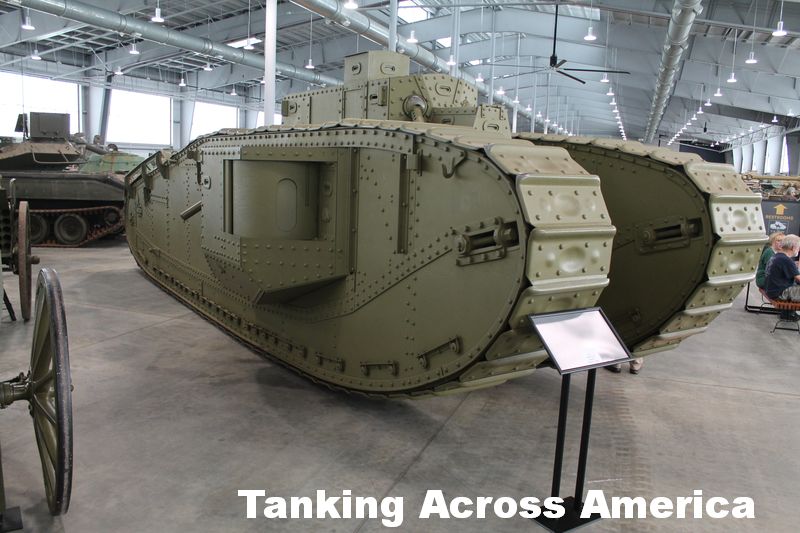
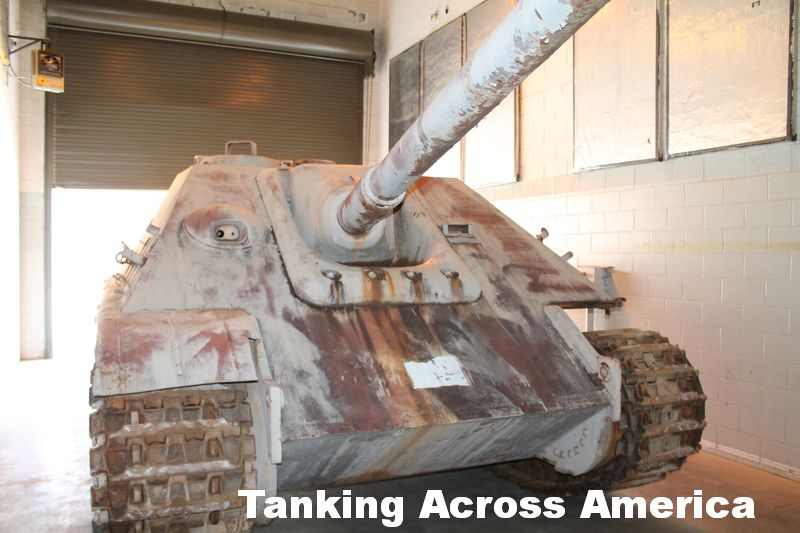
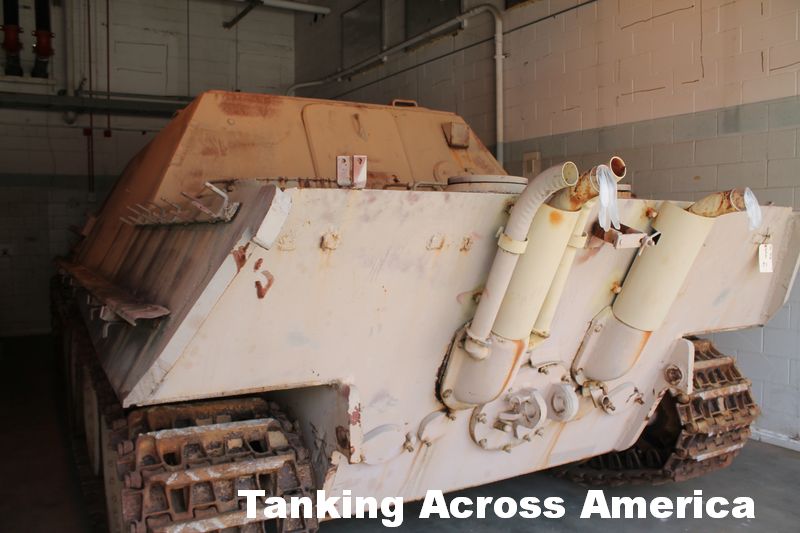
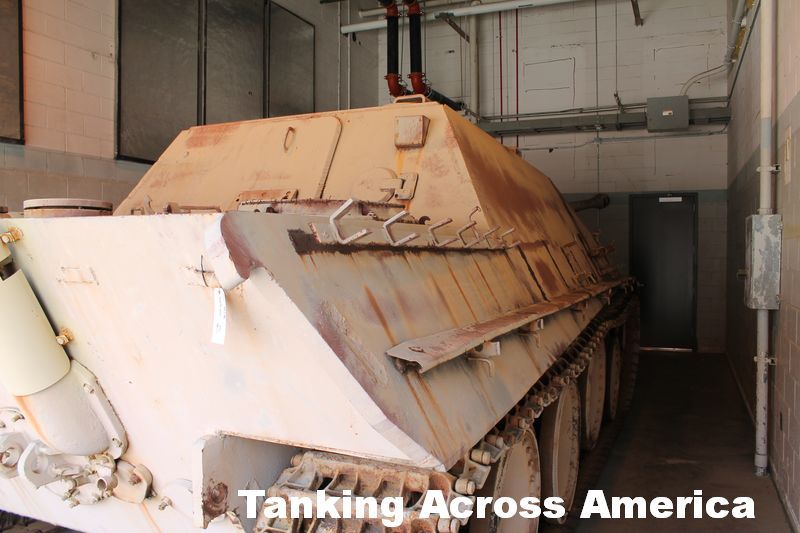
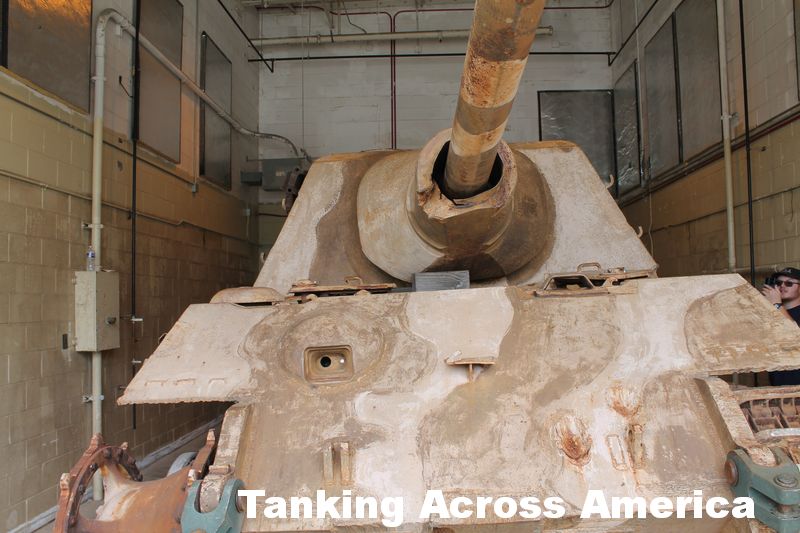
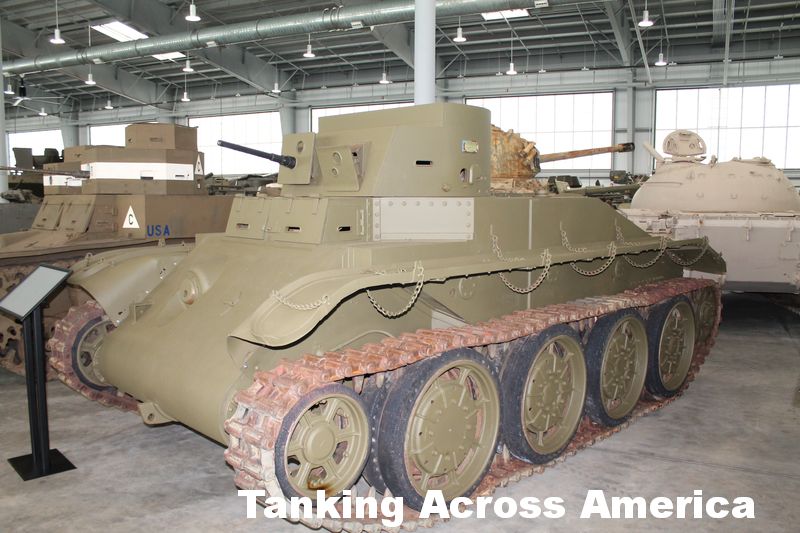
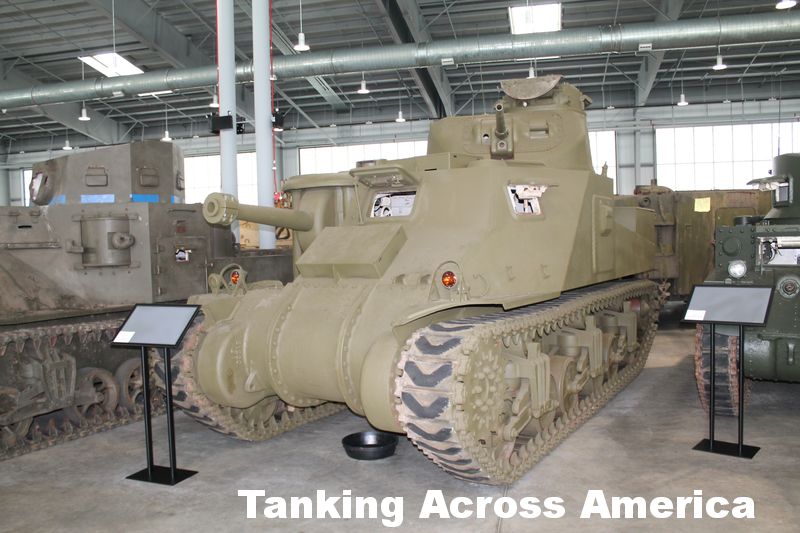
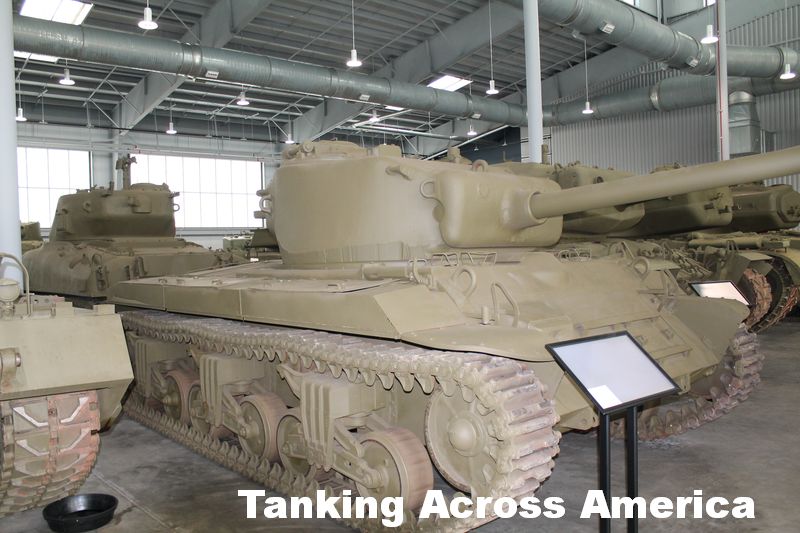
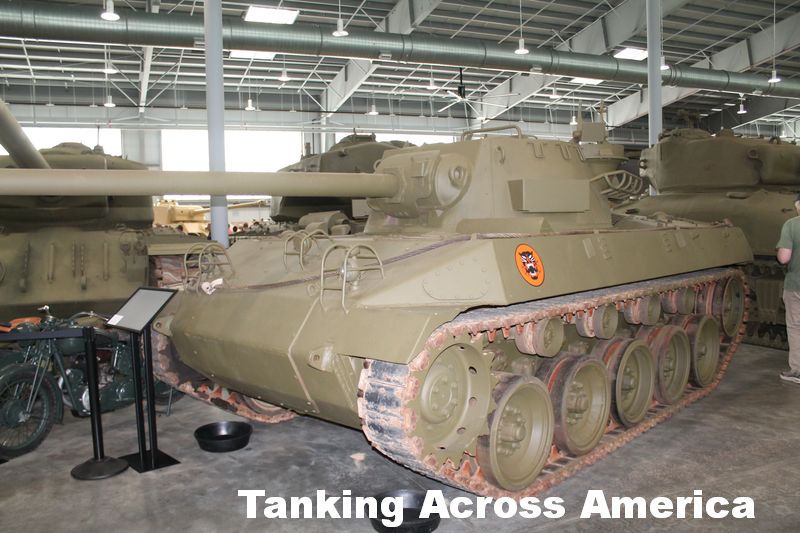
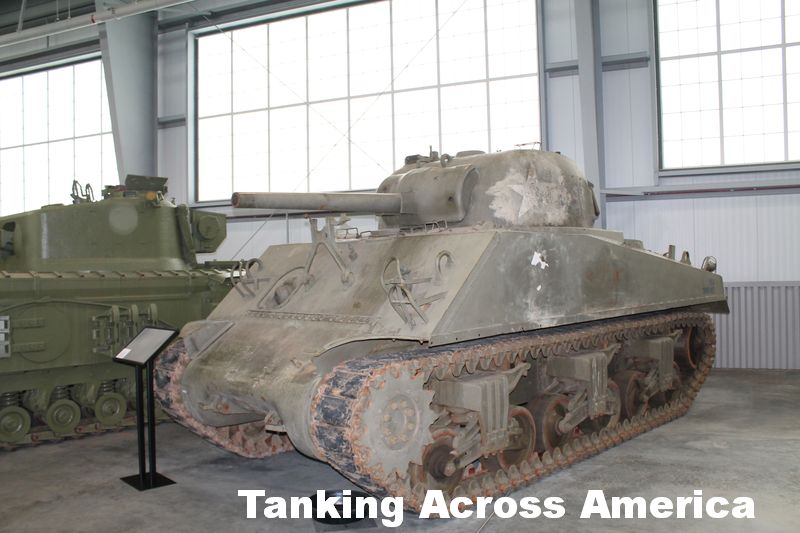
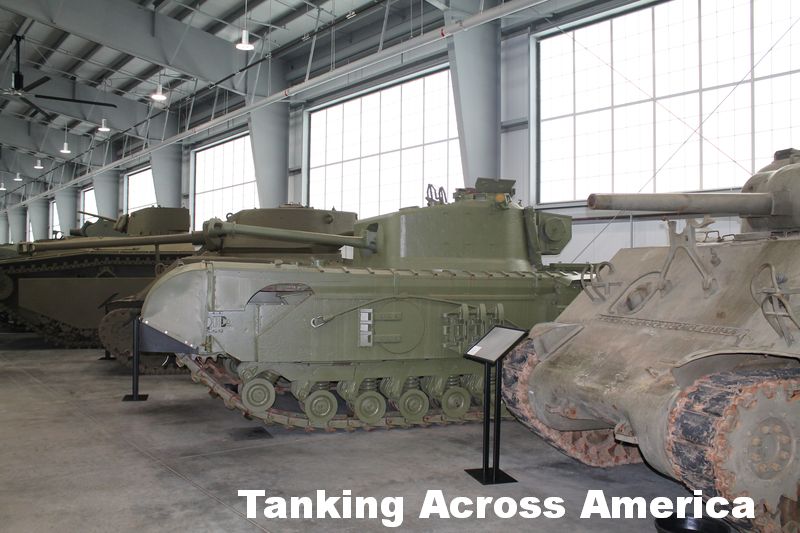
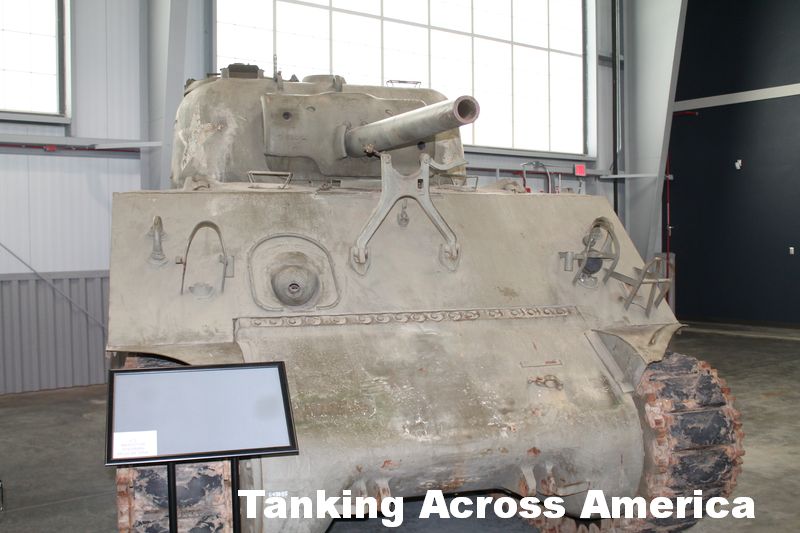
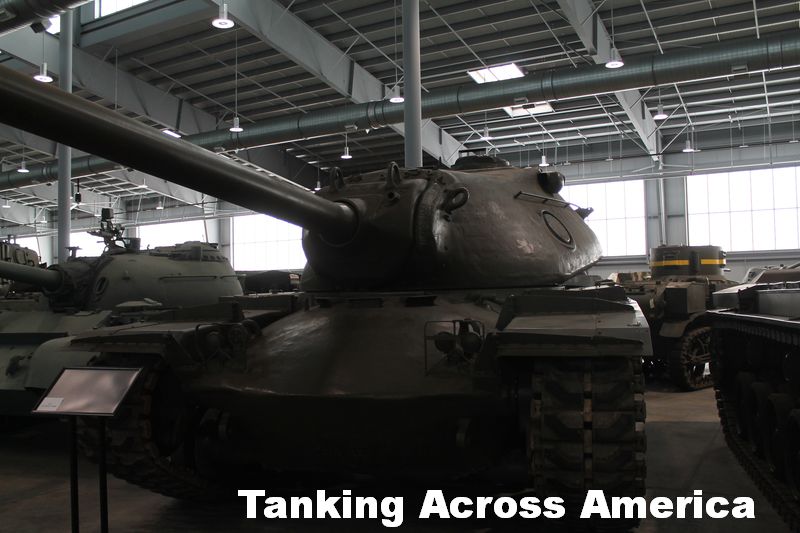
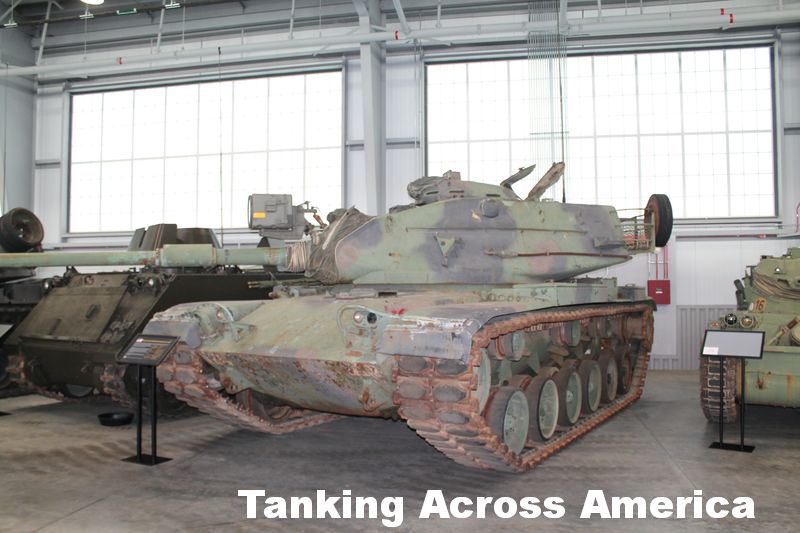
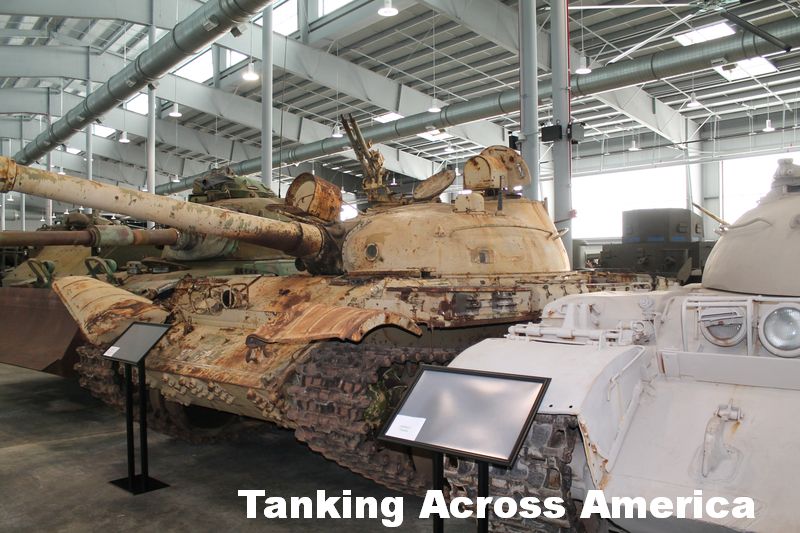
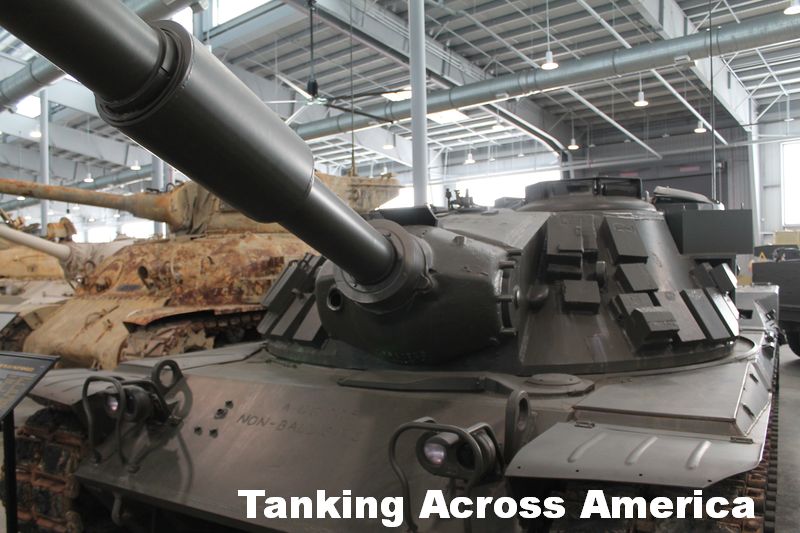
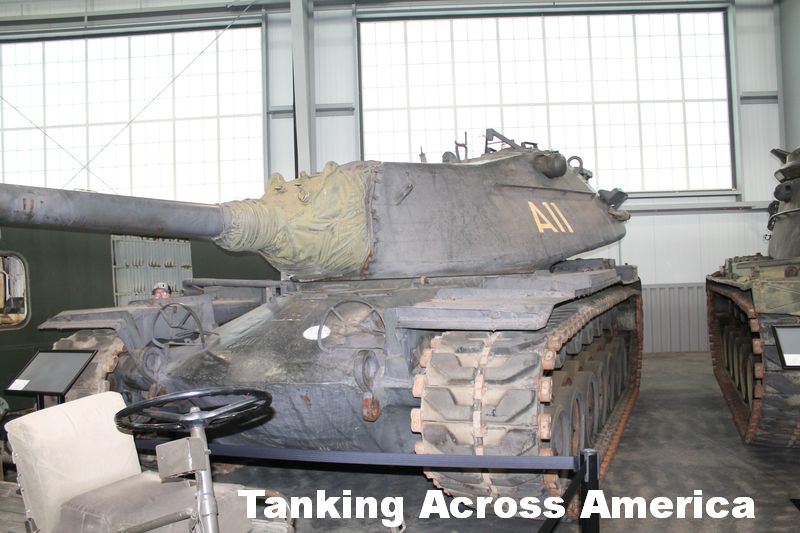
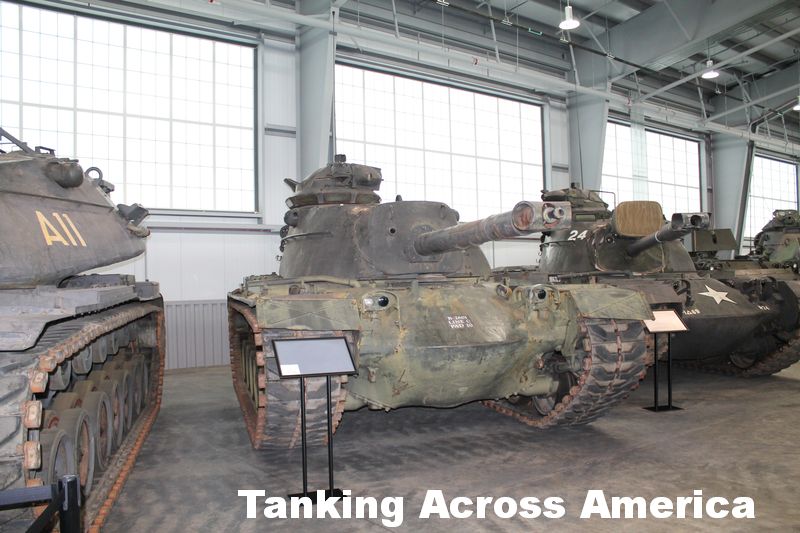
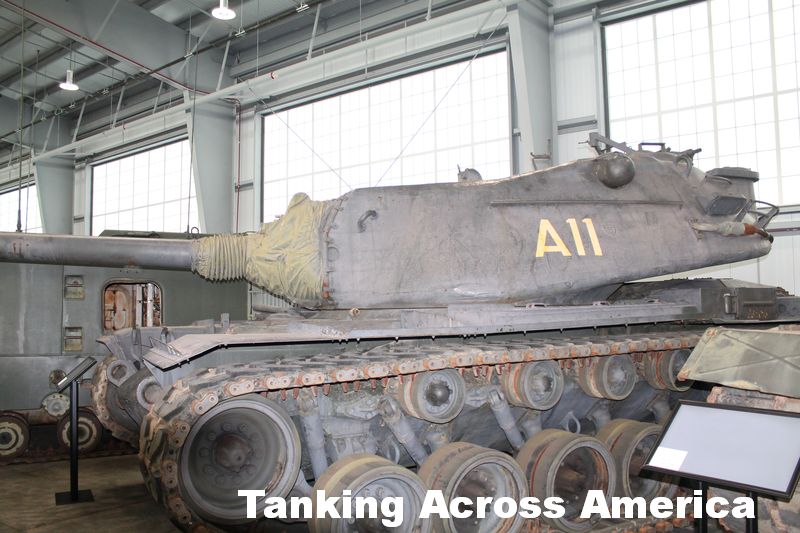
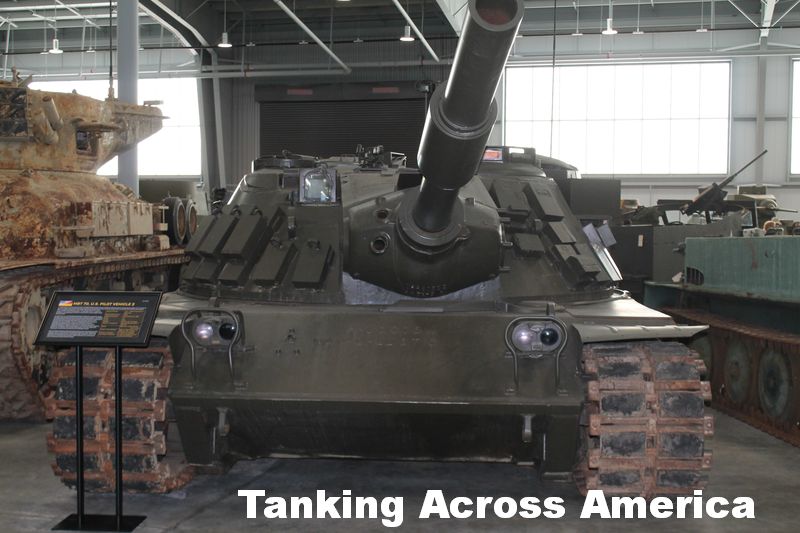
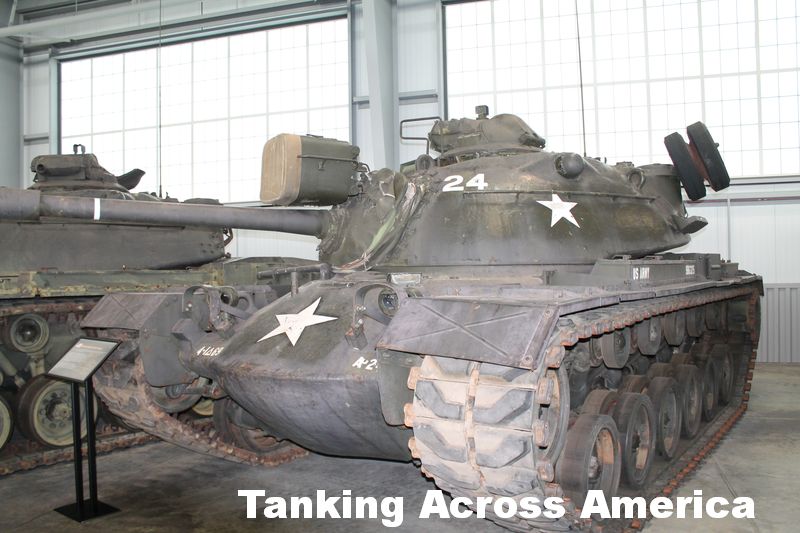
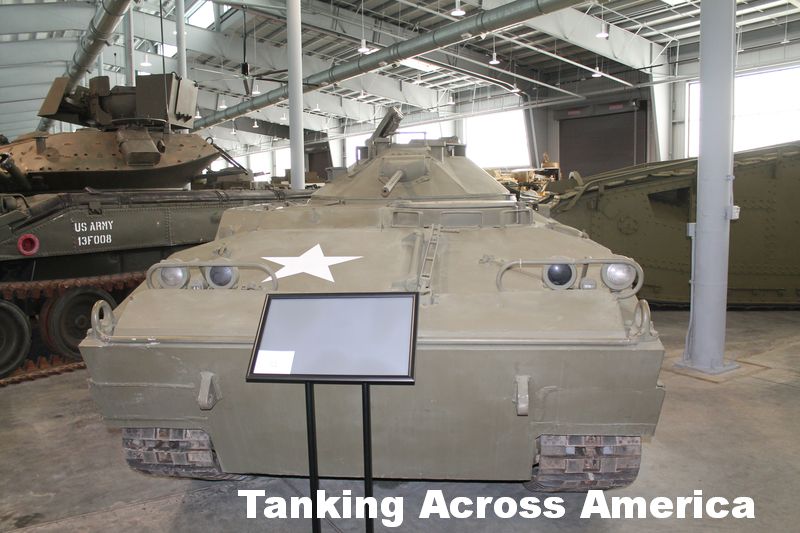
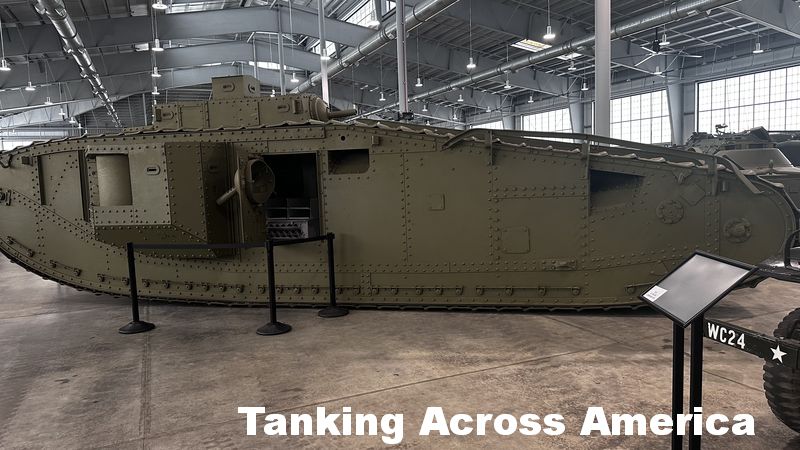
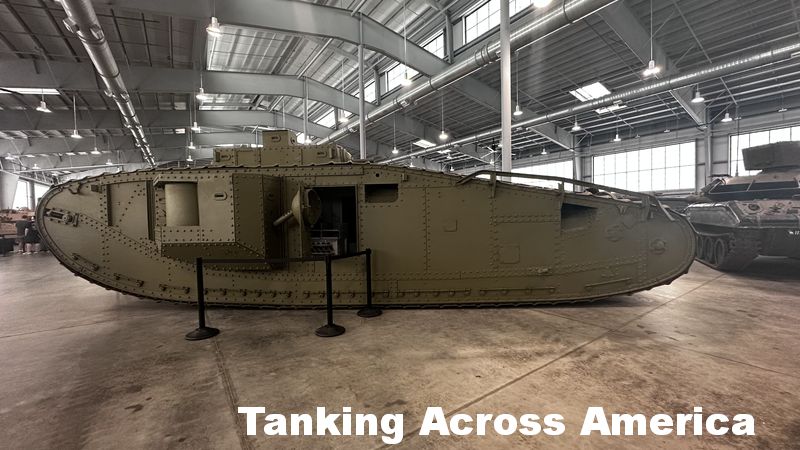
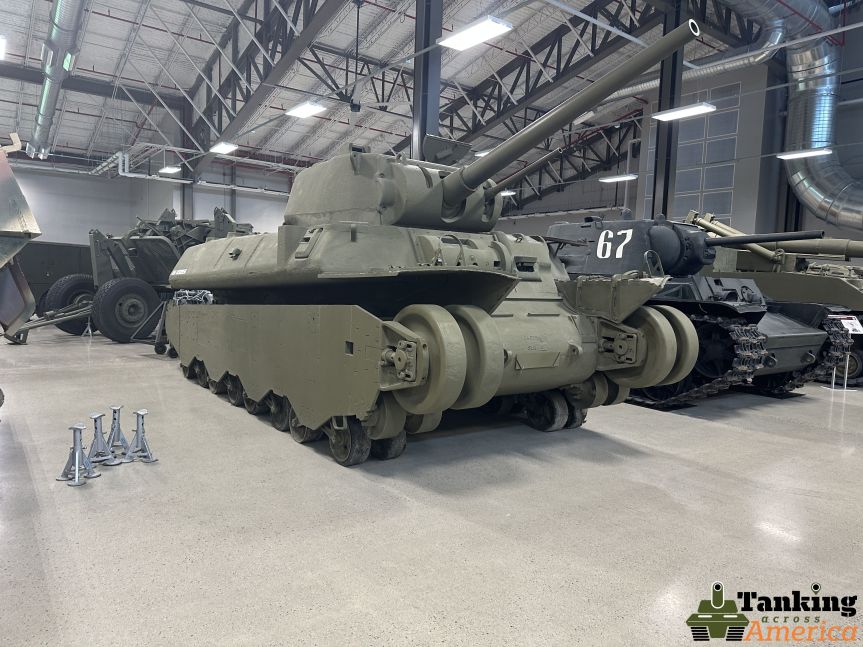
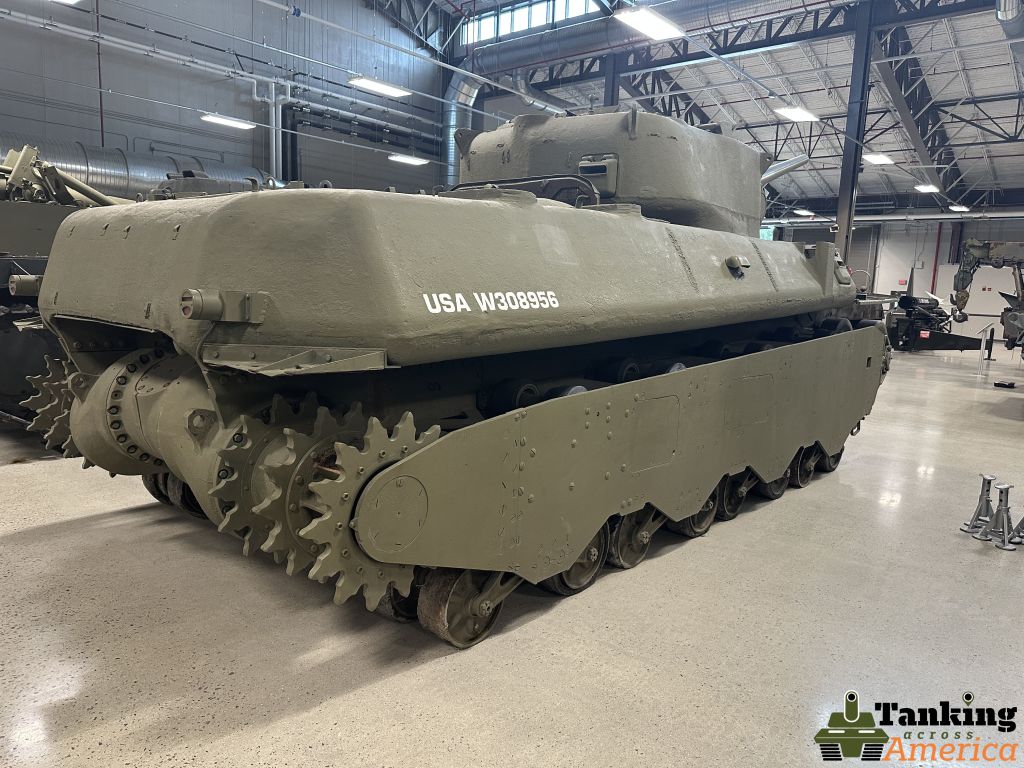
The United States Army’s Ordnance Training Support Facility, located at Fort Lee, you can find the last remaining T1 (T1E1/M6) in existence. The US Army has recently allowed for Open House events to be held the Ordnance Training Support Facility and I was able to attend the first of these.

Enjoy these photos and history. There are additional Open House days in the future so keep an eye on the Fort Lee Facebook page for details. Also, look for additional posts on the vehicles and items at the Ordnance Training Support Facility. It is quite an amazing place.

When World War II erupted in Europe, the U.S. Army recognized its existing tanks wouldn’t withstand modern battlefield threats. In response, Project T1 began in spring 1940—to produce a 50-ton “land battleship” with potent firepower and heavier armor.

Prototypes & Evolution

Several T1 variants were produced during development:

Full production plans aimed for about 5,000 units, but only around 40–45 tanks were ever built.

T1E1: Featuring an electric-drive system and later known unofficially as M6A2; approximately 2–3 units built.

T1E2 & T1E3: Hybrid models using mechanical transmissions; standardized by mid‑1942 as M6 and M6A1 respectively .

Performance & Issues

  • Engine: Powered by a Wright G‑200 radial engine producing around 825–960 hp, paired with early hydromechanical transmissions, the tank struggled to reliably move its bulk.
  • Mobility: Speeds topped out around 23–25 mph on-road. However, drivetrain reliability remained a persistent issue.
  • Crew: Between 6 and 7 men were needed to manage its heavy weapons and systems efficiently.

Legacy & Historical Importance

Though never deployed in battle, the T1 program provided invaluable lessons—and set the stage for improved heavy‑tank designs like the M26 Pershing, which finally saw service in WWII’s final months.

Summary Table

FeatureSpecification
Weight~50 tons
ArmorUp to 83 mm
Armament76 mm + 37 mm guns, MGs
Crew6–7 men
Engine Power~825–960 hp
Top Speed≈ 23–25 mph
Production Quantity~40–45 units
Combat UseNone

Final Thoughts

The T1 Heavy Tank exemplifies a bold chapter in U.S. armored vehicle development—a bridging design between grandiose interwar ideals and pragmatic wartime production realities. Though overshadowed by more famous armored vehicles, it deserves recognition for pushing tank engineering forward. For enthusiasts and historians alike, the T1/M6 remains a testament to ambition, design evolution, and the lessons hard‑learned on the path to modern mobile warfare.

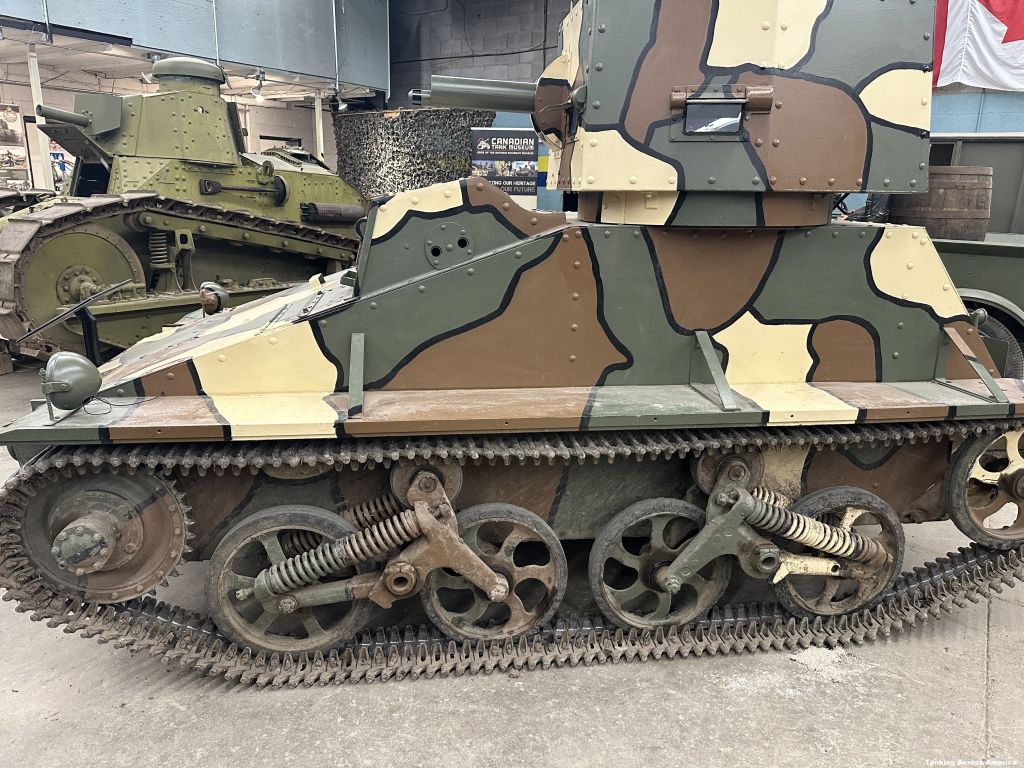
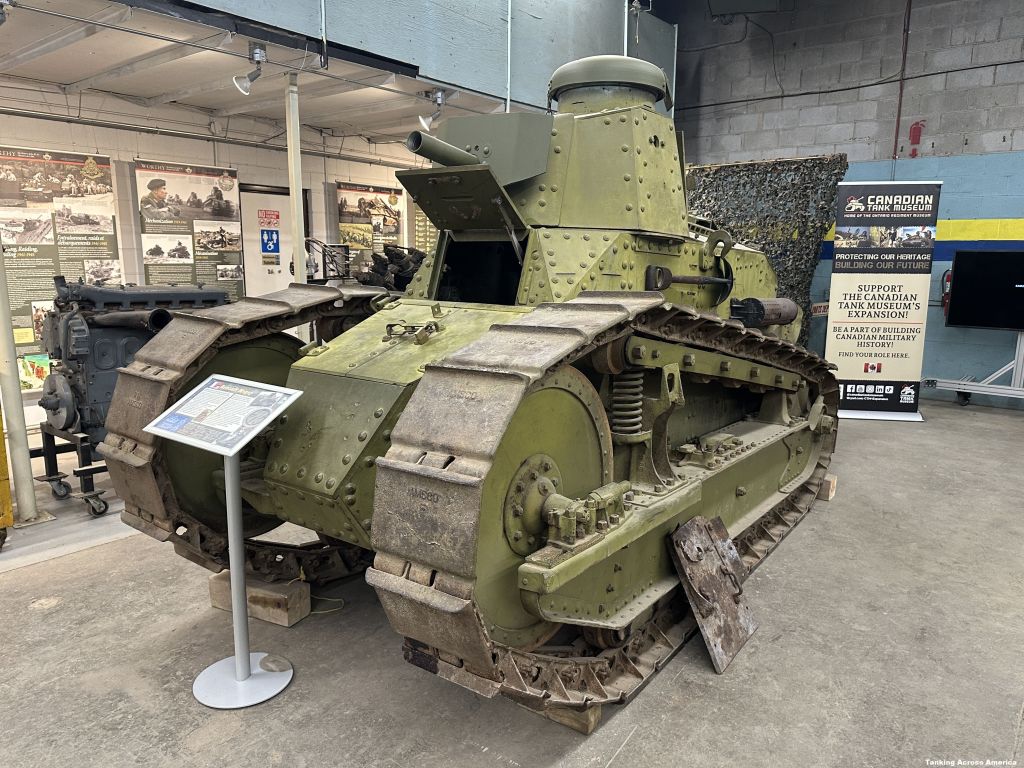
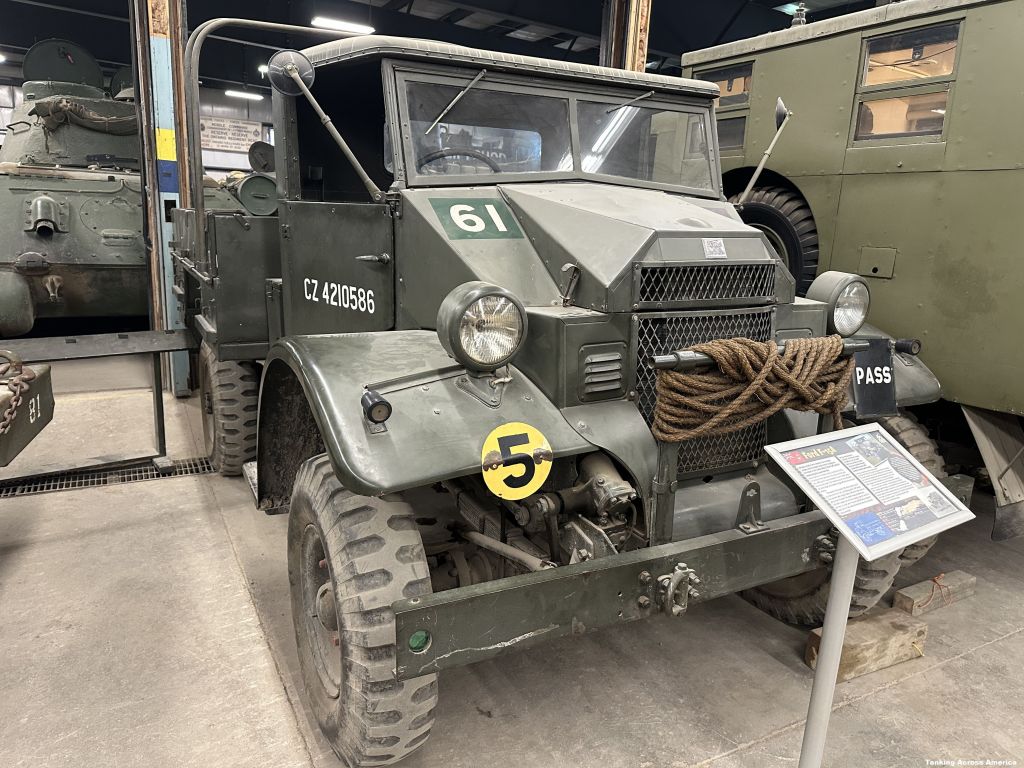
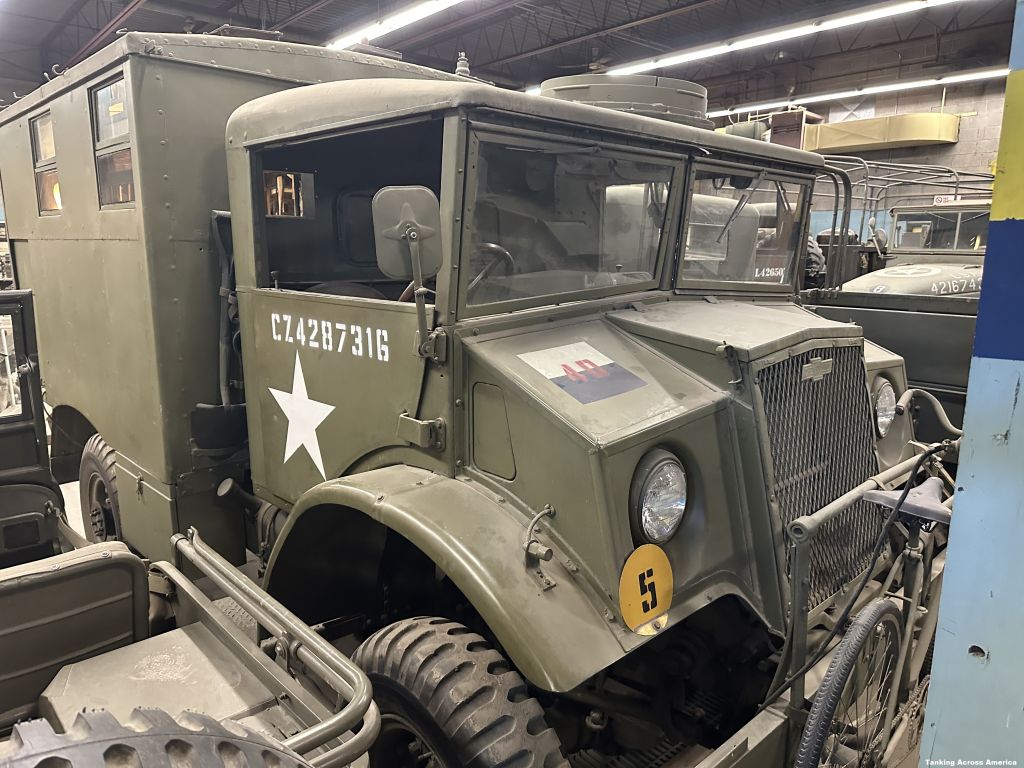
Welcome to the Canadian Tank Museum: Oshawa’s Living Armour Legacy

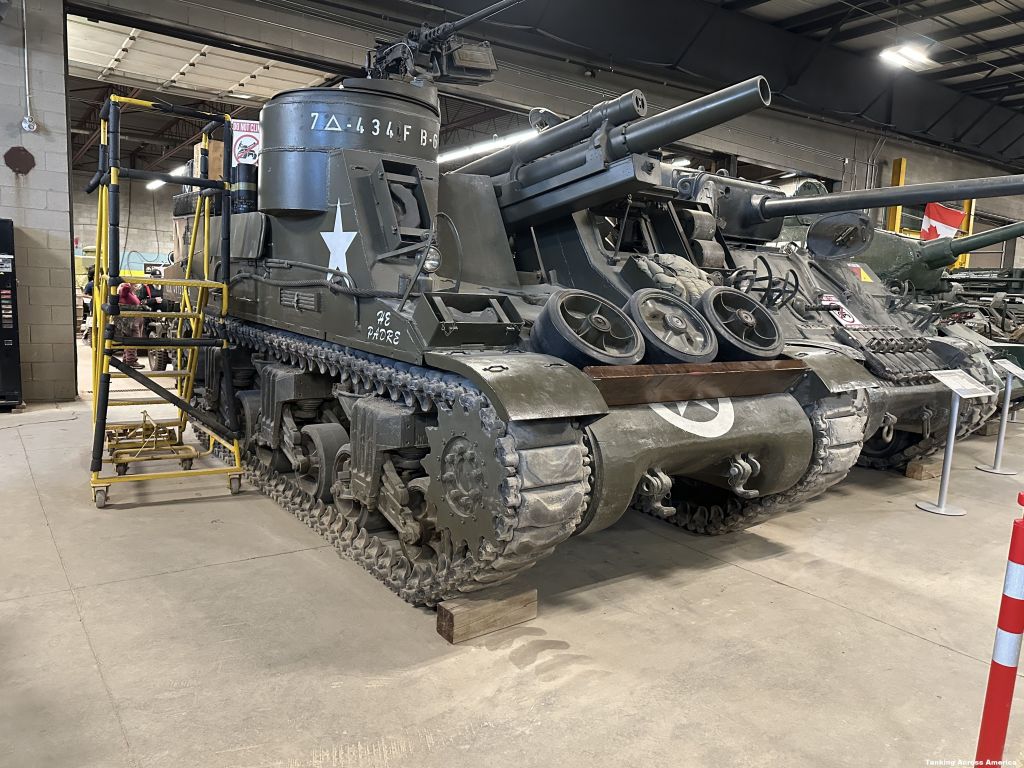
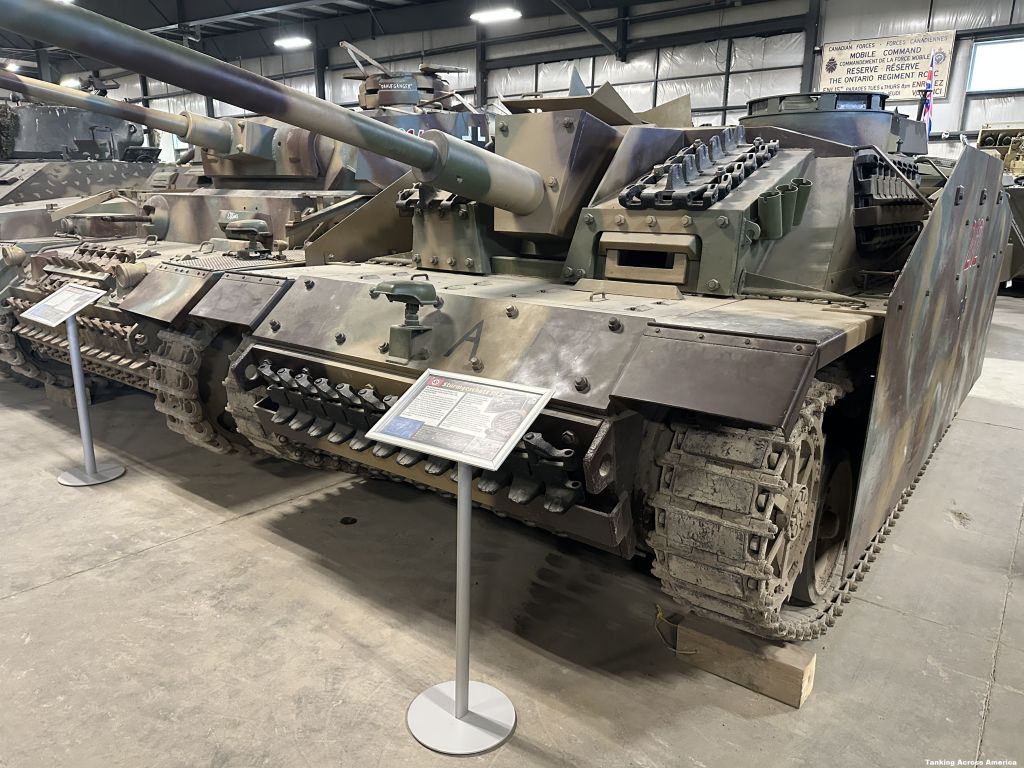
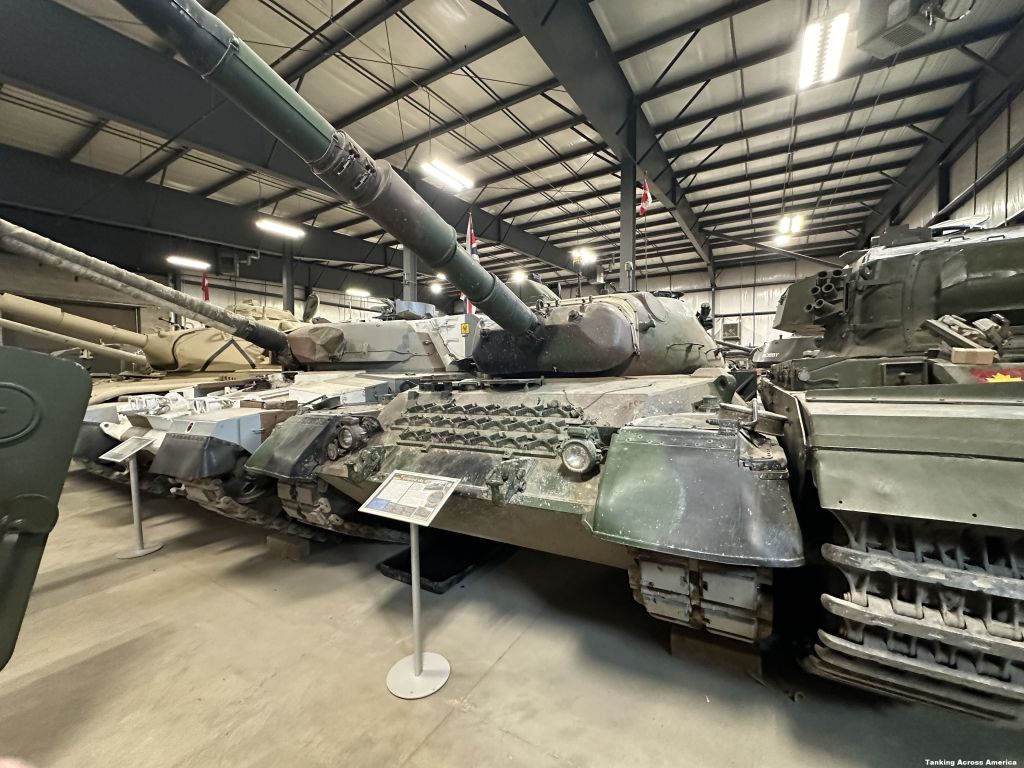
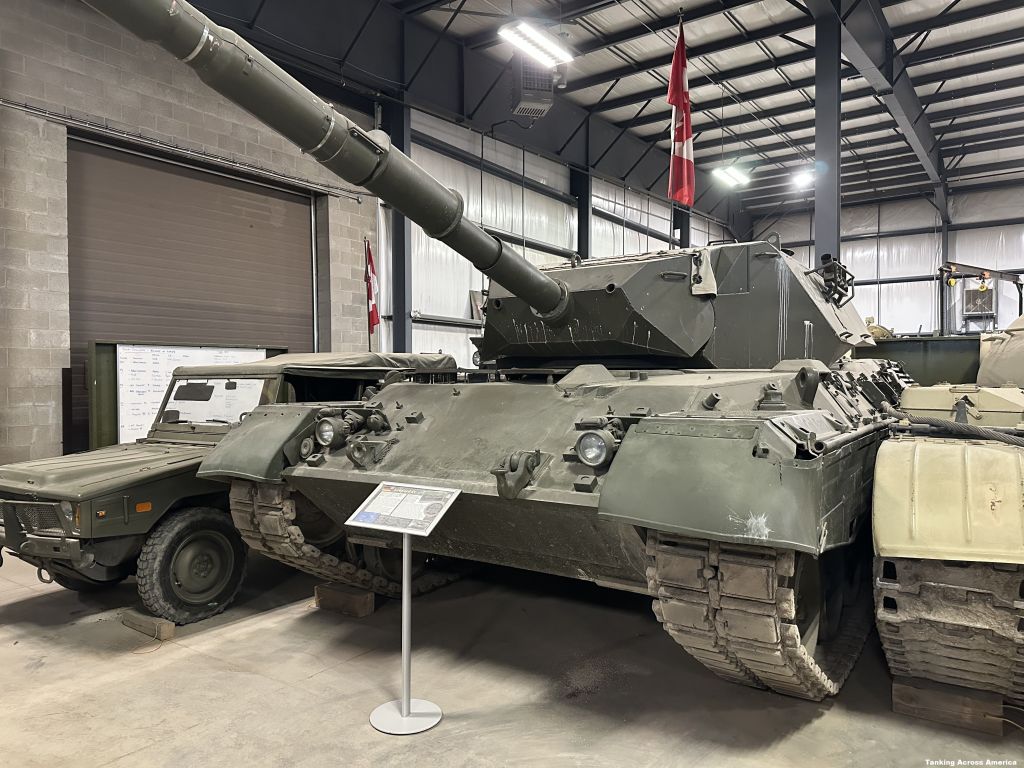
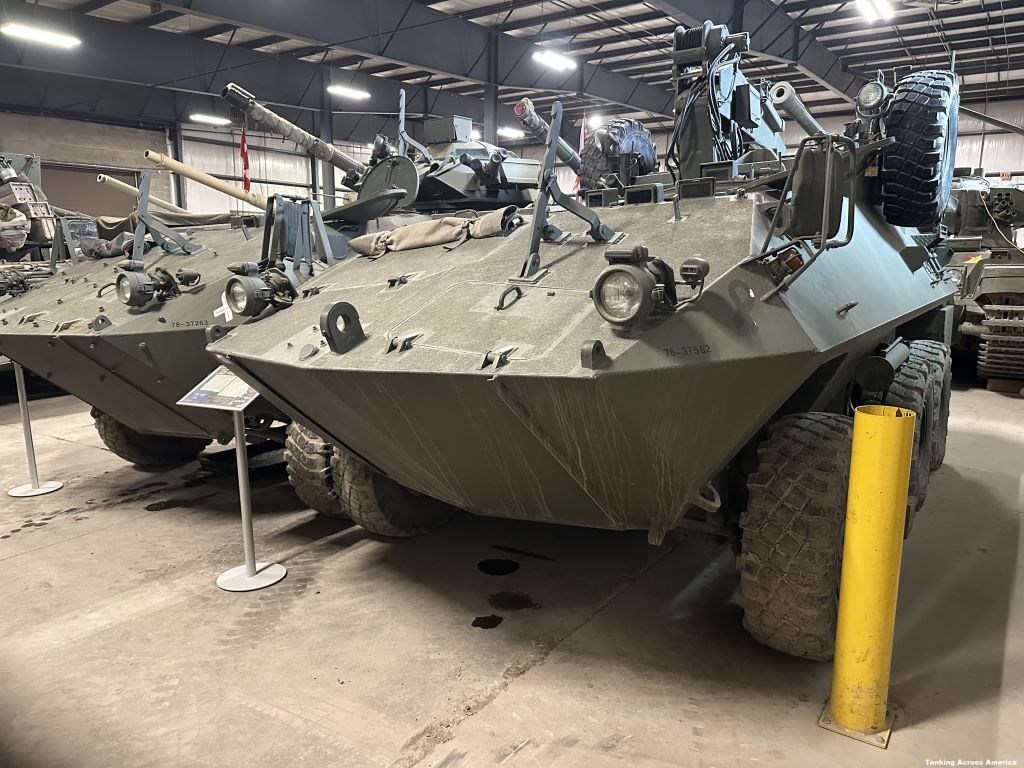
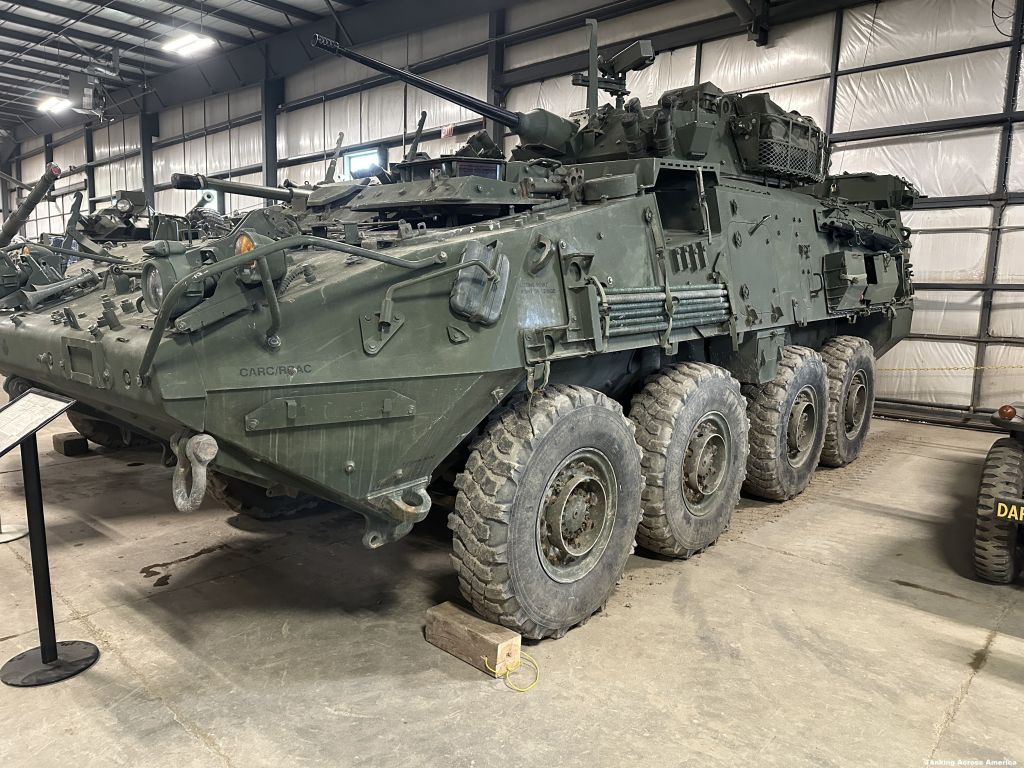
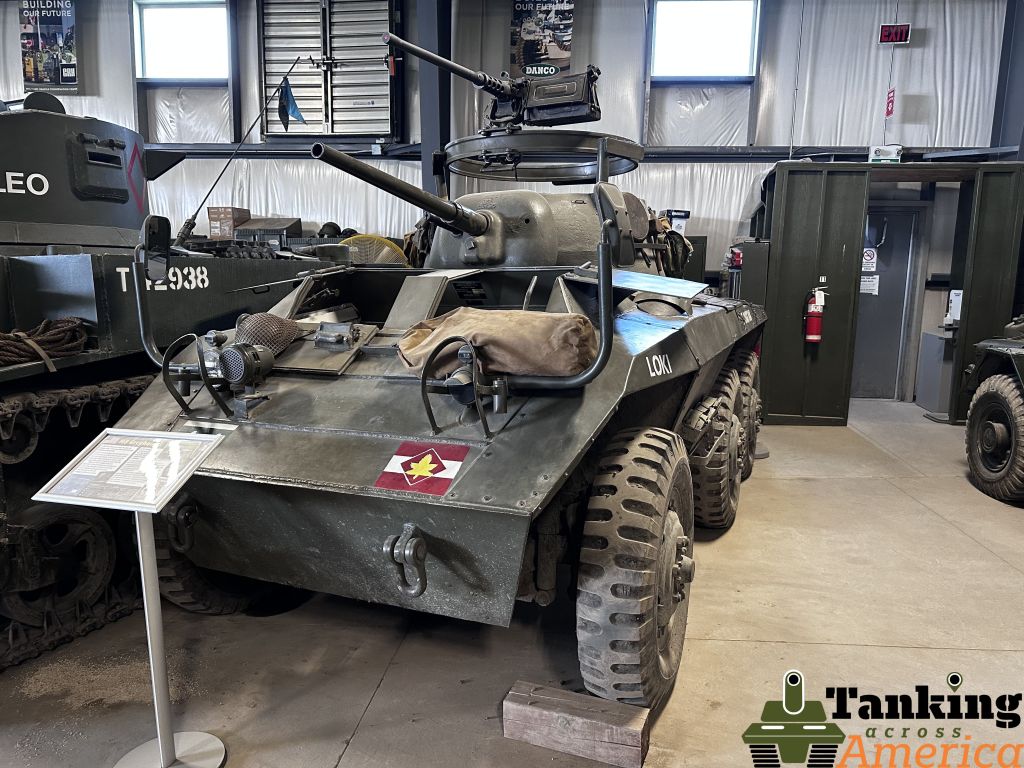
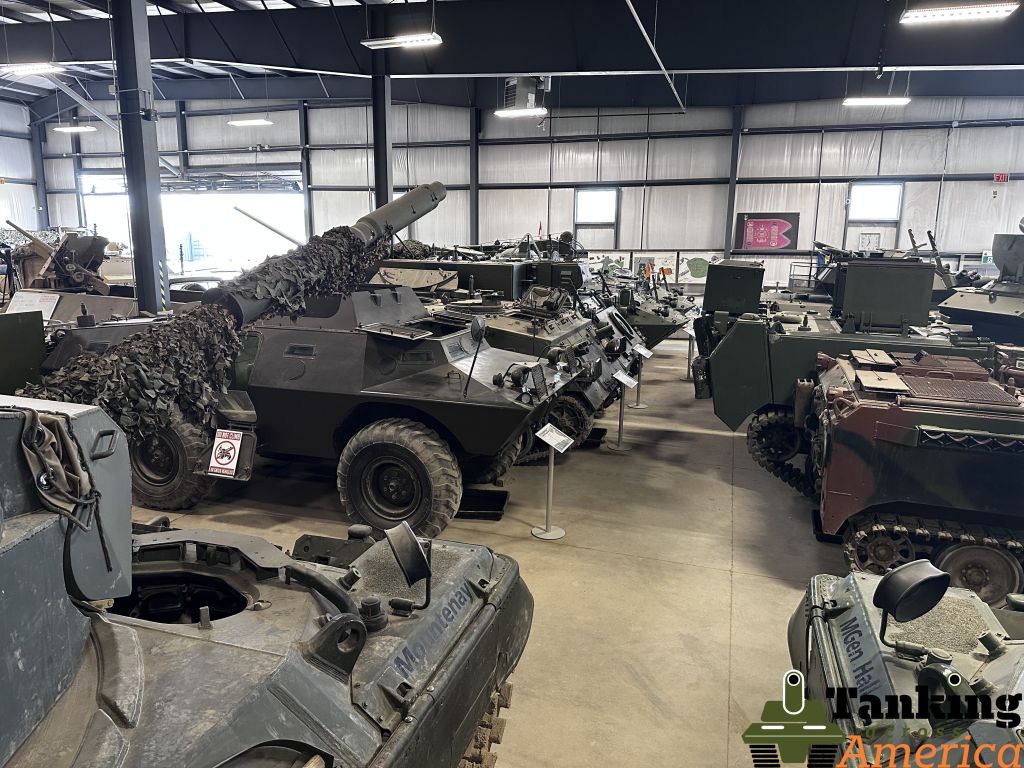
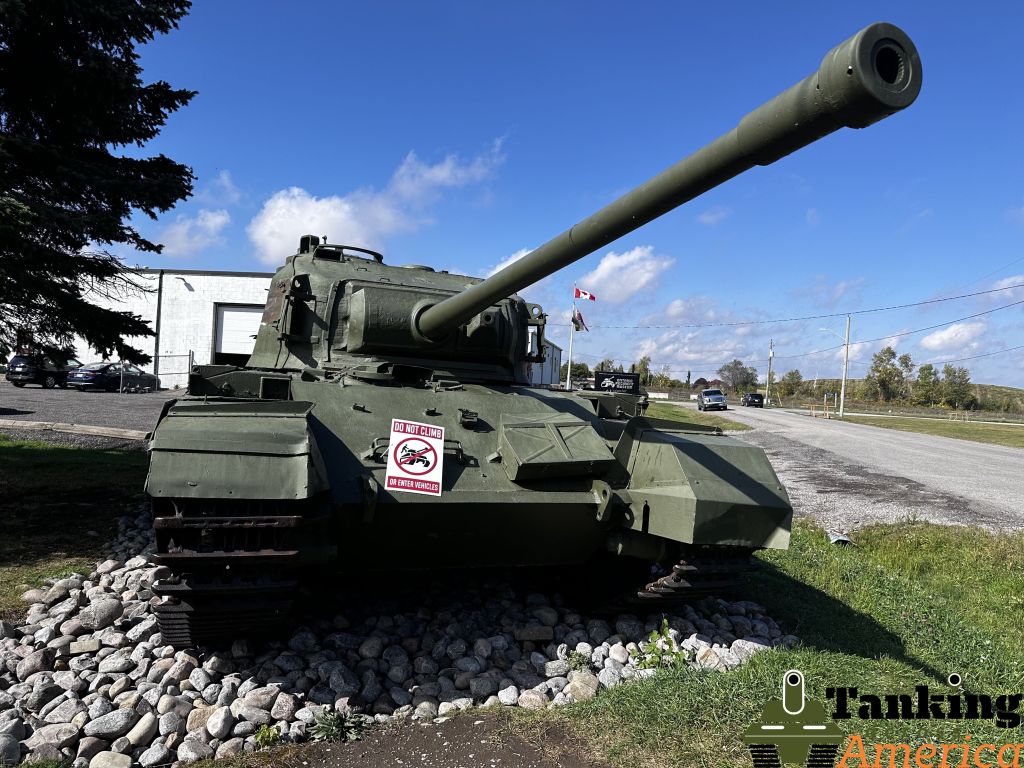
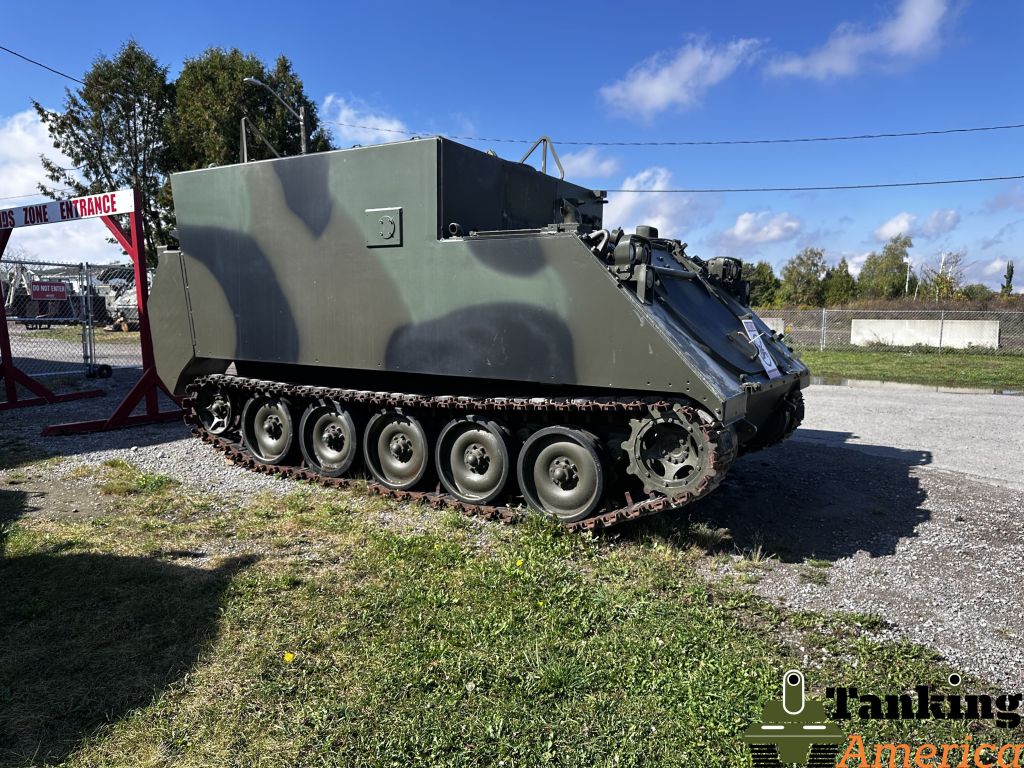
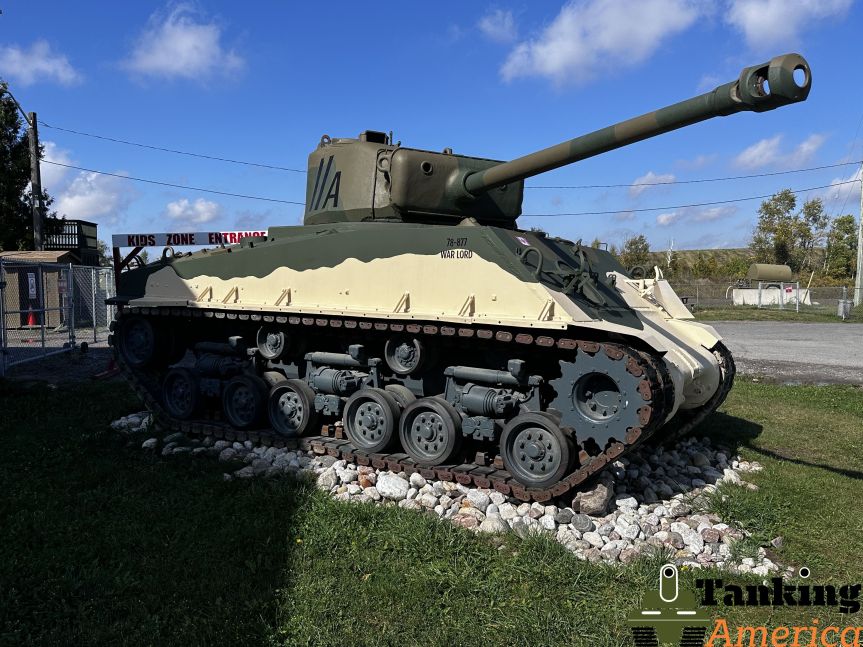
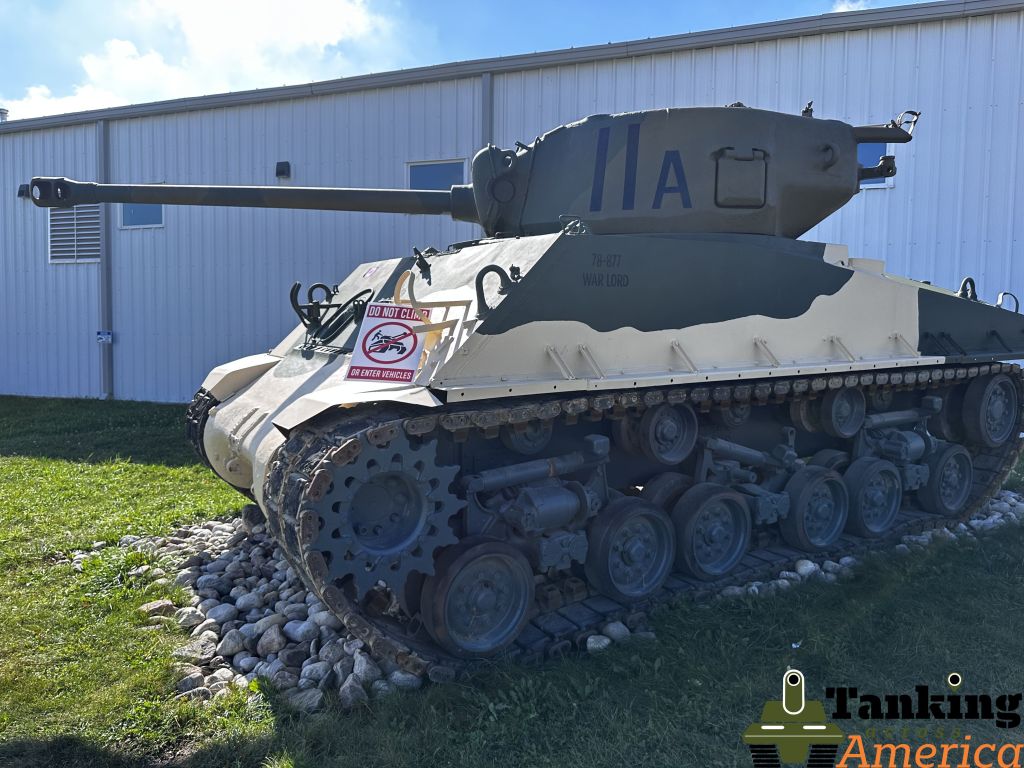
Nestled at 1000 Stevenson Road North, on the South Field of Oshawa Executive Airport, the Canadian Tank Museum has evolved into Canada’s largest collection of operational historical military vehicles, surpassing 120 in number—and counting—spanning from the First World War up to Afghanistan.

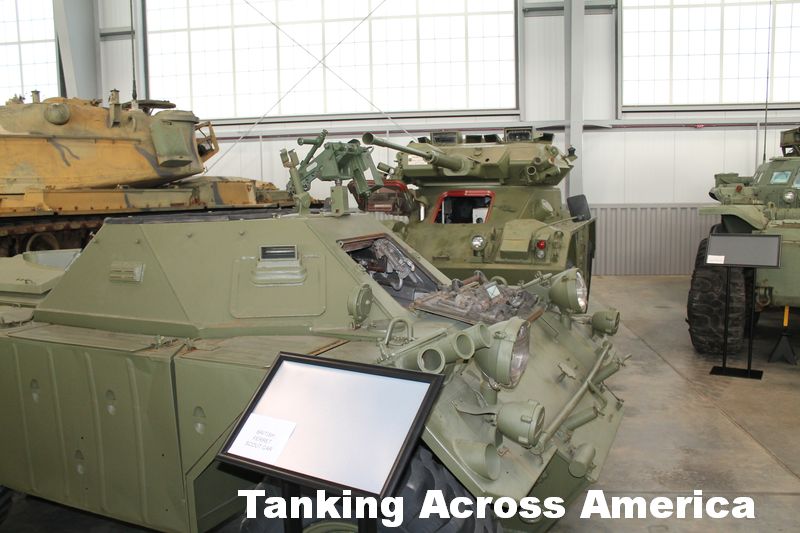
What began in 1980 as the Ontario Regiment “Ferret Club”—built around a handful of Ferret scout cars—has grown into a national institution. In 2024, a $30 million expansion and rebranding formally transformed the museum into the Canadian Tank Museum, reflecting its place on the national stage.

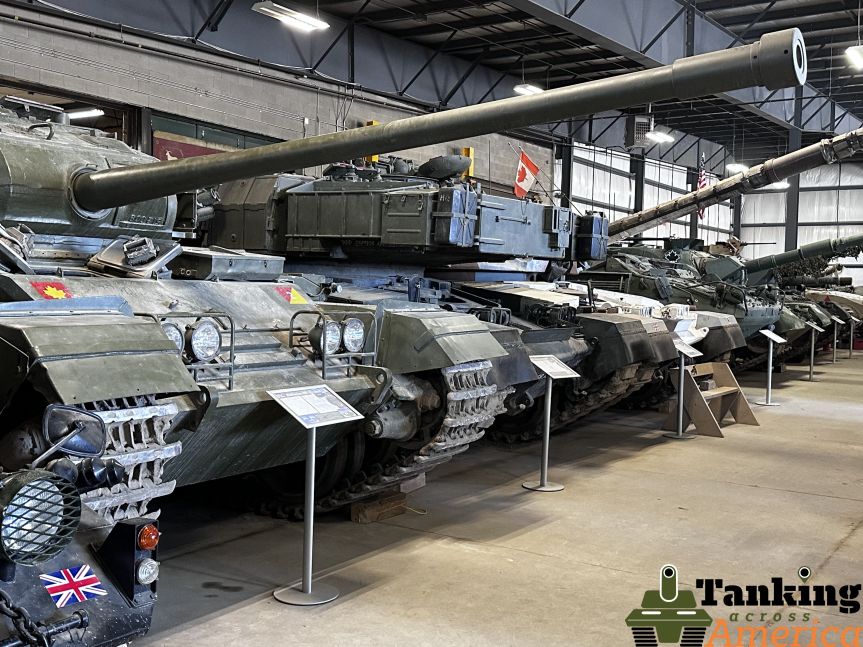
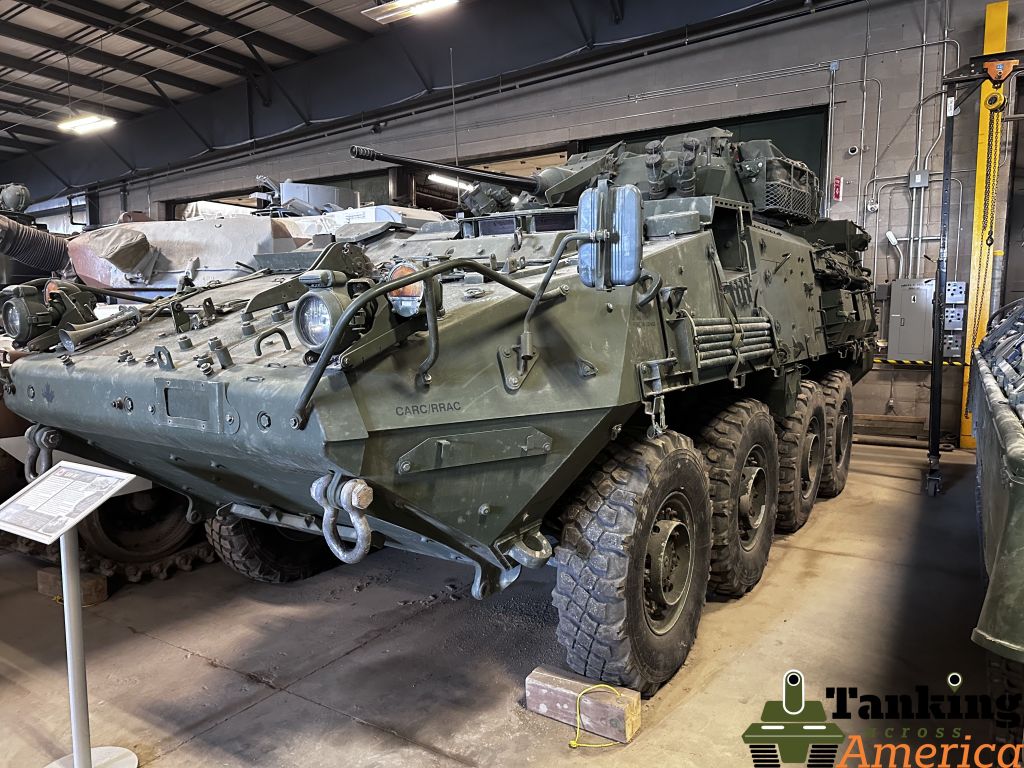
The museum houses more than 120 operational vehicles—jeeps, carriers, armoured cars, personnel carriers, self‑propelled guns, and tanks from diverse eras and nations including Canadian‑built machines like the Oshawa‑made Fox and CMP vehicles.
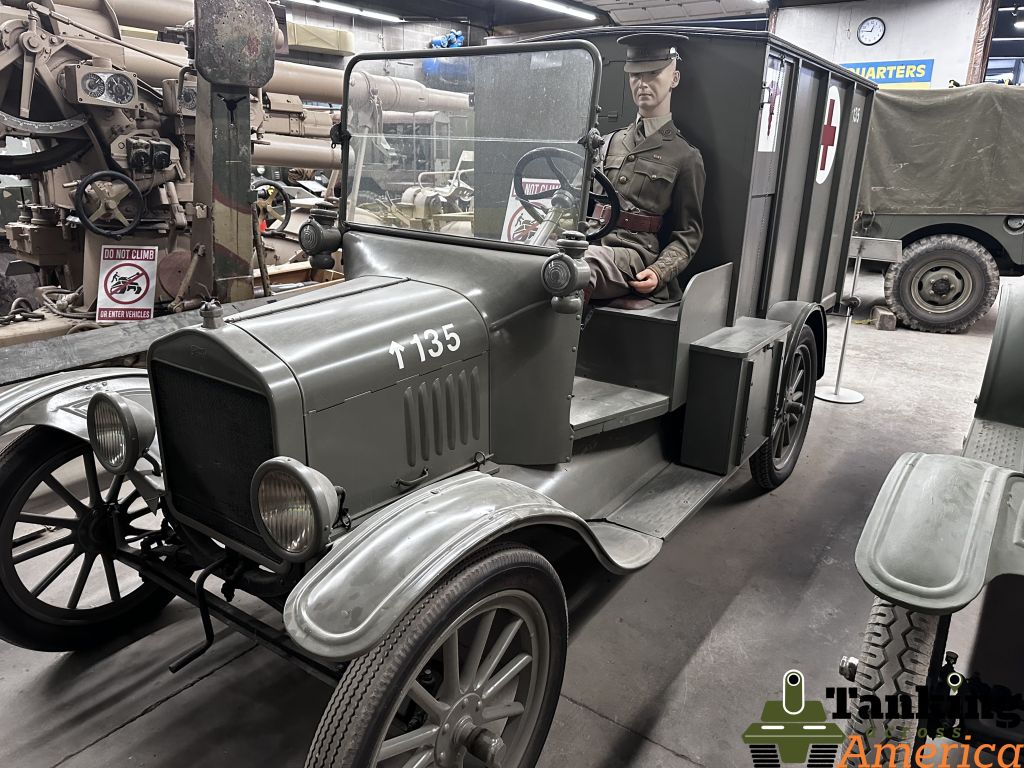
  • Static galleries: Explore the Ontario Regiment’s regimental artifacts dating back to the 1850s—uniforms, medals, diaries, photographs, and regimental memorabilia.
  • Vehicle Bay & Conservation Centre: Peek behind the scenes at restoration work and view over 80 vehicles in various stages—from tanks under restoration to ones ready to roll.

Almost every vehicle here is operational, restored, and driven by volunteers—often veterans or military enthusiasts. They fuel, maintain, and even display these machines in parades and exhibitions across Canada.

The images found in the article were taken during two separate visits.

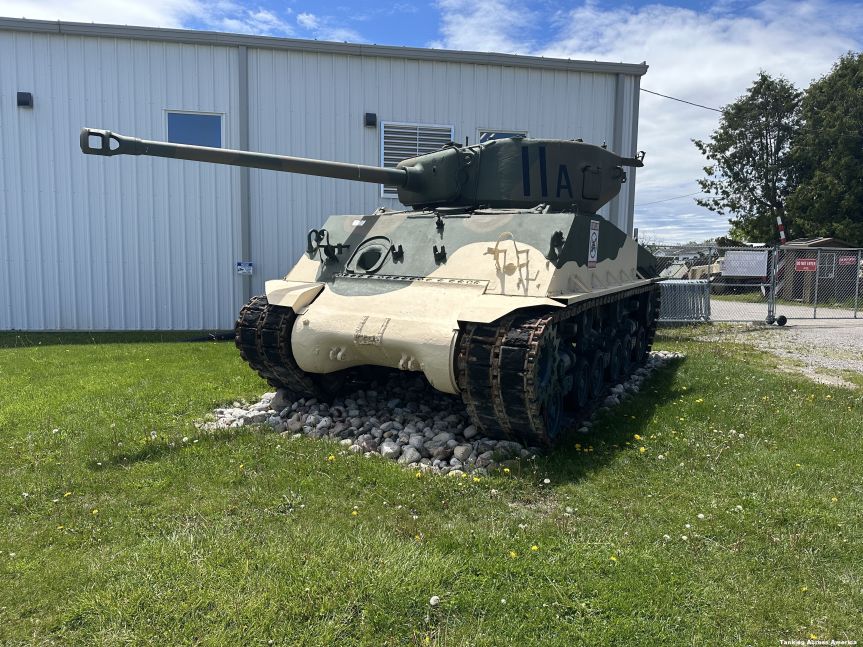
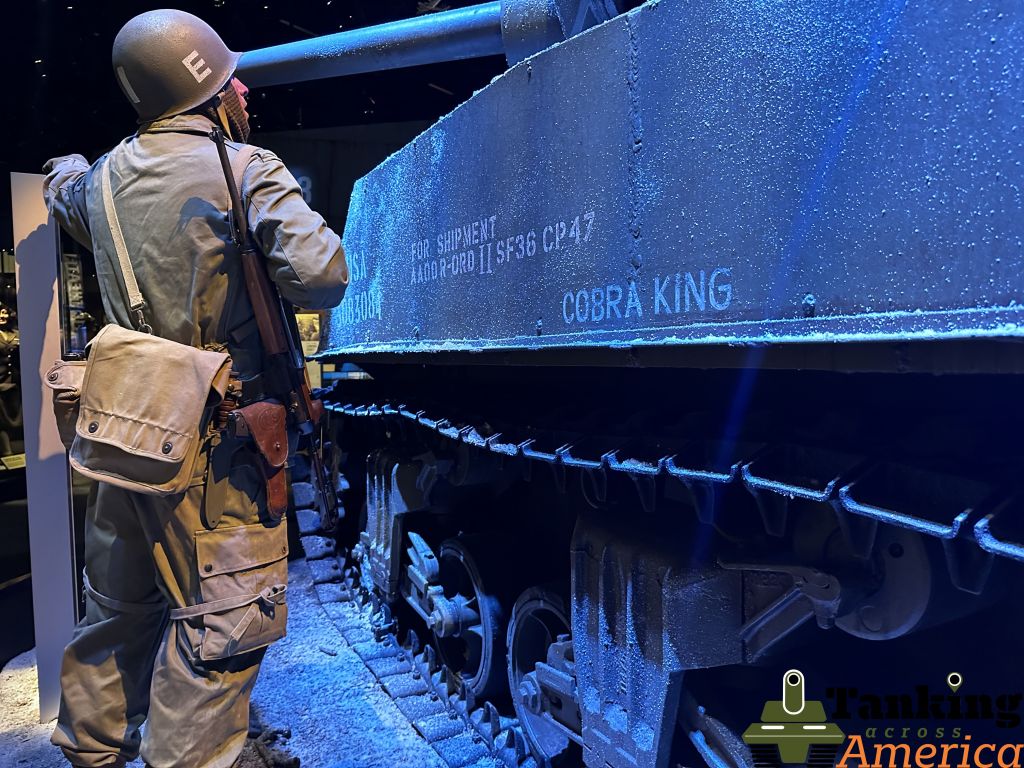
US Army Museum, M4A3 Jumbo “Cobra King”

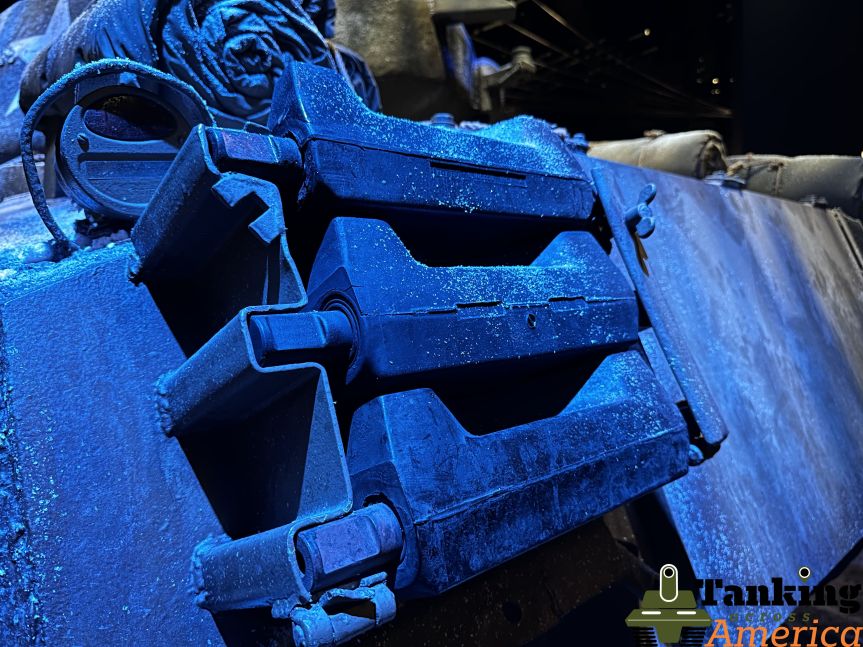
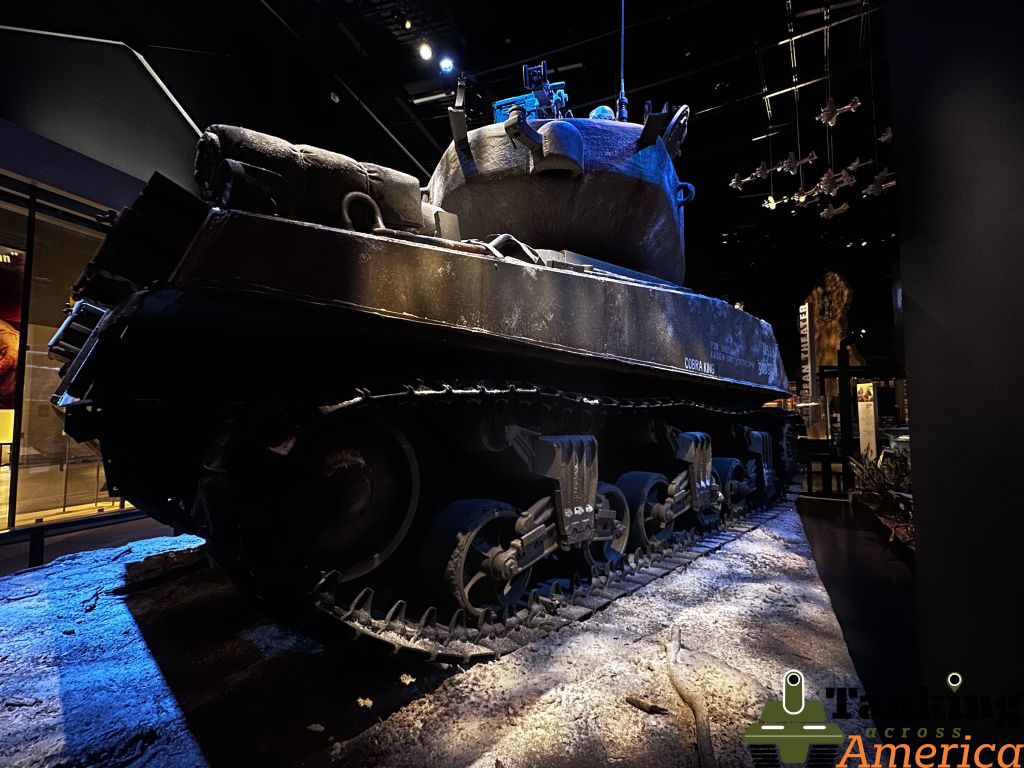
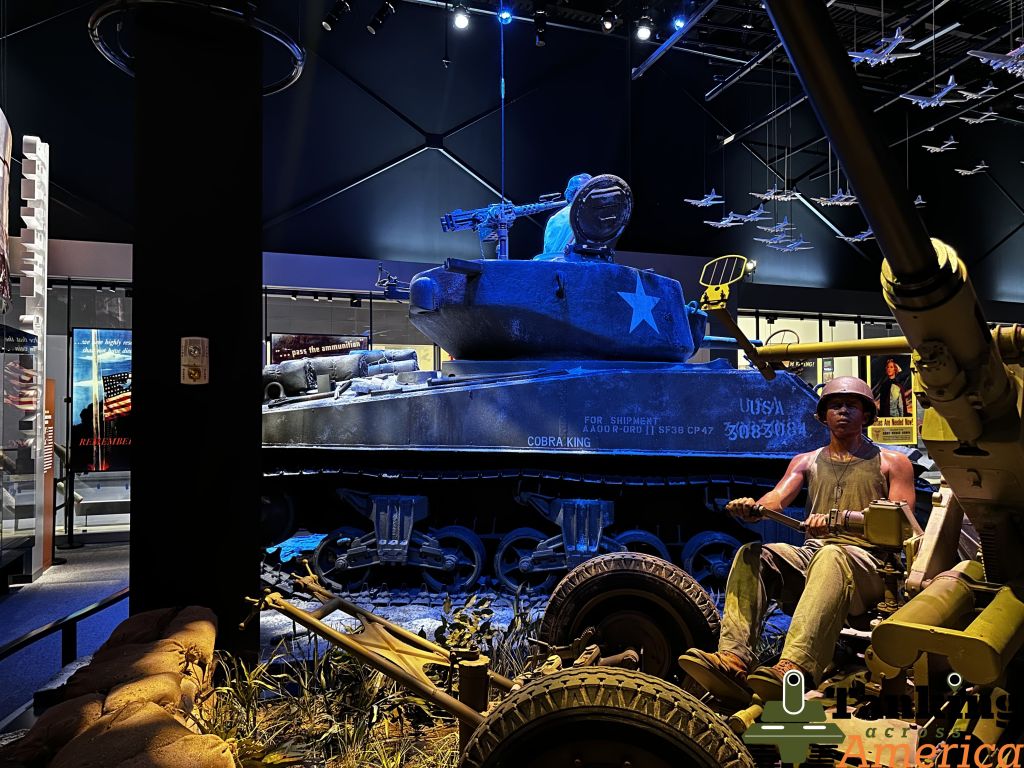
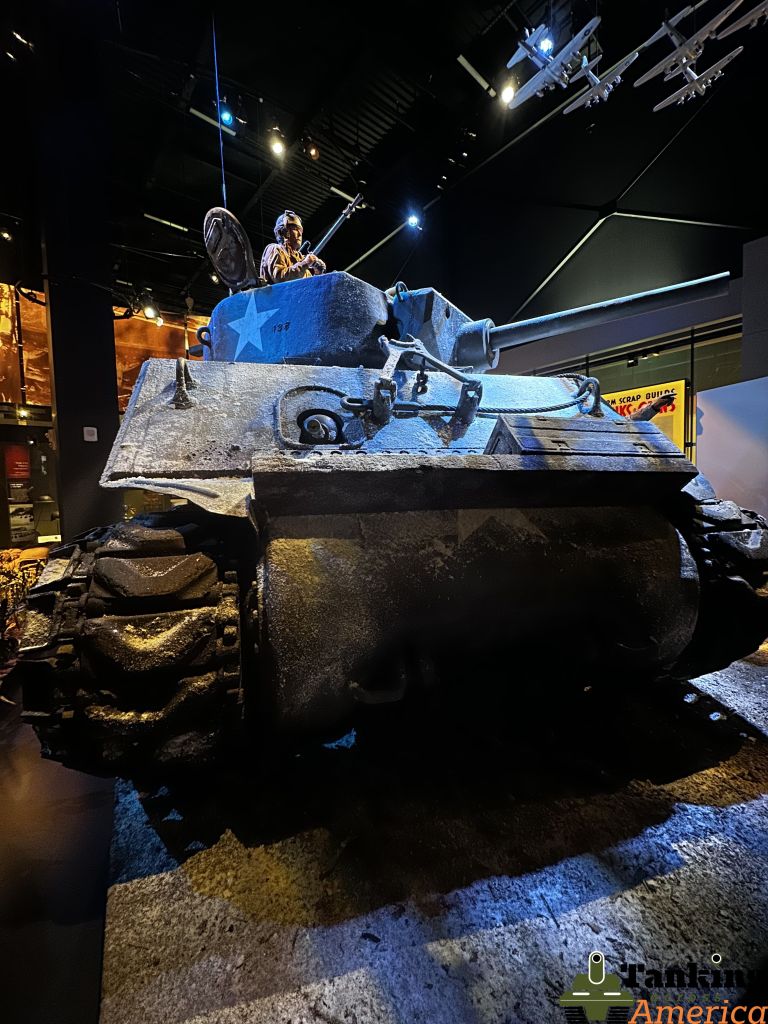
At the US Army Museum at Fort Belvoir, is a M4A3 Jumbo named “Cobra King”. The history of this tank is that it was the first armored vehicle to reach encircled force as part of the Battle of the Bulge.

After the war, this tank served as a gate guard in Europe, McKee Barracks in Crailsheim, Germany (1957-1967); at Ferris Barracks in Erlangen, Germany 1967-1993; and, later, Rose Barracks in Vilseck, Germany (1993-2008). In 2008, this vehicle was identified by Army historians after an Army chaplain began to do some research.
The vehicle was shipped to the United States where the Patton Museum did exterior restoration work along with sources era correct parts. Work was also done at Fort Benning before being sent to The US Army Museum for display.

Trip Report, Fort Benning, The U.S. Army Armor and Cavalry Collection Open House, April 2023

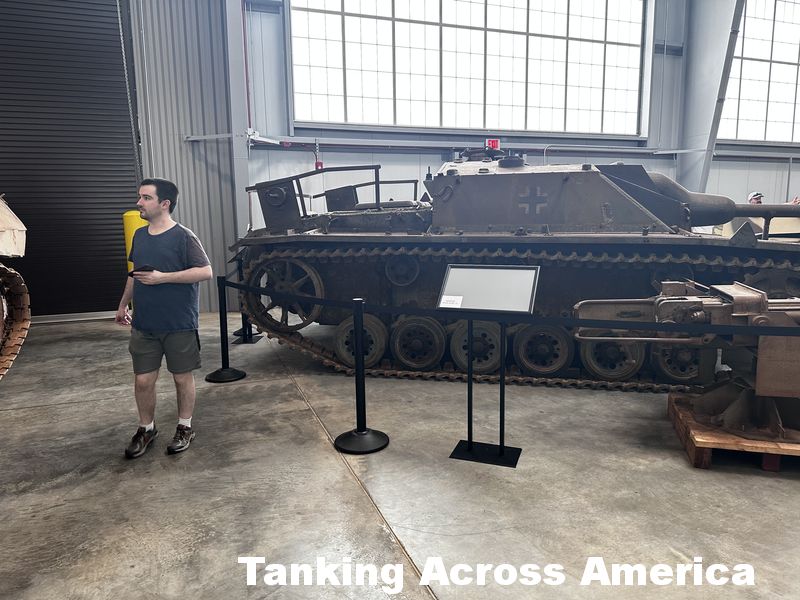
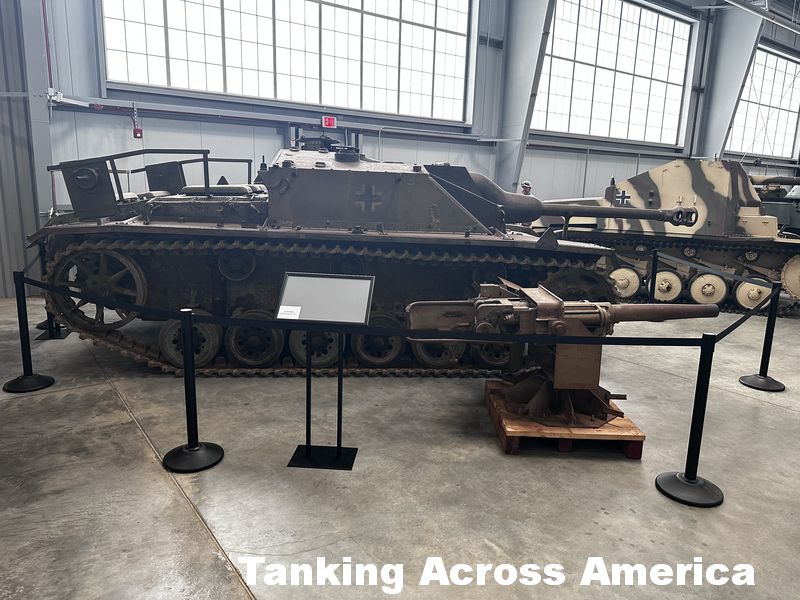
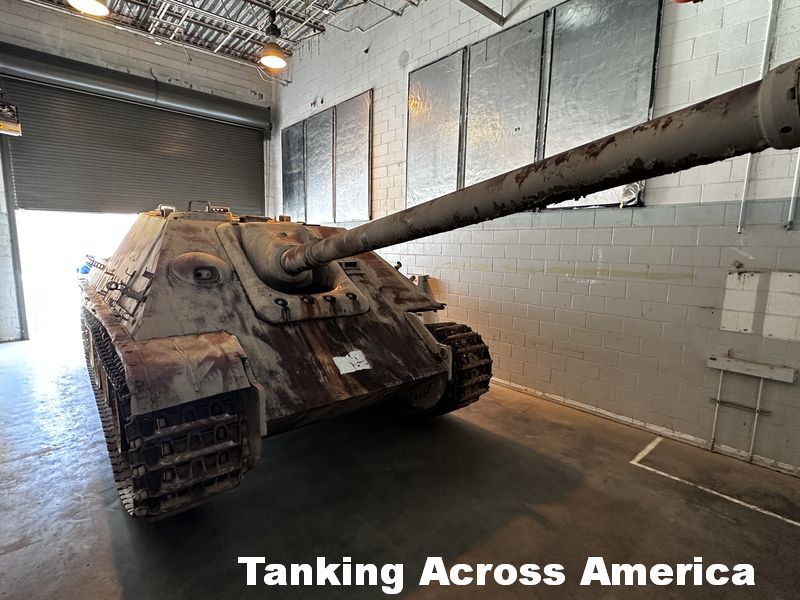
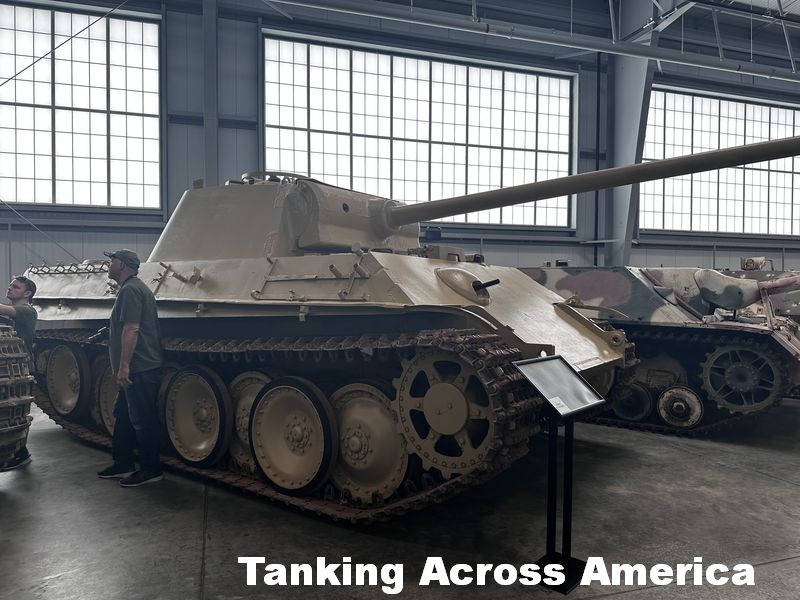
In late April 2023, the U.S. Army Armor & Cavalry Collection held an Open House to celebrate the 75th Anniversary of the collection. Not only was the main building available but bays housing a World War II German JagdPanther and JagdTiger tank destroyer were opened for display.

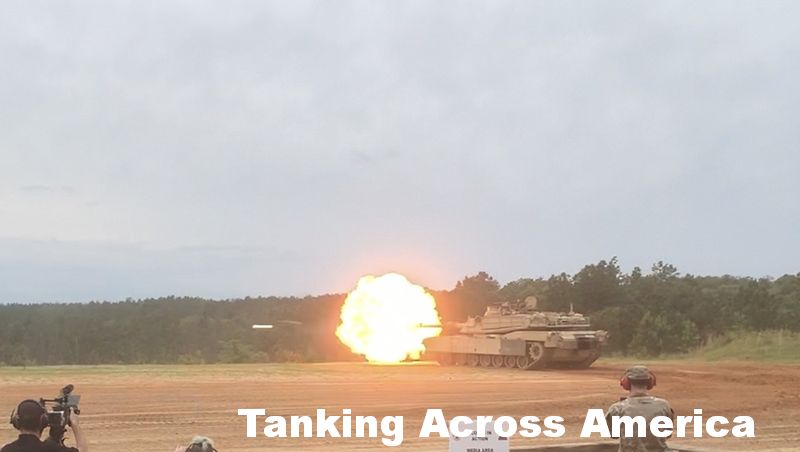
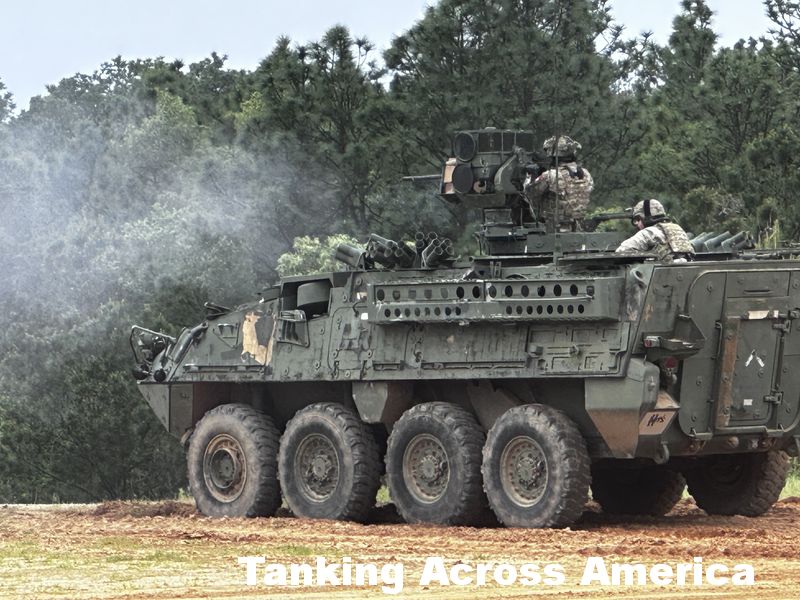
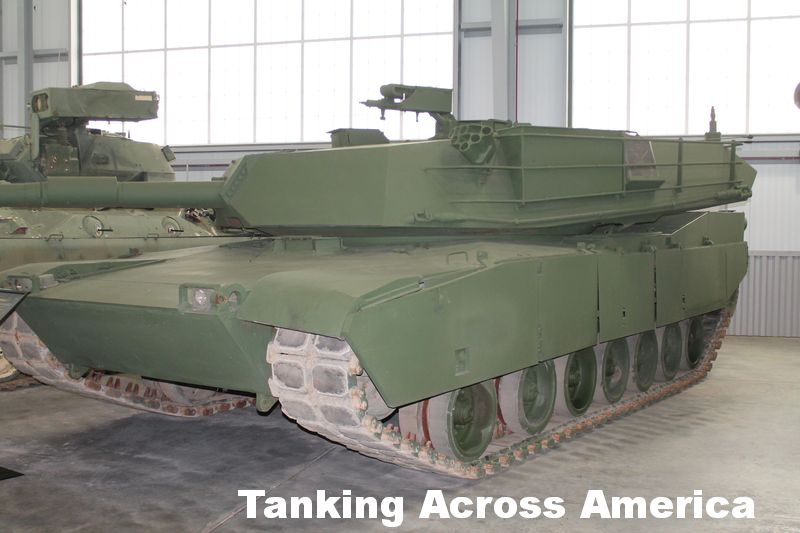
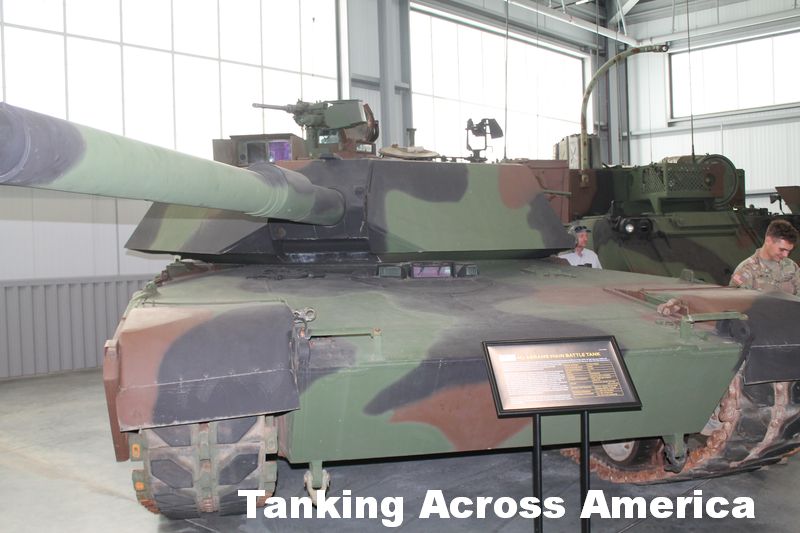
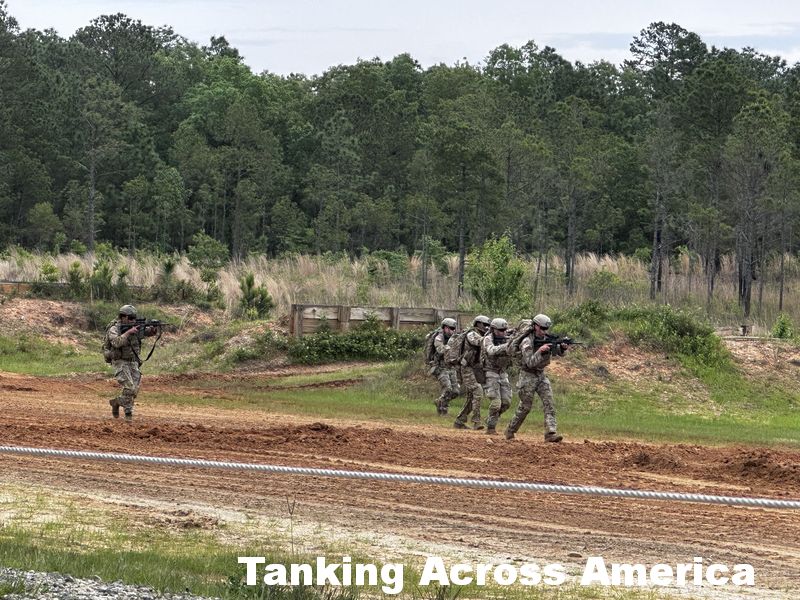
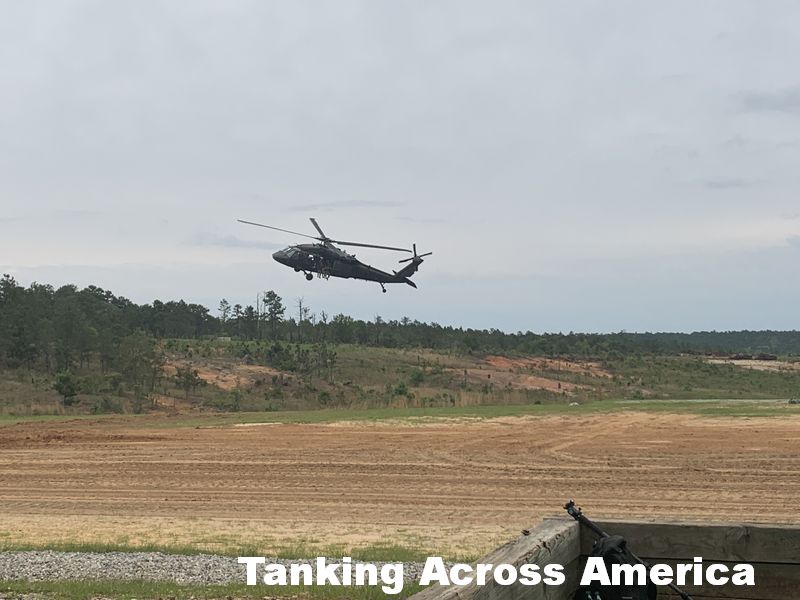
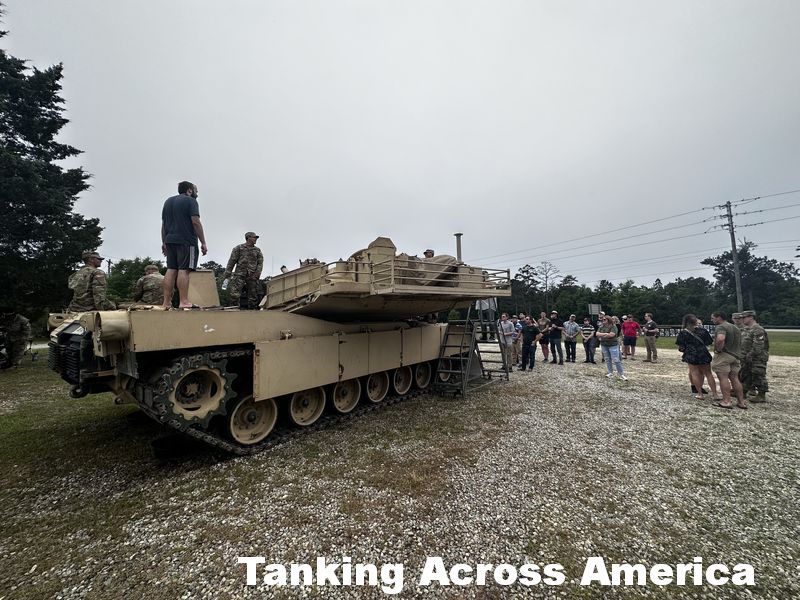
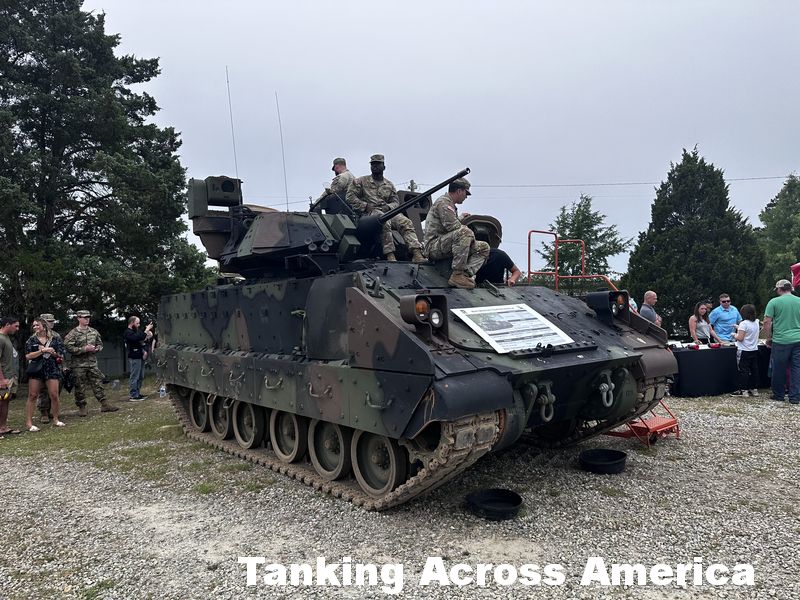
Additionally, a M1A2 Abrams Main Battle Tank and M3 Bradley Cavalry Fighting Vehicle from the U.S. Army Armor School ‘s 316th Cavalry Brigade were brought to the collection building for display. There was also a open invite to travel over to the Red Cloud range to watch a live fire demonstration to include an Abrams, Bradley and Stryker.

It was an amazing day at the collection.

German Tanks at the Armor and Cavalry Open House, Fort Benning April 2023

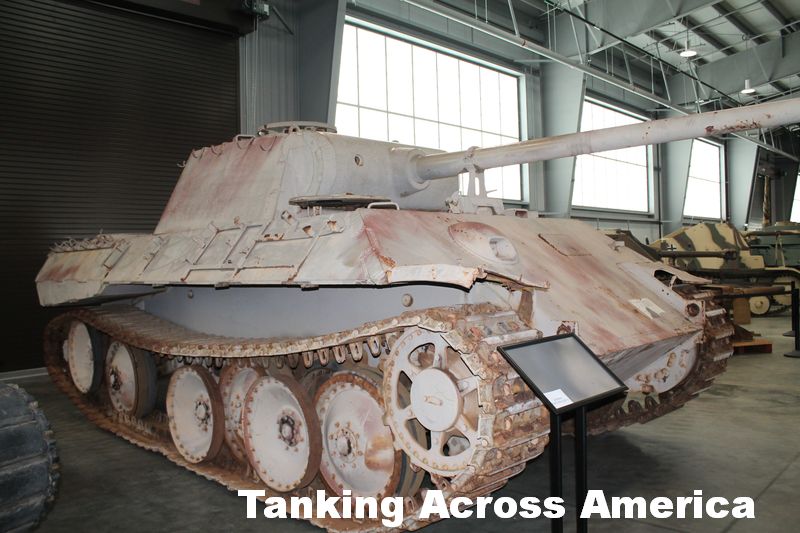
The US Army Armor and Cavalry Collection at Fort Benning, Georgia held an Open House and featured two WW2 German vehicles.

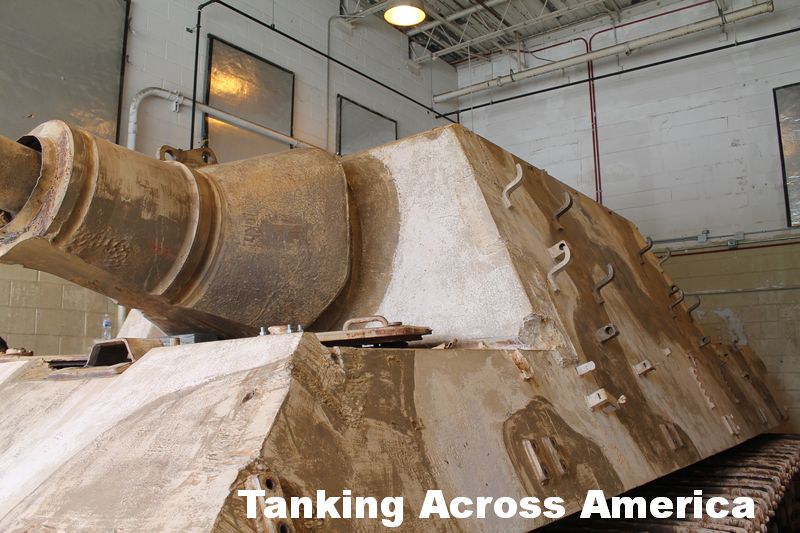
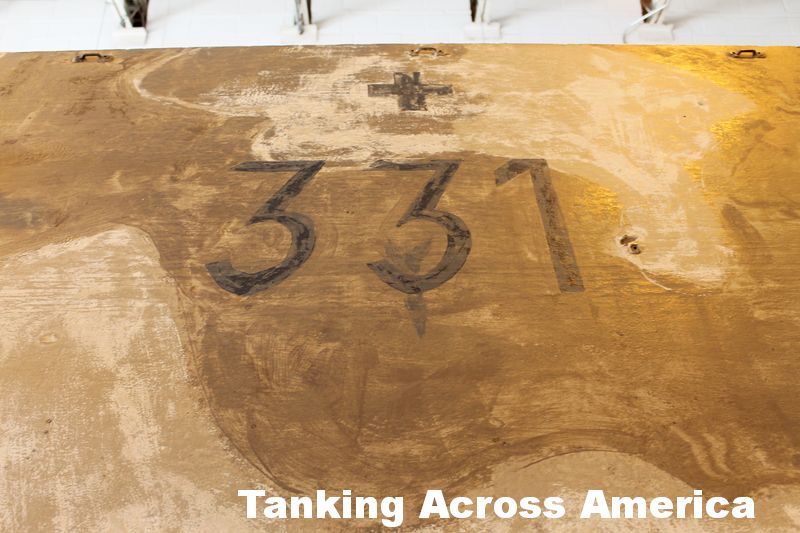
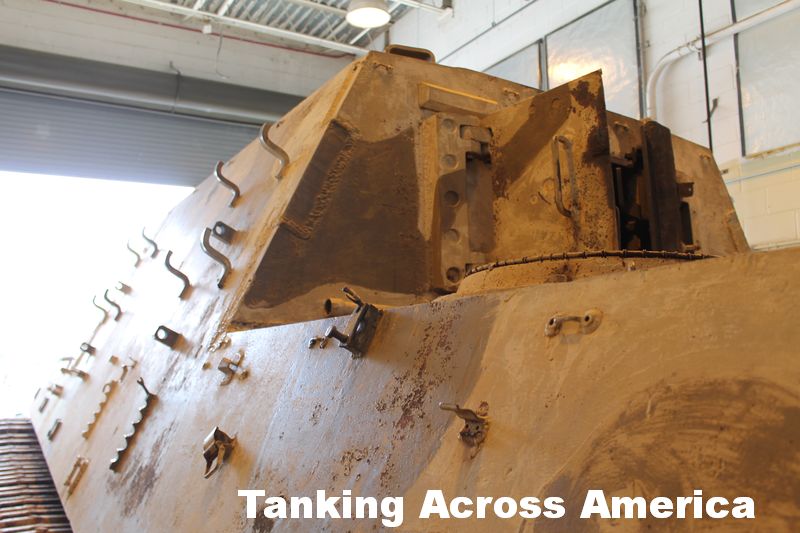
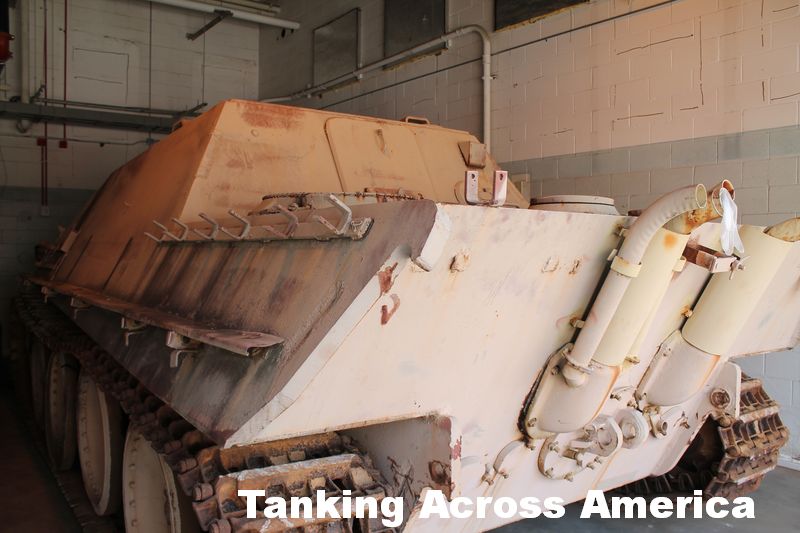
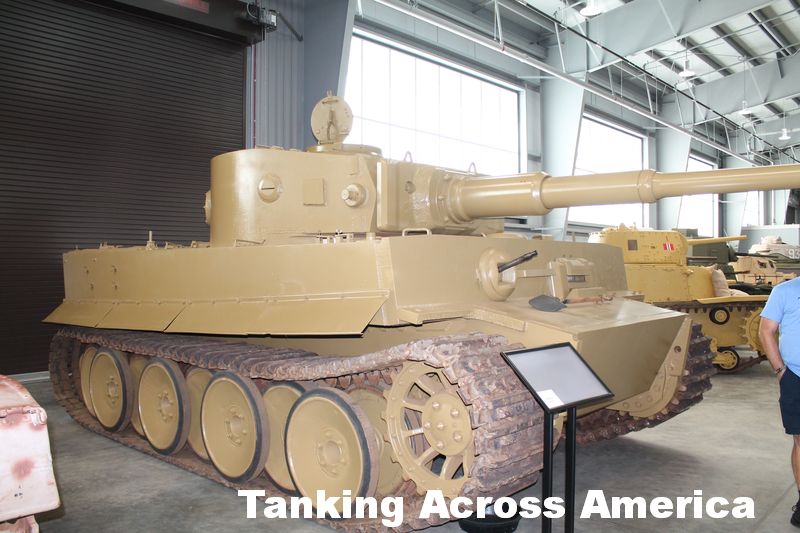
The first was a Jagdtiger (serial number 305020). It was produced in October 1944 and was attached to the 3rd Company of the s.Pz.Jg.Abt. 653, bearing the vehicle-number of 331. It was captured by American troops near Neustadt an der Weinstraße, Germany in March 1945. Shell damage is still visible on the gun mantlet, glacis plate and lower-nose armor. This vehicle used the later-version nine-tooth drive sprockets for use with the ‘contact shoe’ and ‘connector link’-style continuous track it shared with the Tiger II on which it was based.

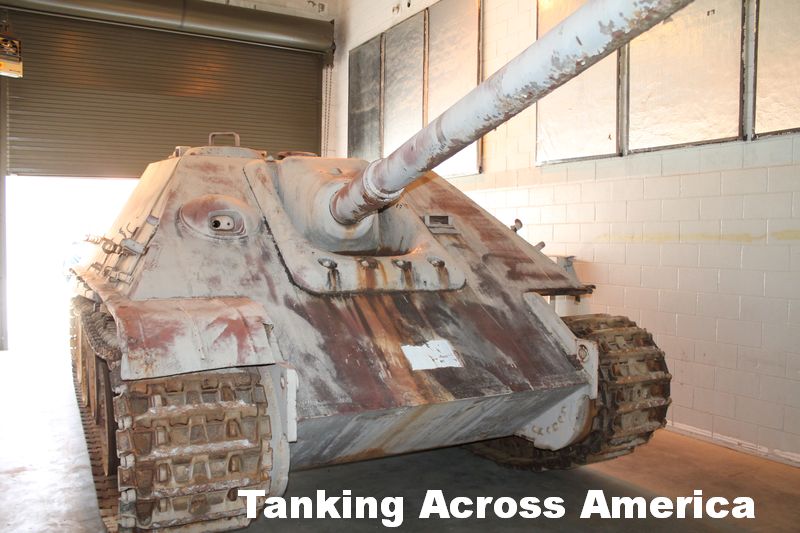
The second was Jagdpanther (chassis number 303018) which was produced by MNH in November/December of 1944 and took part in the Ardennes Offensive, where it was captured and eventually taken to USA.