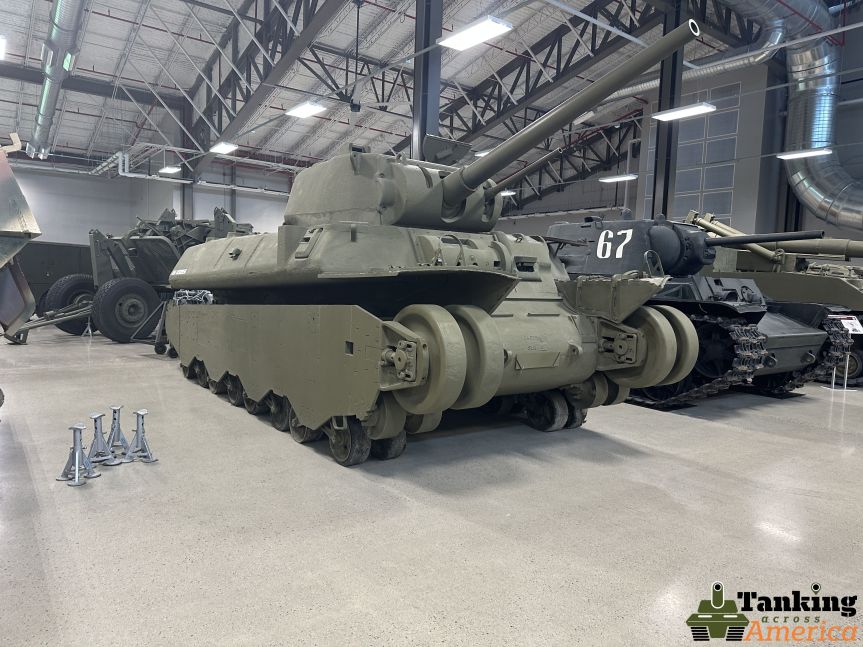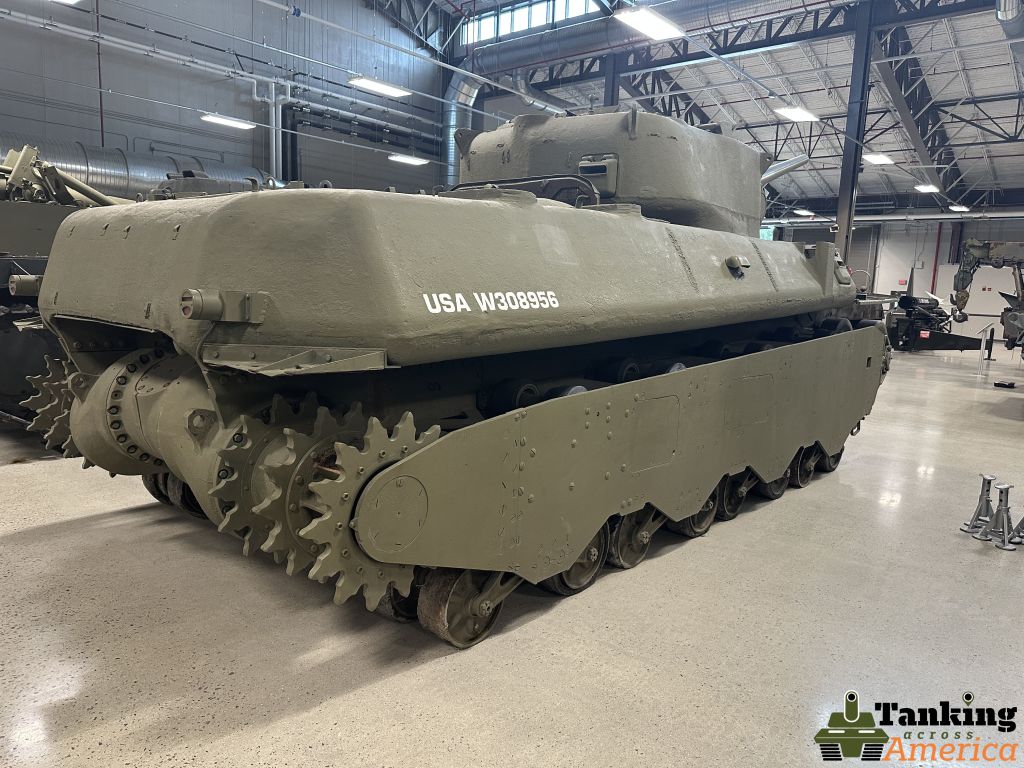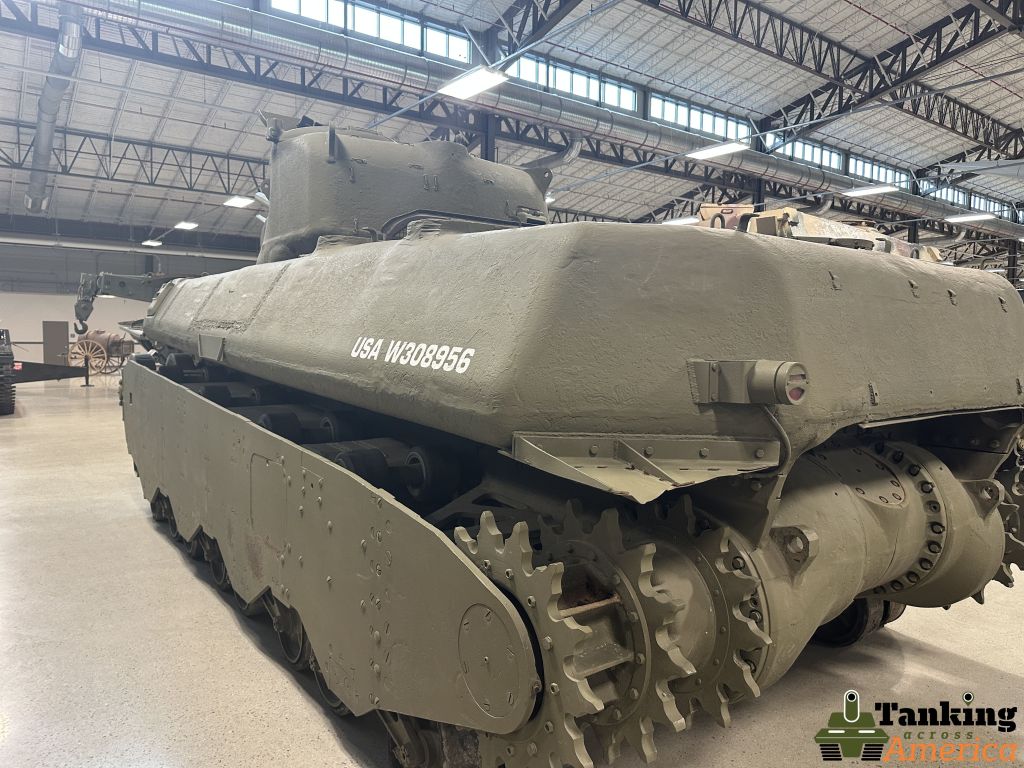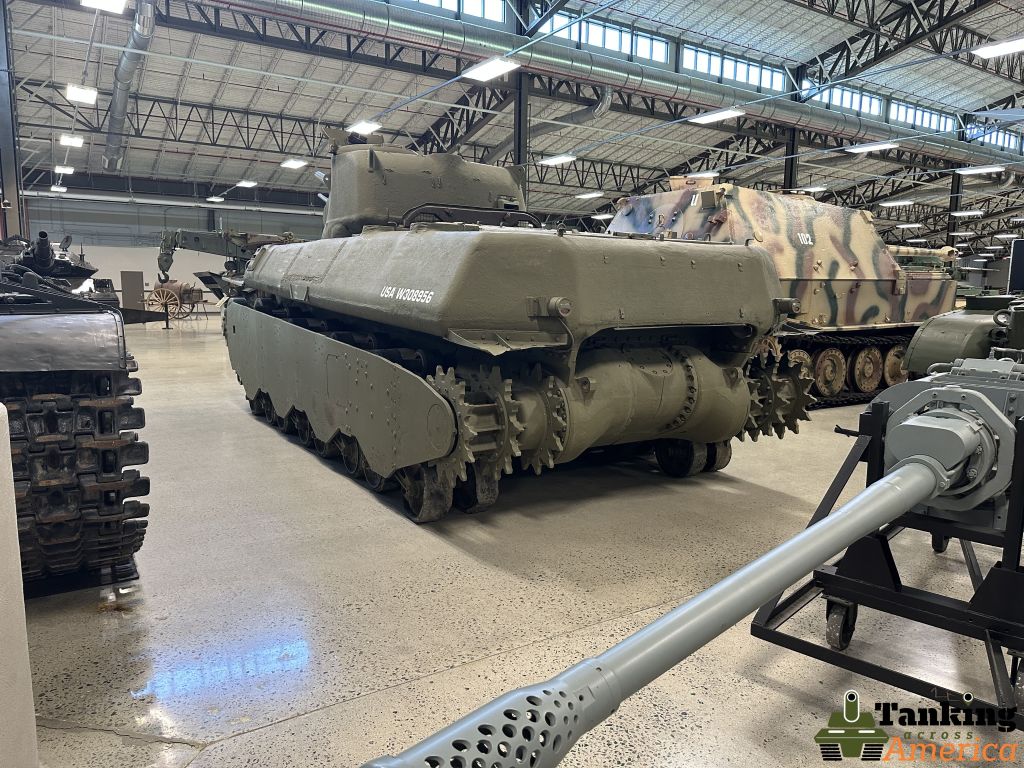
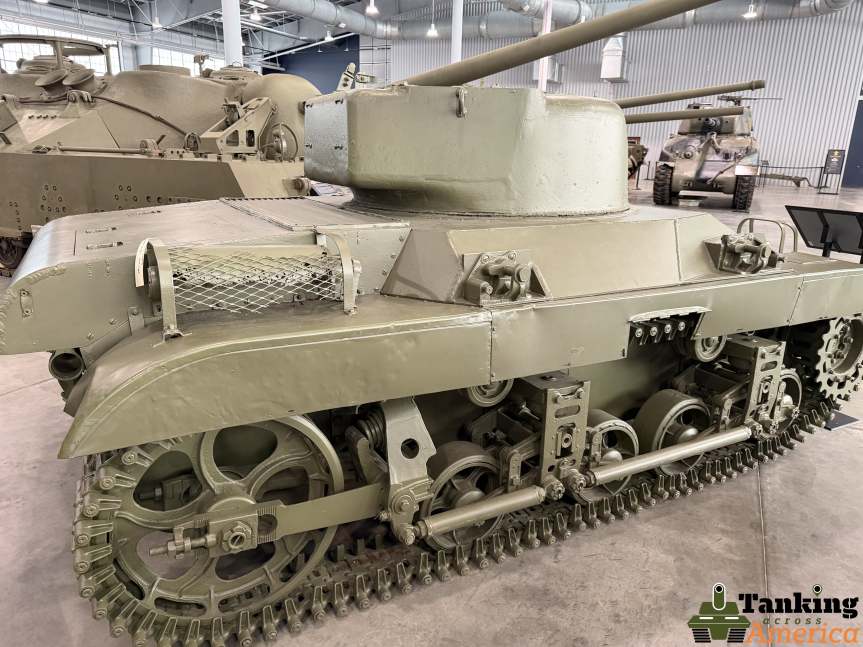
Here’s a ready-to-publish draft:The M22 Locust: America’s Tiny Airborne Tank of World War II
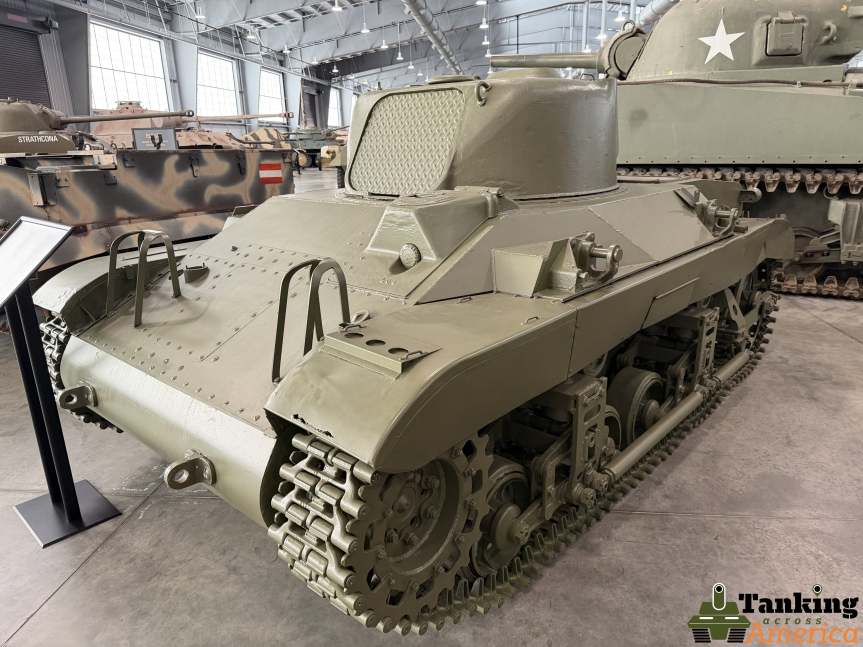
When most people picture an American tank from World War II, they probably imagine the rugged M4 Sherman rumbling across France or perhaps one of the heavier armored vehicles that appeared toward the end of the conflict. The M22 Locust, however, was something very different.
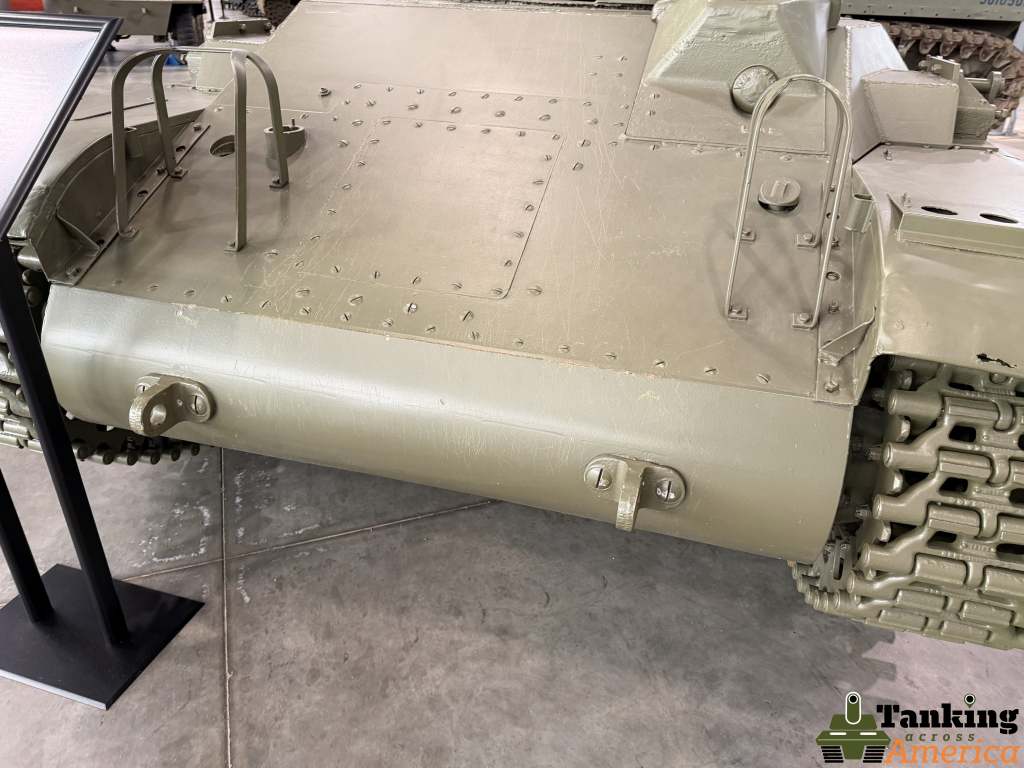
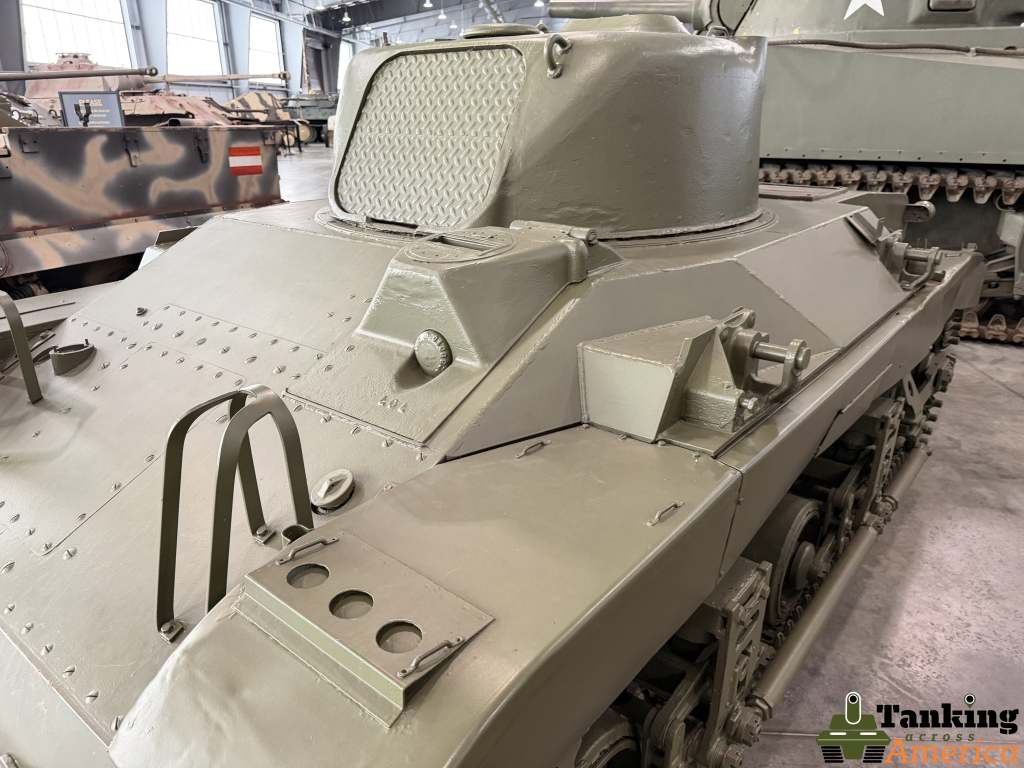
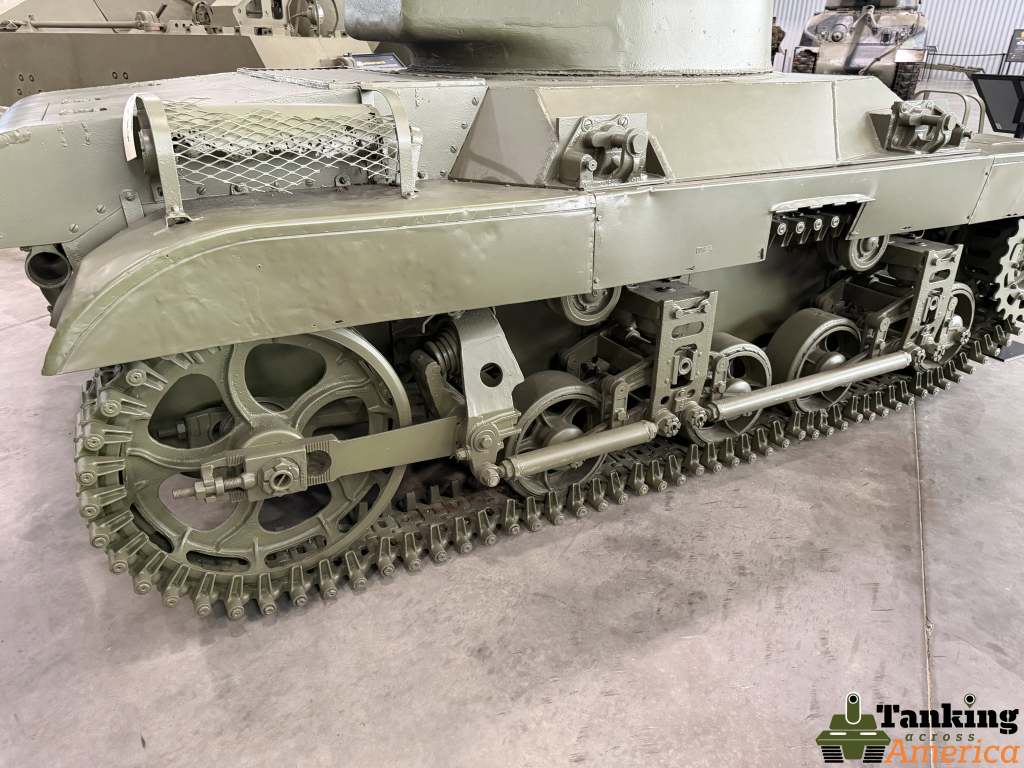
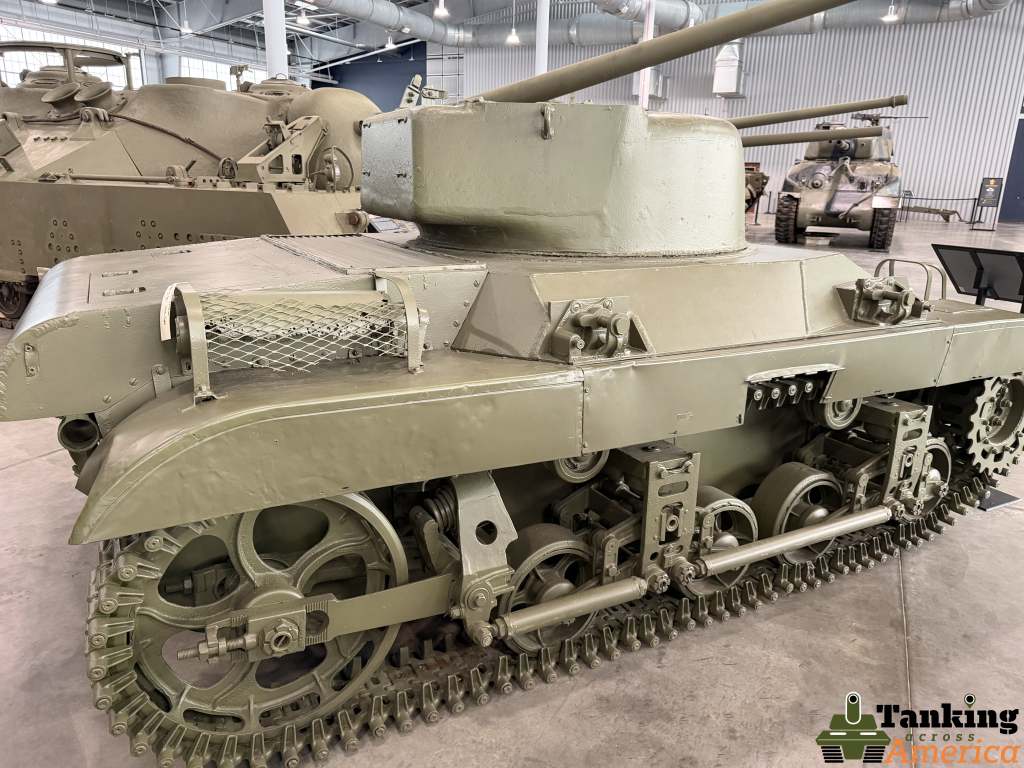
Small, lightly armored, and weighing only around eight tons, the M22 was designed around an ambitious idea: give airborne troops a tank that could travel with them into battle.
It was an intriguing concept. In practice, however, the Locust became one of World War II’s more unusual armored experiments.
A Tank Built for Airborne Warfare
The rapid development of airborne forces during the early years of World War II created a new problem for military planners. Paratroopers and glider troops could land behind enemy lines, but they generally lacked the heavy weapons and armored support available to conventional ground forces.
The solution seemed straightforward: build a tank light enough to be transported by aircraft.
In 1941, the U.S. Army began pursuing what would eventually become the M22 Light Tank. The design was developed by Marmon-Herrington, a company already experienced with light armored vehicles.
Keeping the tank small enough for air transport dictated nearly every aspect of its design.
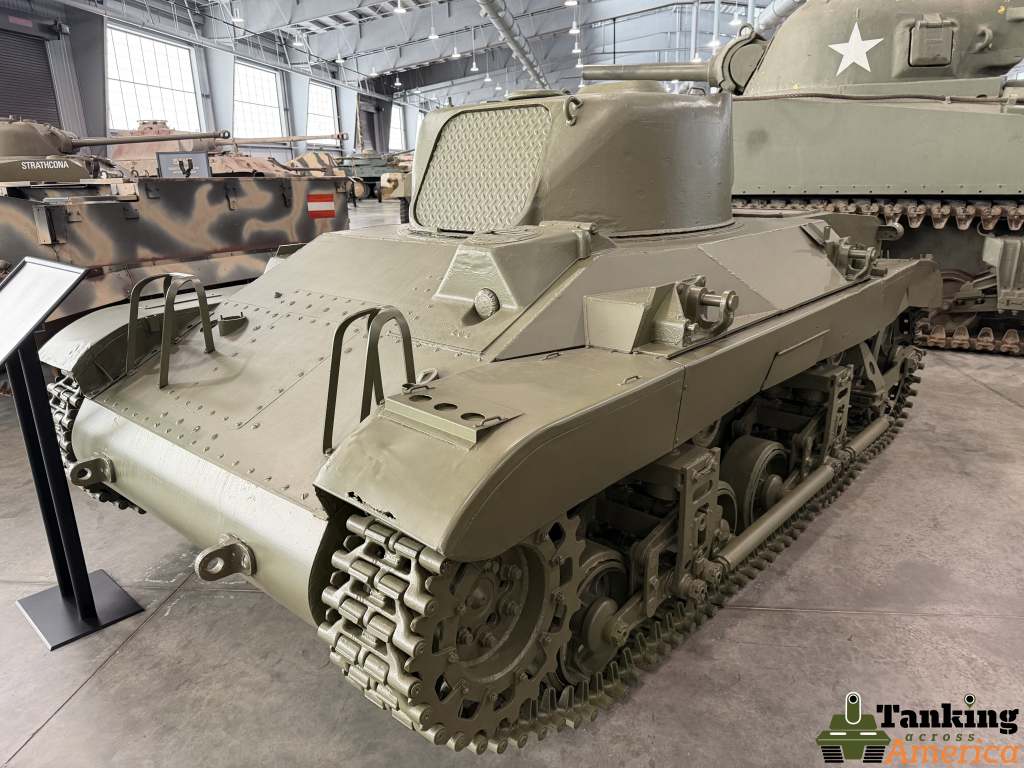
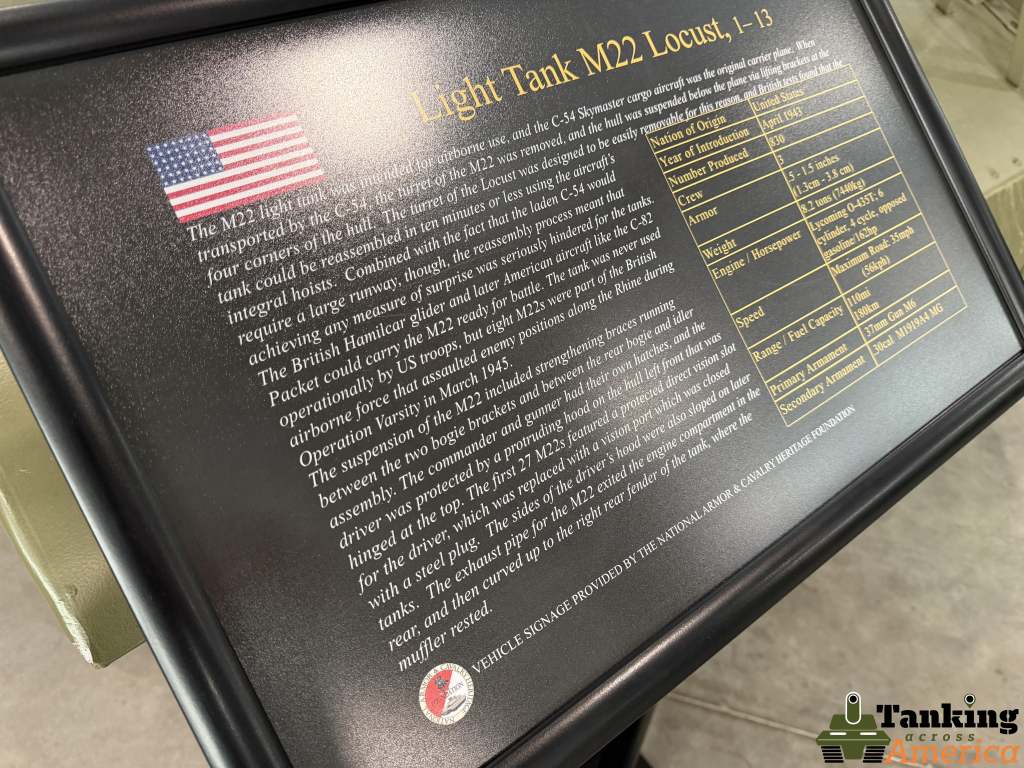
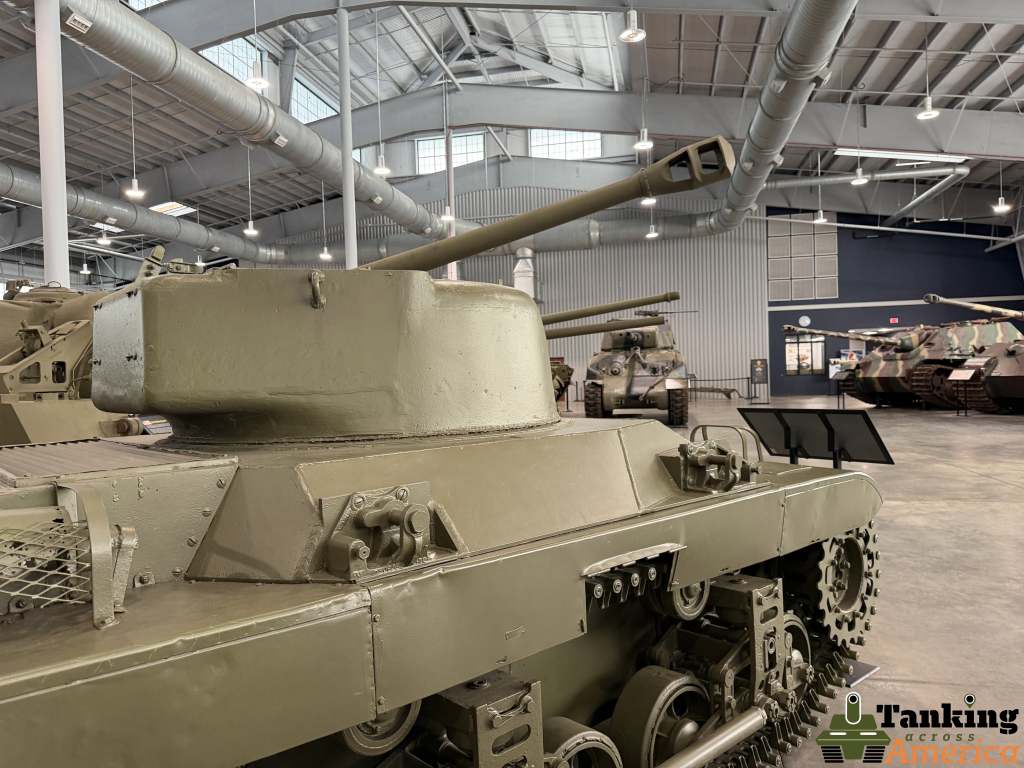
The M22 was roughly 13 feet long and stood only about six feet tall. Its combat weight was approximately 7.4 metric tons, making it dramatically lighter than the M4 Sherman.
Its crew consisted of just three men: a commander, driver, and gunner.
For its main weapon, the Locust carried a 37 mm M6 cannon, supplemented by a coaxial .30-caliber machine gun. This was respectable armament for a light tank conceived in 1941, but battlefield technology was advancing quickly.
By the time the M22 was ready for combat, the 37 mm gun was already struggling against newer German tanks.
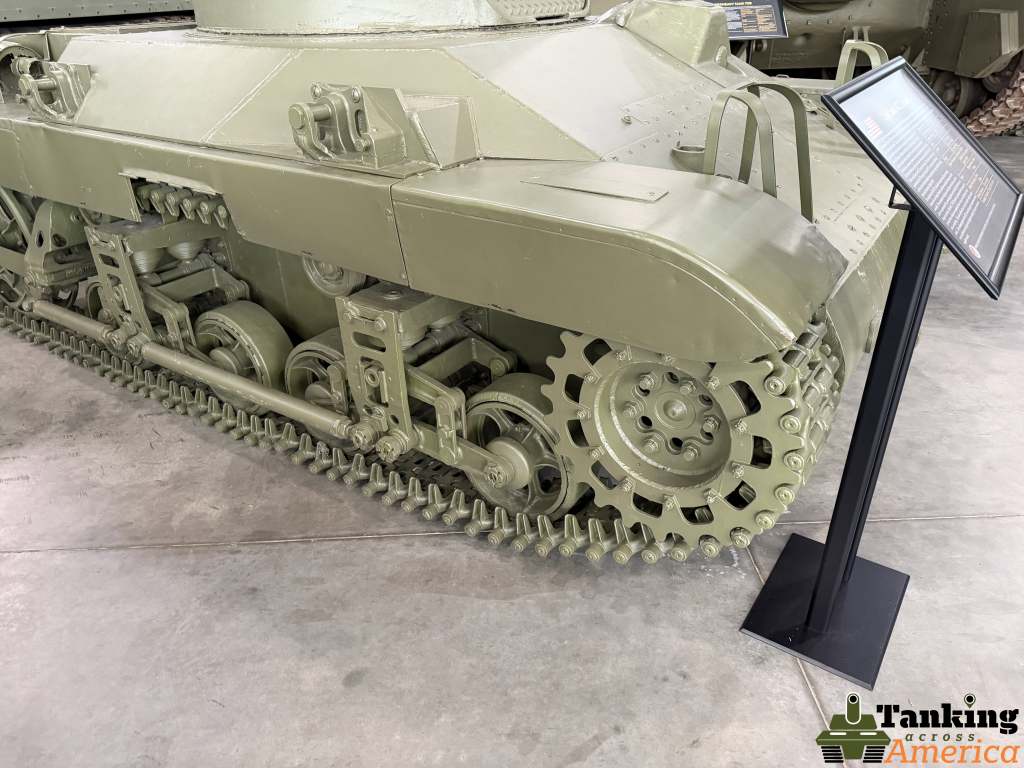
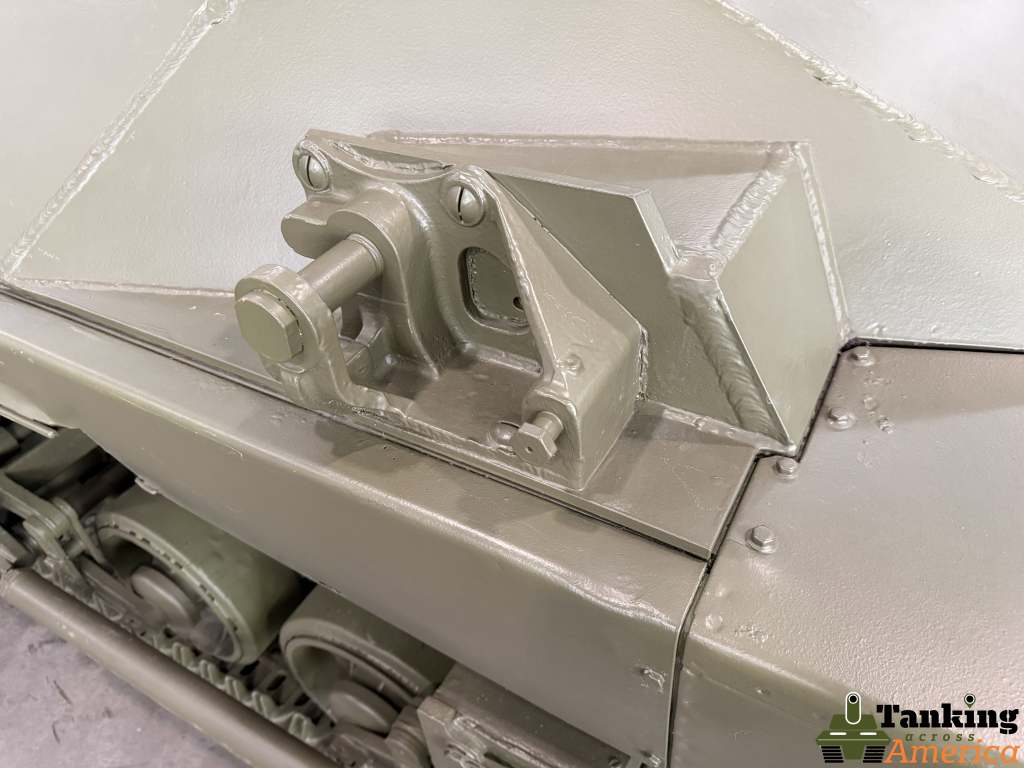
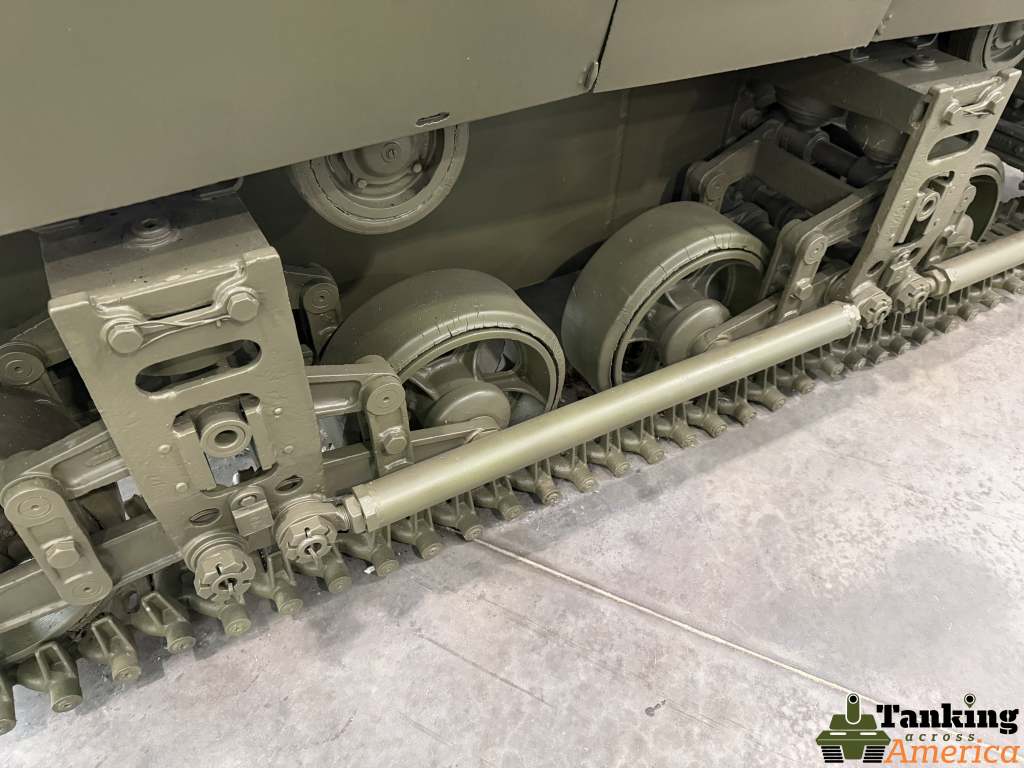
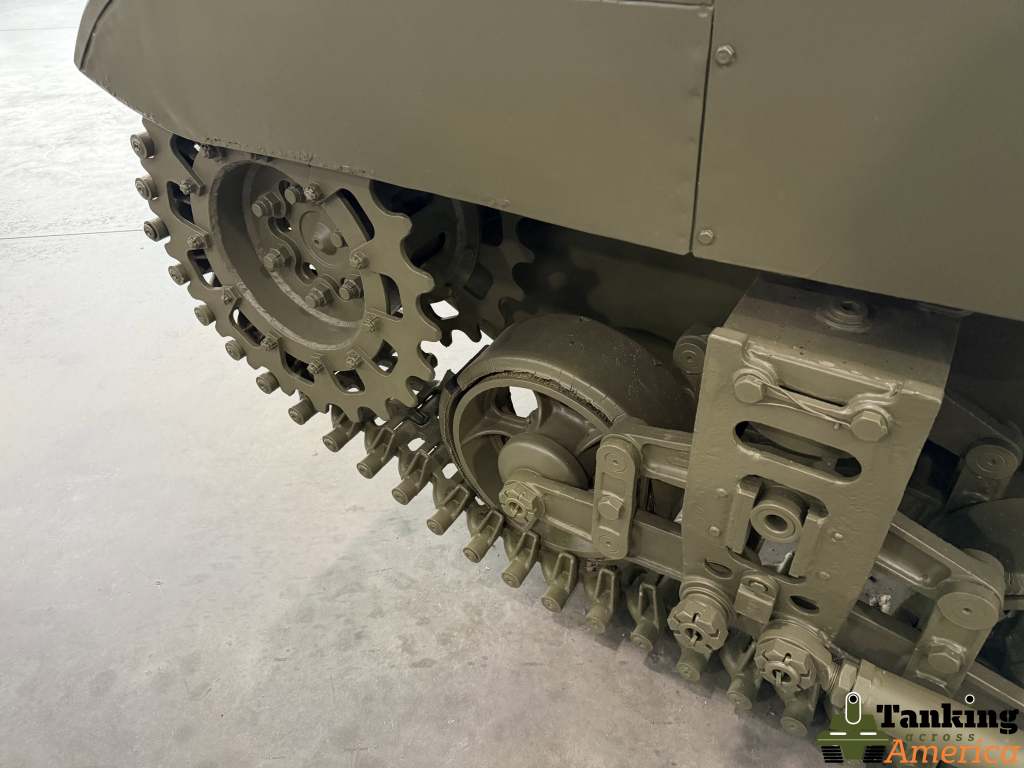
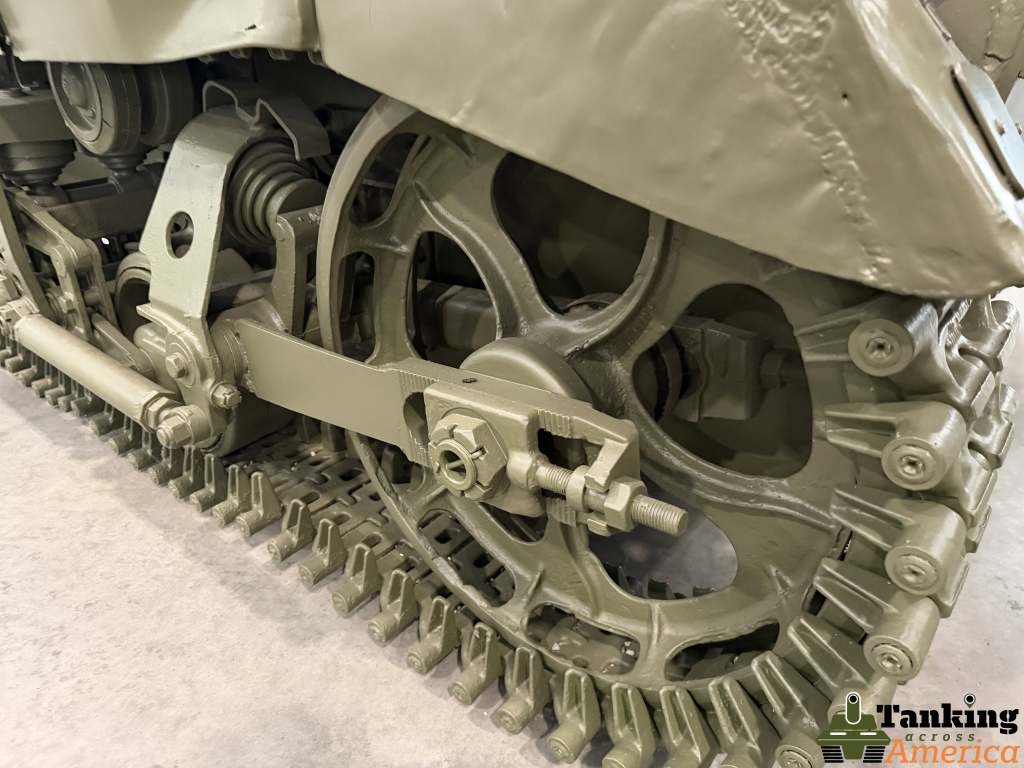
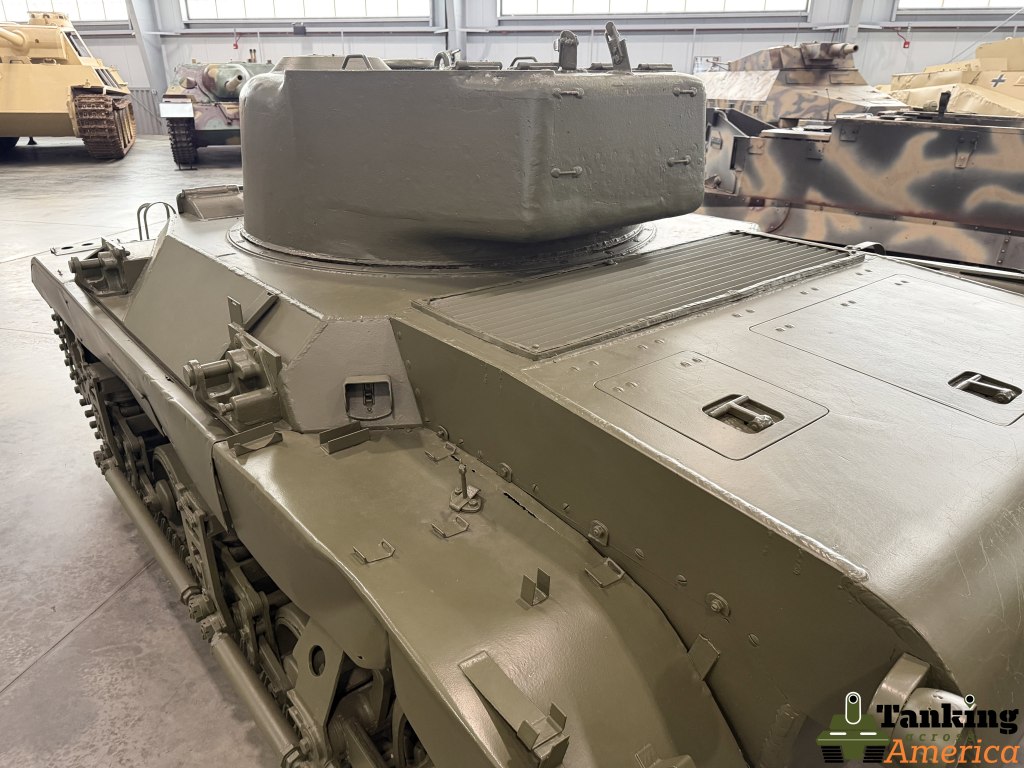
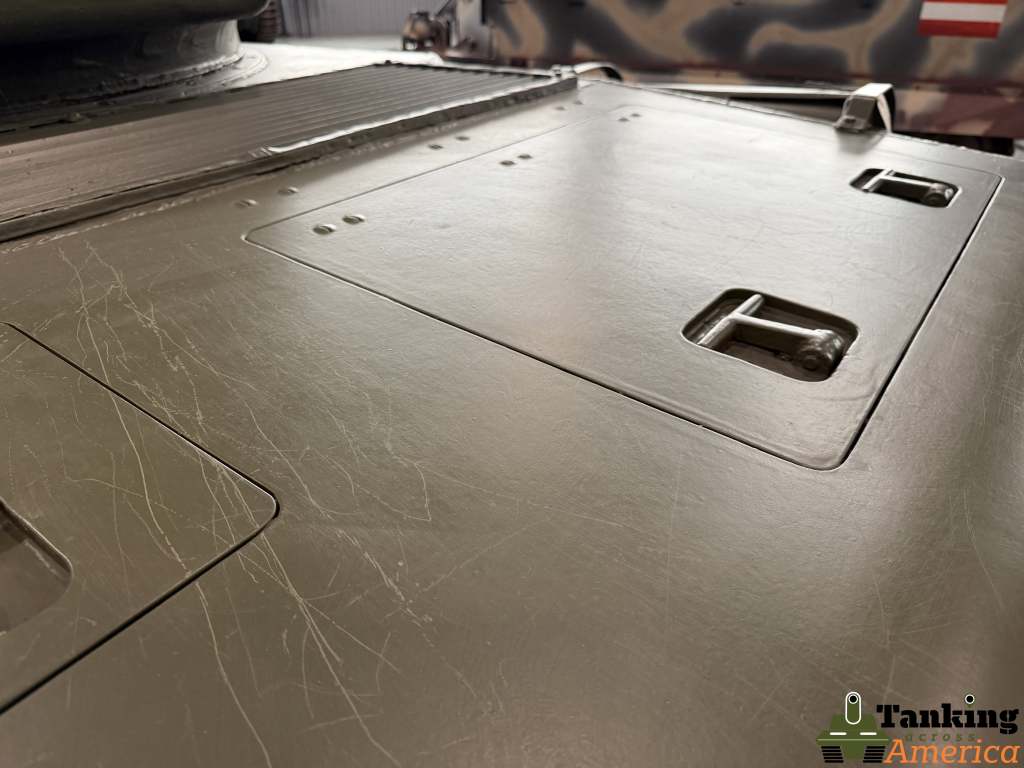
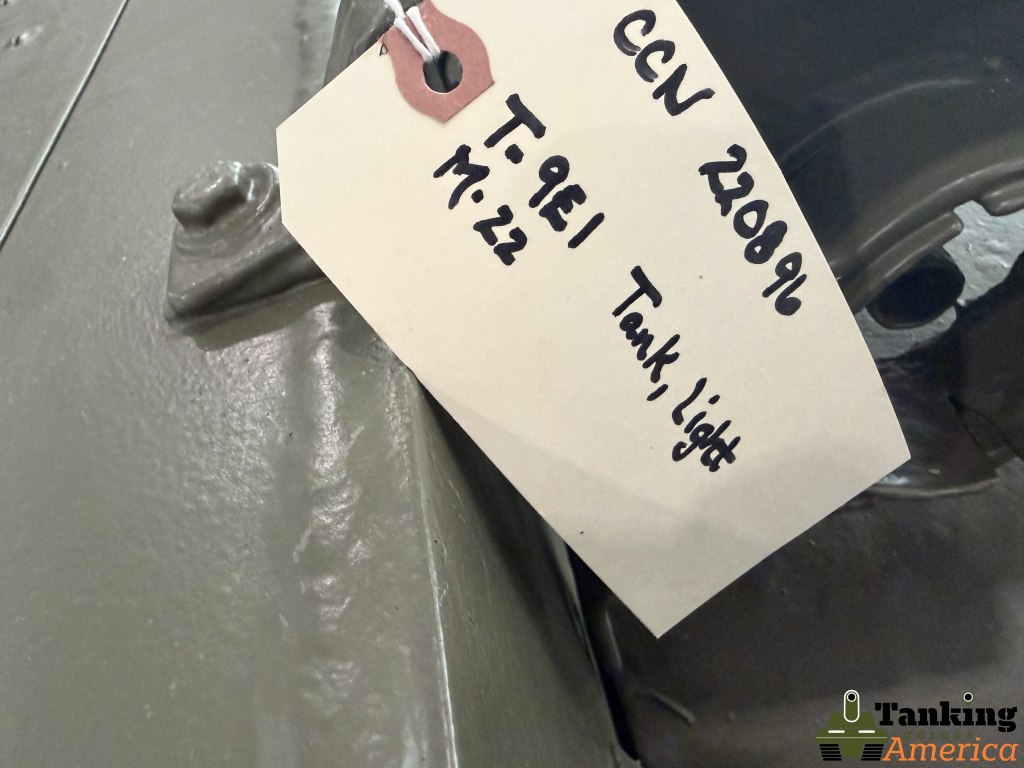
The Air-Transport Problem
Designing a tiny tank was only half the challenge. The other half was figuring out how to get it into battle.
The United States originally intended the M22 to work with the Douglas C-54 Skymaster transport aircraft. Unfortunately, the tank could not simply be driven intact into the aircraft.
Instead, the turret could be removed and carried inside the C-54 while the tank’s hull was transported beneath the aircraft.
That arrangement was technically possible, but hardly ideal for an airborne unit expected to land and immediately begin fighting.
The British had another solution.
Their large General Aircraft Hamilcar cargo glider had been designed specifically to carry heavy equipment for airborne forces. Unlike the American arrangement, the Hamilcar could carry a light tank intact.
This made the Locust considerably more practical in British service.
The British Take an Interest
Although the M22 was an American design, it was the British Army that ultimately gave the tank its most famous combat role.
Britain had already experimented extensively with airborne armored vehicles, including the Tetrarch light tank. Under Lend-Lease, the British received M22s and gave the vehicle the name by which it is best remembered today:
Locust.
The tank eventually equipped elements of the British 6th Airborne Armoured Reconnaissance Regiment.
Its big moment came during Operation Varsity on March 24, 1945.
Varsity was the massive Allied airborne operation supporting the crossing of the Rhine into Germany. British and American airborne forces were dropped or landed east of the river to capture important terrain and disrupt German defenses.
Among the aircraft approaching the landing zones were Hamilcar gliders carrying Locust tanks.
The Locust Goes to War
The Locust’s combat debut demonstrated both the possibilities and the limitations of airborne armor.
Eight Locusts were committed to Operation Varsity.
Simply reaching the battlefield was dangerous. Airborne operations exposed slow-moving transport aircraft and gliders to intense anti-aircraft and small-arms fire, while landing heavy equipment in fields created additional hazards.
Some of the Locusts were lost or damaged during the landing phase.
Those that became operational provided useful support to the airborne troops, but the fighting also revealed the tank’s vulnerabilities.
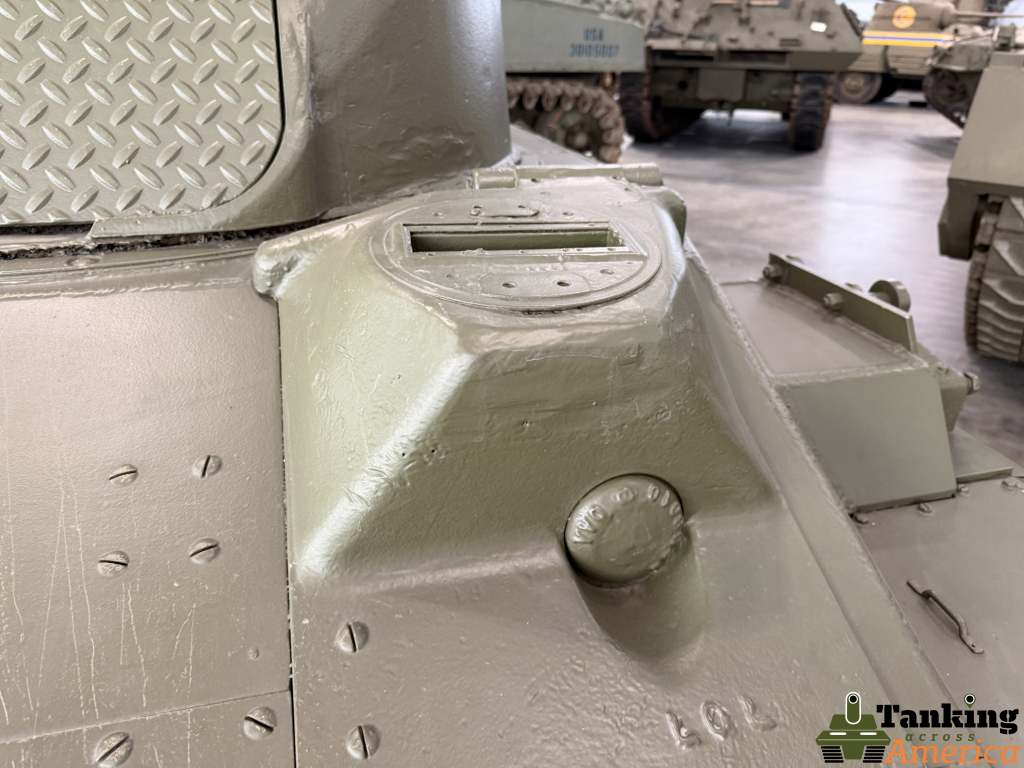
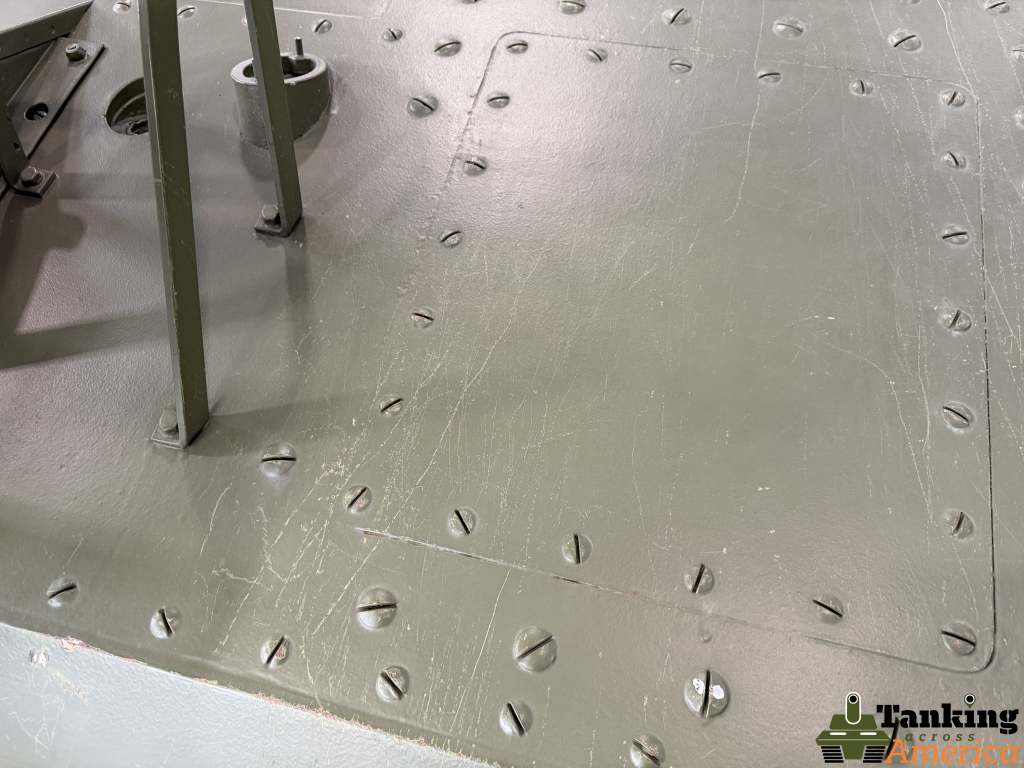
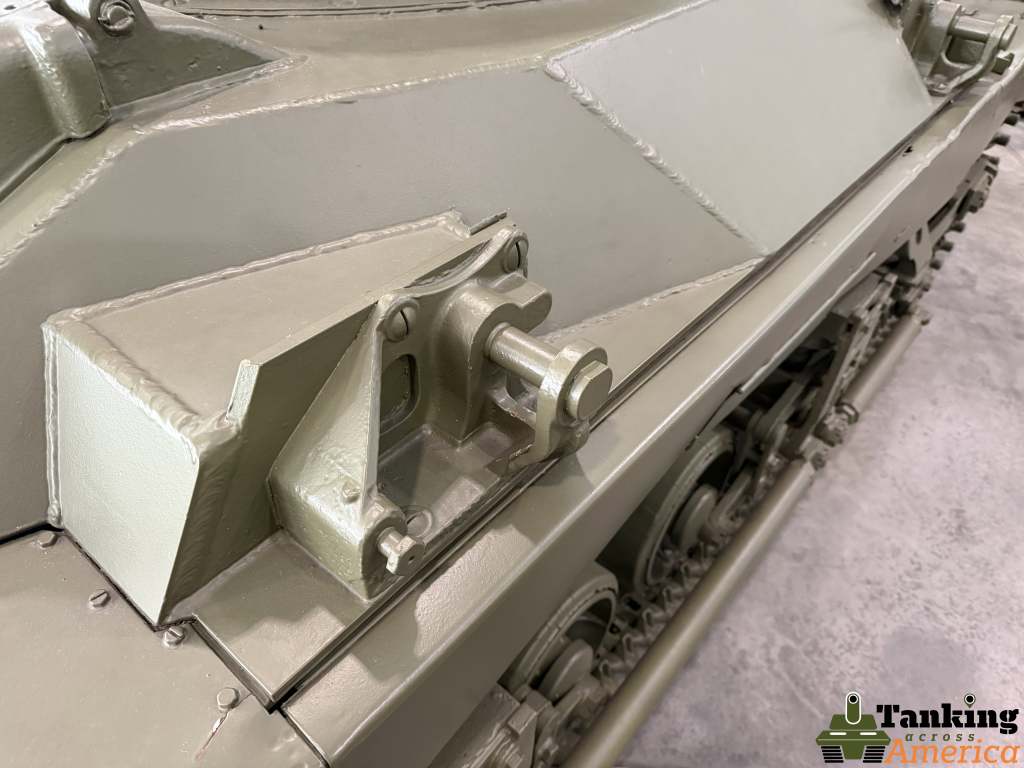
The Locust’s armor was extremely thin. Protection varied depending on the location, but the vehicle was designed to prioritize low weight rather than survivability. Heavy machine guns, anti-tank rifles, artillery fragments, and virtually any dedicated anti-tank weapon could pose a serious threat.
Its 37 mm cannon was also badly outclassed by 1945.
Against infantry positions, machine-gun nests, soft-skinned vehicles, and other lightly protected targets, the Locust could still be useful. Against late-war German tanks and anti-tank guns, however, its chances were considerably worse.
Too Specialized for Its Own Good
The M22 Locust illustrates one of the fundamental problems with airborne armored vehicles.
A tank normally benefits from three things: firepower, armor, and mobility.
Making a tank light enough to fly forces designers to compromise the first two.
More armor means more weight. A larger cannon means more weight. More ammunition means more weight. A bigger turret means more weight.
The aircraft transporting the tank imposes an unforgiving limit on all of them.
The Locust therefore became a tank optimized not primarily for fighting, but for being transported to the fight.
That distinction mattered.
By 1944 and 1945, even ordinary medium tanks carried guns and armor far beyond what designers had anticipated when development of the M22 began. The Locust entered service in a battlefield environment that had evolved faster than the vehicle itself.
An American Tank That America Never Used in Combat
One of the strangest aspects of the M22’s story is that although the United States developed and produced it, American forces never used the Locust in combat.
More than 800 were manufactured before production ended in 1945, but the U.S. Army ultimately concluded that the vehicle’s limitations—and the difficulties involved in transporting it—reduced its usefulness.
The British proved that an airborne tank could actually be delivered into battle by glider, but Operation Varsity also demonstrated just how vulnerable such a vehicle could be once it arrived.
After World War II, the Locust quickly became obsolete.
Some vehicles nevertheless continued their careers abroad. A number eventually served with foreign militaries, including Egypt, extending the life of a tank originally conceived for a very specific wartime mission.
A Fascinating Dead End in Tank Development
It would be easy to dismiss the M22 Locust as a failed tank.
That interpretation misses what makes the vehicle interesting.
The Locust represented an attempt to solve a genuinely difficult tactical problem. Airborne forces needed mobile firepower, but the aircraft of the early 1940s placed severe restrictions on what could accompany them.
Engineers responded by creating one of the smallest operational tanks of World War II.
The result wasn’t powerful enough to compete with conventional tanks, and the technology required to transport it remained cumbersome. But the underlying idea—giving rapidly deployed troops their own armored fire support—didn’t disappear.
Later generations would approach the problem using larger transport aircraft, air-droppable armored vehicles, helicopters, anti-tank missiles, and increasingly mobile infantry weapons.
In that sense, the M22 Locust belongs to an important period of experimentation in airborne warfare.
It may have been tiny. It may have arrived too late. And it certainly wasn’t going to win a duel with a Panther.
But few tanks can claim they were designed with the expectation that flying to the battlefield was simply part of the job.
A strong next step would be adding a specifications box, Operation Varsity sidebar, and SEO title/meta description to turn this into a more polished history-site article.