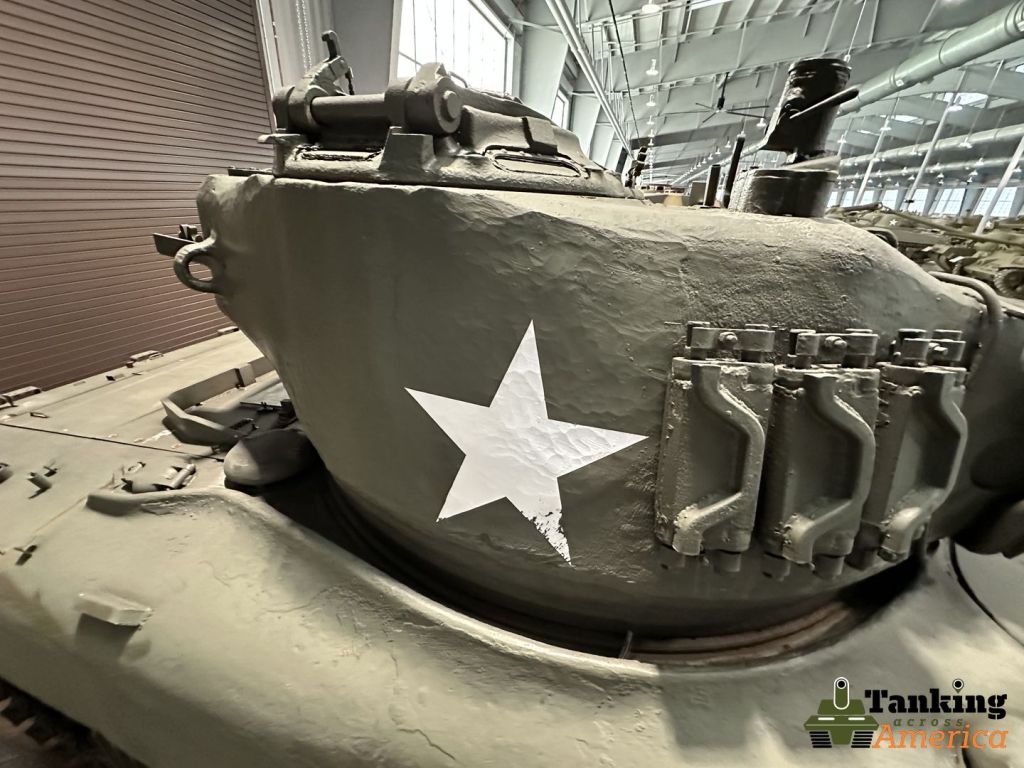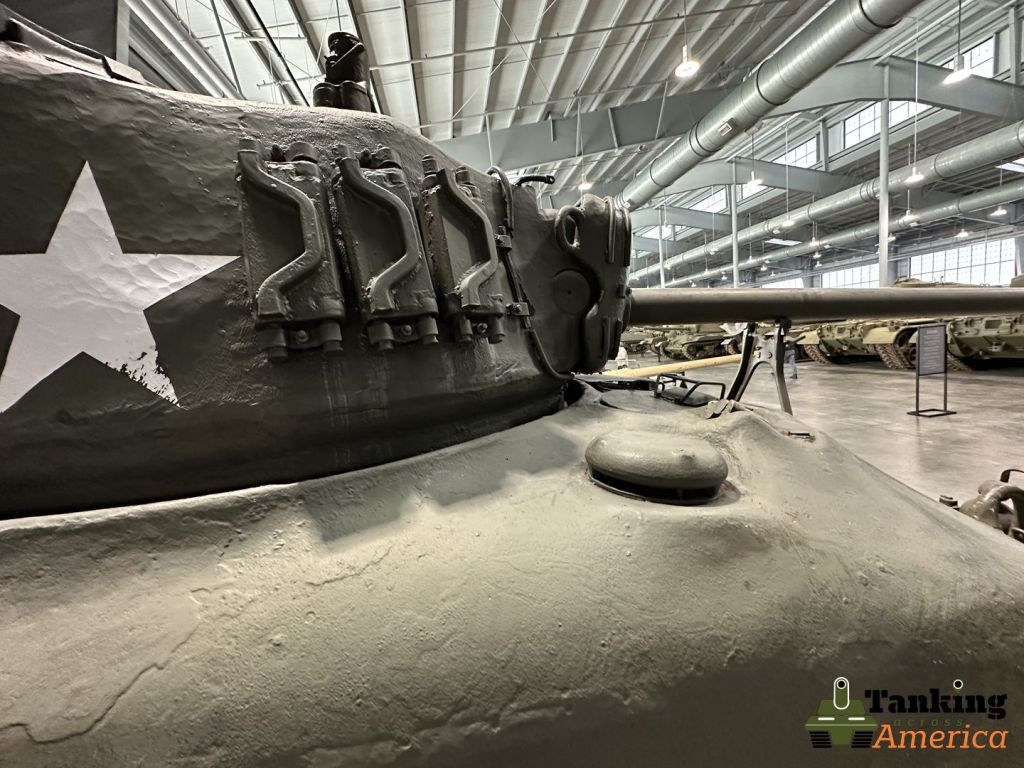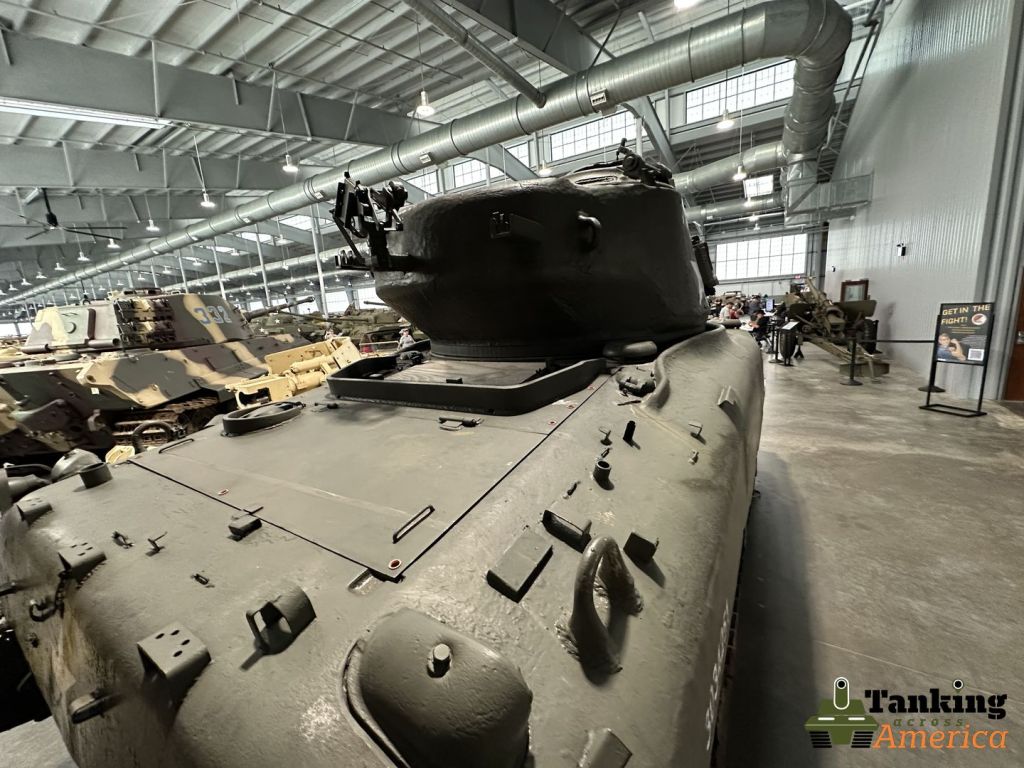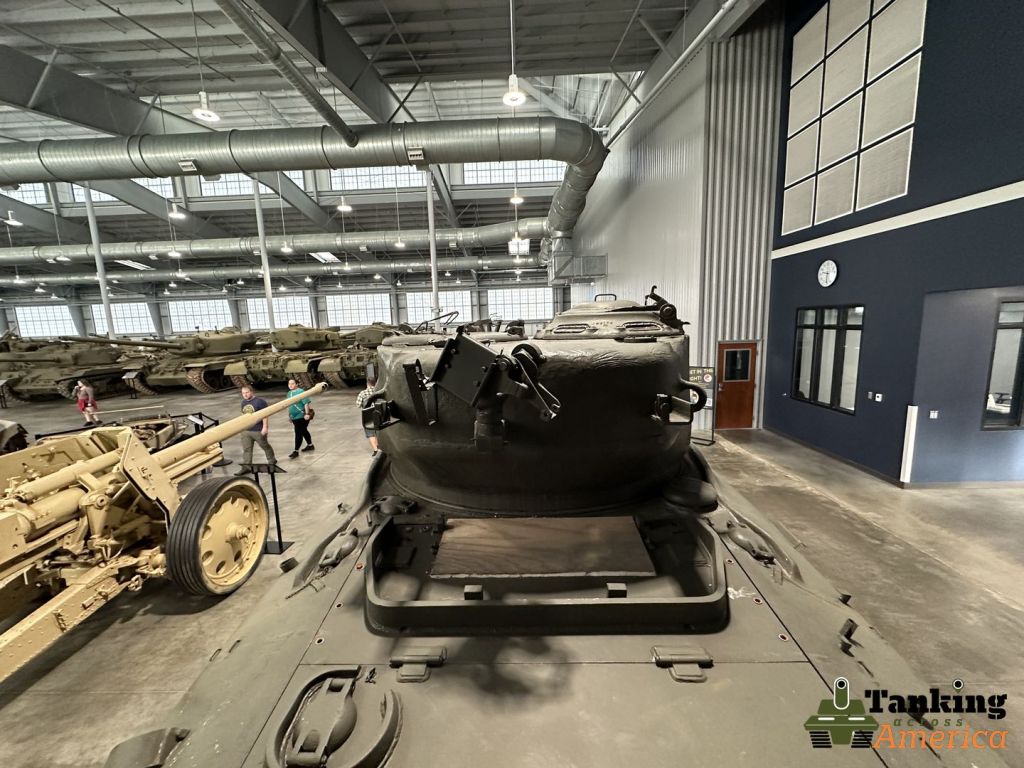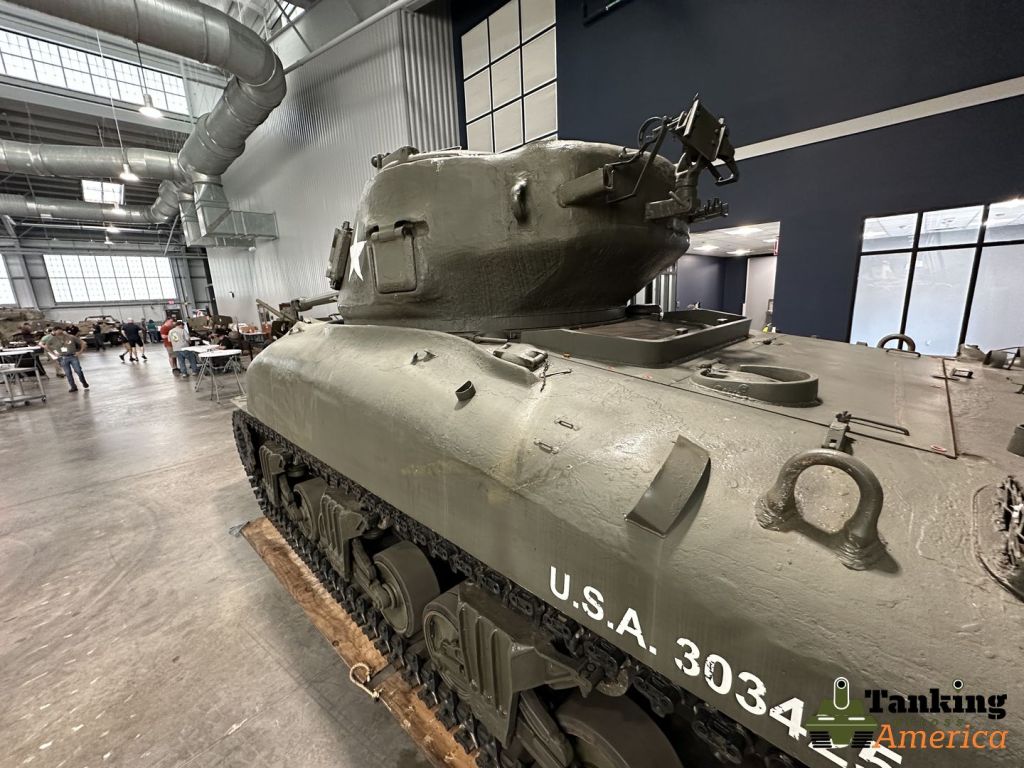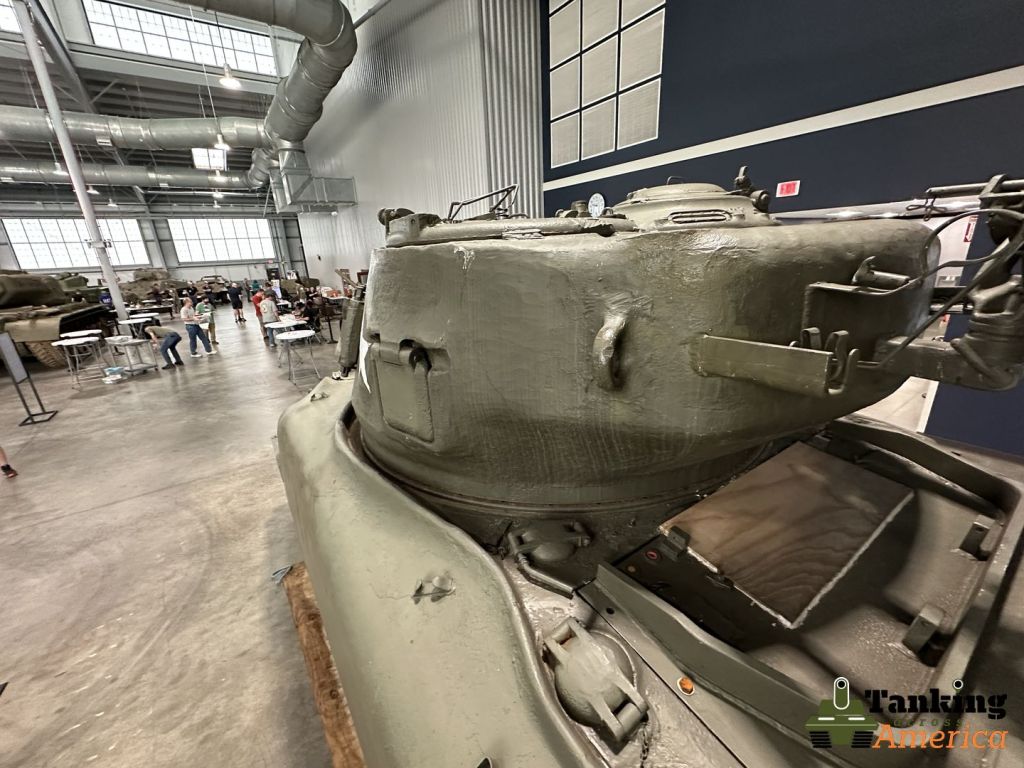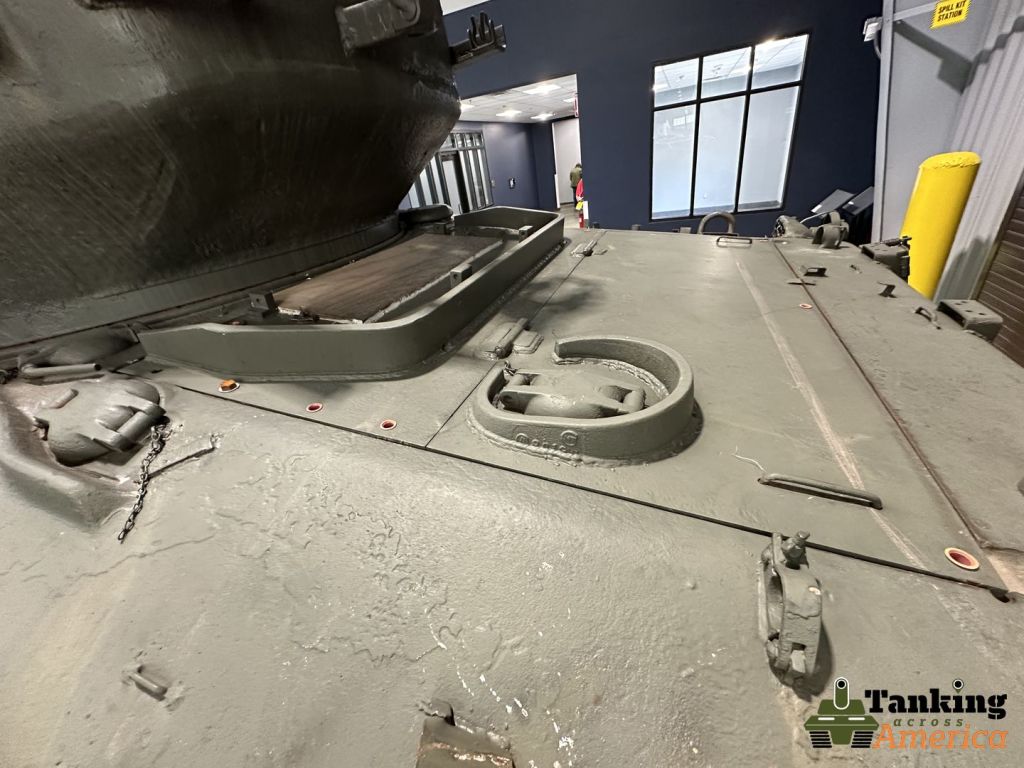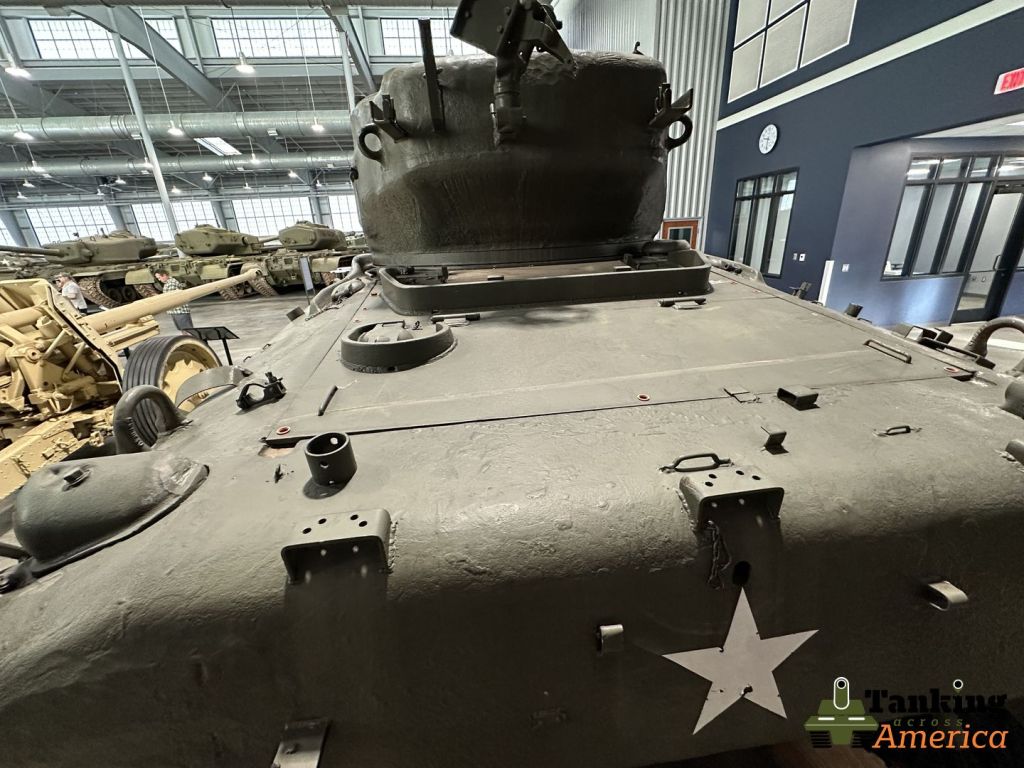
A Historic Homecoming: M4A1(76)W Sherman Returns After 80 Years

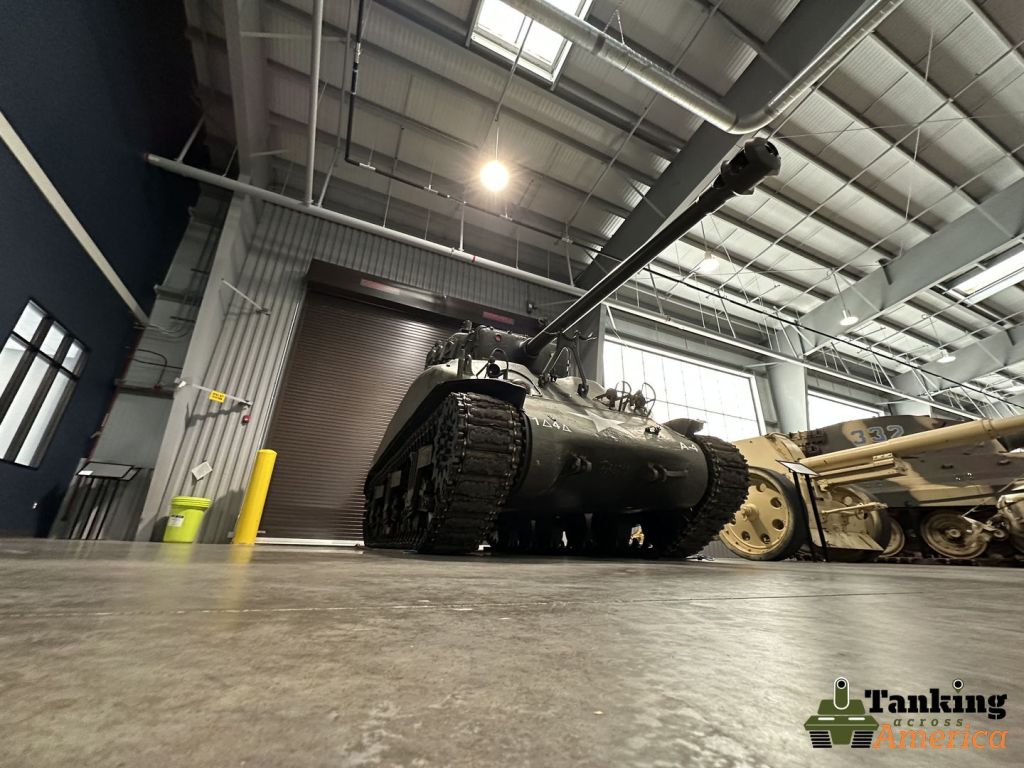
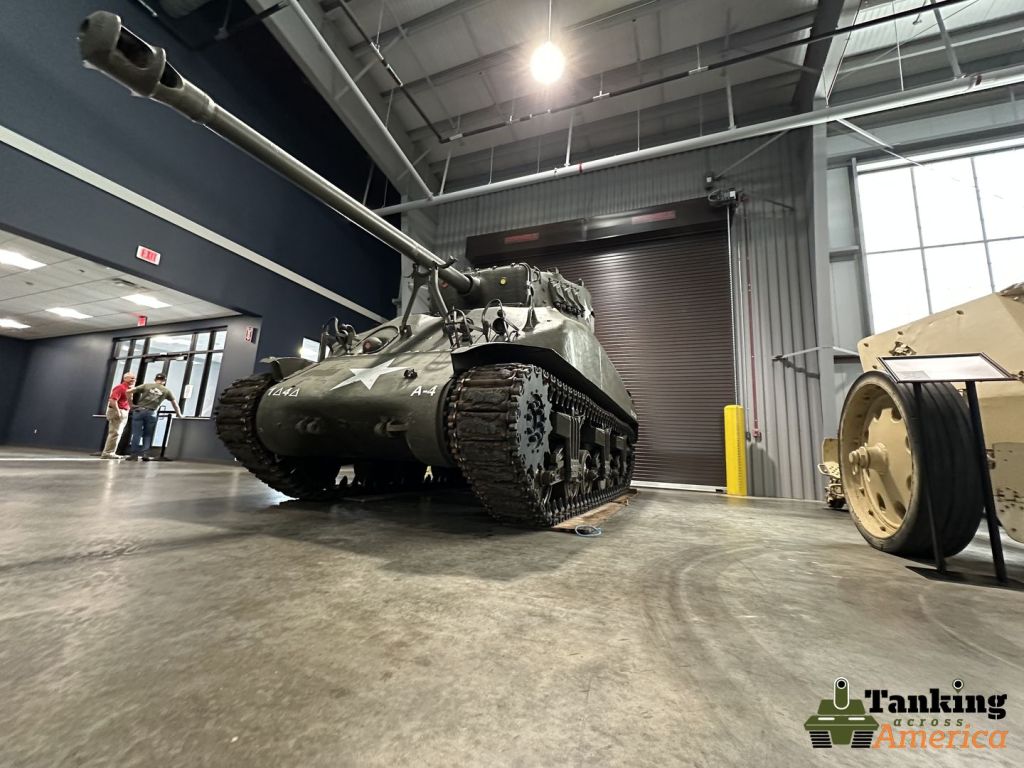
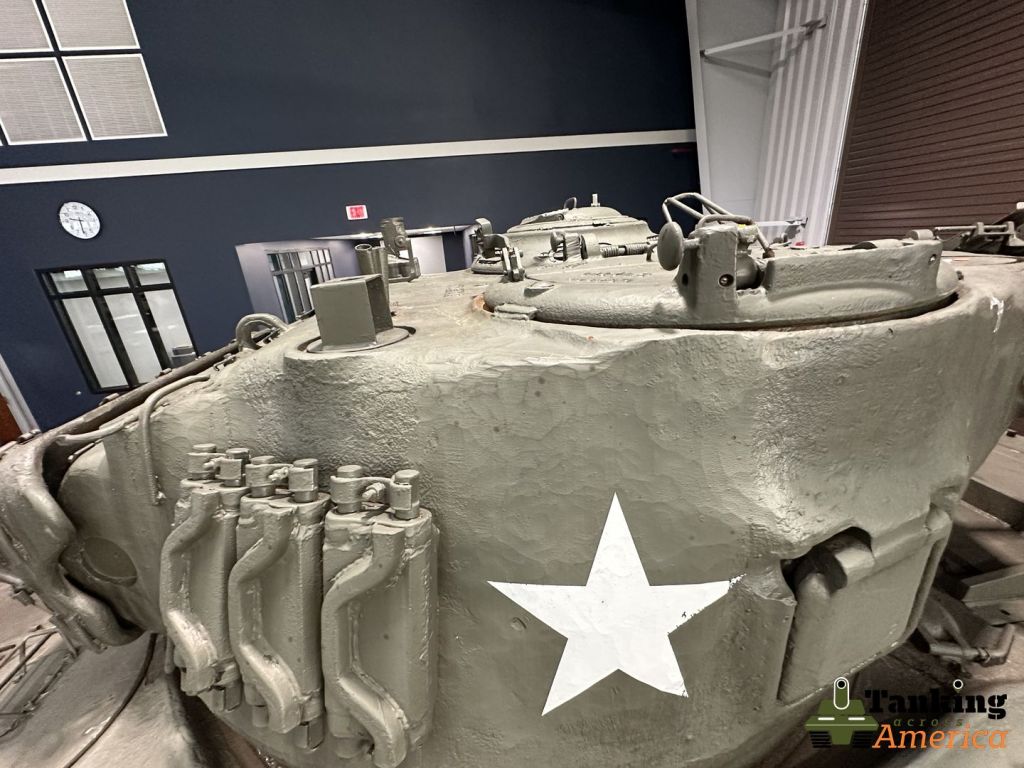
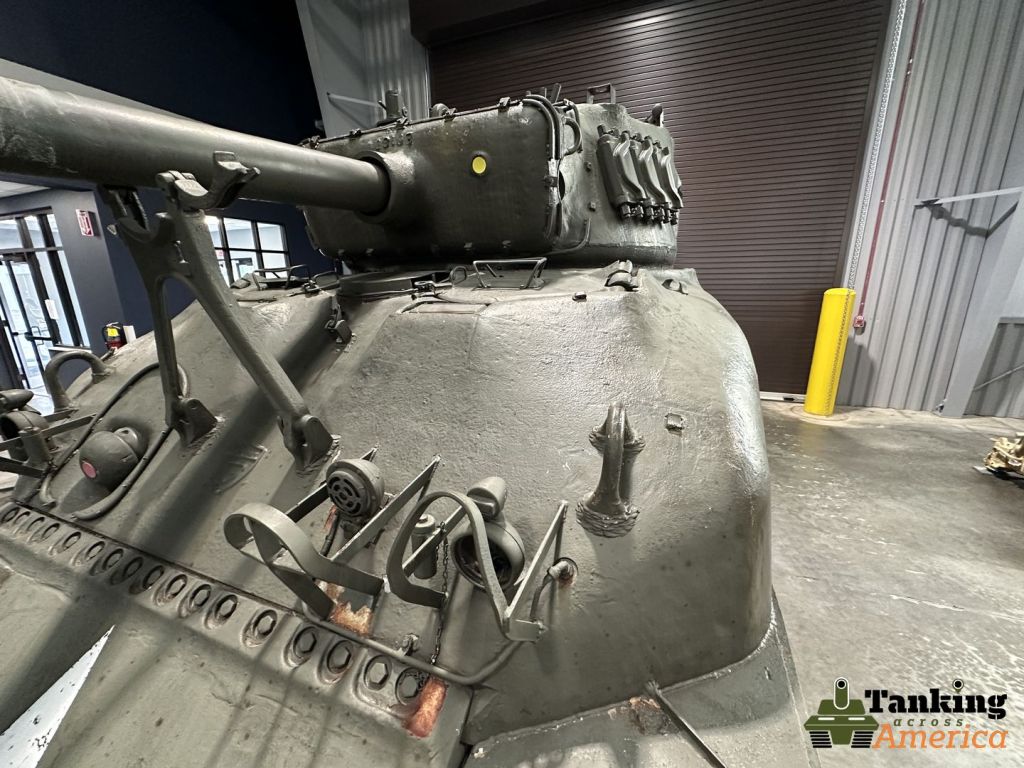
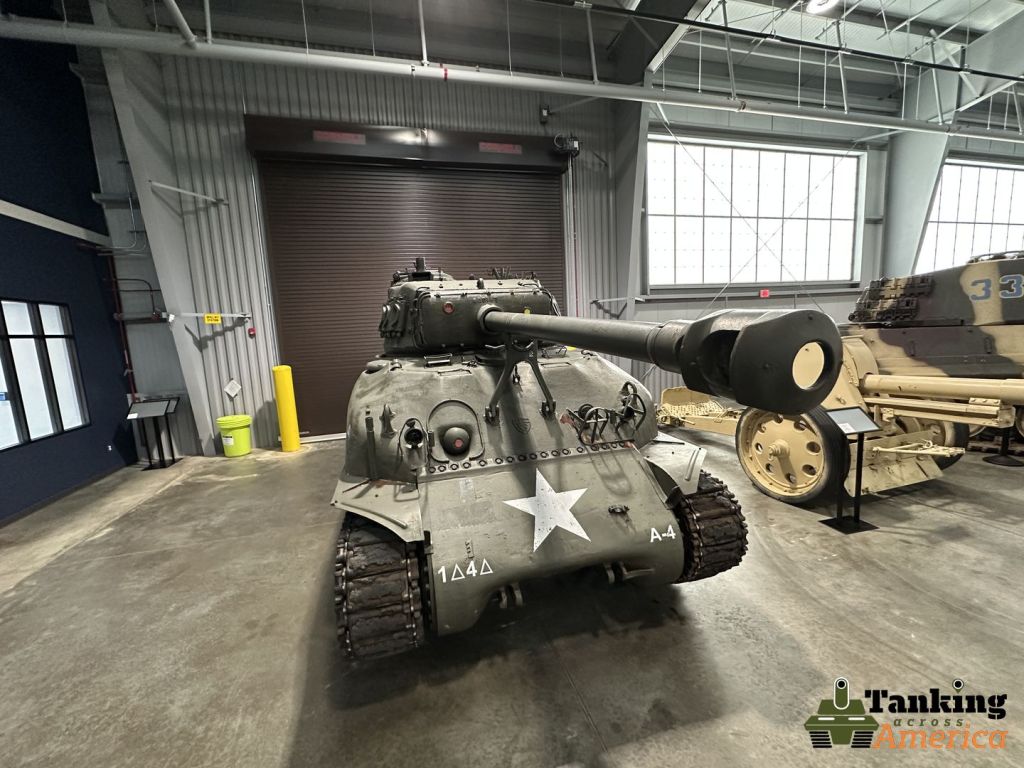
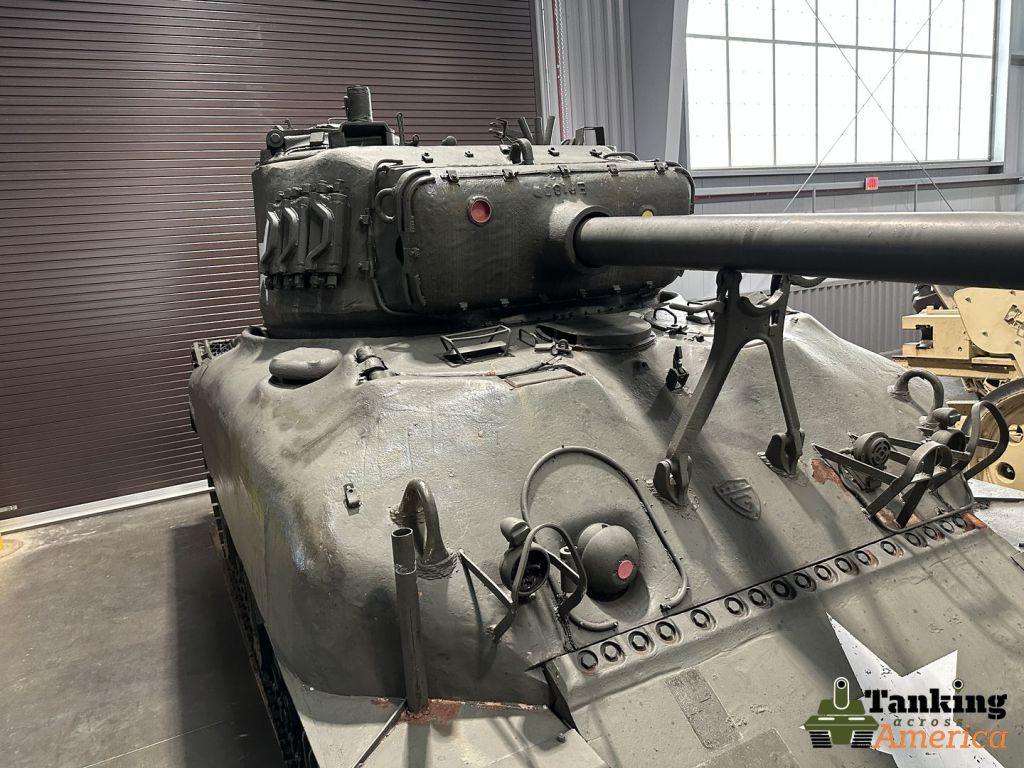
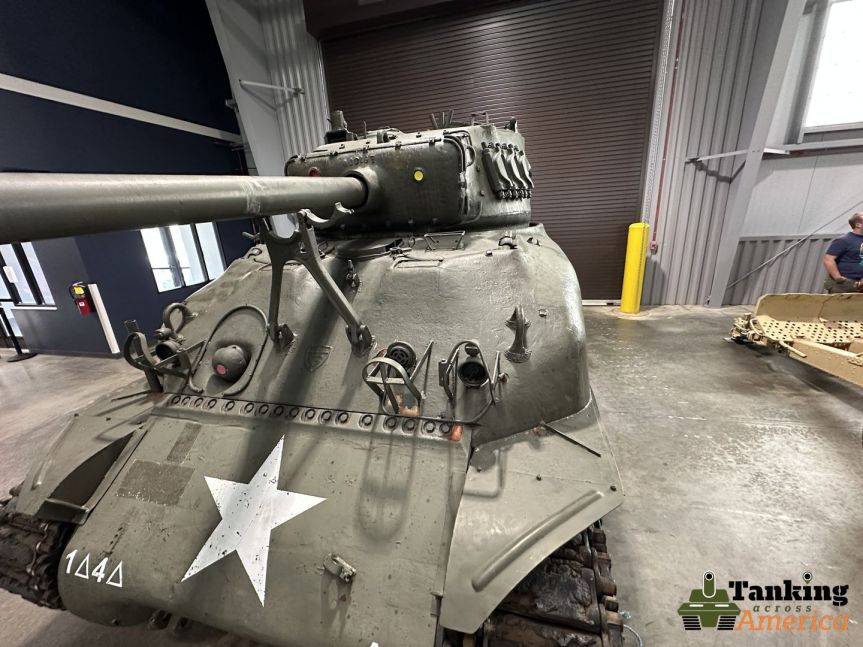
This past fall, history rolled back into the US Army Armor and Cavalry Collection—literally. After eight decades abroad, an American World War II tank has made its way home from Europe. This is no ordinary Sherman, but a rare M4A1(76)W, one of the first U.S. tanks to carry the longer and more powerful 76 mm M1 gun.
The Sherman’s Role in WWII

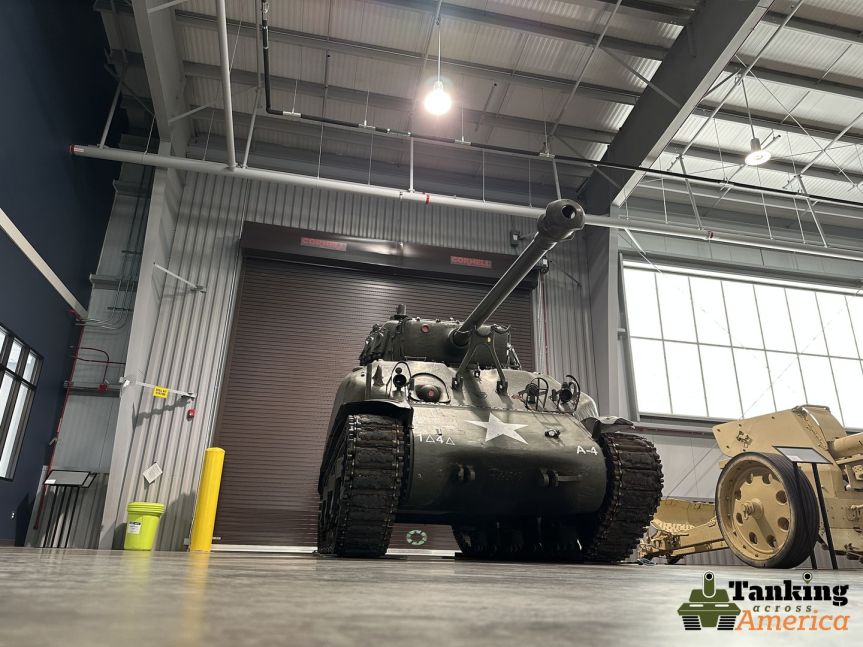
The M4A1(76)W represented a significant upgrade to the iconic Sherman line, offering increased firepower to meet the evolving challenges of armored warfare. These “up-gunned” Shermans first saw combat in Operation Cobra, the Allied breakout from Normandy in the summer of 1944.

In 1944 alone, the Pressed Steel Car Company produced 2,171 of these tanks, followed by 1,255 more in 1945 that featured the later horizontal volute suspension system. But of all those thousands, the one that just arrived in our care holds a unique distinction.
The Oldest Known Survivor

The newest arrival is only the fourth M4A1(76)W ever built—and the oldest surviving example known today. Constructed in January 1944, it was shipped to the United Kingdom in April 1944 and assigned to an American unit by July 1944, just in time for Operation Cobra.

After the war, it received upgrades and modifications before embarking on a new chapter in the early 1950s as part of the U.S. Mutual Defense Assistance Program, likely serving in the French military. Eventually, it was returned to the U.S. Army and placed as a monument at the American base in Baumholder, West Germany, where it stood sentinel for decades.

From Europe to the Collection

Now back on U.S. soil, the M4A1(76)W has taken up a temporary position in one of the restoration bays. The goal is to present it in the wartime paint scheme of “In the Mood.” While its journey home marks an important milestone, the mission is far from over—the goal is to restore it for near time display in 2025, honoring its combat service and historical significance.
Steel and Legacy: The M46 Patton Tank at the First Division Museum

Introduction
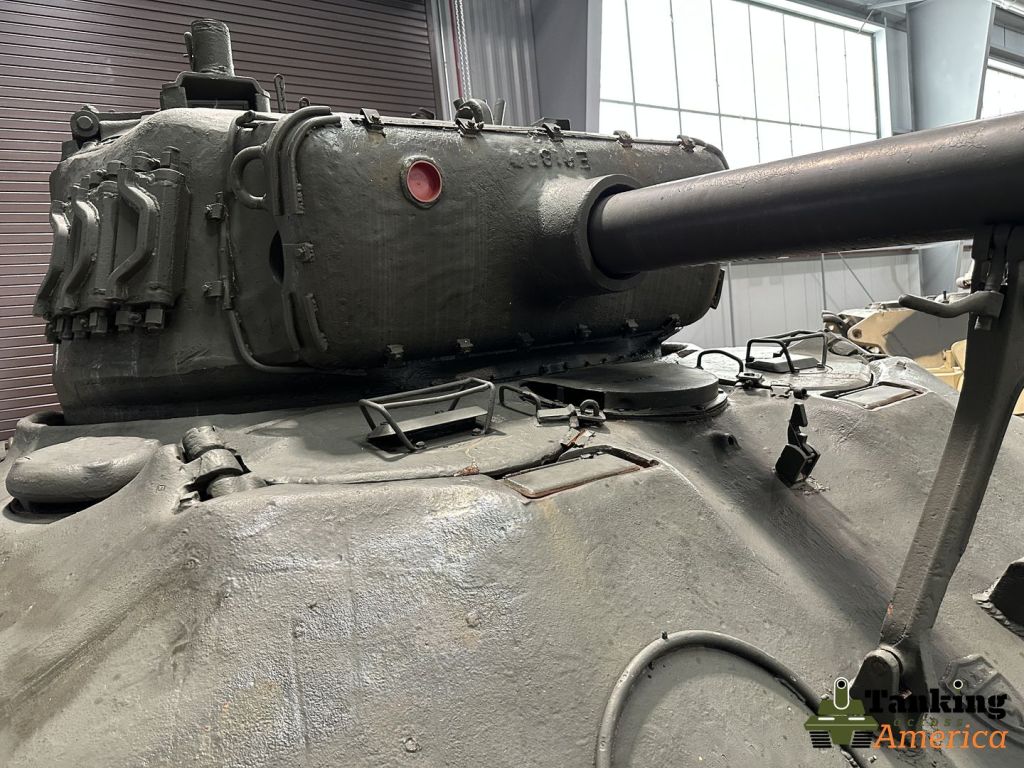
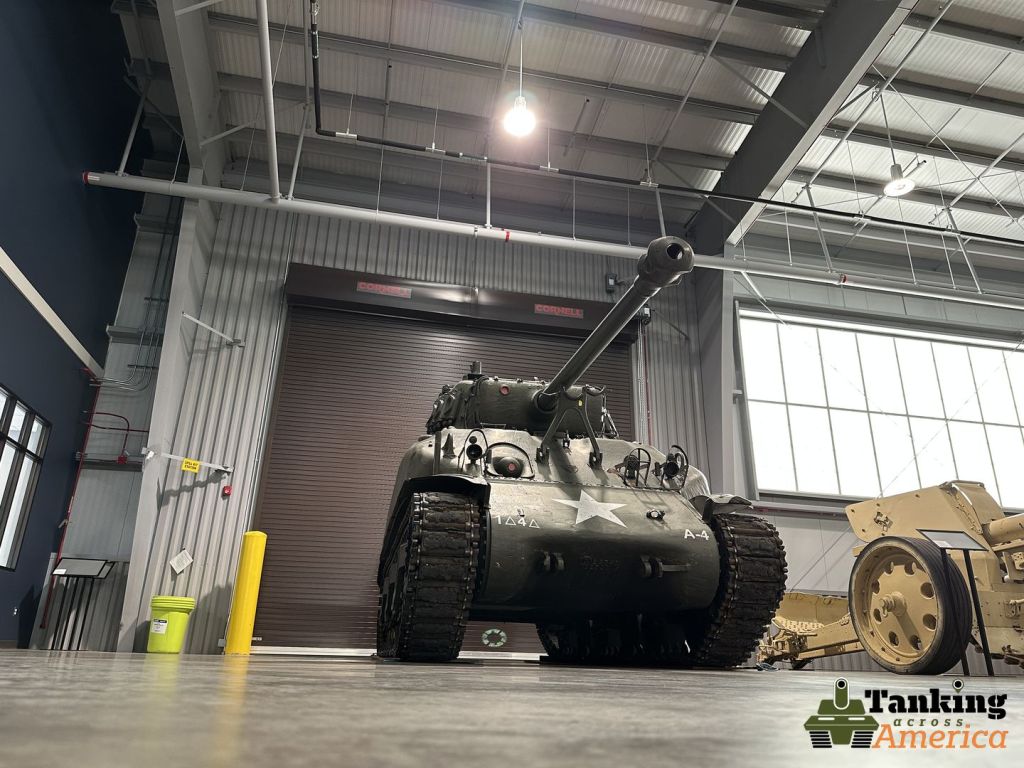
In the leafy grounds of Wheaton, Illinois, where Cantigny Park unfolds as both sanctuary and memorial, stands a formidable relic—the M46 Patton tank. Nestled within the tank park of the First Division Museum, this Cold War-era war machine quietly tells a story of innovation, conflict, and remembrance.
A Brief History of the M46 Patton
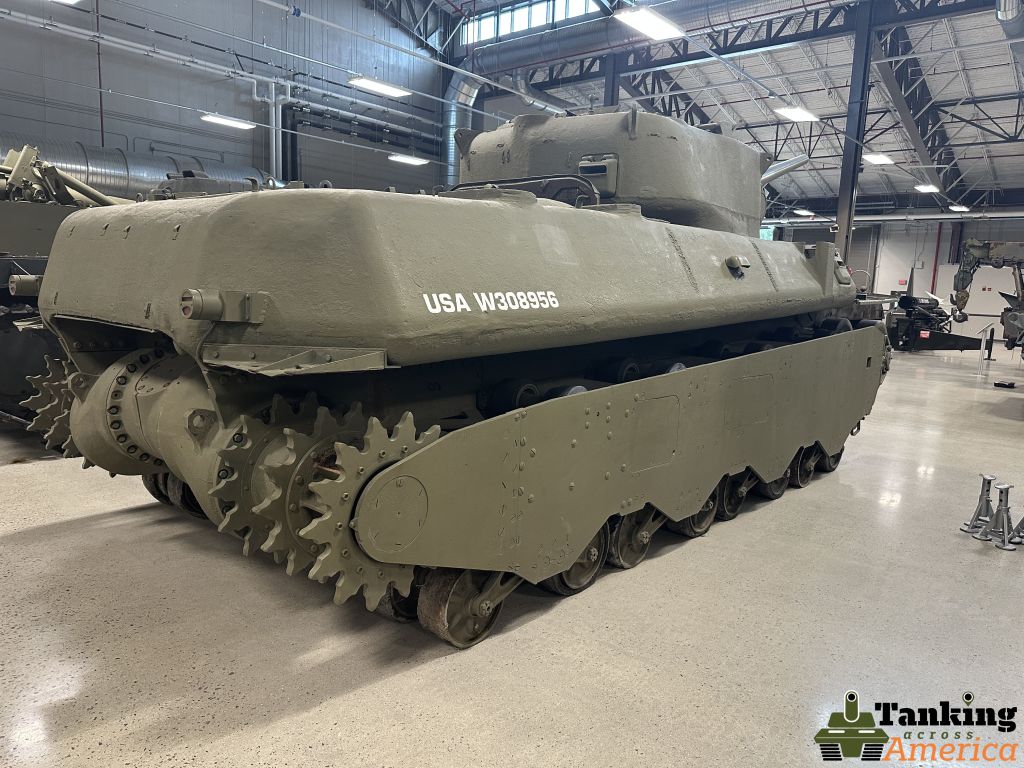
Emerging from the shadow of World War II, the M46 Patton was conceived as a superior successor to the M26 Pershing. Updated with a more powerful Continental AV‑1790 engine and a refined 90 mm gun, it offered superior speed, maneuverability, and firepower during the Korean War—proving its worth against rugged Soviet-made T‑34/85s and supporting combat operations long after hostilities had ceased.

A Feature in the Tank Park
Today, the M46 Patton is a highlight of Cantigny’s immersive Tank Park—an open-air collection of military vehicles where, uniquely, visitors are encouraged to climb aboard and explore. It’s part of a dozen or more tanks displayed in the park, with each offering a tactile connection to First Division’s storied past.

Design and Specs Snapshot

  • Weight & Crew: Approximately 48.5 tons, operated by a five-person crew First Division Museum.
  • Armament: Fitted with a 90 mm main gun complemented by .30‑caliber and .50‑caliber machine guns in the turret and hull Wikipedia+3First Division Museum+3Wikipedia+3.
  • Performance: Powered by an 810‑hp air-cooled engine, it could reach speeds up to 30 mph with an operational range near 80 miles

Experiencing It Today
Visitors to Cantigny don’t merely observe the M46—they experience it. The museum’s hands-on approach brings history to life, allowing one to literally climb into the past. The surrounding gardens, interactive exhibits, and reminders of the First Infantry Division’s service—from WWI to modern times—frame the M46 as both education and tribute First Division Museum+8We Are The Mighty+8artsdupage.org+8.

Why It Matters

  • A Technological Bridge: The M46 represents a pivotal shift between WWII and Cold War tank design, blending inherited strengths with enhanced mobility and firepower.
  • Legacy of the First Division: As the 1st Infantry Division (the “Big Red One”) fought in Korea and beyond, the M46 played a key role in reinforcing American armored doctrine and battlefield resilience.
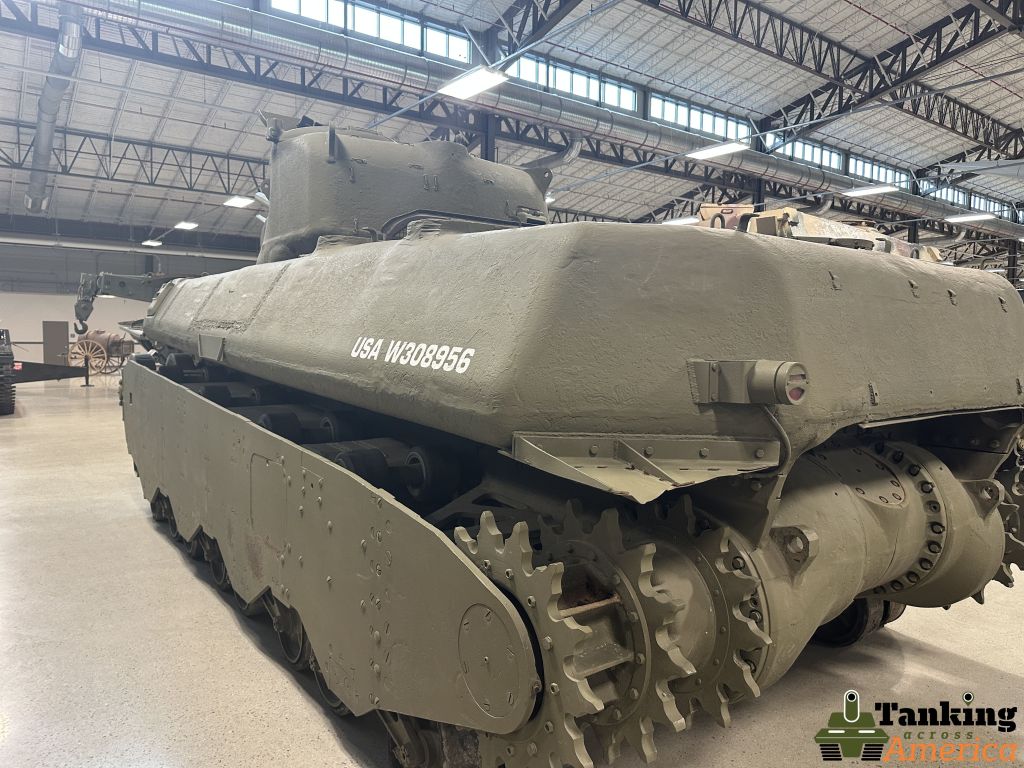
  • From Combatant to Classroom: Now static, this once-mobile war machine educates visitors—transforming lessons of strategy, engineering, and sacrifice into something felt.

Conclusion
At Cantigny Park, the M46 Patton stands not as a mute steel artifact, but as a vibrant educator. It embodies the dual heritage of military innovation and historical remembrance. Climb up, run your hands along its cold steel, sit in the driver’s seat—and for a moment, feel time reverse, and the tank return to its true purpose.

The T1 Heavy Tank: America’s Early Heavy Armor Experiment

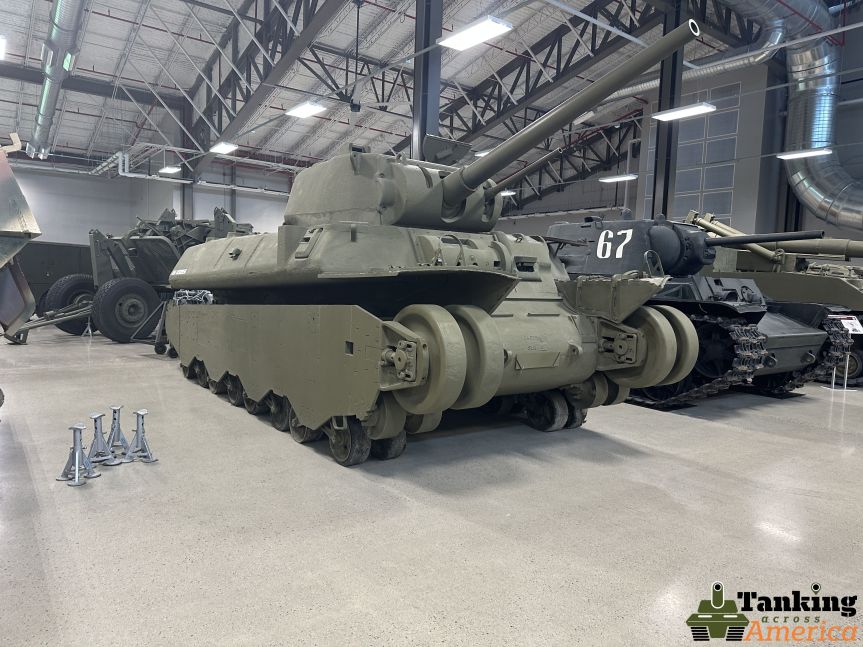
The United States Army’s Ordnance Training Support Facility, located at Fort Lee, you can find the last remaining T1 (T1E1/M6) in existence. The US Army has recently allowed for Open House events to be held the Ordnance Training Support Facility and I was able to attend the first of these.
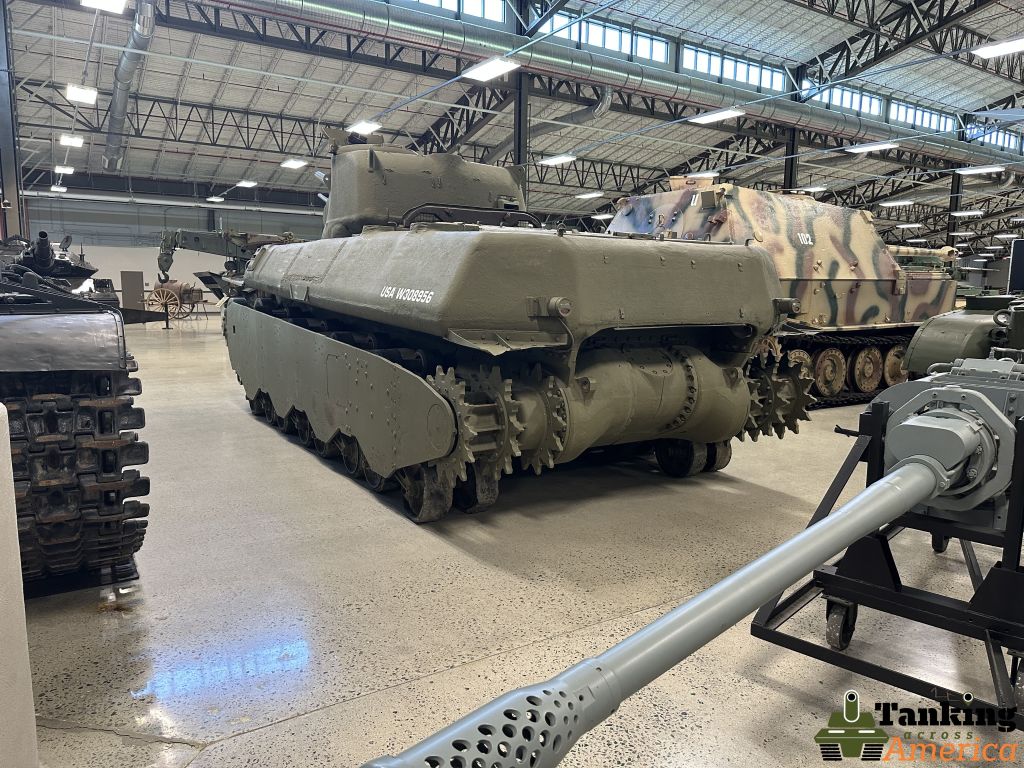
Enjoy these photos and history. There are additional Open House days in the future so keep an eye on the Fort Lee Facebook page for details. Also, look for additional posts on the vehicles and items at the Ordnance Training Support Facility. It is quite an amazing place.

When World War II erupted in Europe, the U.S. Army recognized its existing tanks wouldn’t withstand modern battlefield threats. In response, Project T1 began in spring 1940—to produce a 50-ton “land battleship” with potent firepower and heavier armor.

Prototypes & Evolution

Several T1 variants were produced during development:

Full production plans aimed for about 5,000 units, but only around 40–45 tanks were ever built.

T1E1: Featuring an electric-drive system and later known unofficially as M6A2; approximately 2–3 units built.

T1E2 & T1E3: Hybrid models using mechanical transmissions; standardized by mid‑1942 as M6 and M6A1 respectively .

Performance & Issues

  • Engine: Powered by a Wright G‑200 radial engine producing around 825–960 hp, paired with early hydromechanical transmissions, the tank struggled to reliably move its bulk.
  • Mobility: Speeds topped out around 23–25 mph on-road. However, drivetrain reliability remained a persistent issue.
  • Crew: Between 6 and 7 men were needed to manage its heavy weapons and systems efficiently.

Legacy & Historical Importance

Though never deployed in battle, the T1 program provided invaluable lessons—and set the stage for improved heavy‑tank designs like the M26 Pershing, which finally saw service in WWII’s final months.

Summary Table

FeatureSpecification
Weight~50 tons
ArmorUp to 83 mm
Armament76 mm + 37 mm guns, MGs
Crew6–7 men
Engine Power~825–960 hp
Top Speed≈ 23–25 mph
Production Quantity~40–45 units
Combat UseNone

Final Thoughts

The T1 Heavy Tank exemplifies a bold chapter in U.S. armored vehicle development—a bridging design between grandiose interwar ideals and pragmatic wartime production realities. Though overshadowed by more famous armored vehicles, it deserves recognition for pushing tank engineering forward. For enthusiasts and historians alike, the T1/M6 remains a testament to ambition, design evolution, and the lessons hard‑learned on the path to modern mobile warfare.