A Historic Ride Home: The WWII Sherman Tank Finds a New Honor on Campus

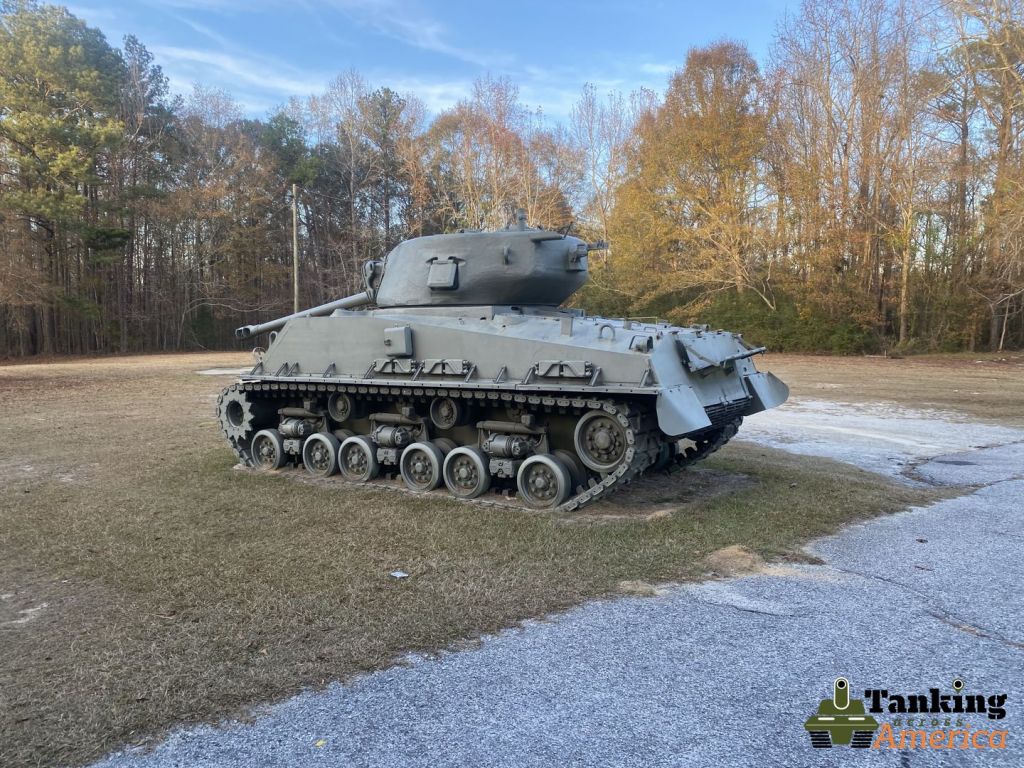
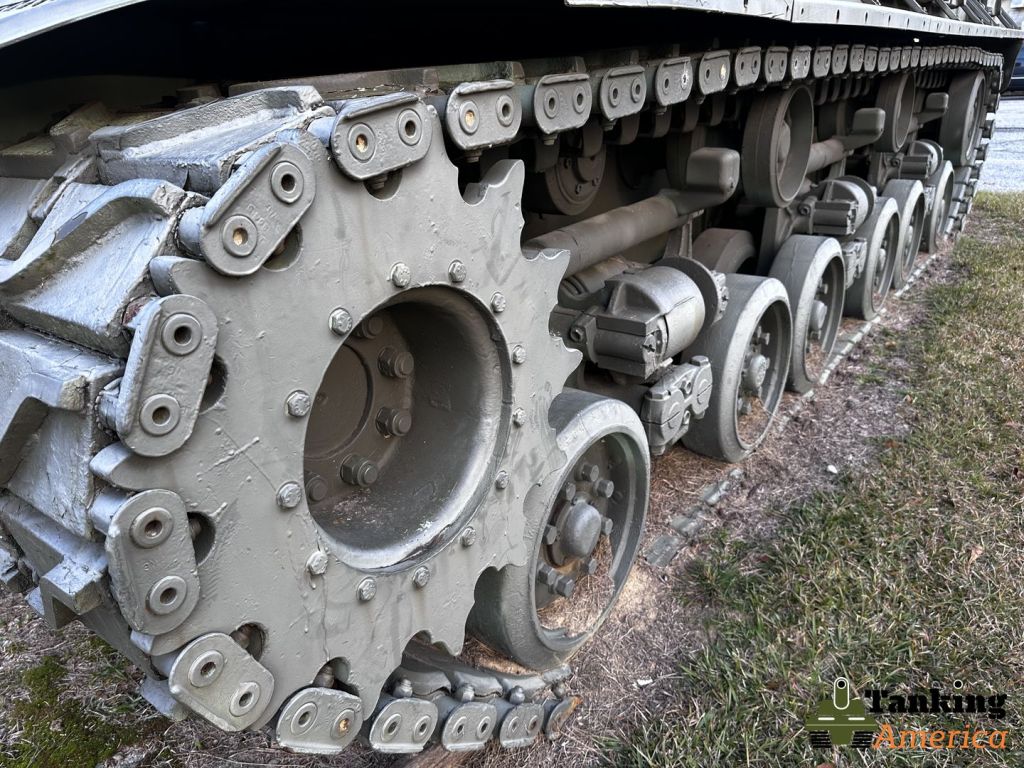
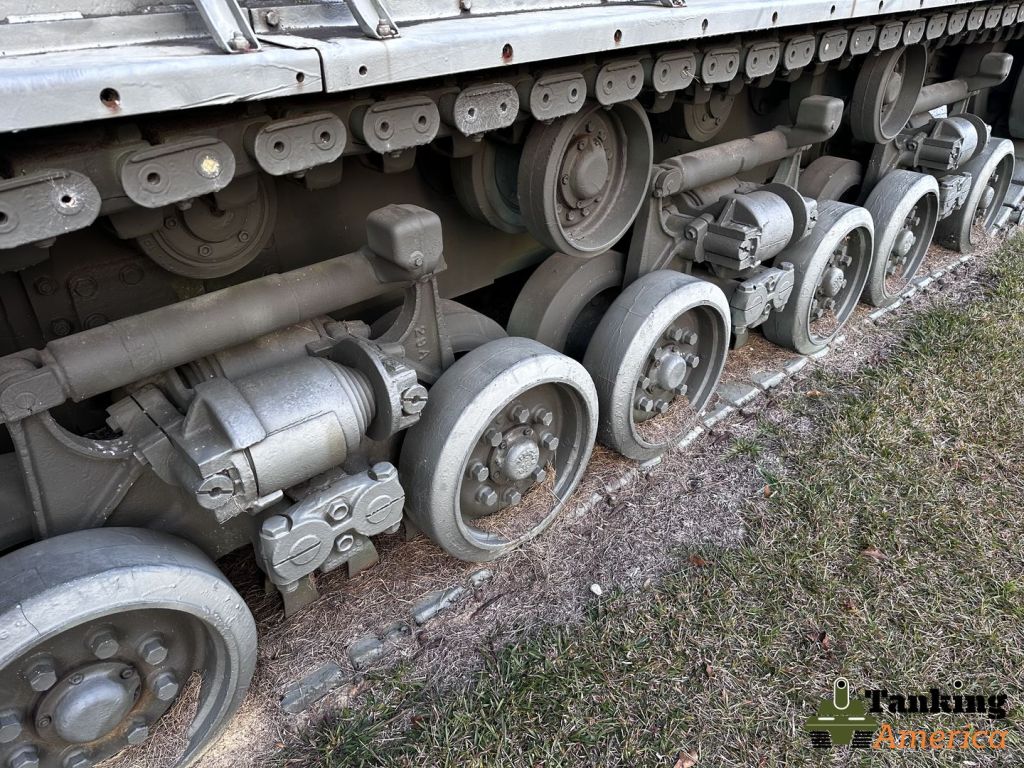
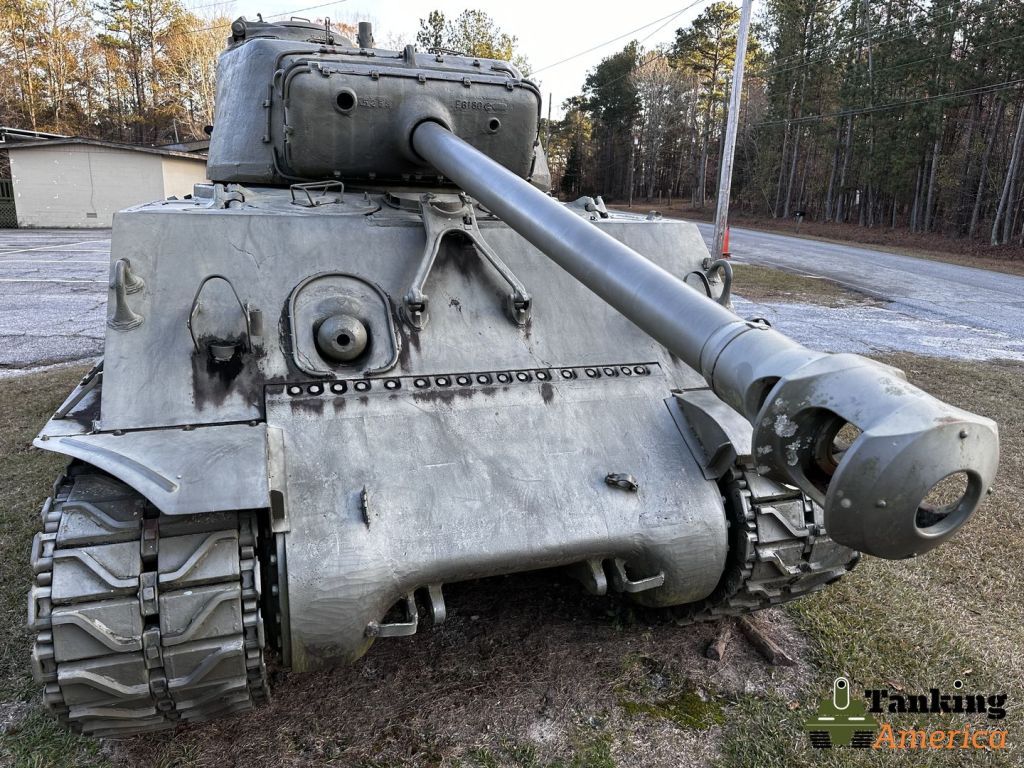
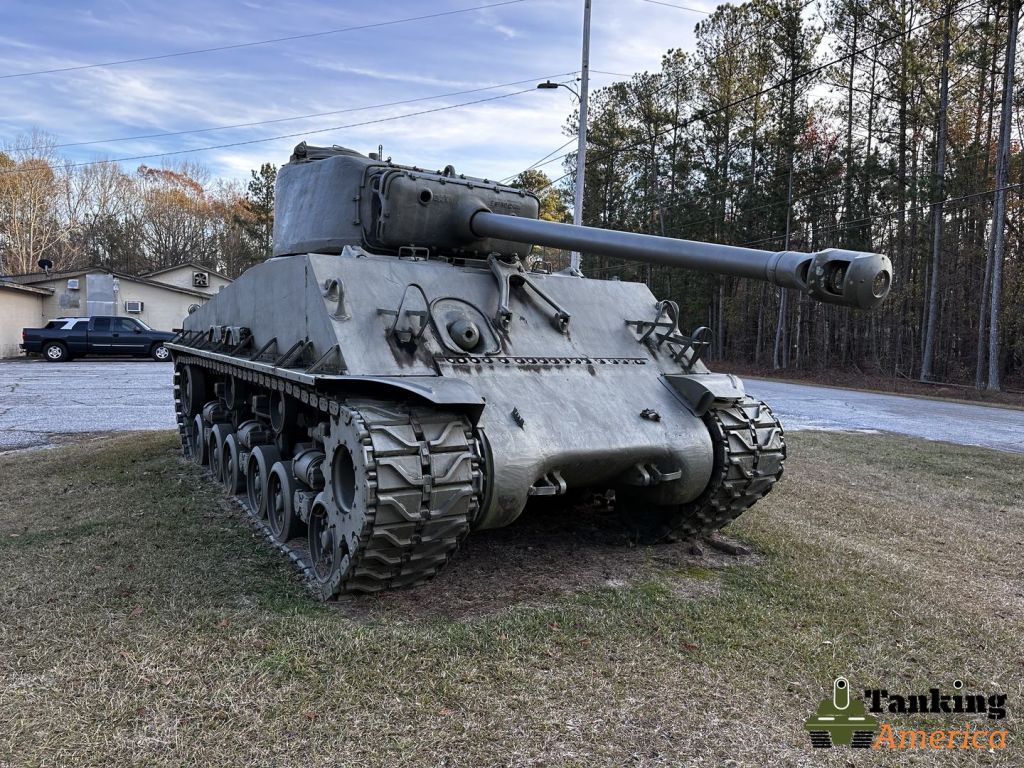
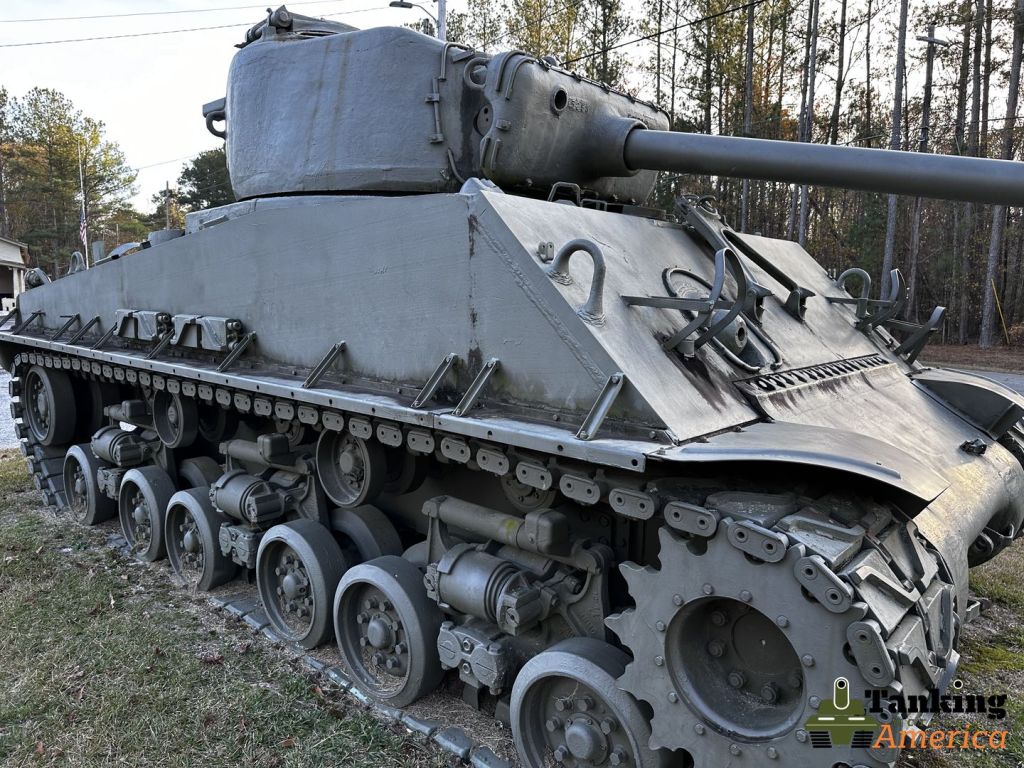
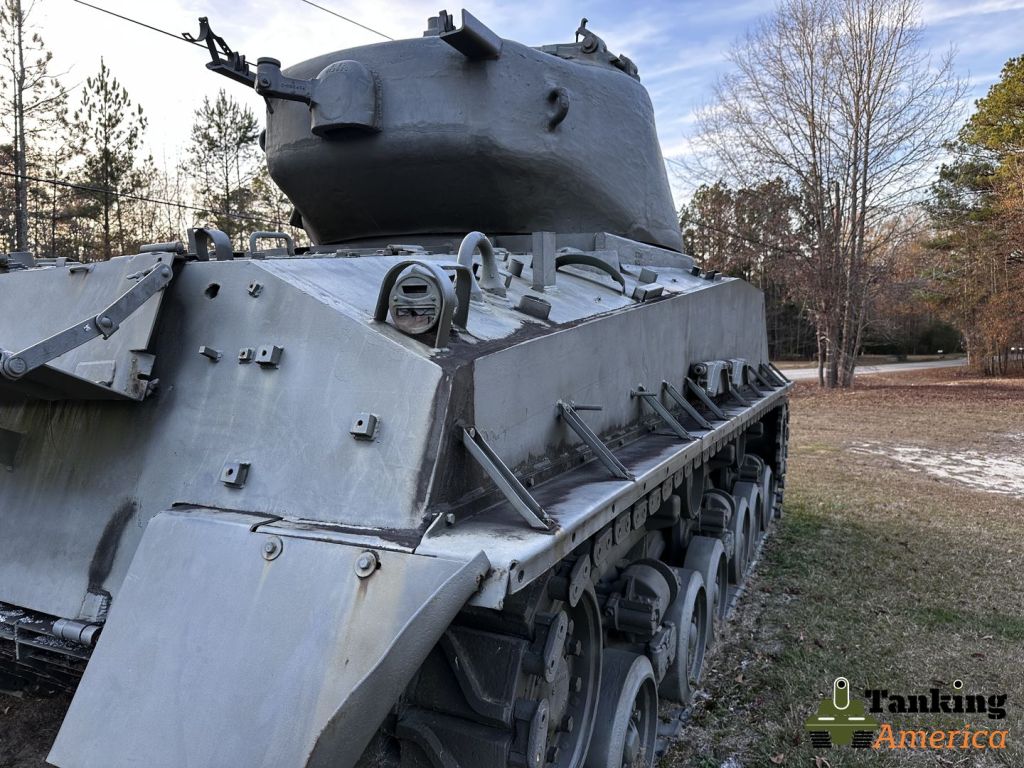
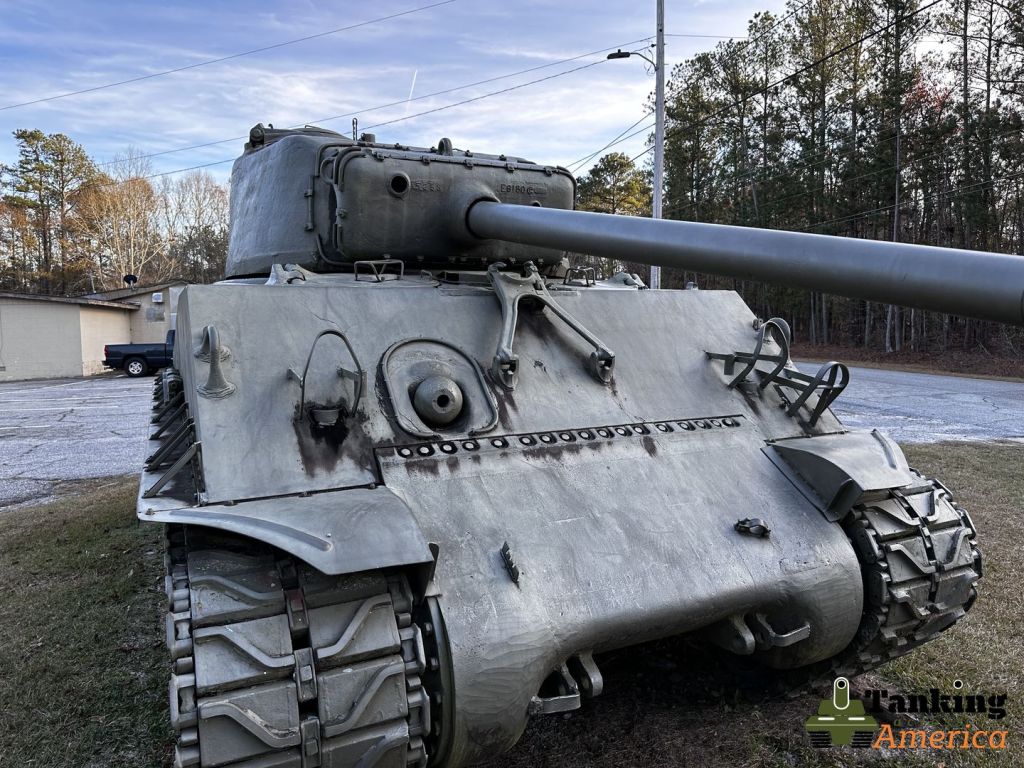
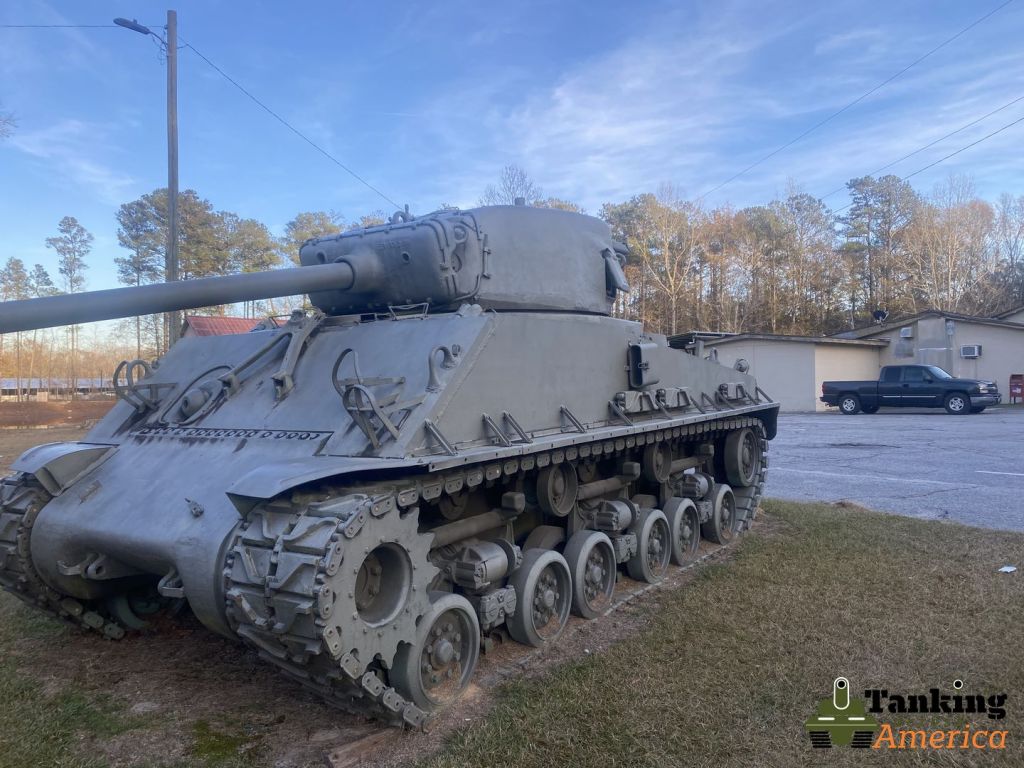
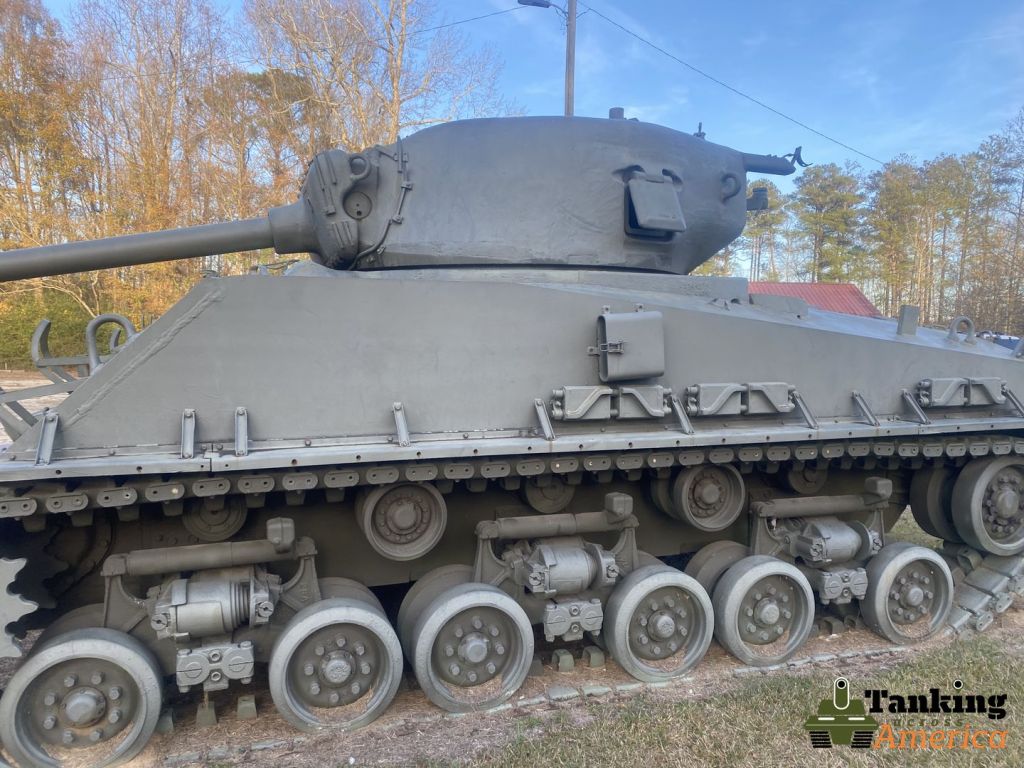
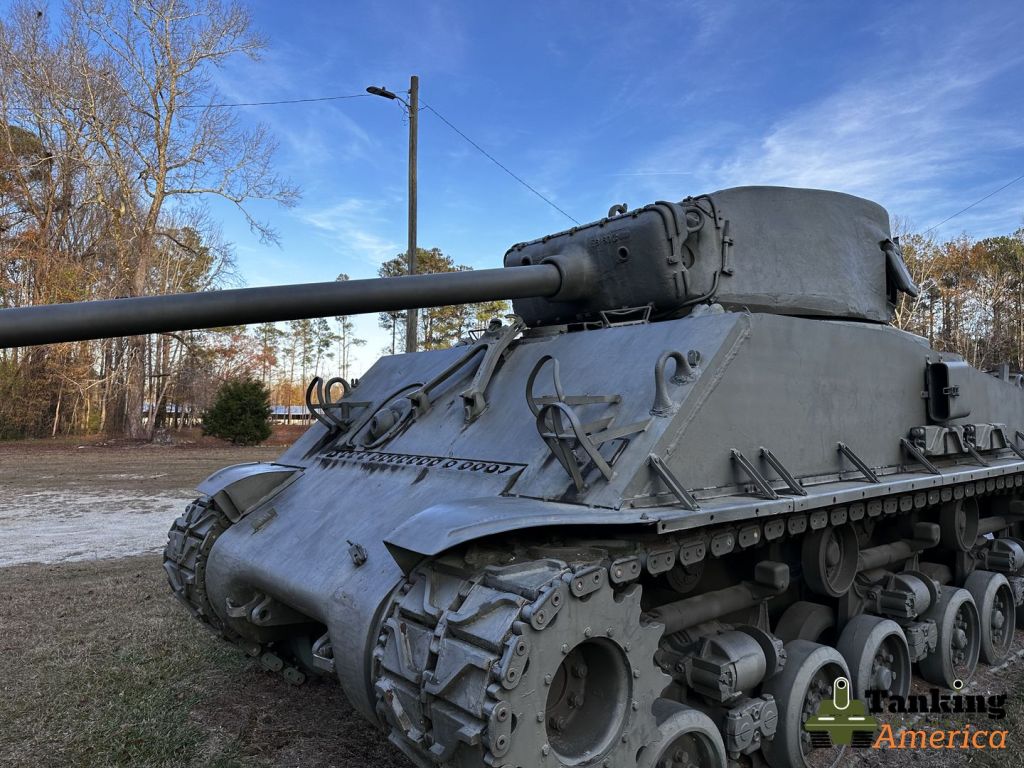
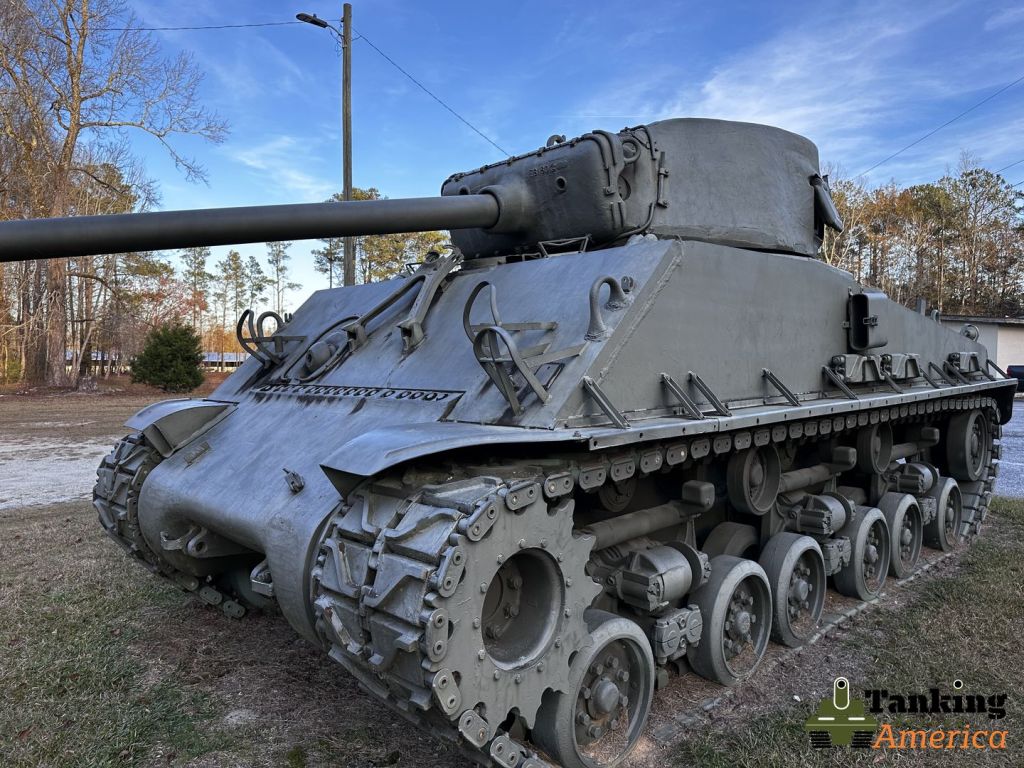
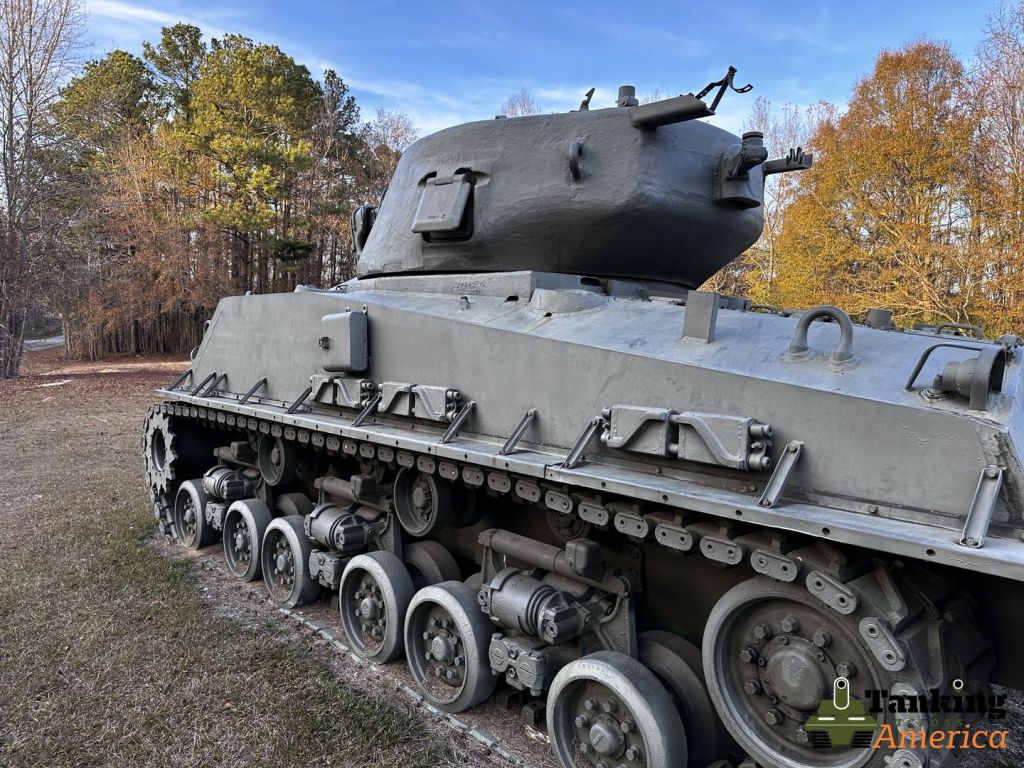
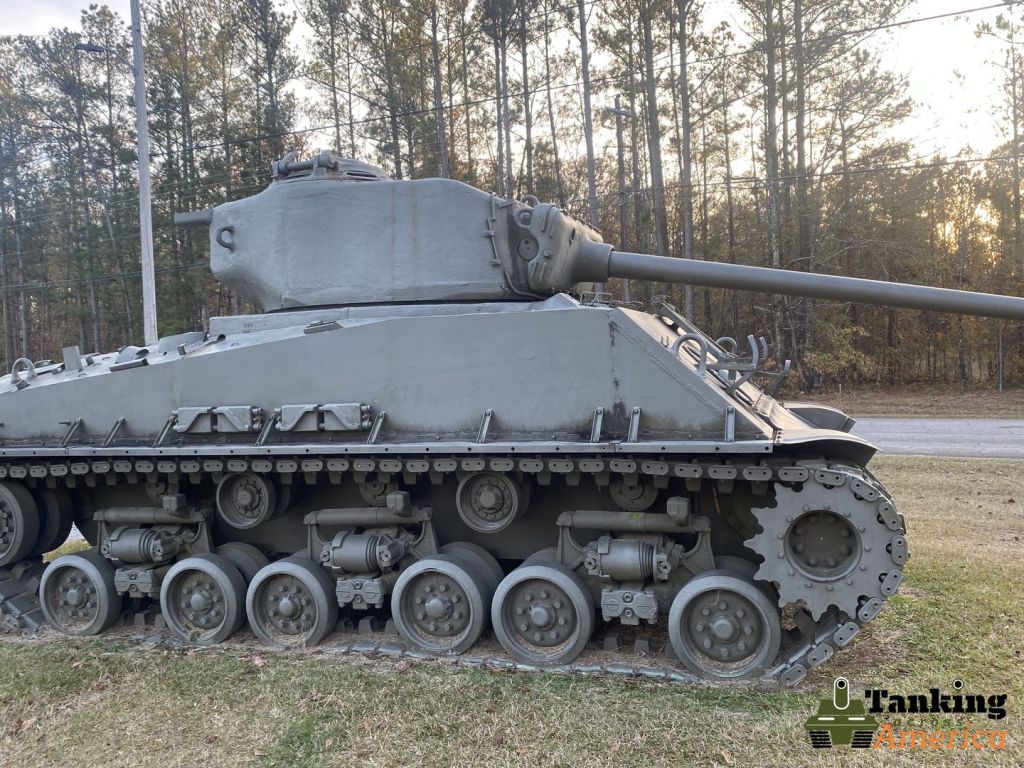
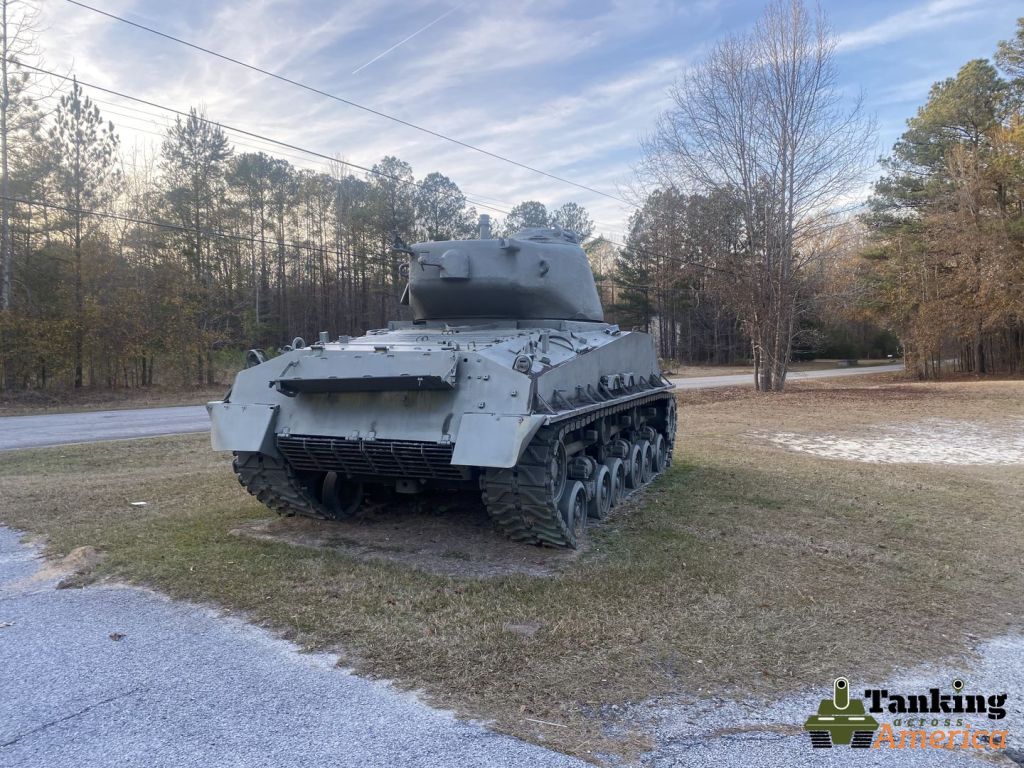
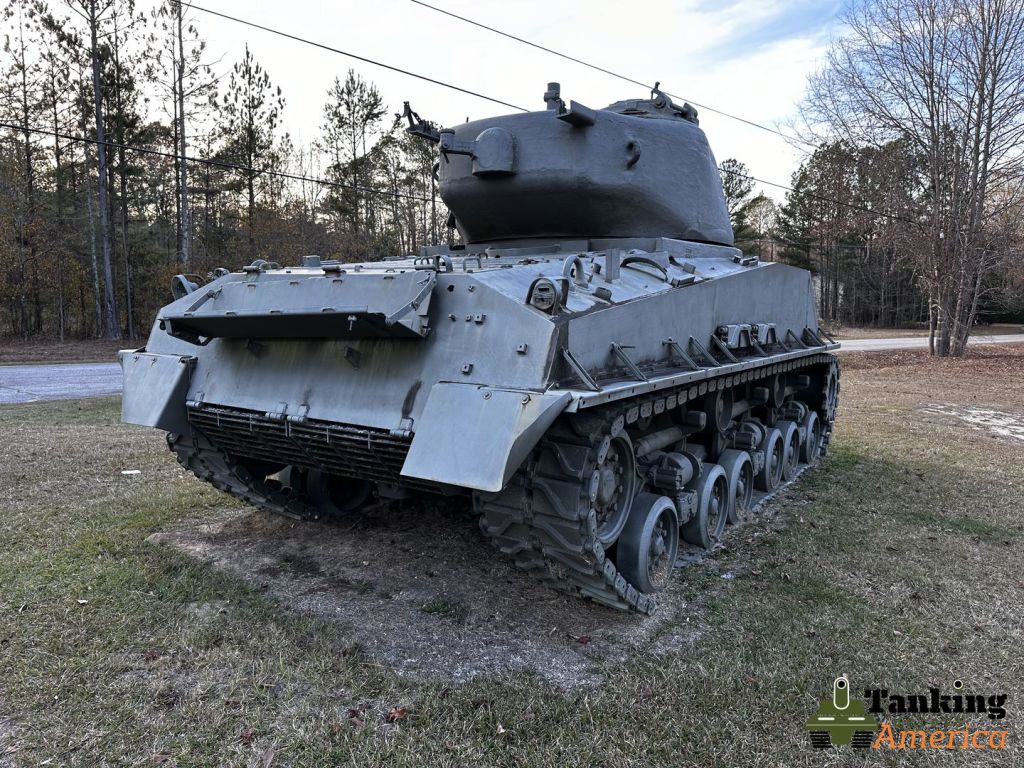
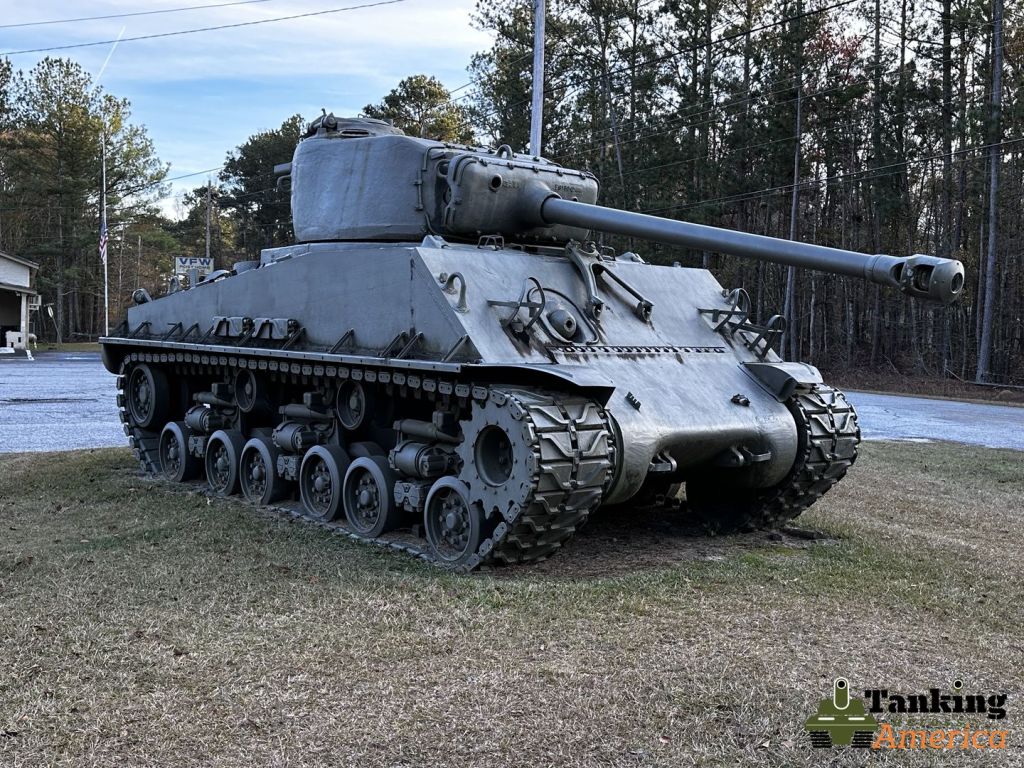
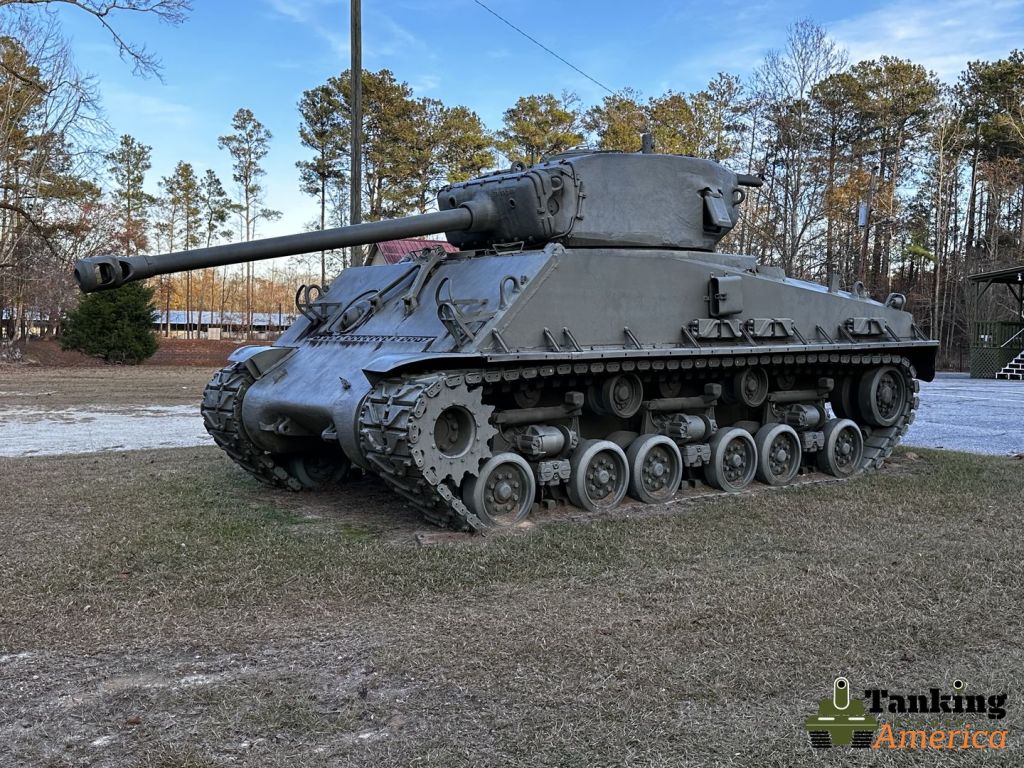
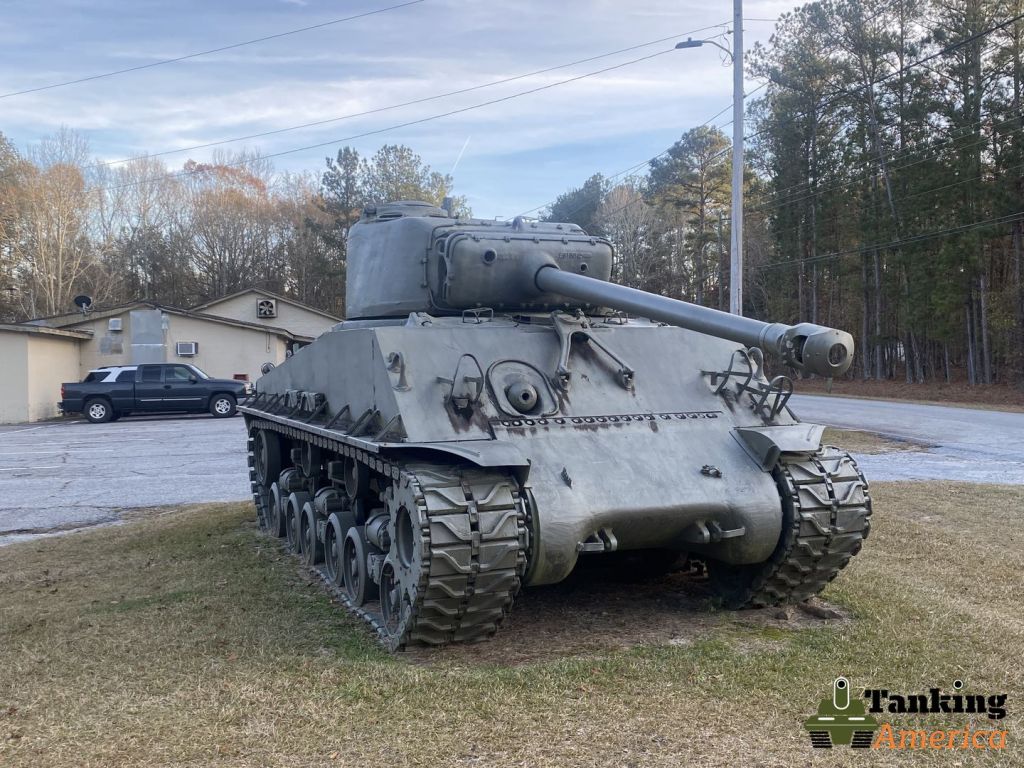
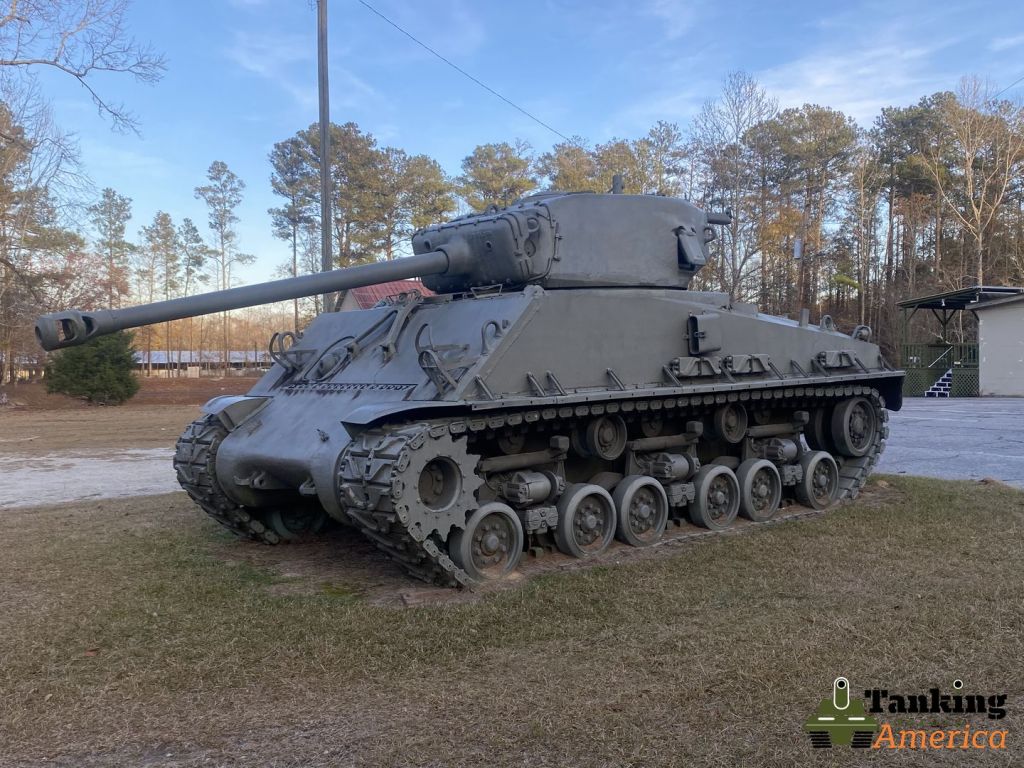
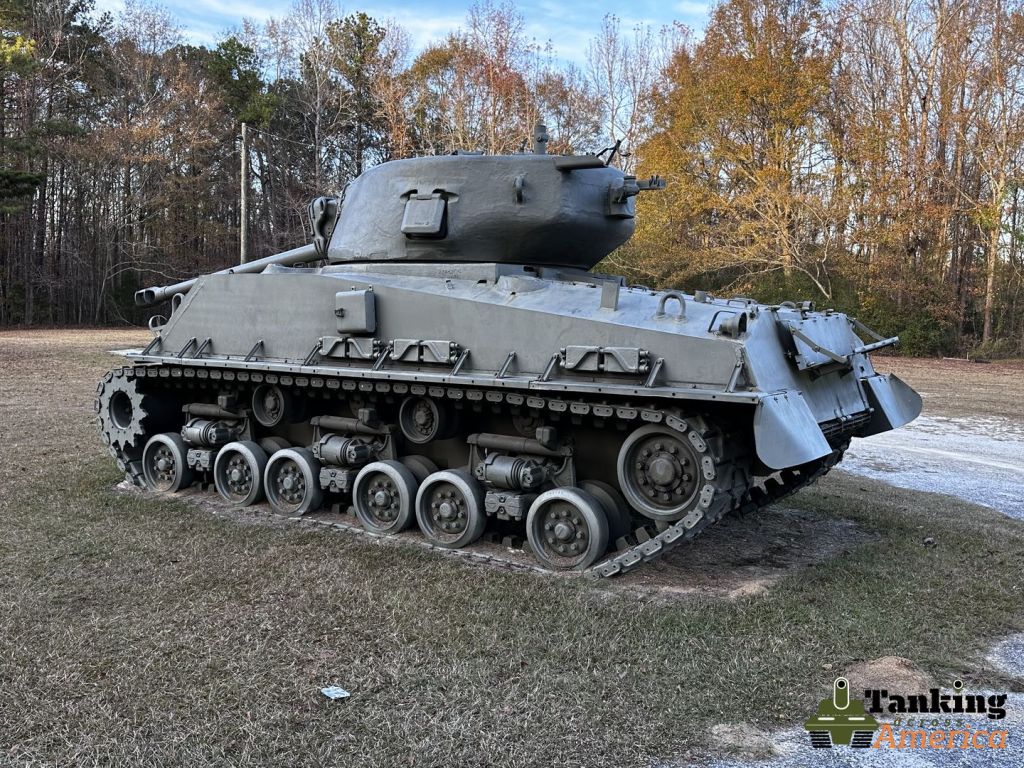
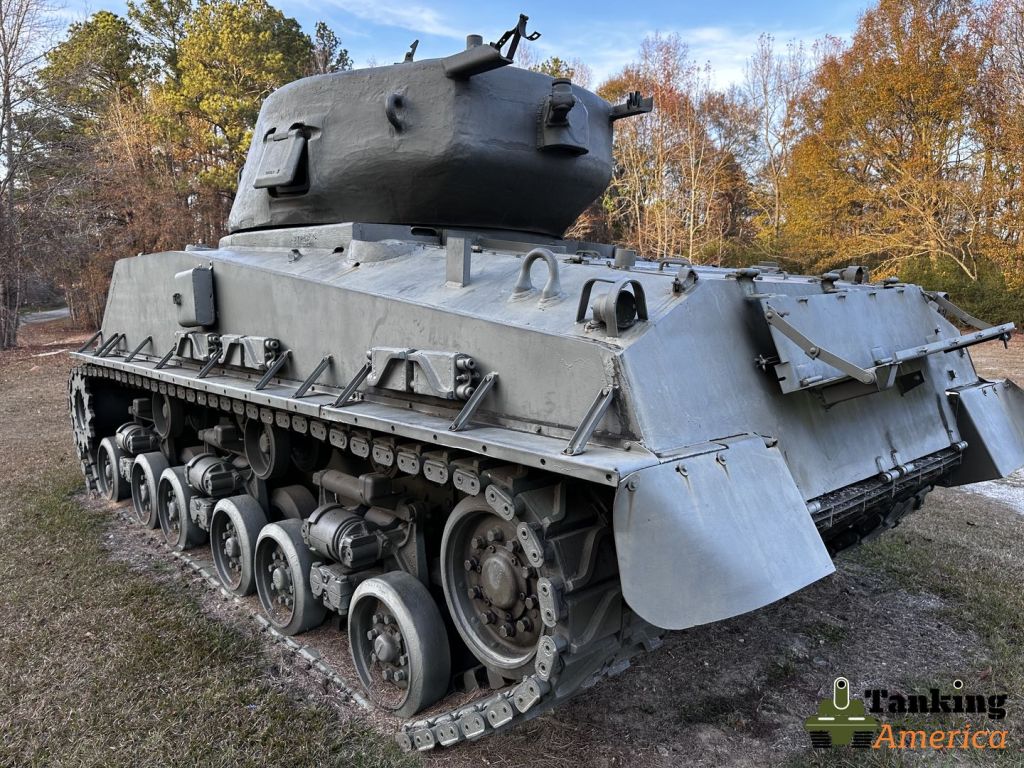
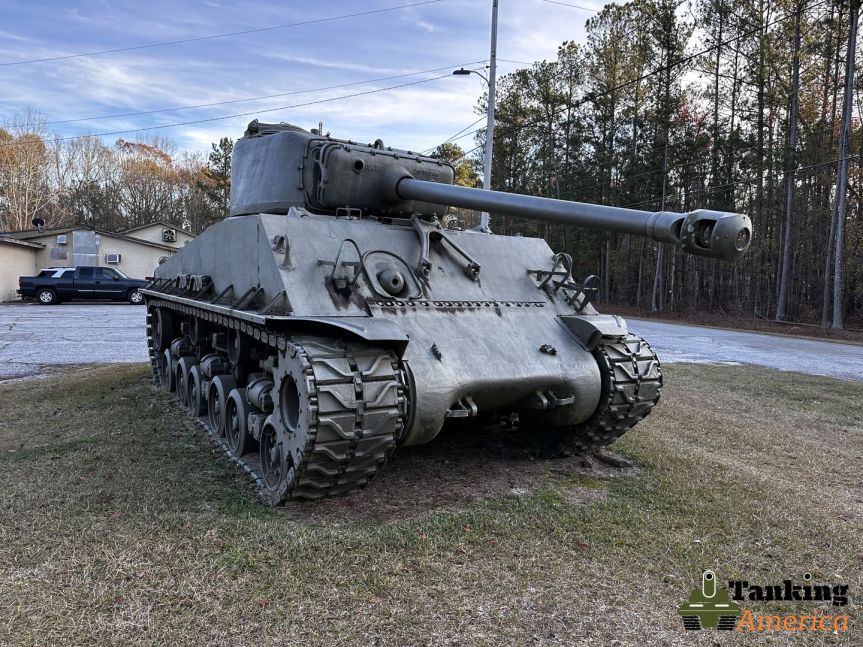
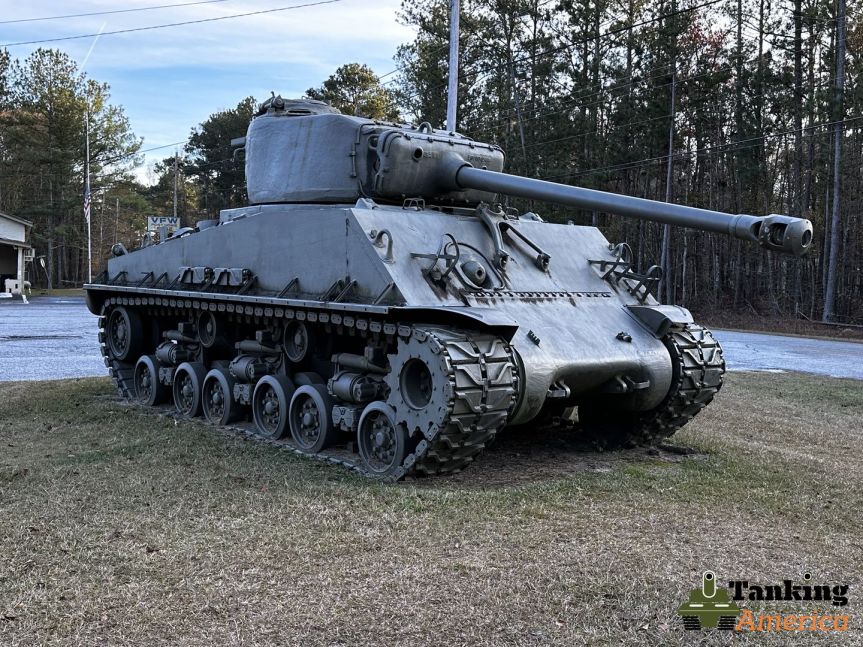
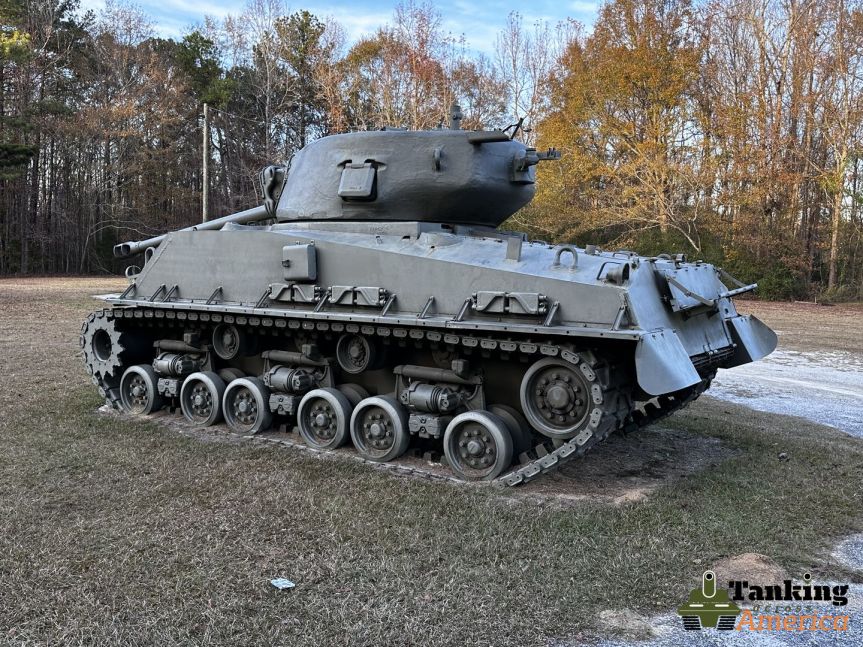
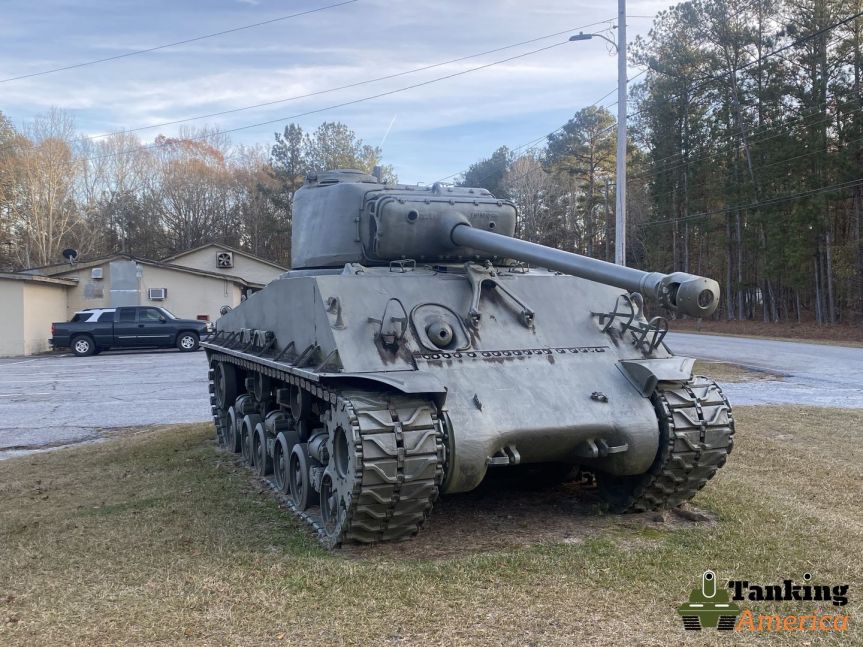
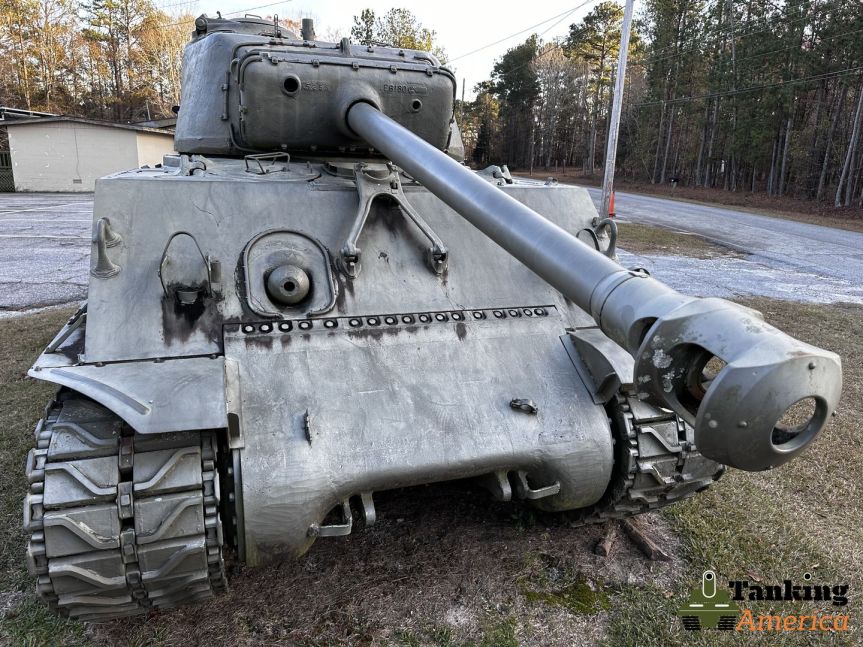
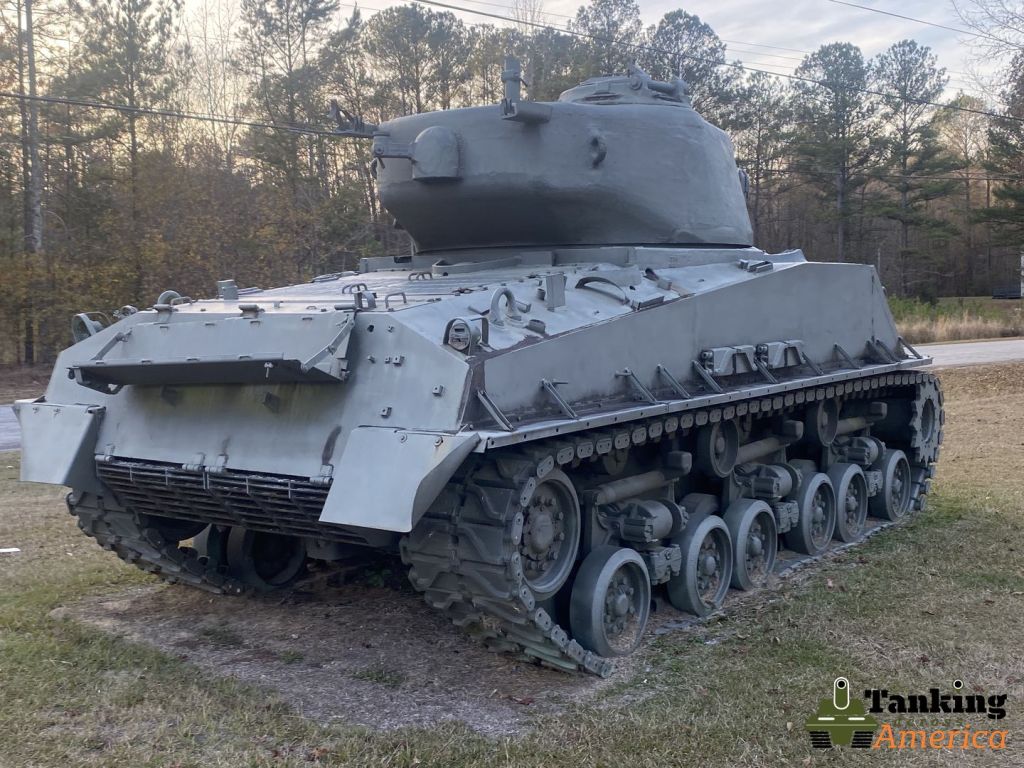
These photos were taken before the move from Barnesville, GA.

Nestled now on the grounds of Lamar County High School, near Burnette Road, is a powerful emblem of both a community’s military heritage and its enduring spirit of learning. The M4A3E8 (76) Sherman tank (Serial No. 61312, U.S. Registration No. 30114334), built in January 1945, has finally found its long-awaited resting place—not in a museum, but as a living monument to history, service, and education.
From Campus Icon to Community Treasure

Once stationed at Gordon Military College, this Sherman tank was a familiar centerpiece on campus. For many former cadets, it was more than a relic—it was a playground. Stories abound of students who “painted the tank” overnight, splashing vibrant colors across its steel surface in an unofficial rite of passage that bonded classes and boosted school spirit.

In 1972, following the transition of the college into Gordon Junior College under the University System of Georgia, the tank—an unmistakable symbol of the school’s military past—was moved to the VFW post on Old Highway 41 to preserve its legacy.
A Hero’s Welcome to LCHS

Fast-forward to July 18, 2025, when the tank made its dramatic return to the heart of the county. Thanks to the efforts of school board member Danny Turner, local leaders, and the U.S. Army’s approval, the tank was gifted to Lamar County Schools free of charge—courtesy of an anonymous donor who funded the entire project.

Transporting the 70,000-pound behemoth was no small feat. After initial setbacks with standard tow trucks, heavy-duty rotator tow trucks were called in, and with a bit of humor—”The Nazis couldn’t beat the Sherman tank, but Eddie Buice and Arthur Edge did!” quipped Turner—the tank was safely delivered and positioned on the school’s grounds.
A Living Memorial of Pride and Purpose

The tank now stands as more than an artifact—it’s an educational ally to Lamar County High School’s AJROTC program. A grand memorial is in the works, intended to honor America’s veterans, the history of Gordon Military School, and the cadets who march past it today.
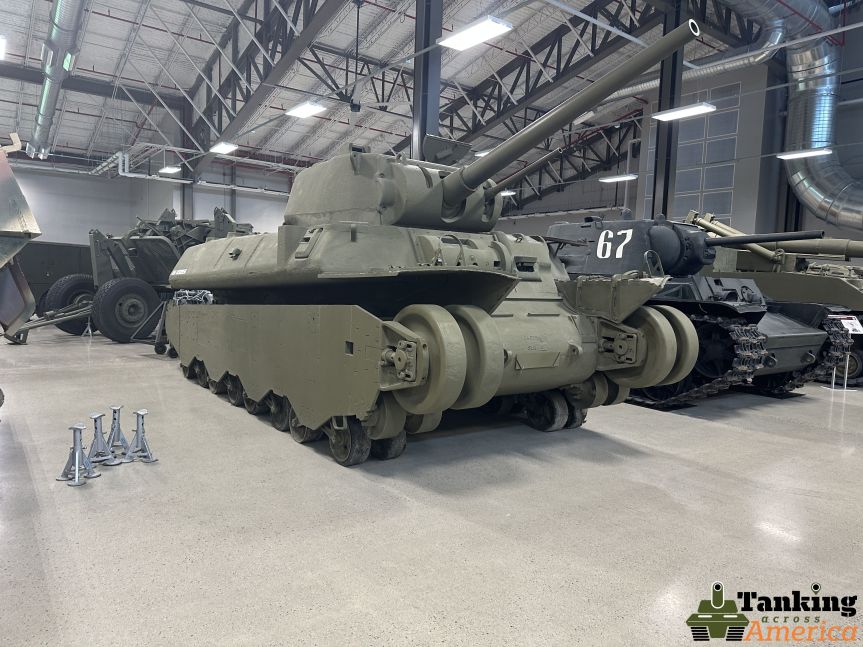
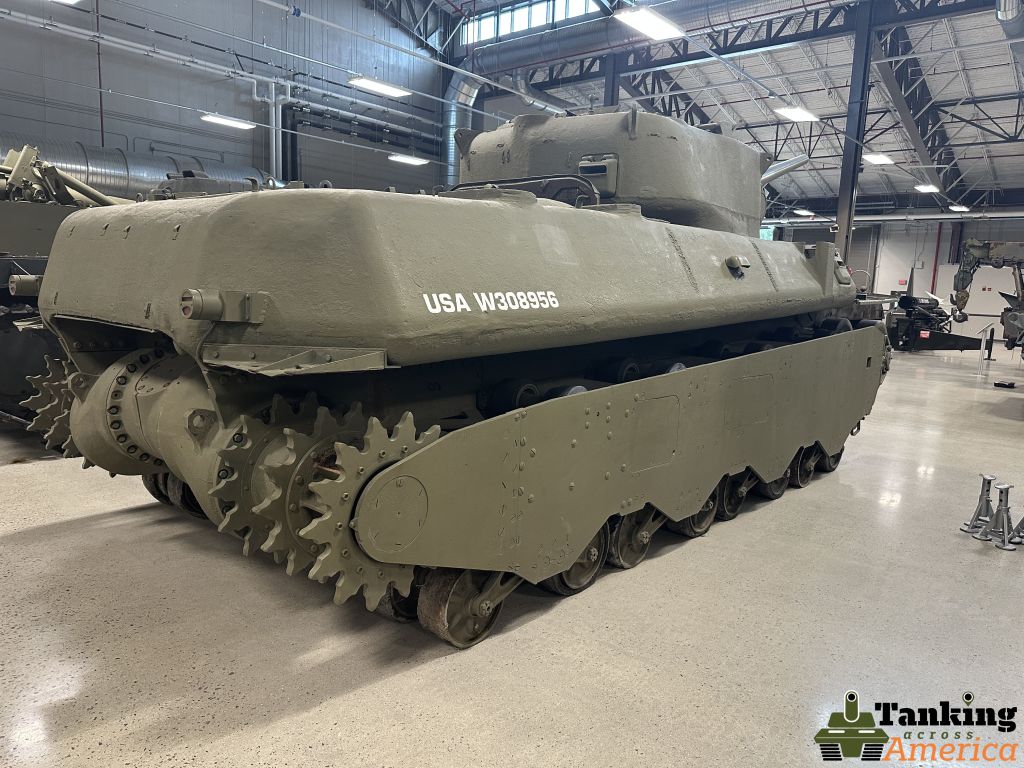
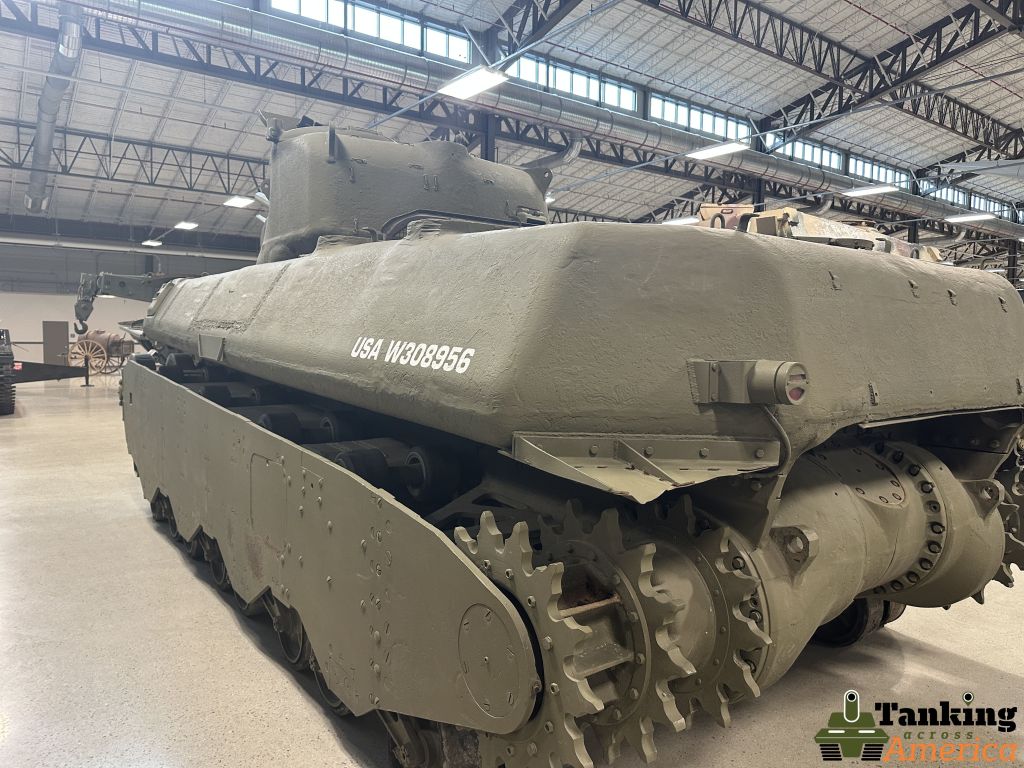
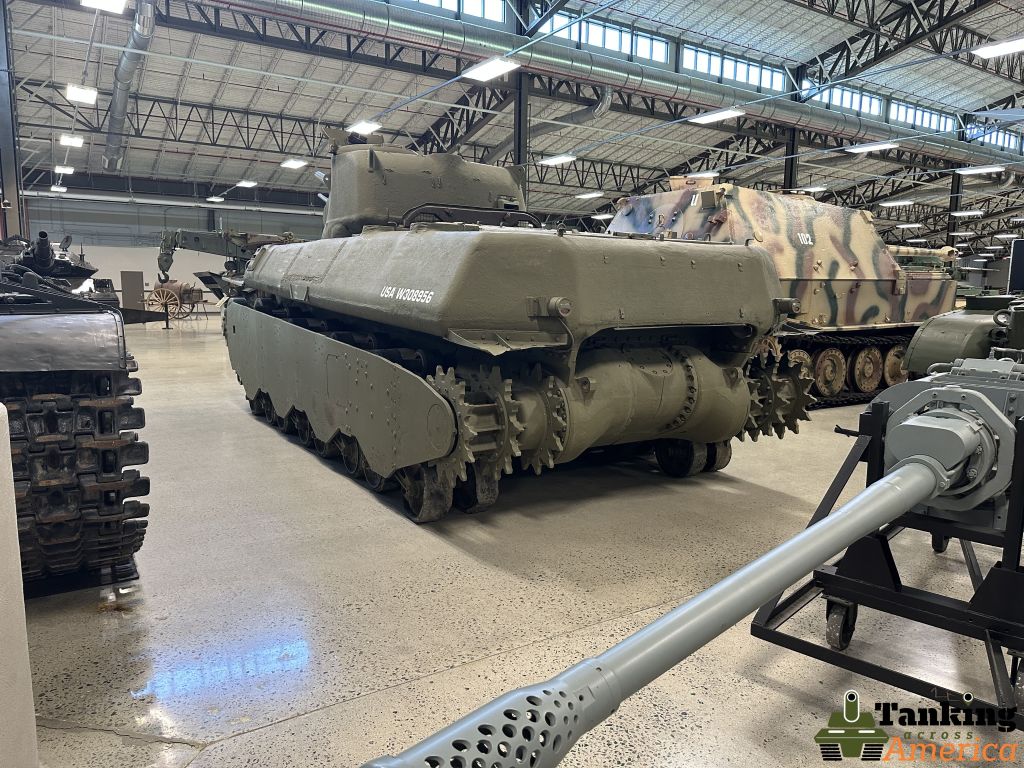
The T1 Heavy Tank: America’s Early Heavy Armor Experiment

The United States Army’s Ordnance Training Support Facility, located at Fort Lee, you can find the last remaining T1 (T1E1/M6) in existence. The US Army has recently allowed for Open House events to be held the Ordnance Training Support Facility and I was able to attend the first of these.

Enjoy these photos and history. There are additional Open House days in the future so keep an eye on the Fort Lee Facebook page for details. Also, look for additional posts on the vehicles and items at the Ordnance Training Support Facility. It is quite an amazing place.

When World War II erupted in Europe, the U.S. Army recognized its existing tanks wouldn’t withstand modern battlefield threats. In response, Project T1 began in spring 1940—to produce a 50-ton “land battleship” with potent firepower and heavier armor.

Prototypes & Evolution

Several T1 variants were produced during development:

Full production plans aimed for about 5,000 units, but only around 40–45 tanks were ever built.

T1E1: Featuring an electric-drive system and later known unofficially as M6A2; approximately 2–3 units built.

T1E2 & T1E3: Hybrid models using mechanical transmissions; standardized by mid‑1942 as M6 and M6A1 respectively .

Performance & Issues

  • Engine: Powered by a Wright G‑200 radial engine producing around 825–960 hp, paired with early hydromechanical transmissions, the tank struggled to reliably move its bulk.
  • Mobility: Speeds topped out around 23–25 mph on-road. However, drivetrain reliability remained a persistent issue.
  • Crew: Between 6 and 7 men were needed to manage its heavy weapons and systems efficiently.

Legacy & Historical Importance

Though never deployed in battle, the T1 program provided invaluable lessons—and set the stage for improved heavy‑tank designs like the M26 Pershing, which finally saw service in WWII’s final months.

Summary Table

FeatureSpecification
Weight~50 tons
ArmorUp to 83 mm
Armament76 mm + 37 mm guns, MGs
Crew6–7 men
Engine Power~825–960 hp
Top Speed≈ 23–25 mph
Production Quantity~40–45 units
Combat UseNone

Final Thoughts

The T1 Heavy Tank exemplifies a bold chapter in U.S. armored vehicle development—a bridging design between grandiose interwar ideals and pragmatic wartime production realities. Though overshadowed by more famous armored vehicles, it deserves recognition for pushing tank engineering forward. For enthusiasts and historians alike, the T1/M6 remains a testament to ambition, design evolution, and the lessons hard‑learned on the path to modern mobile warfare.