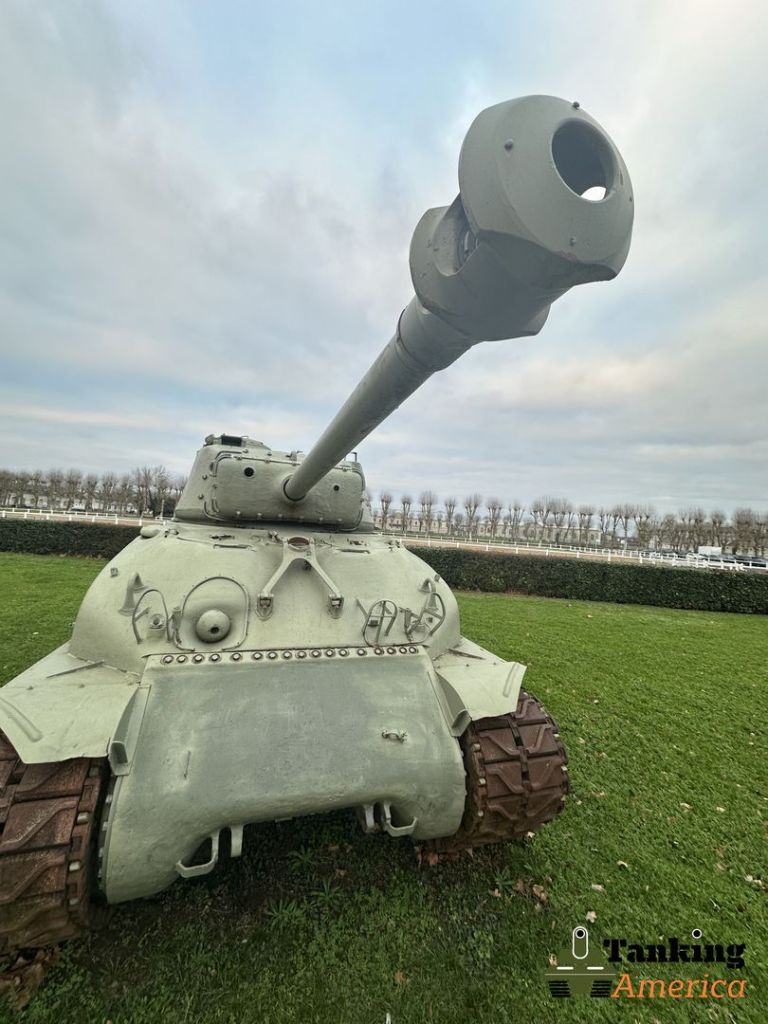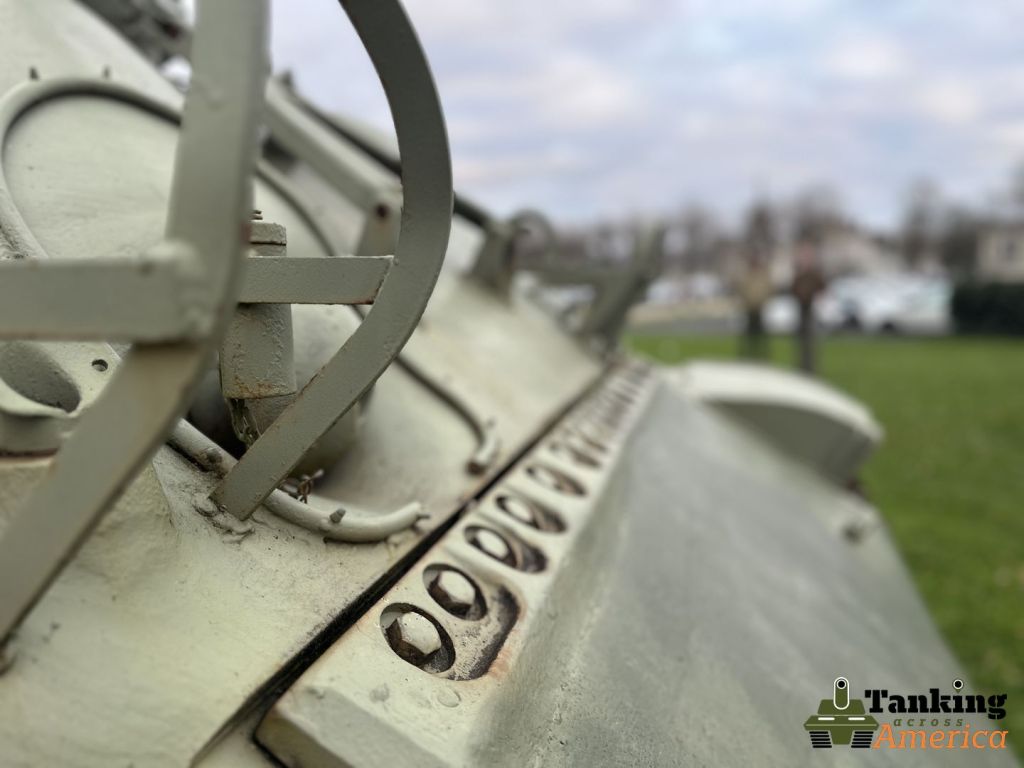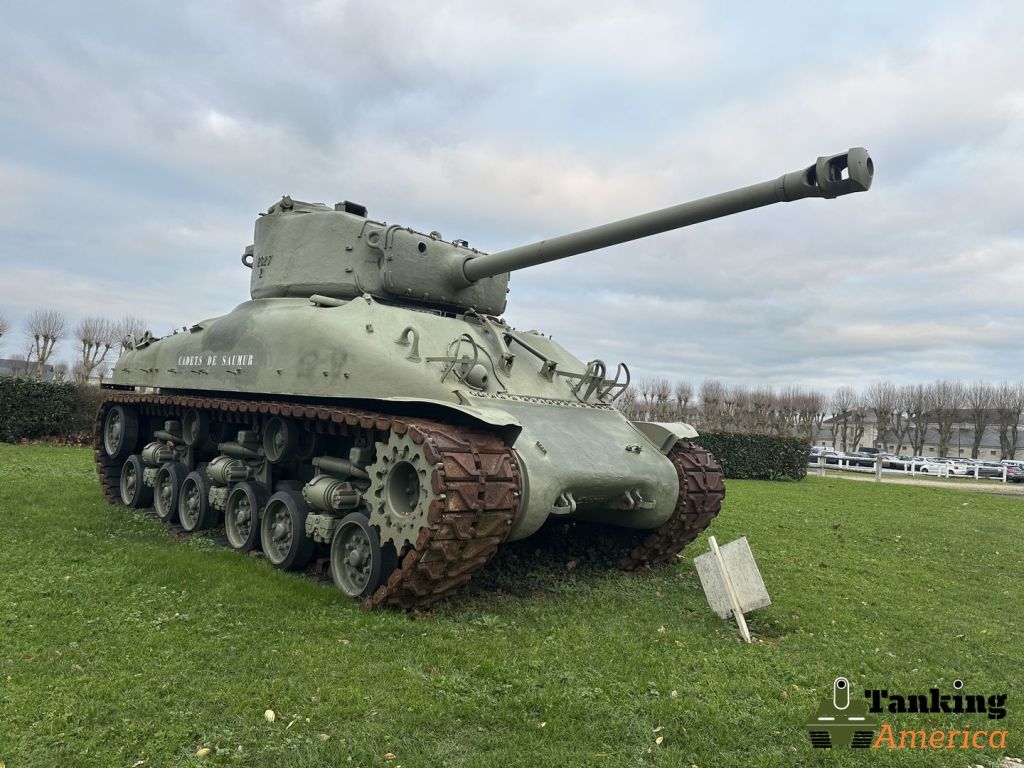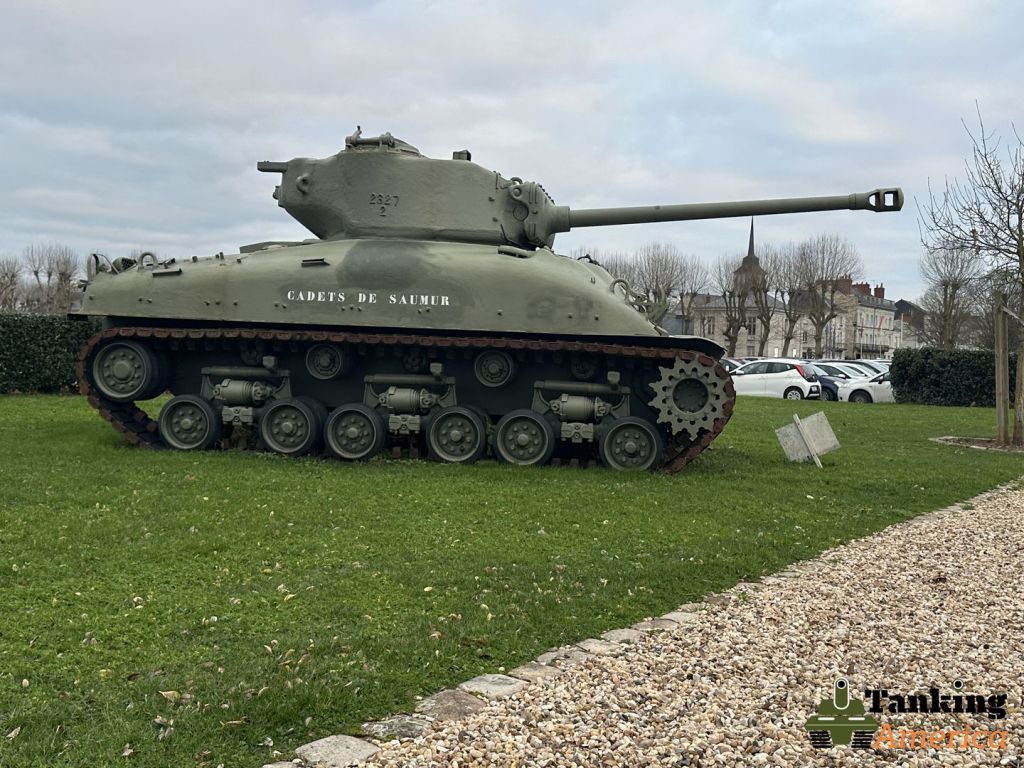
A Historic Ride Home: The WWII Sherman Tank Finds a New Honor on Campus

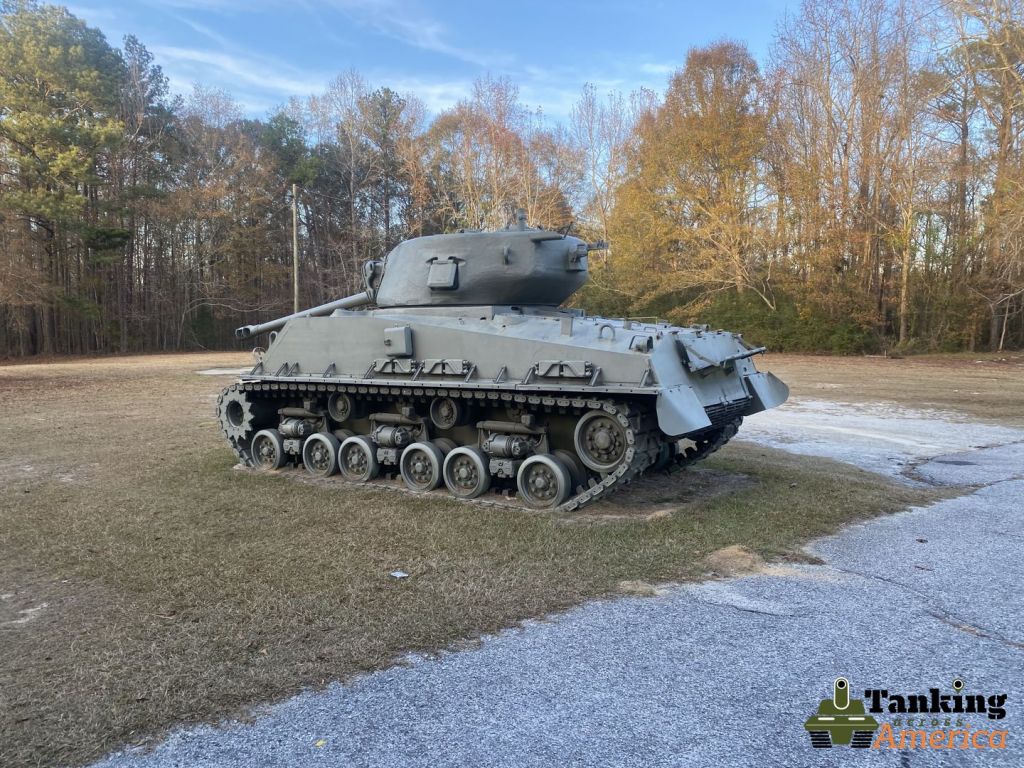
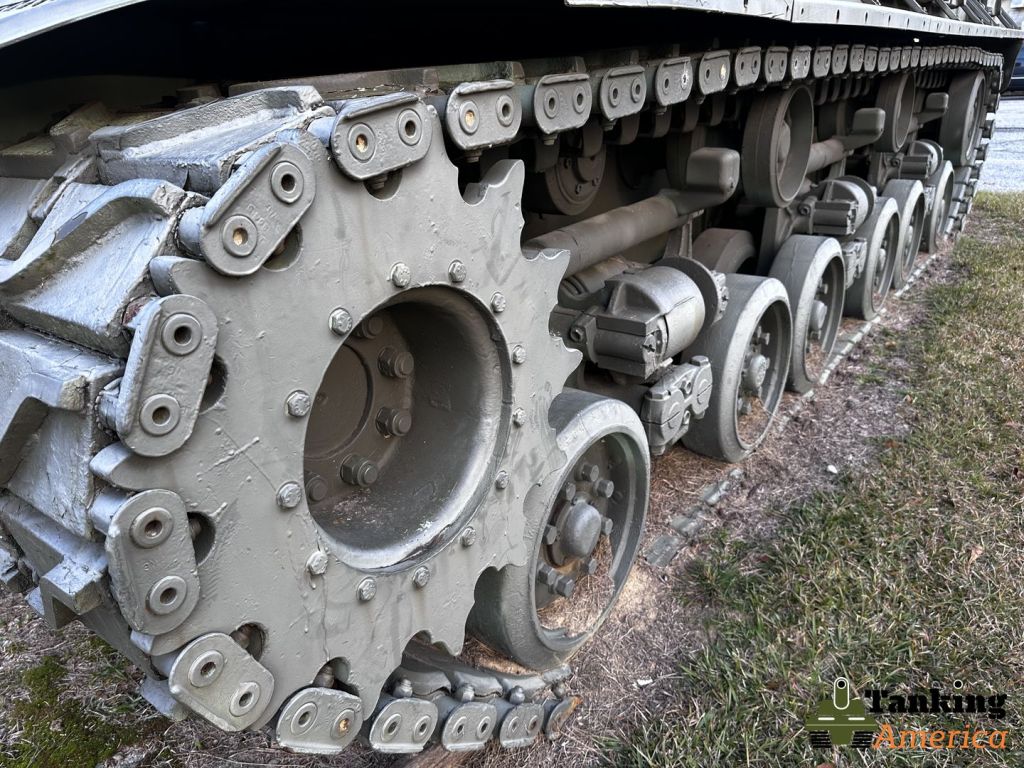
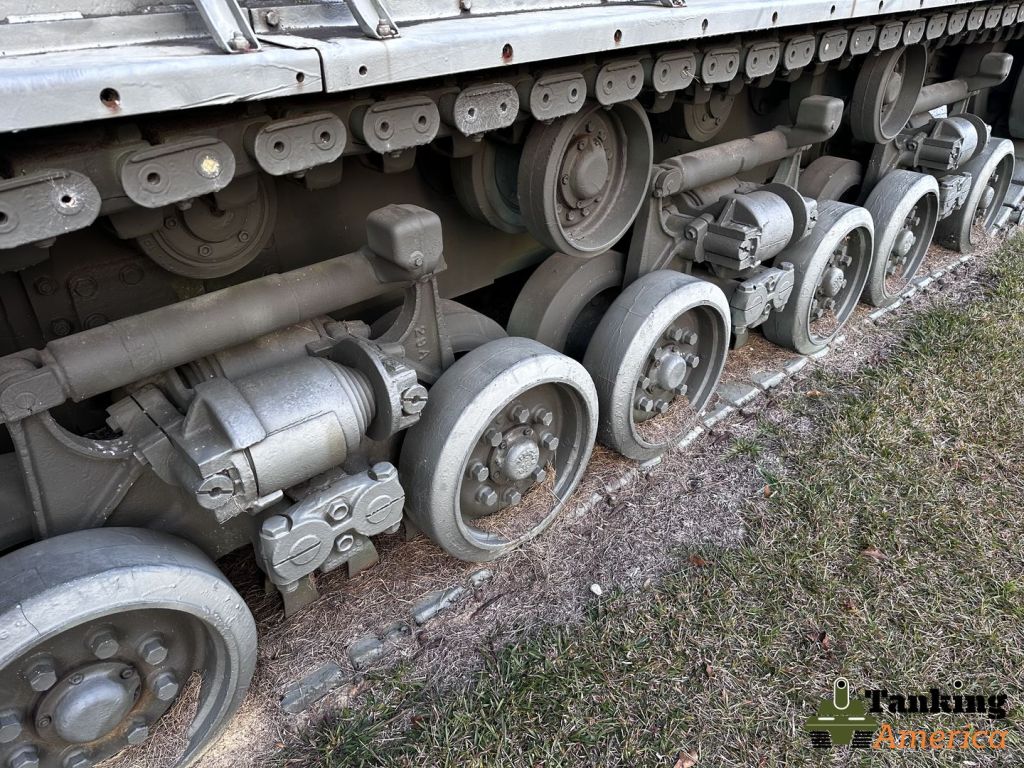
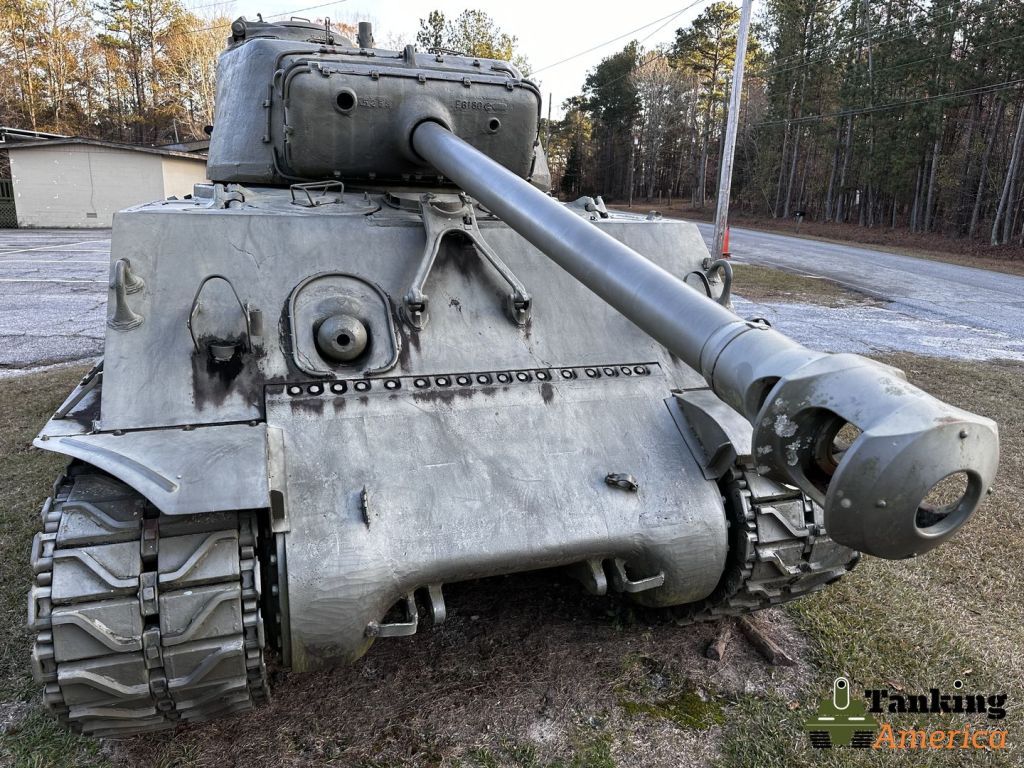
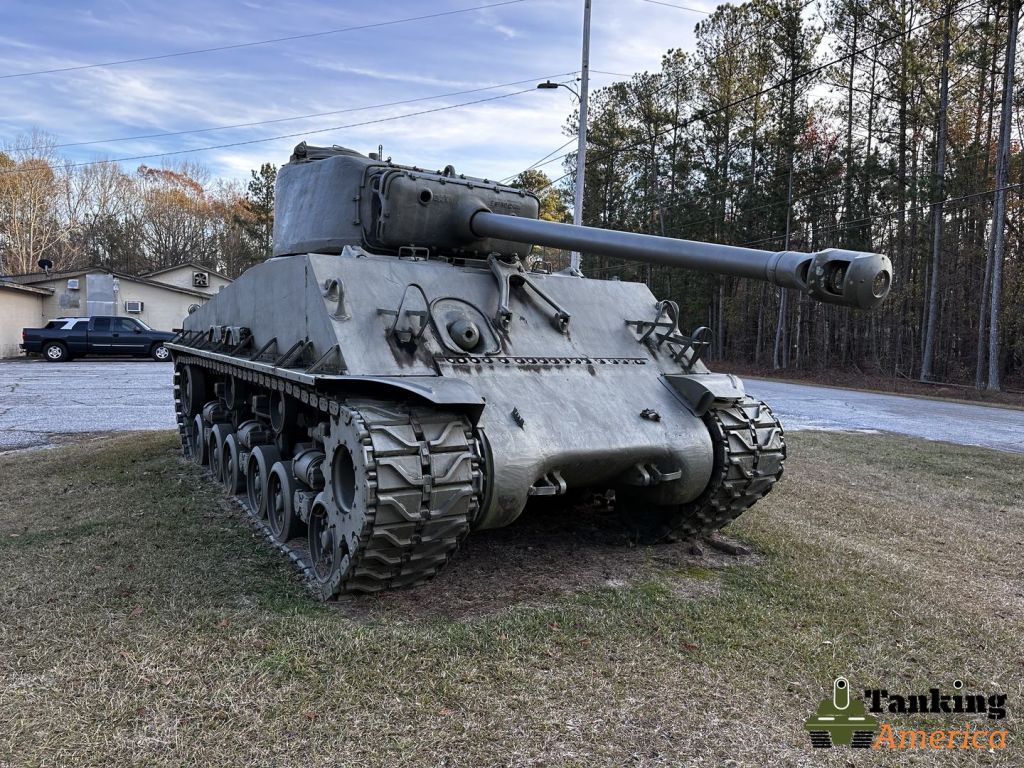
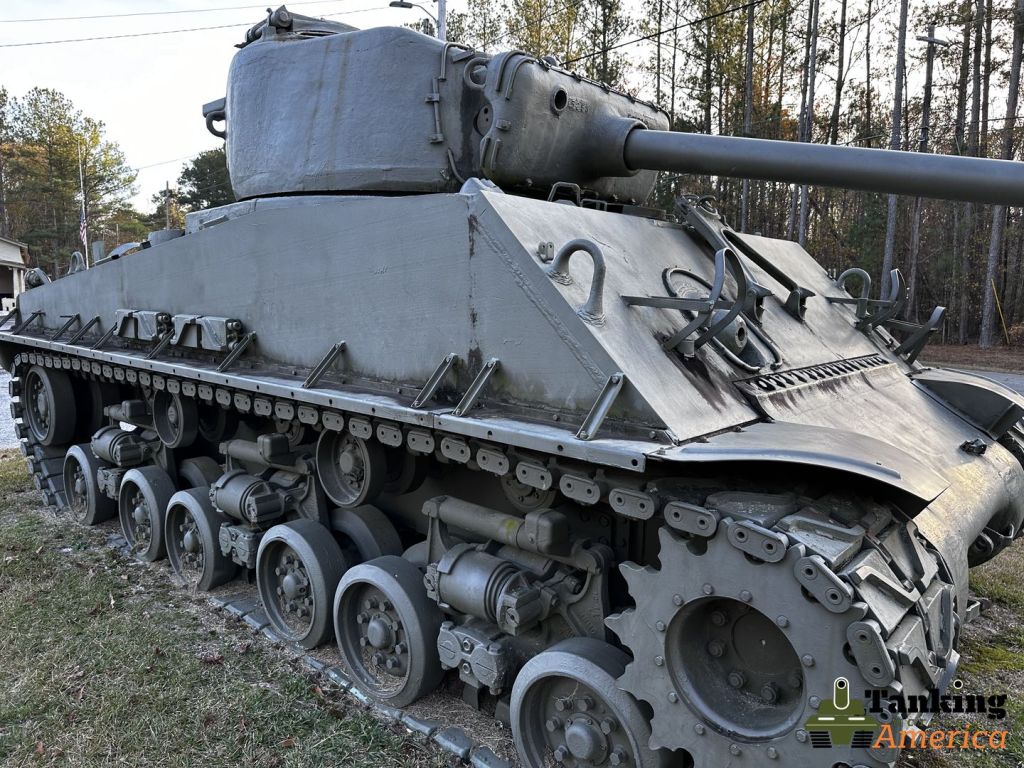
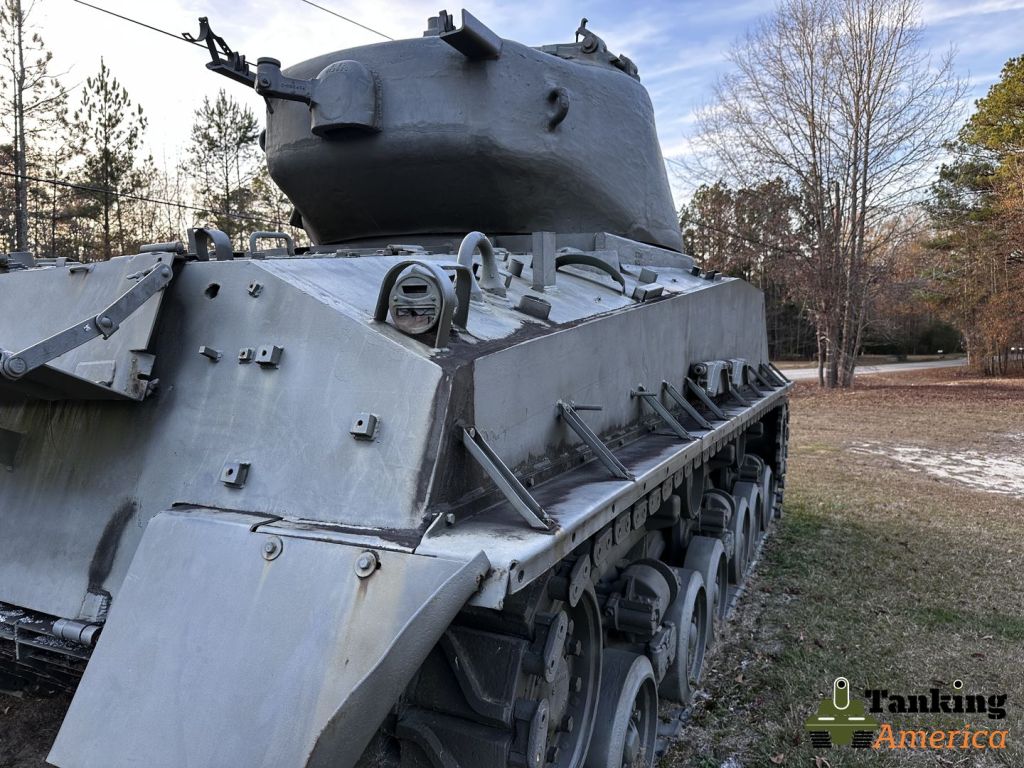
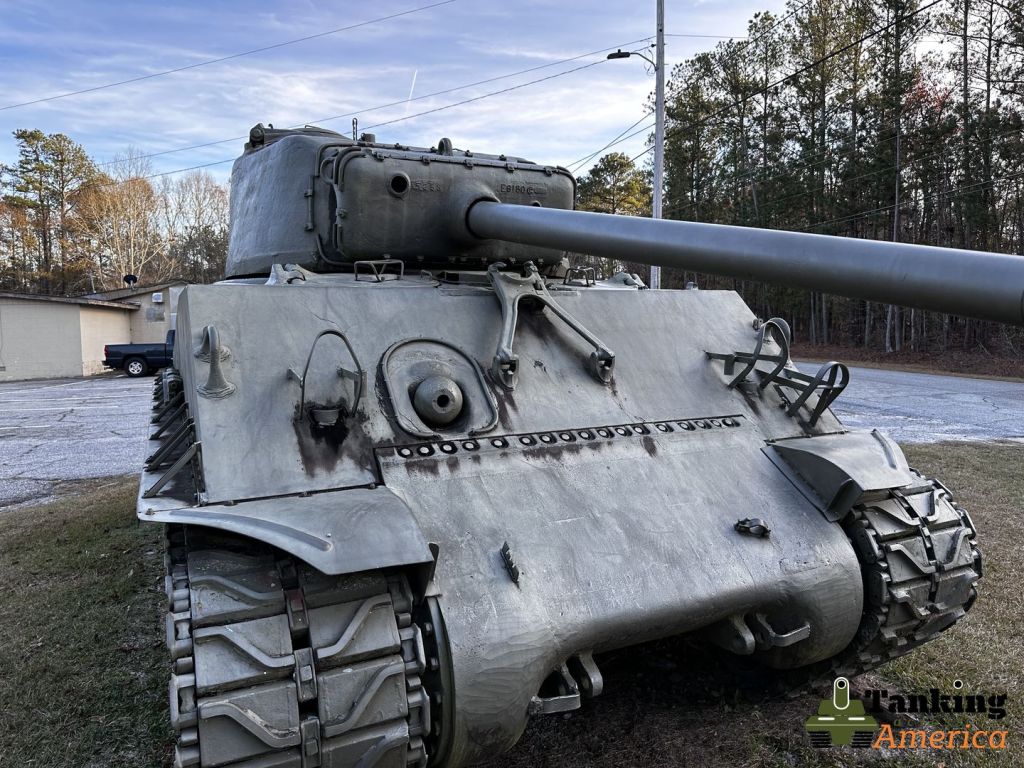
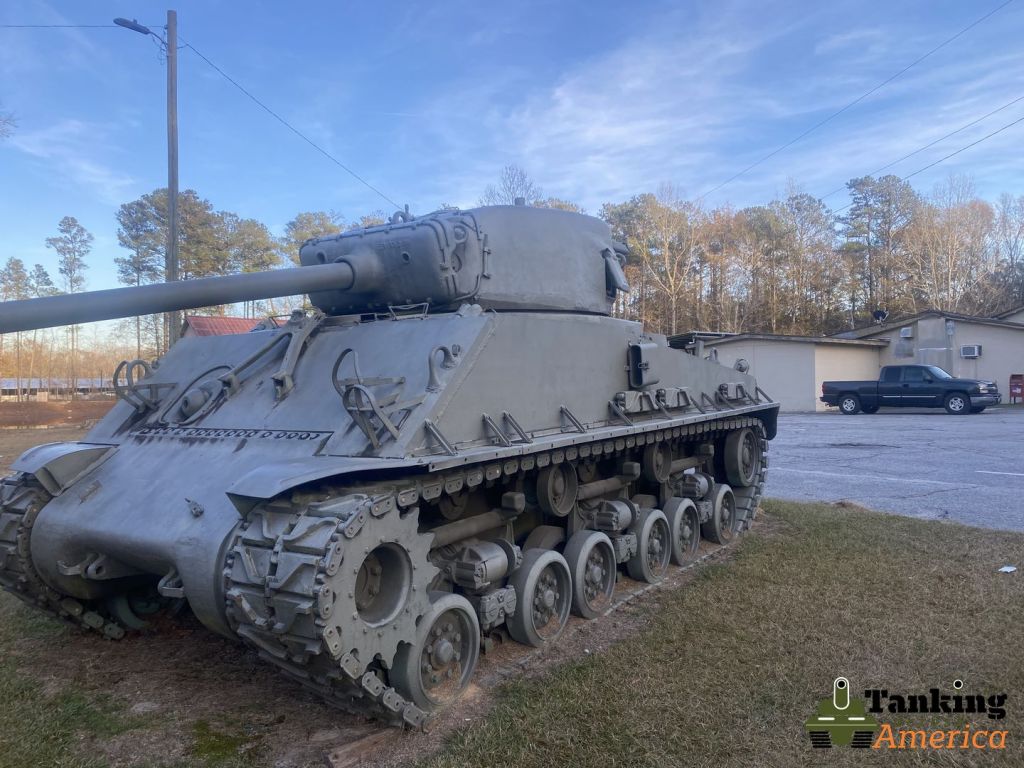
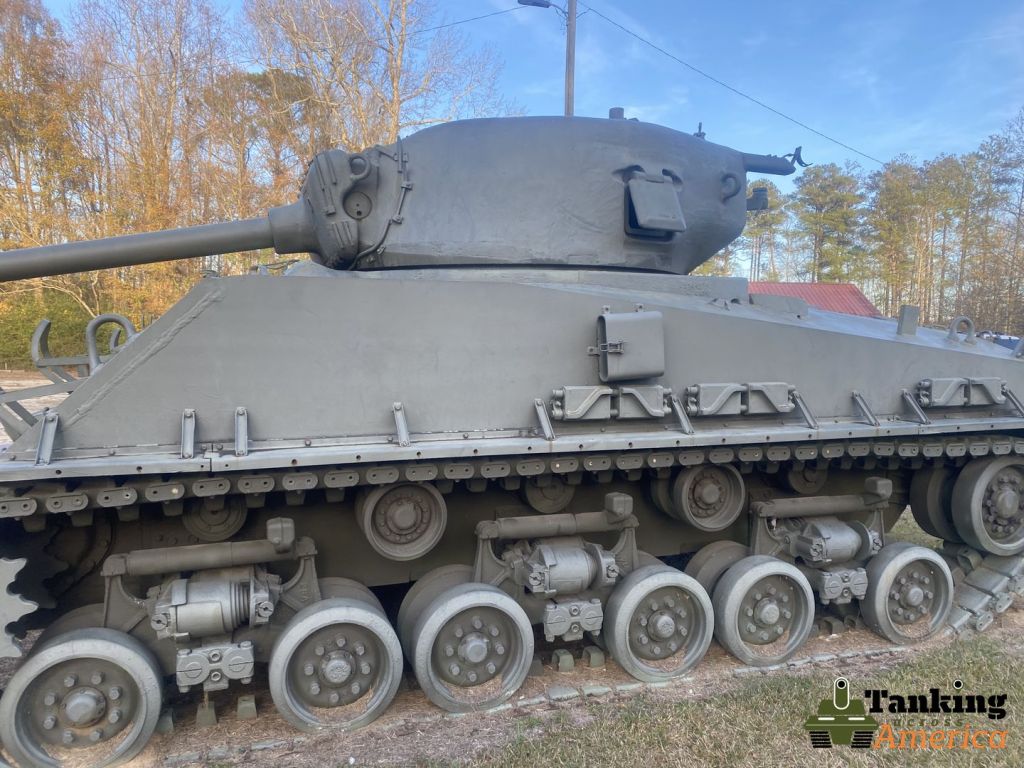
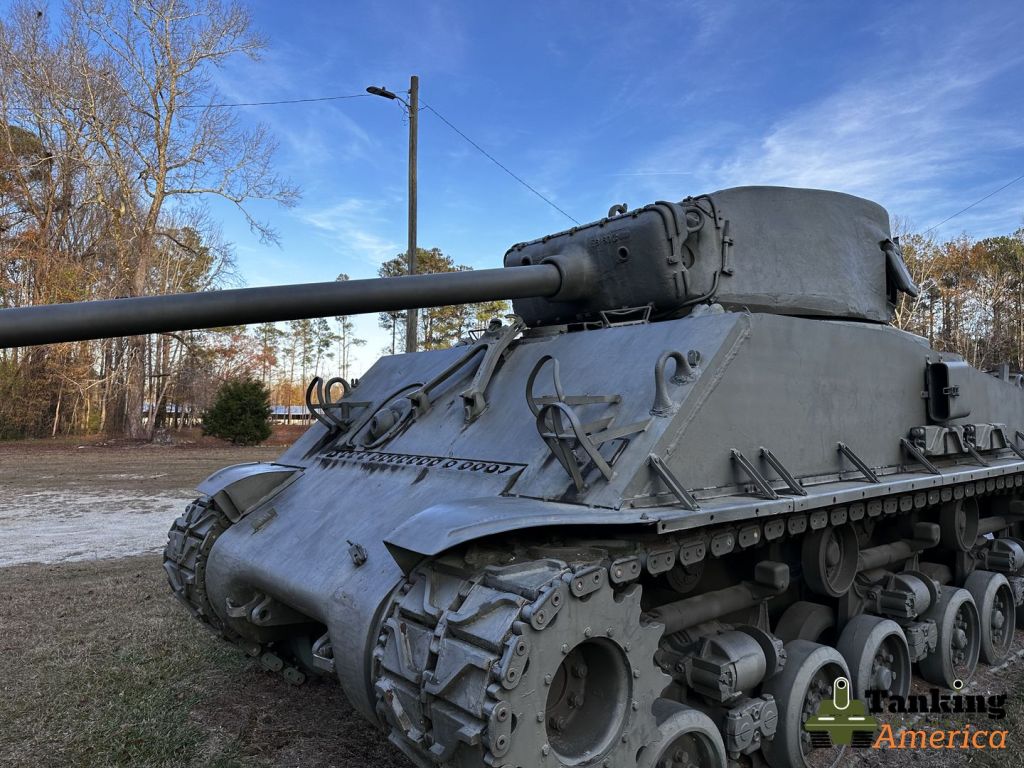
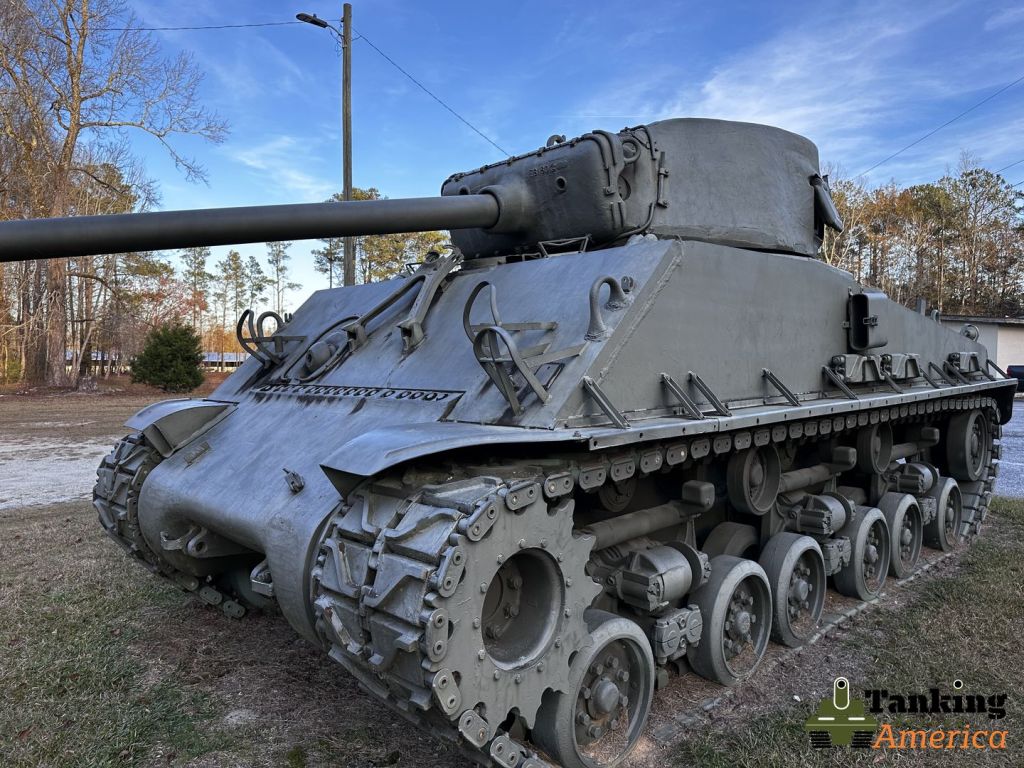
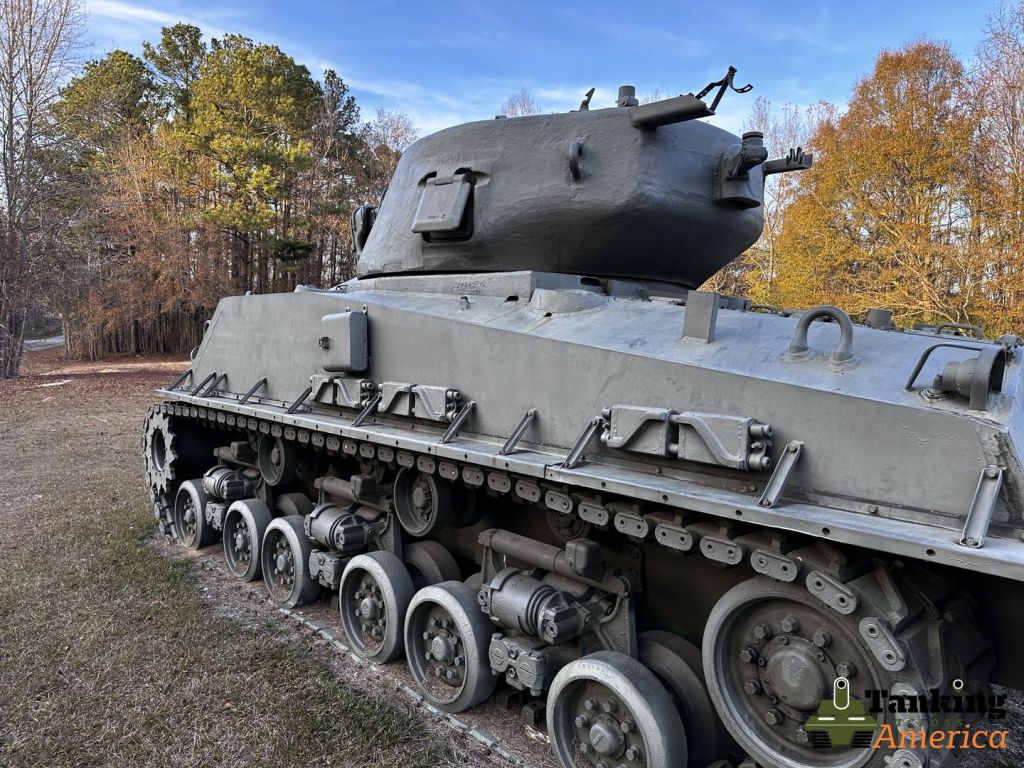
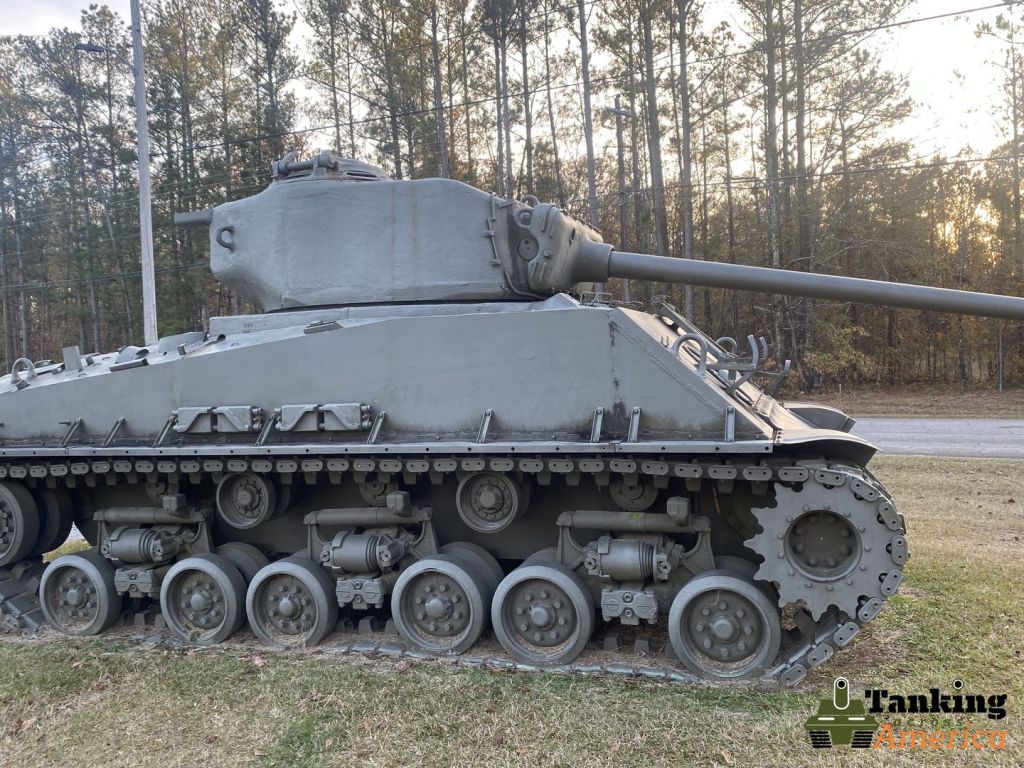
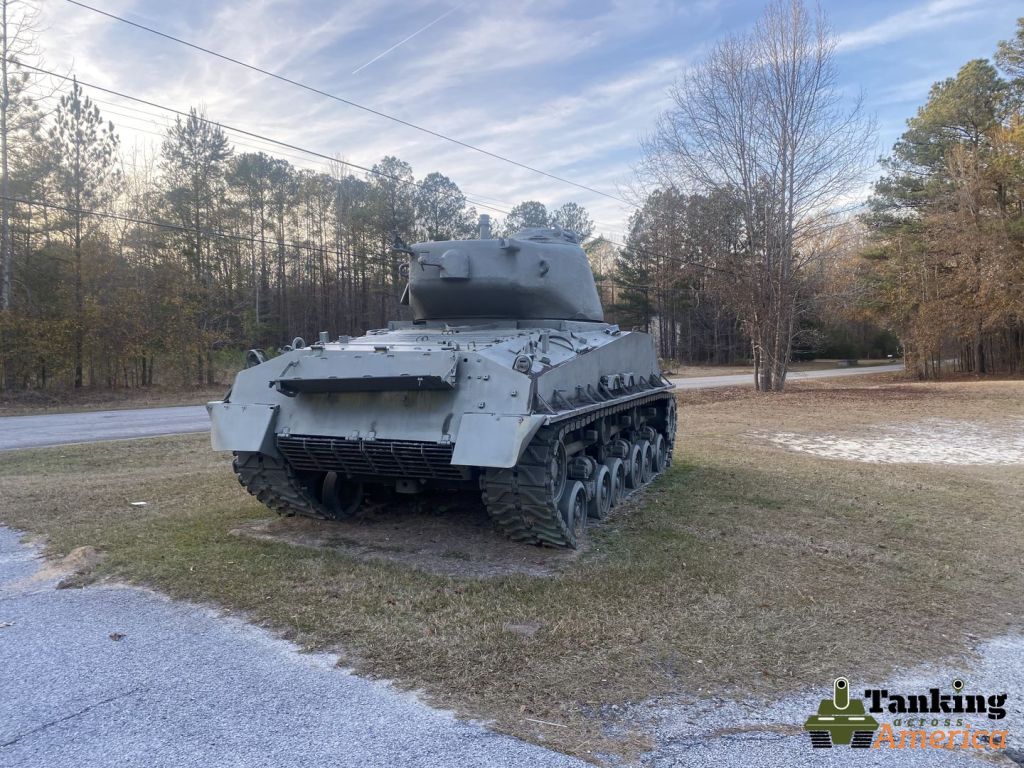
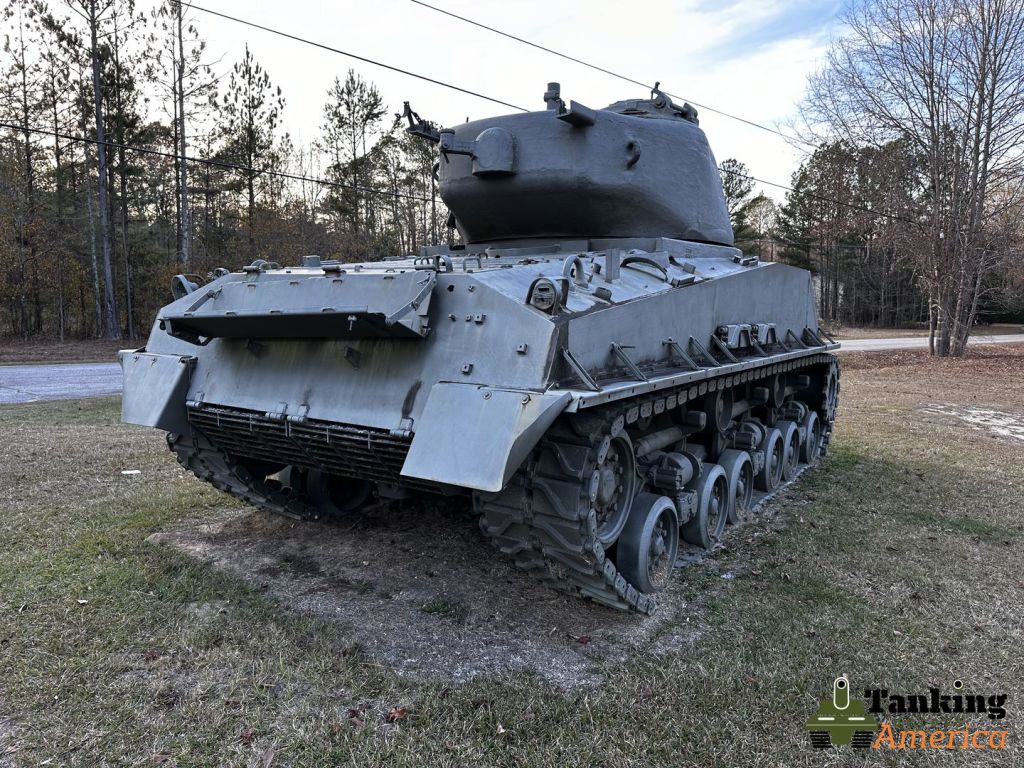
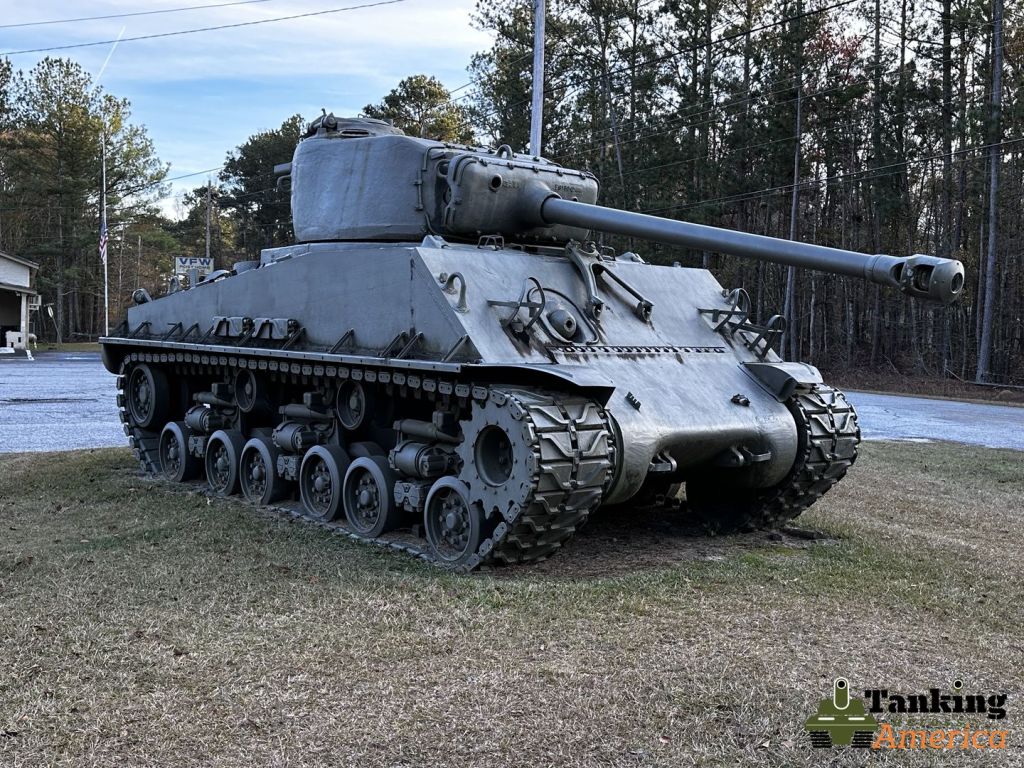
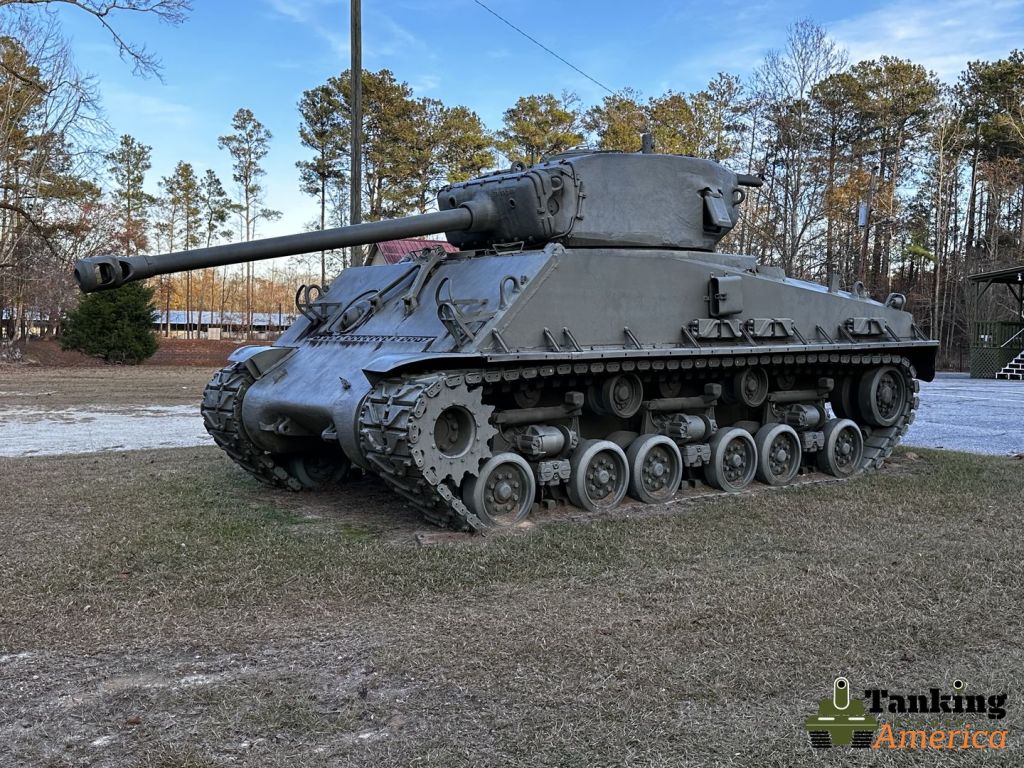
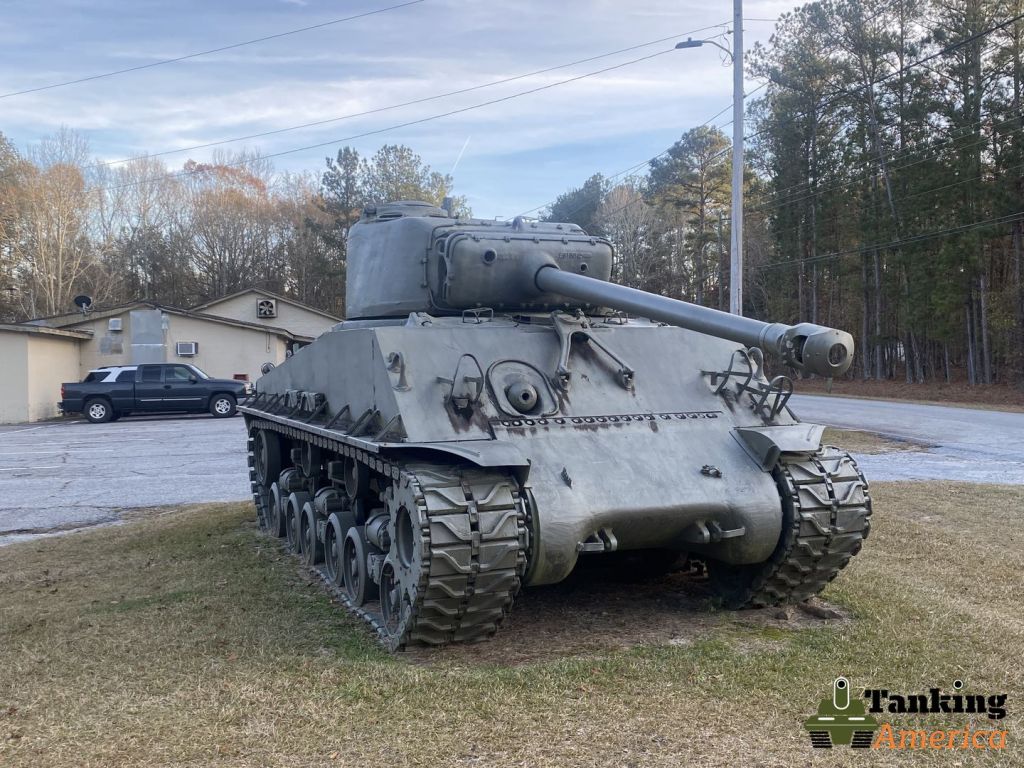
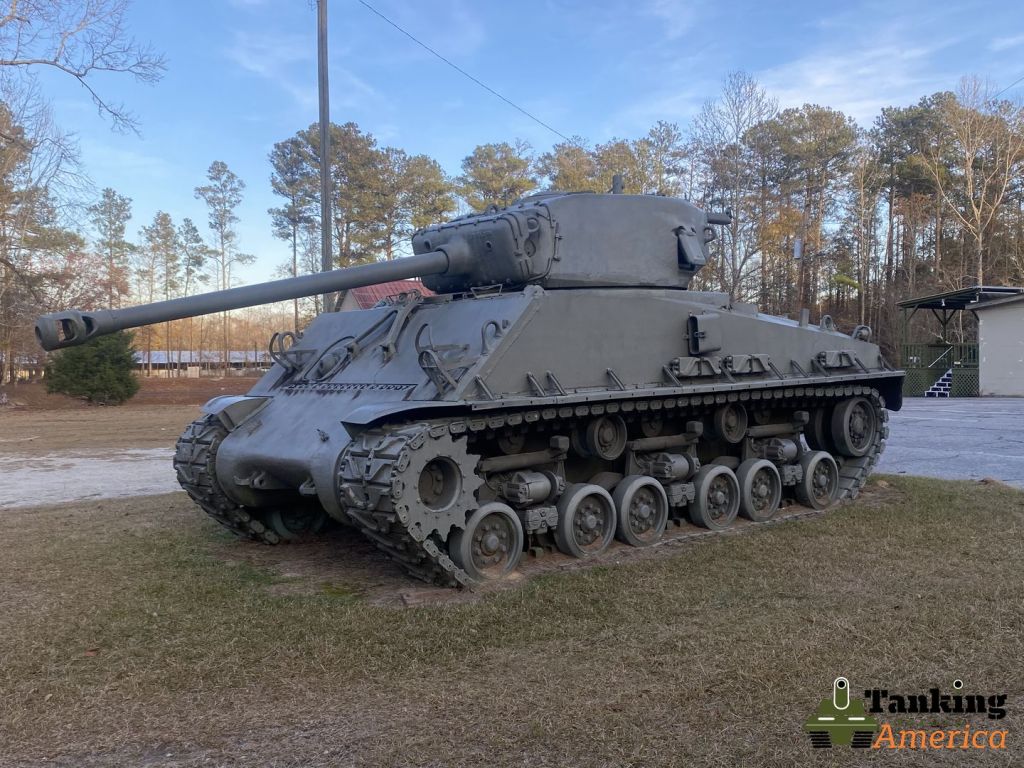
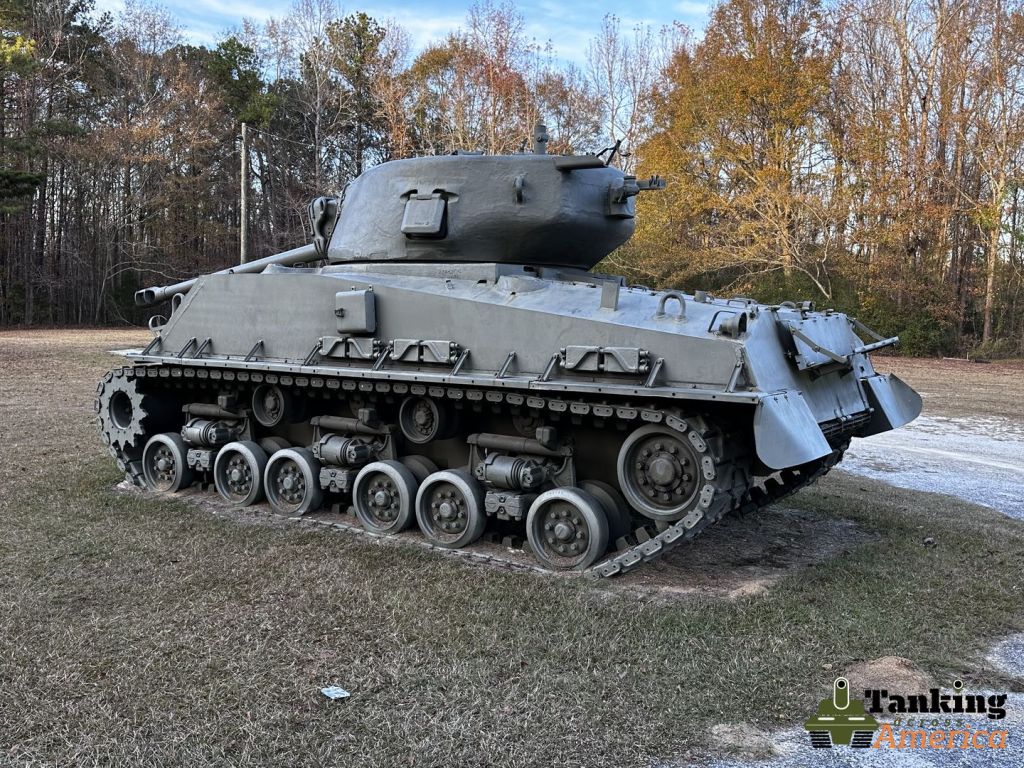
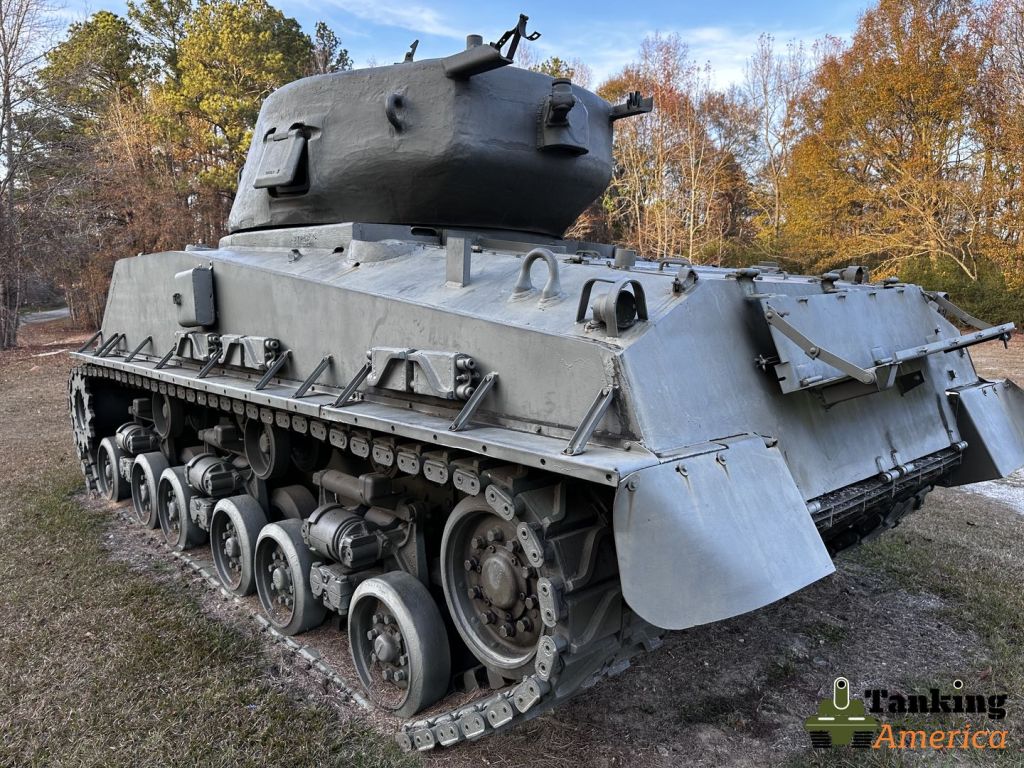
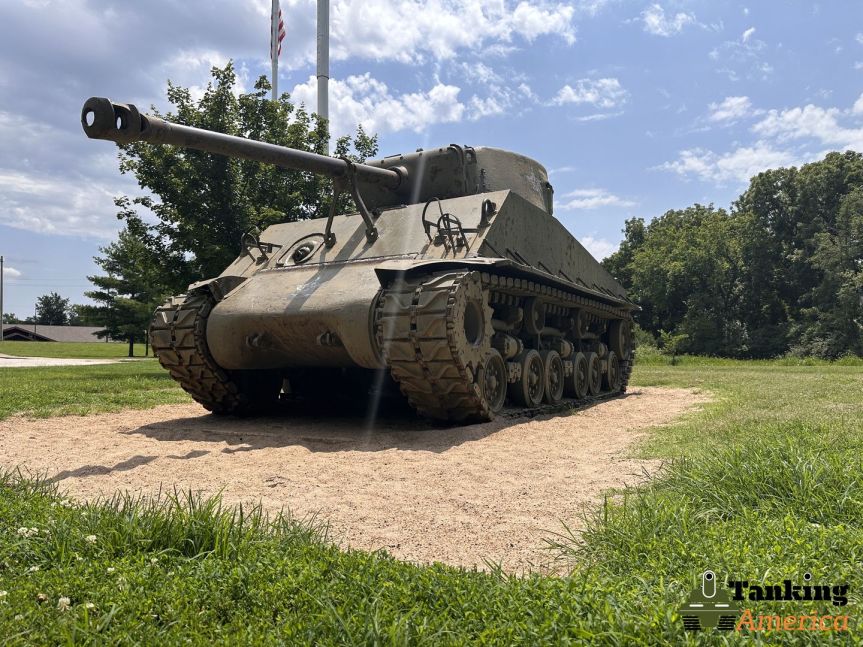
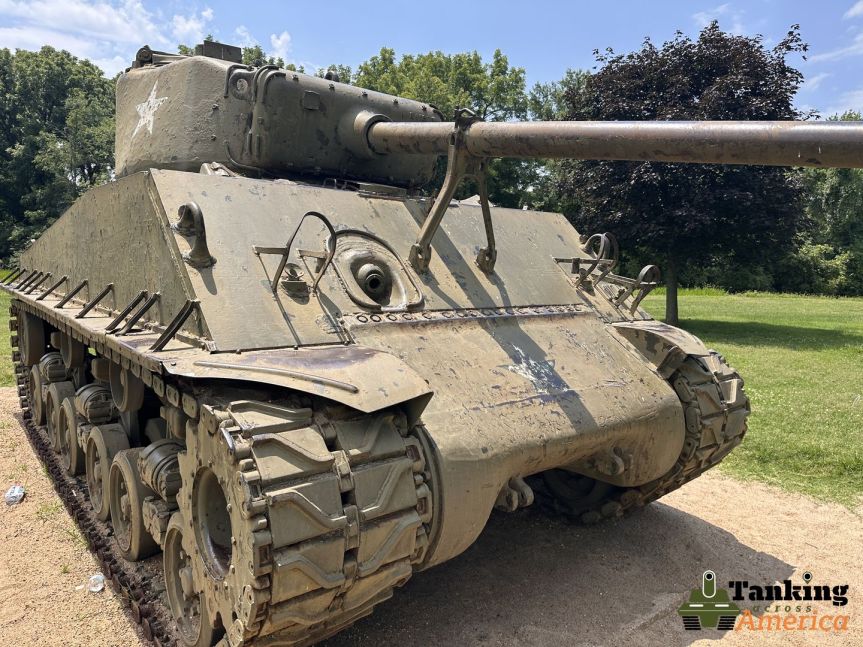
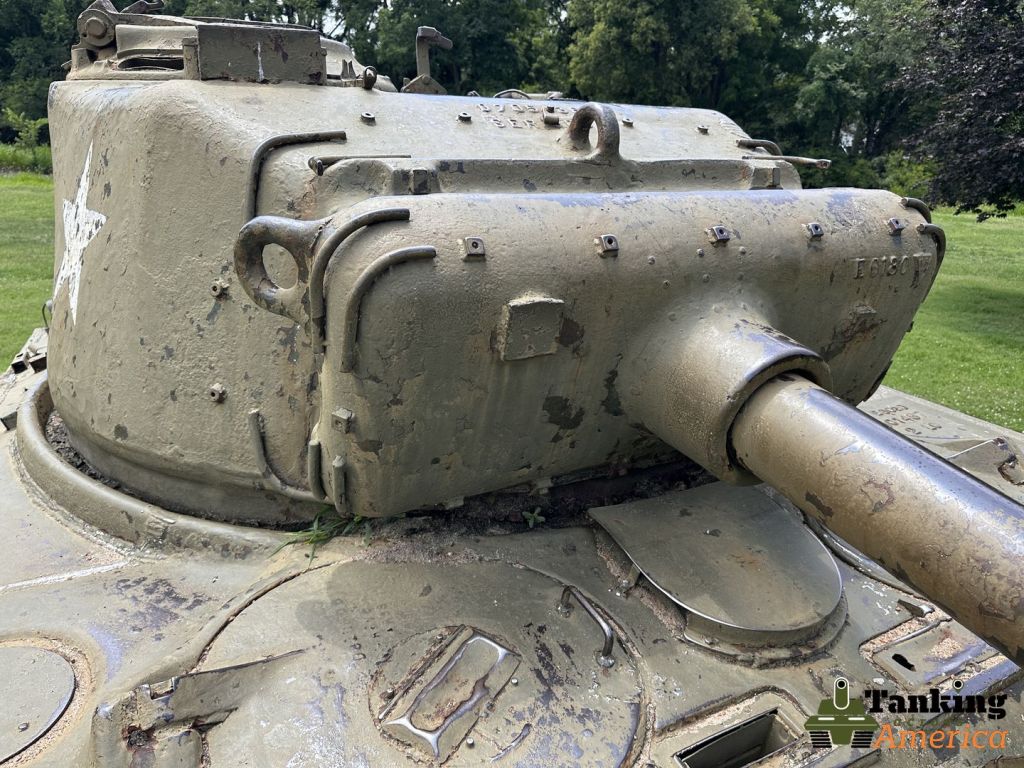
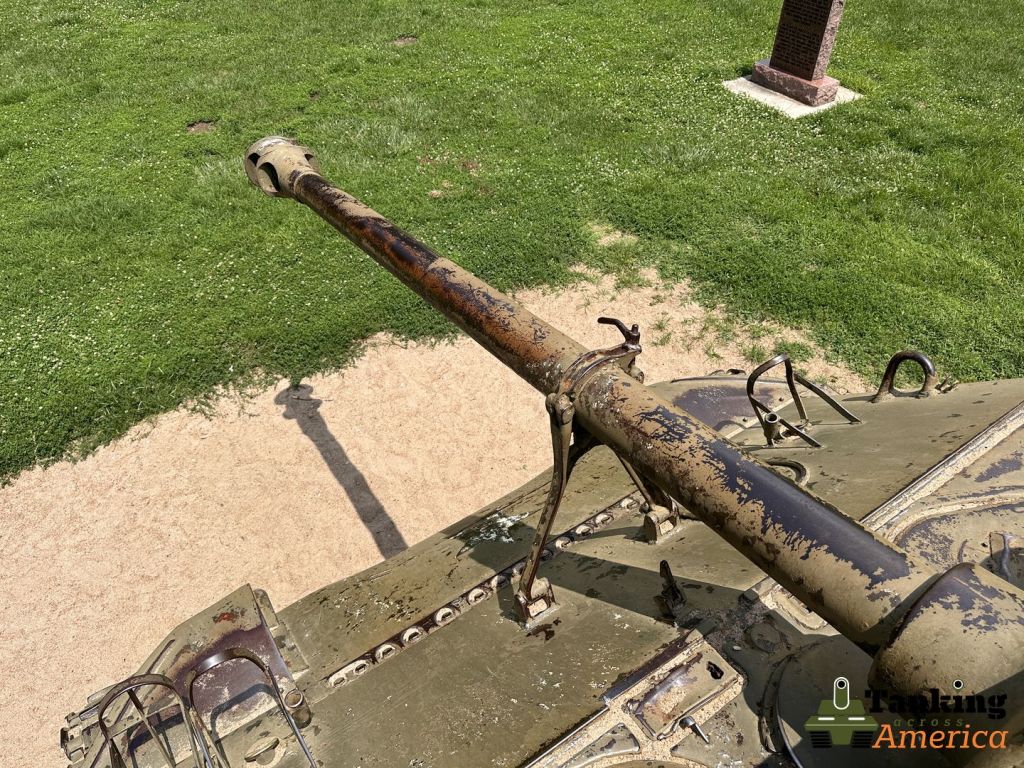
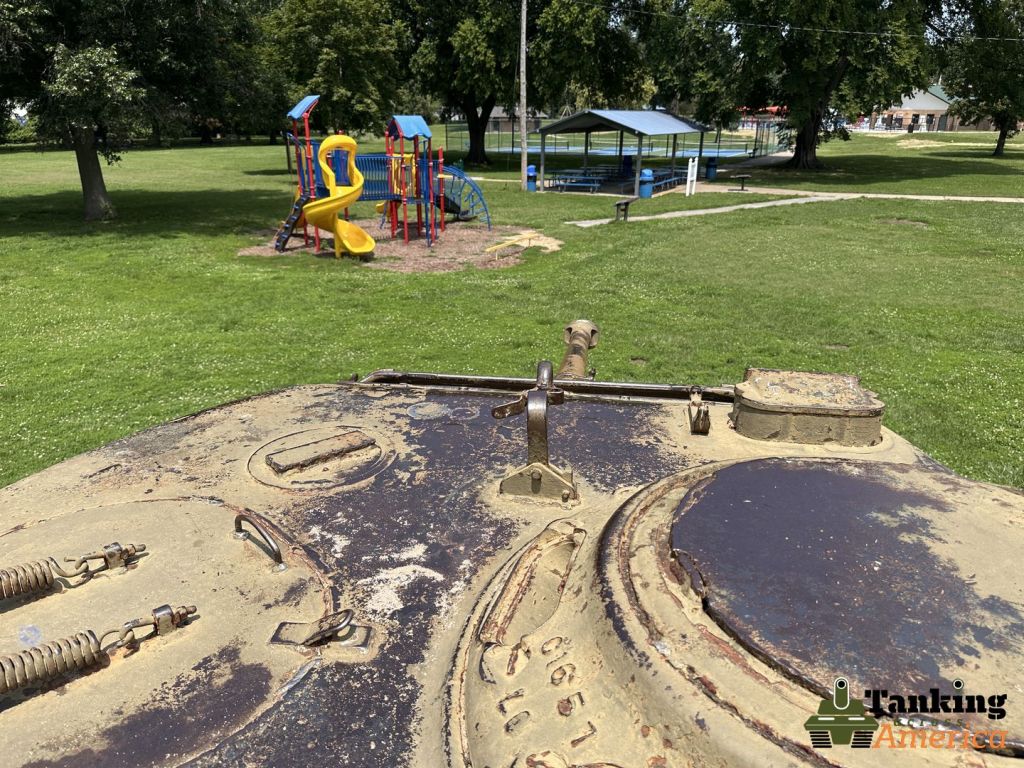
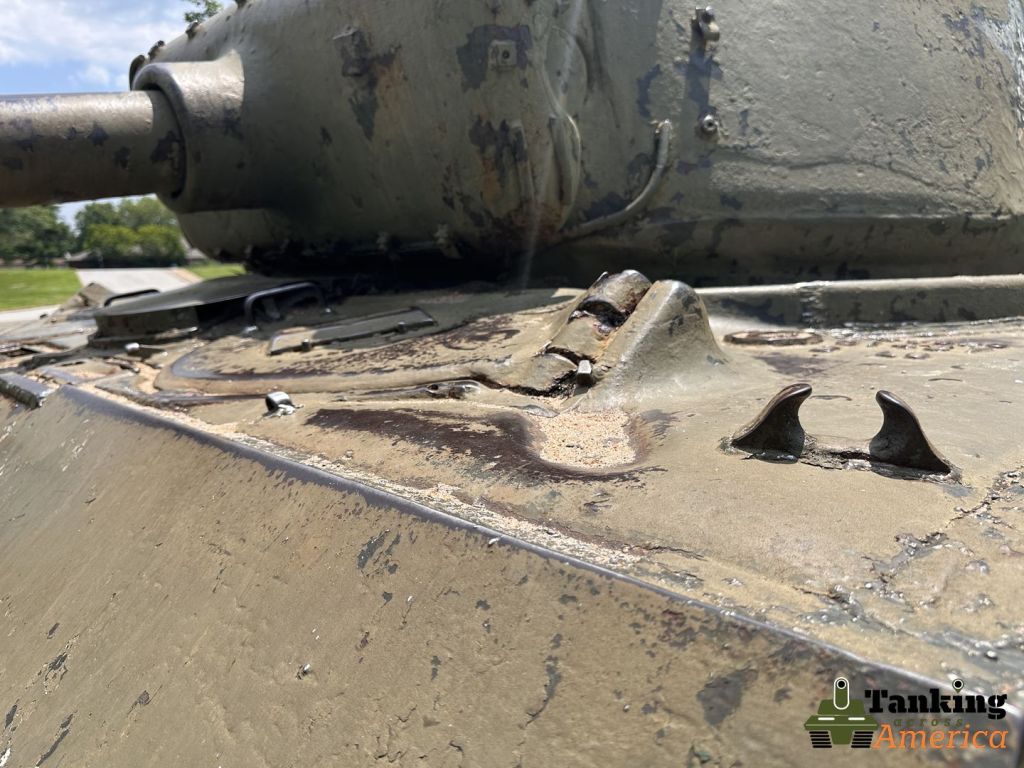
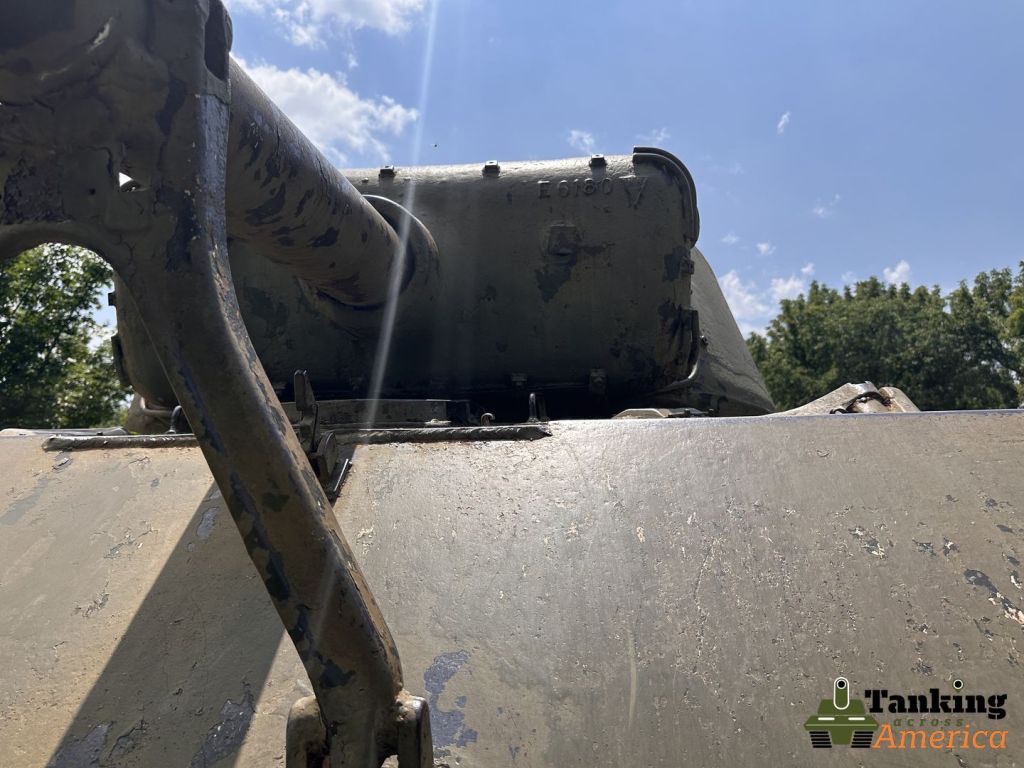
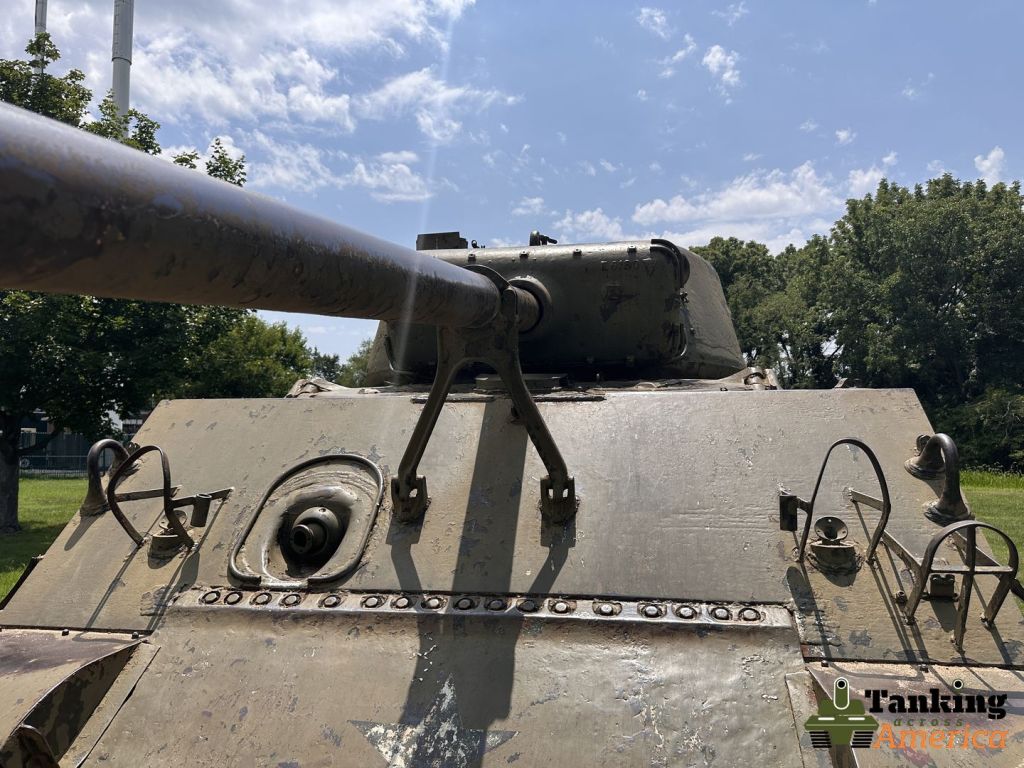
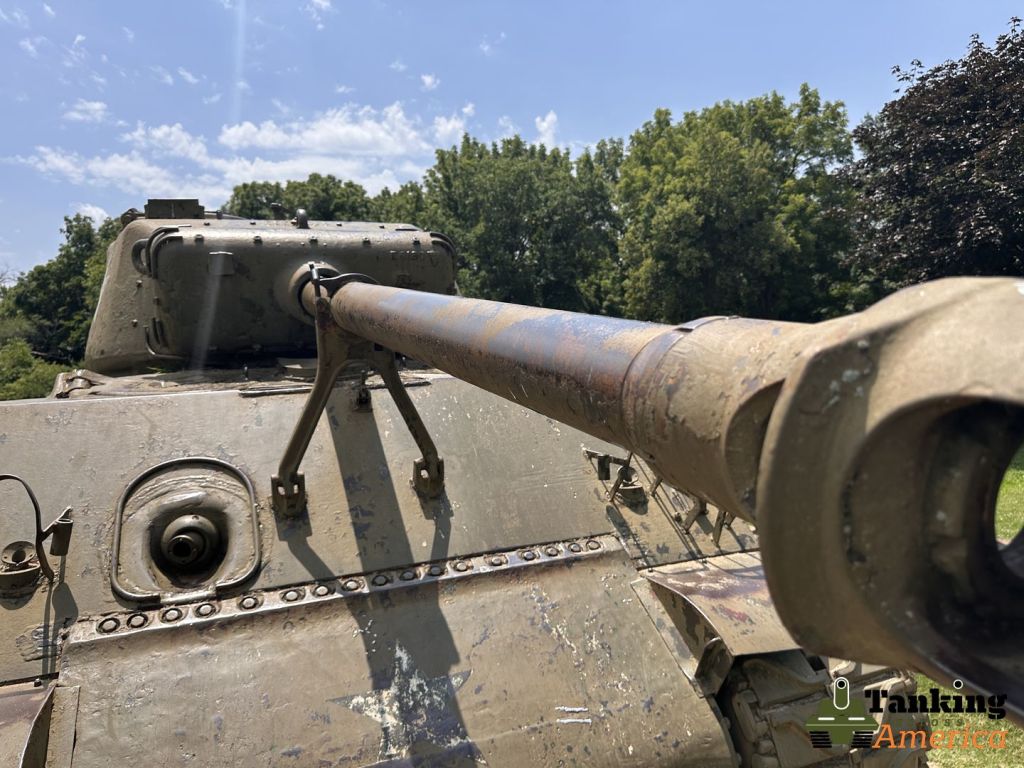
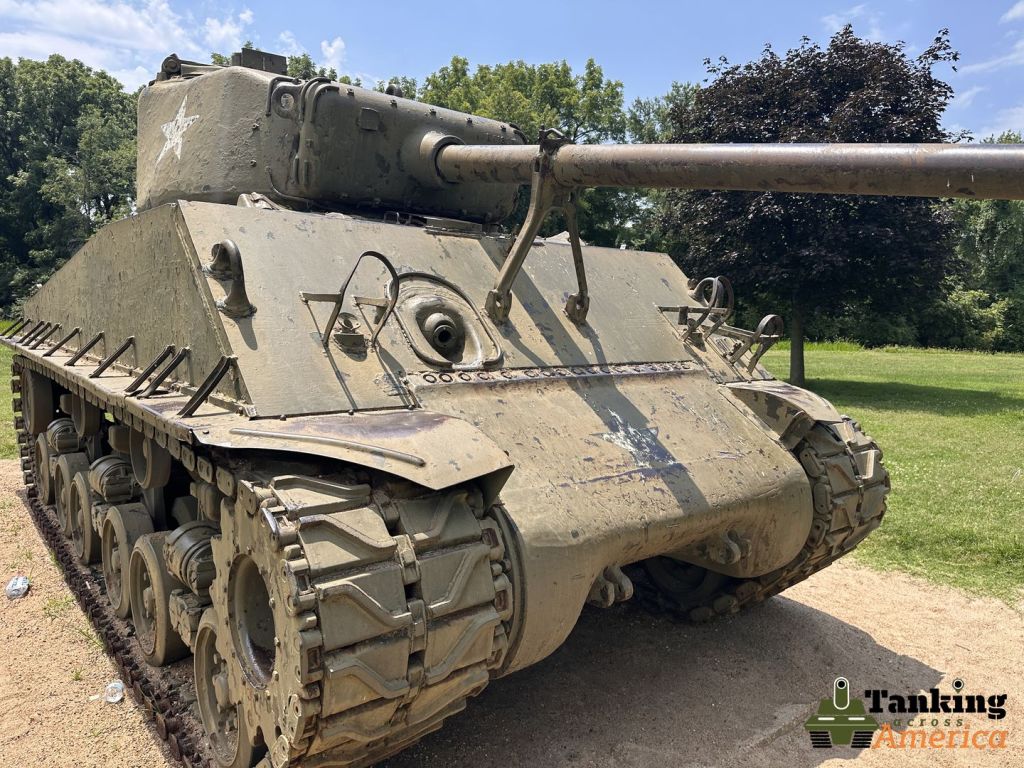
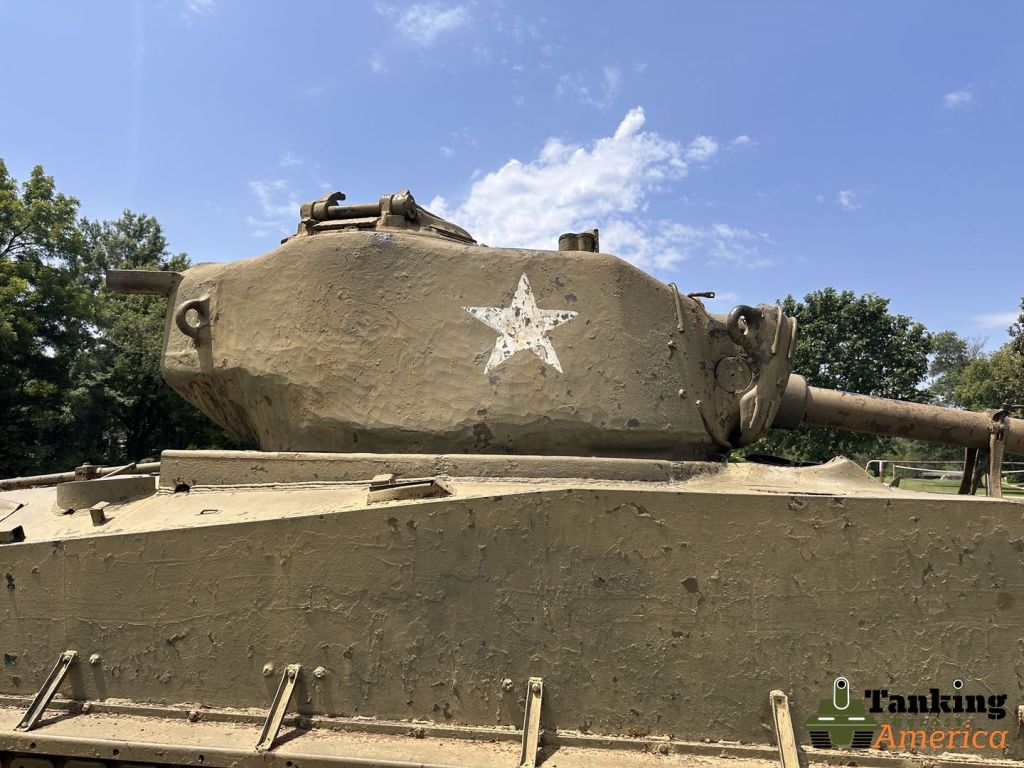
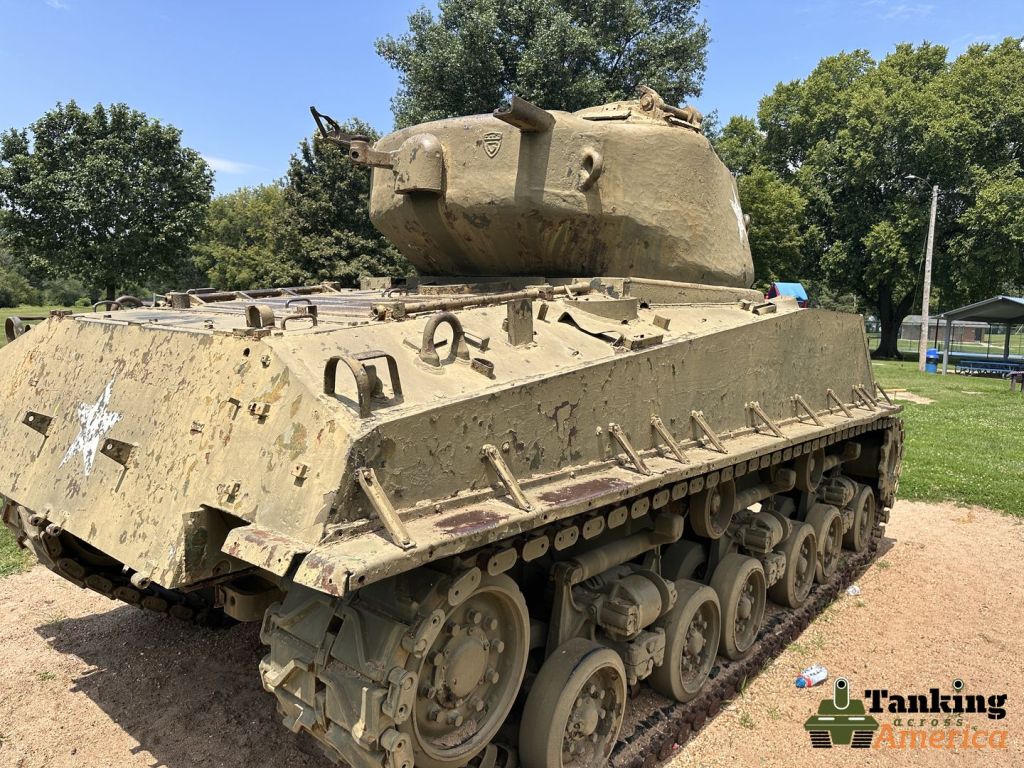
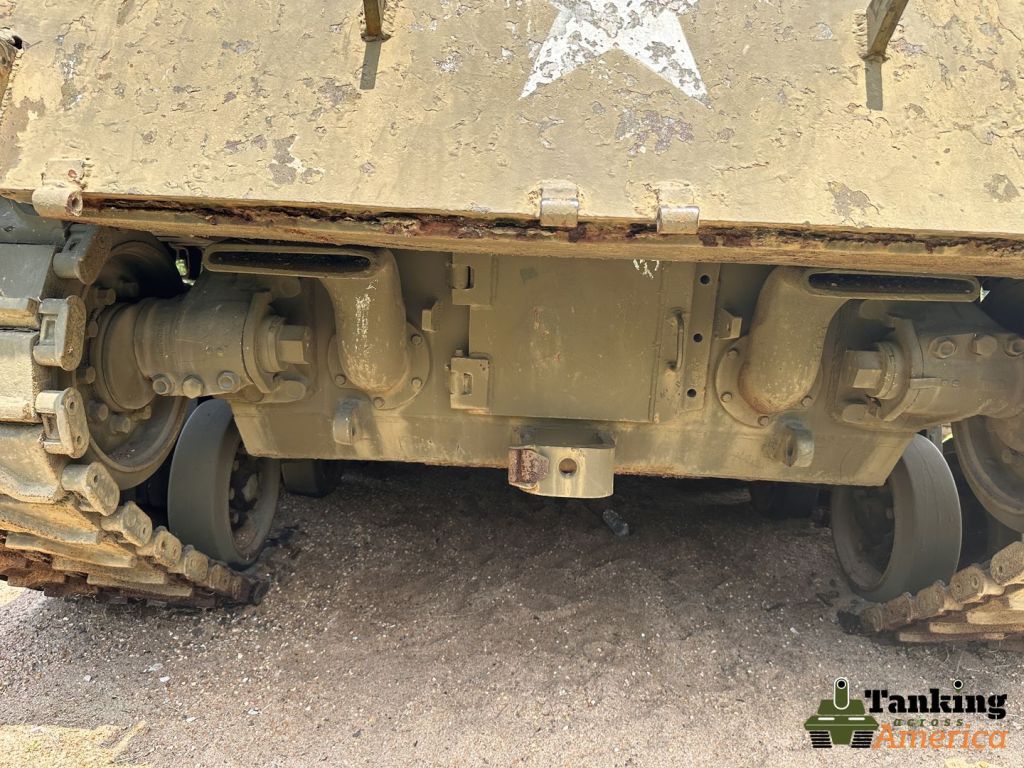
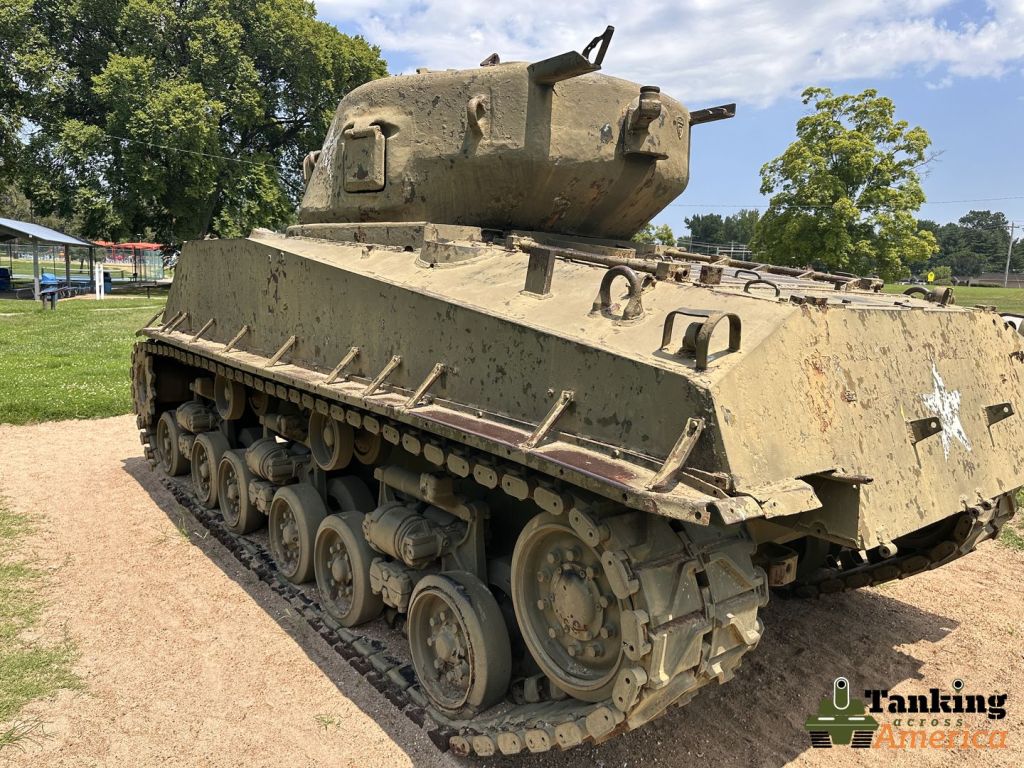
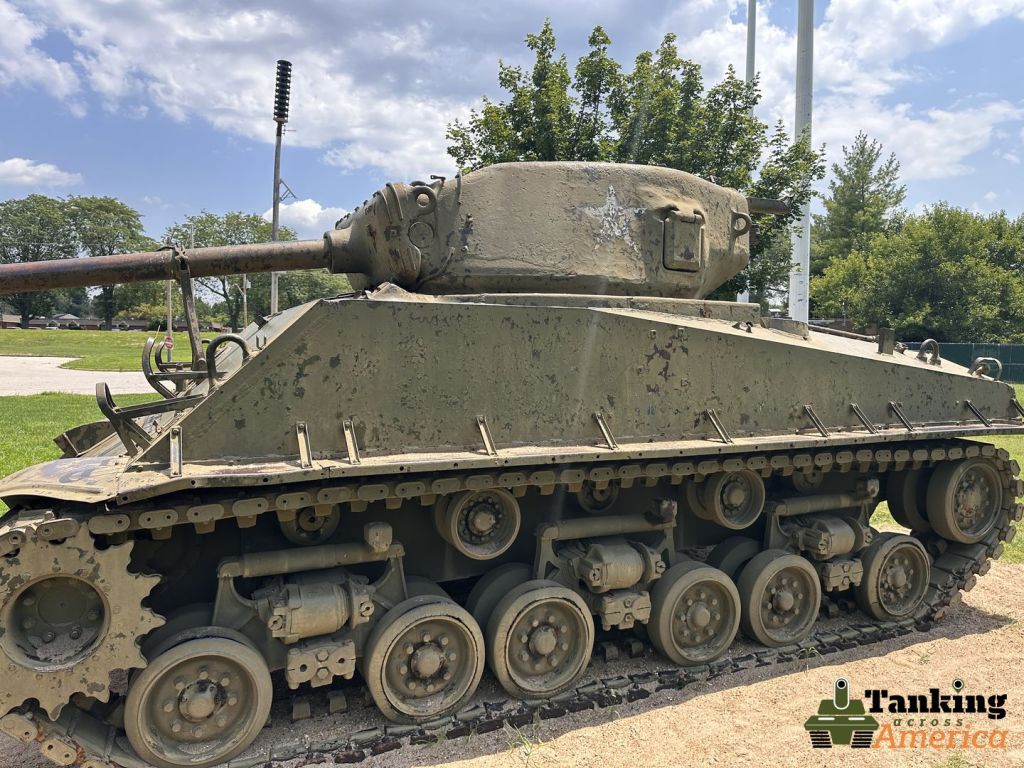
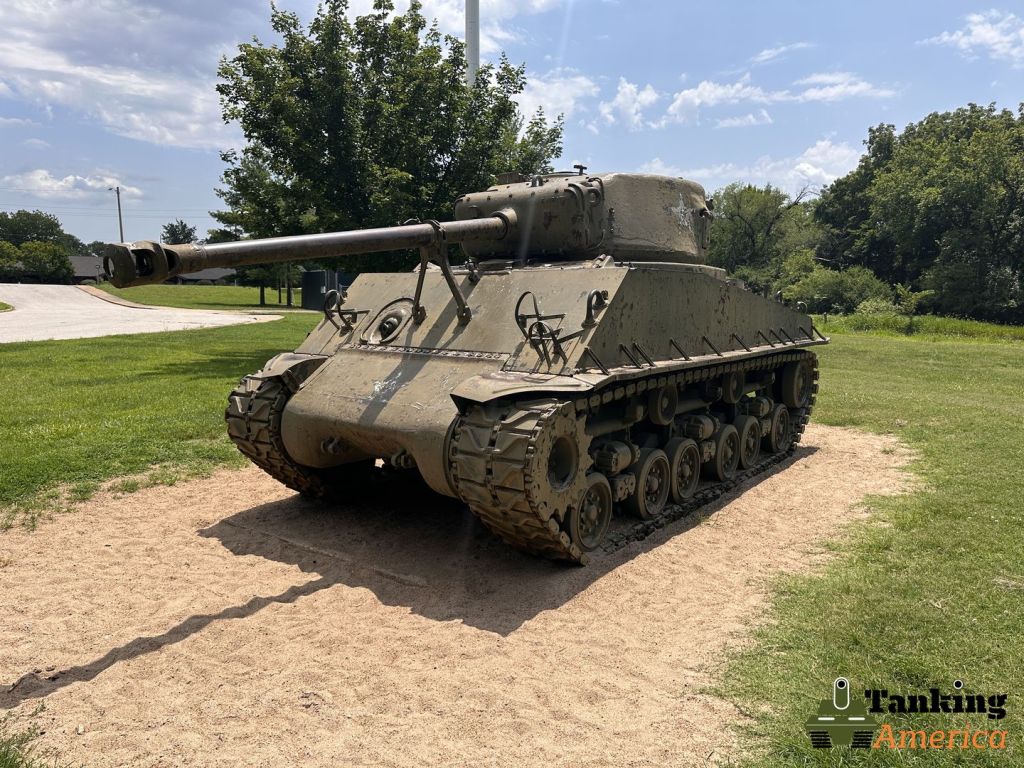
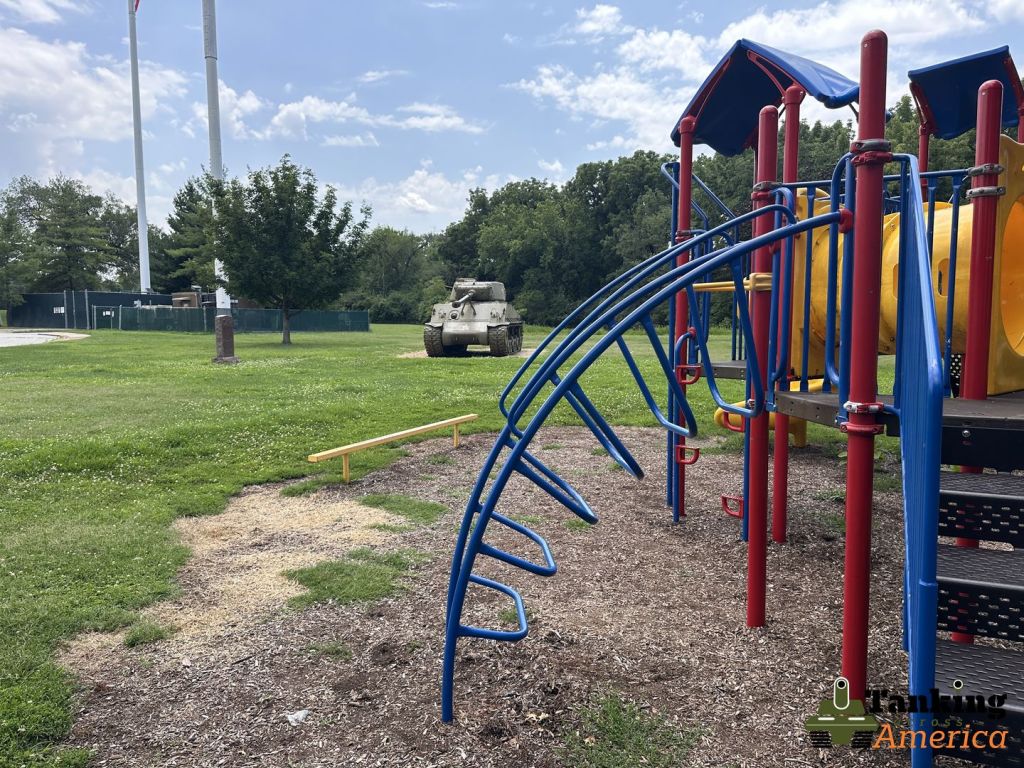
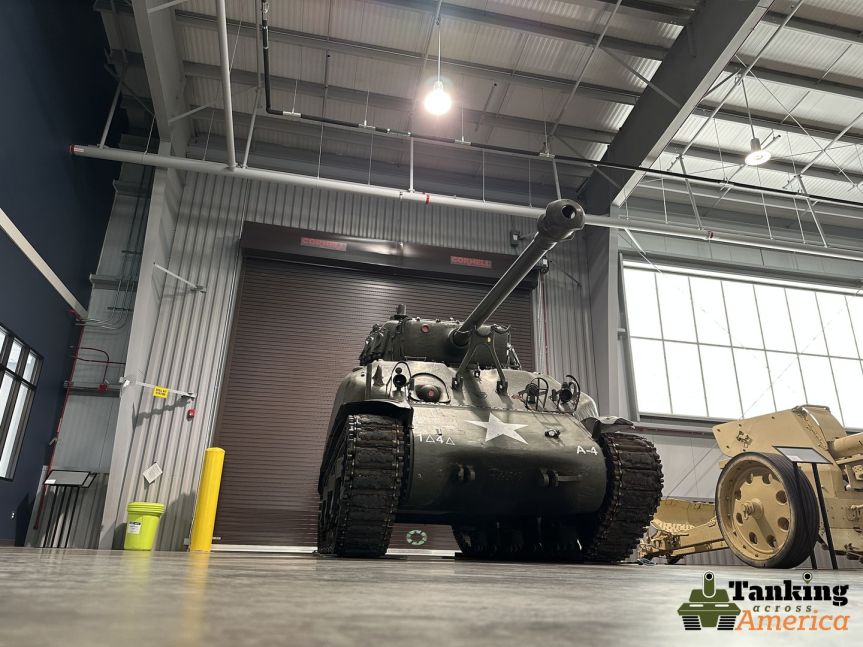
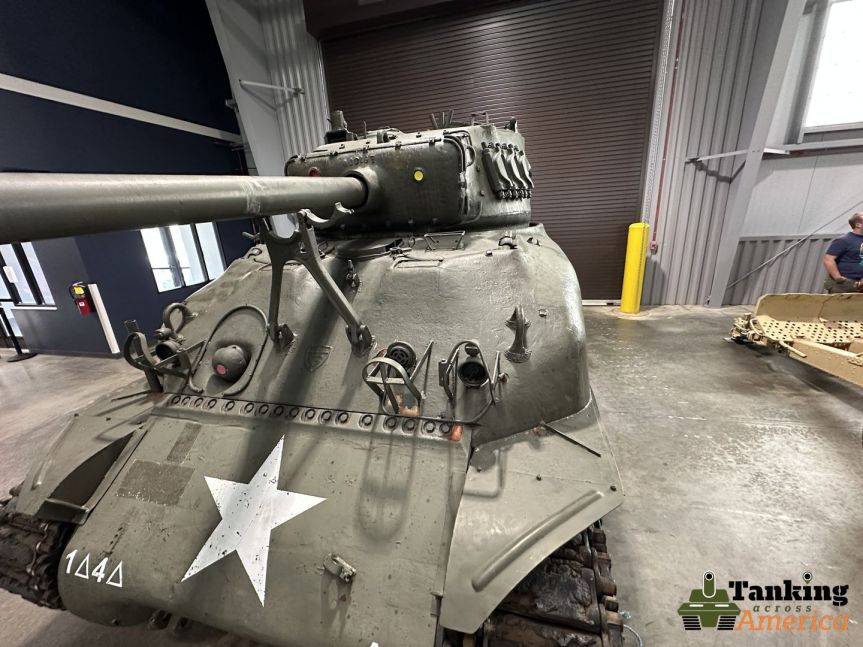
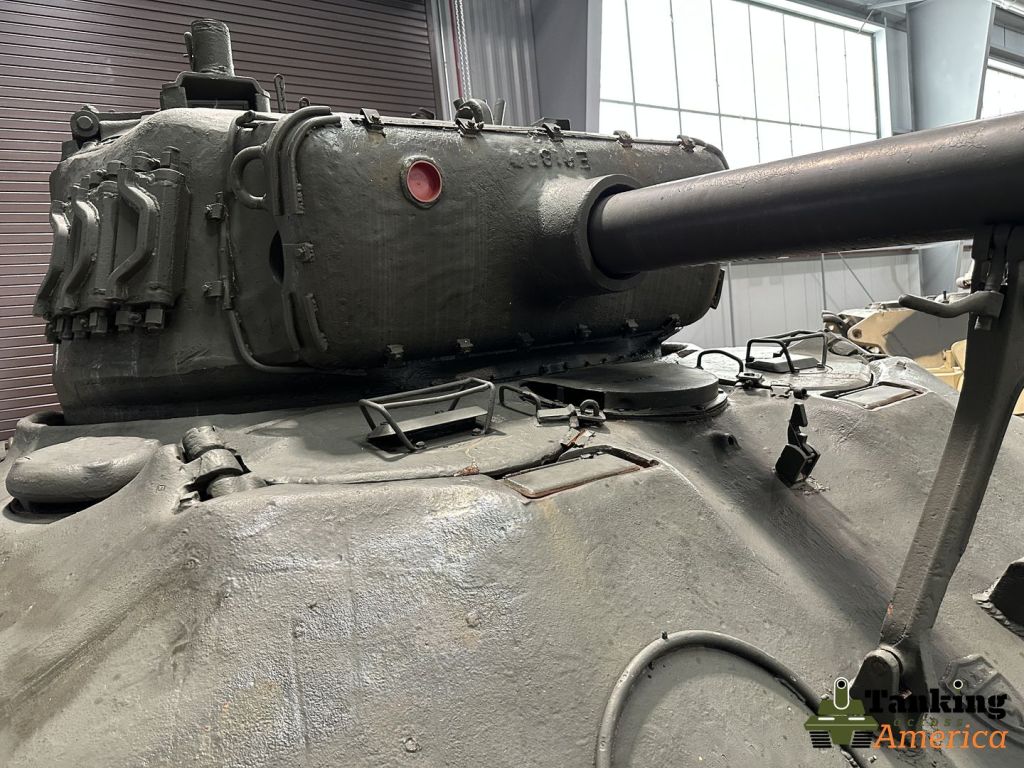
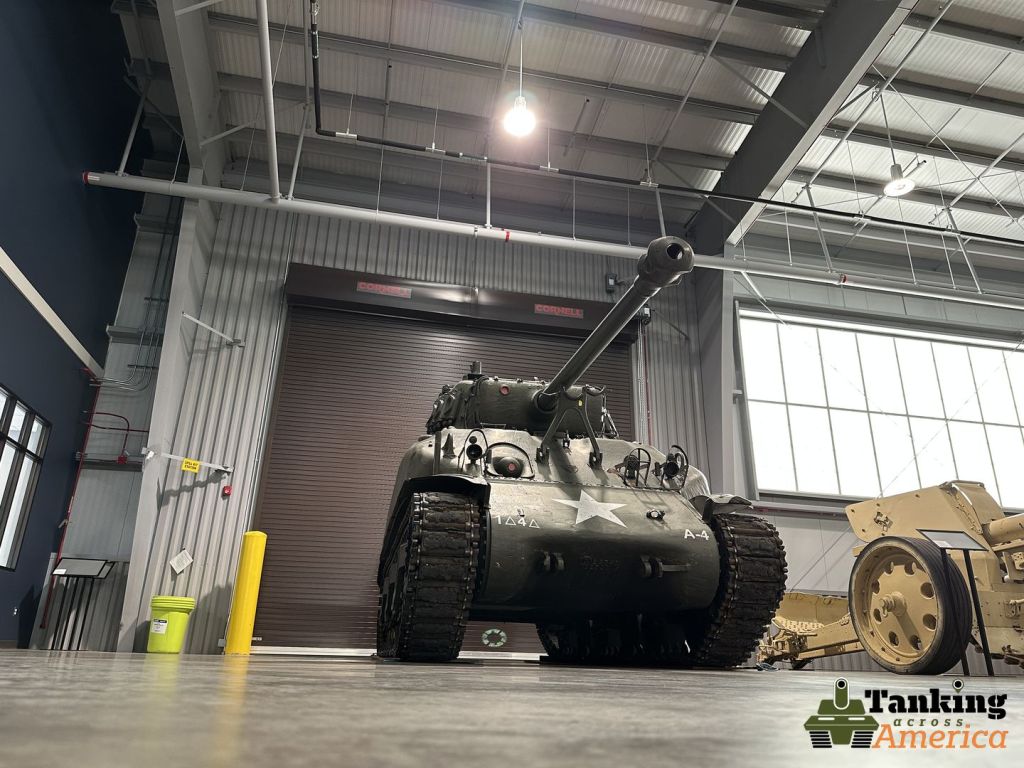
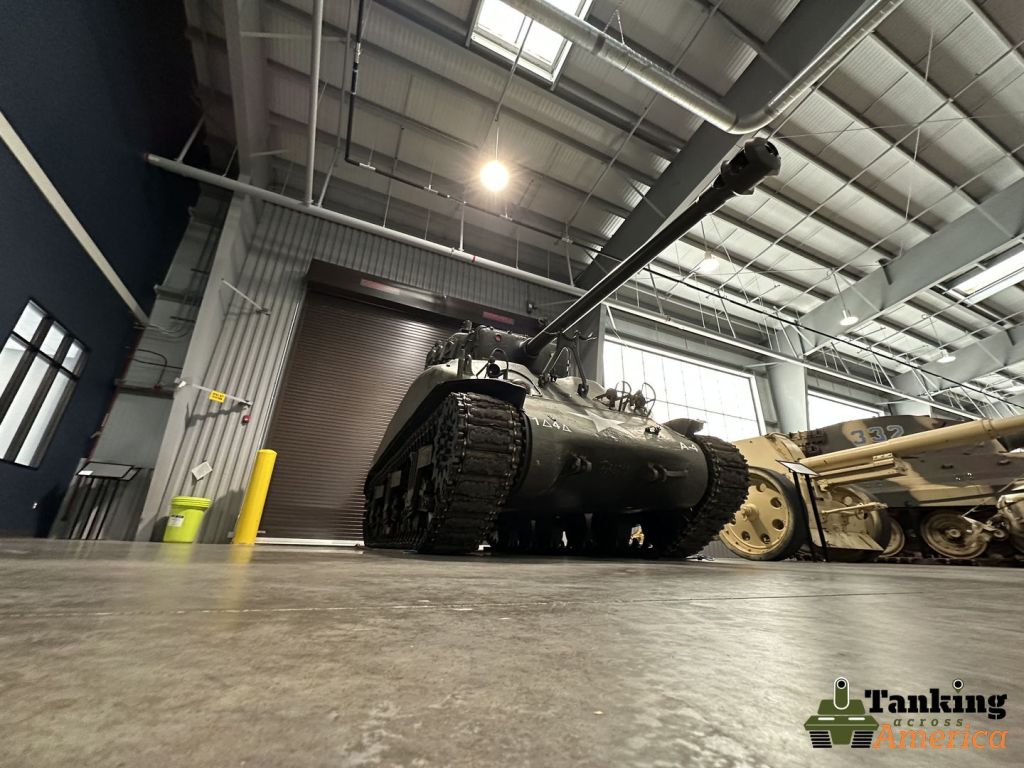
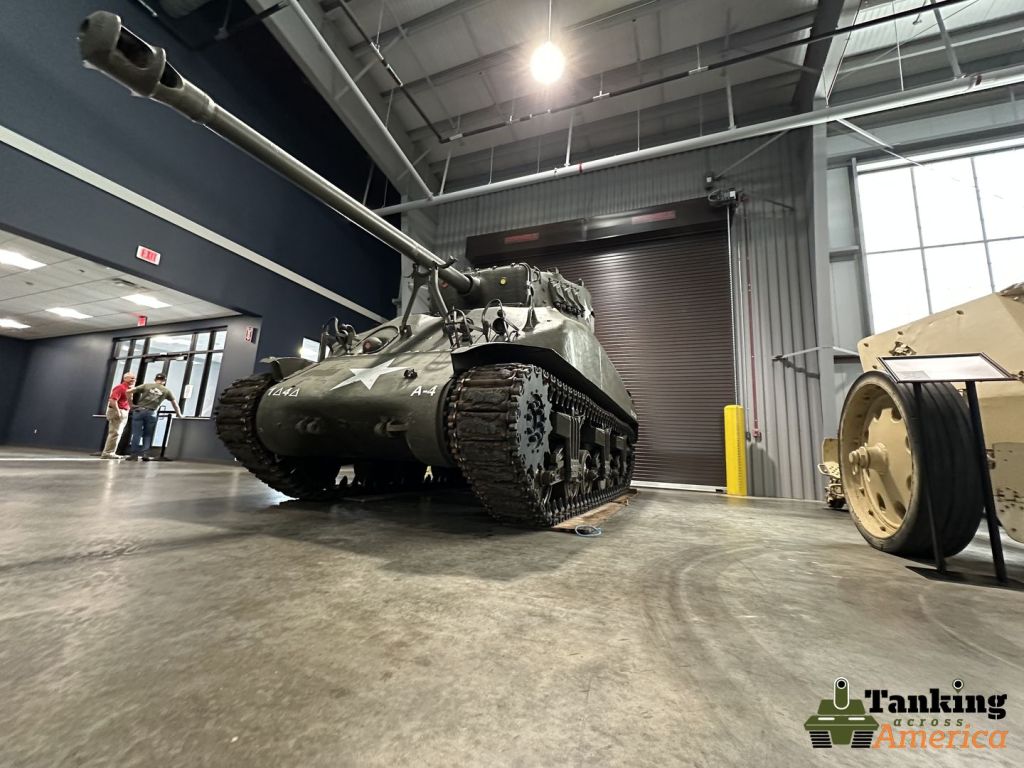
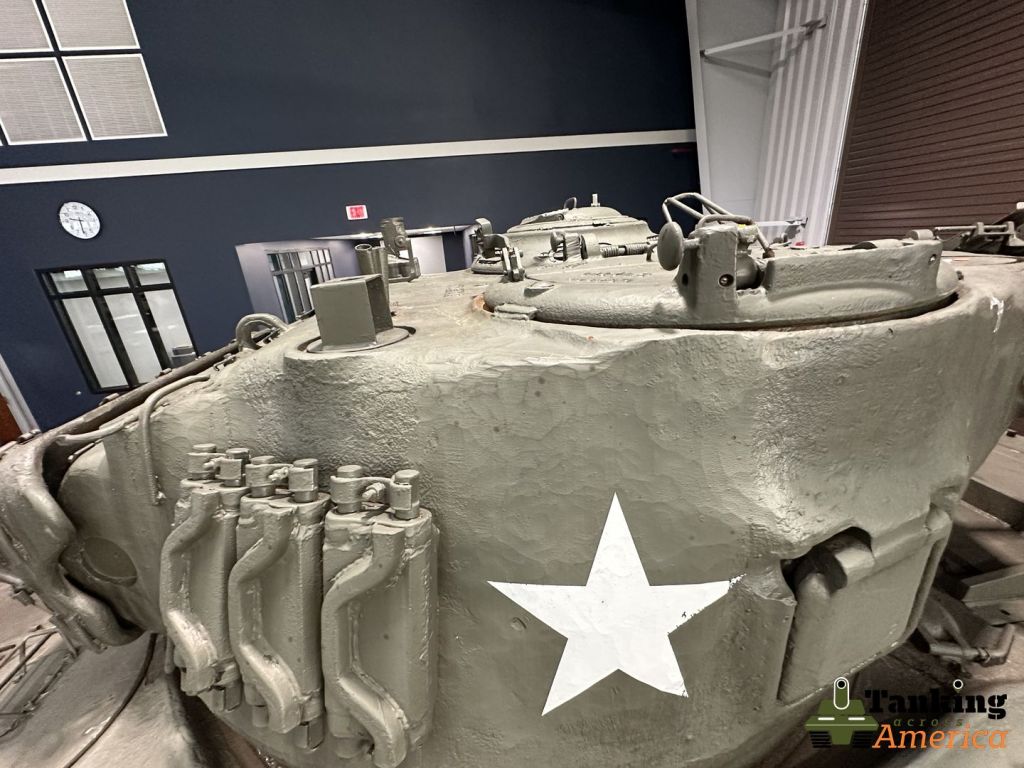
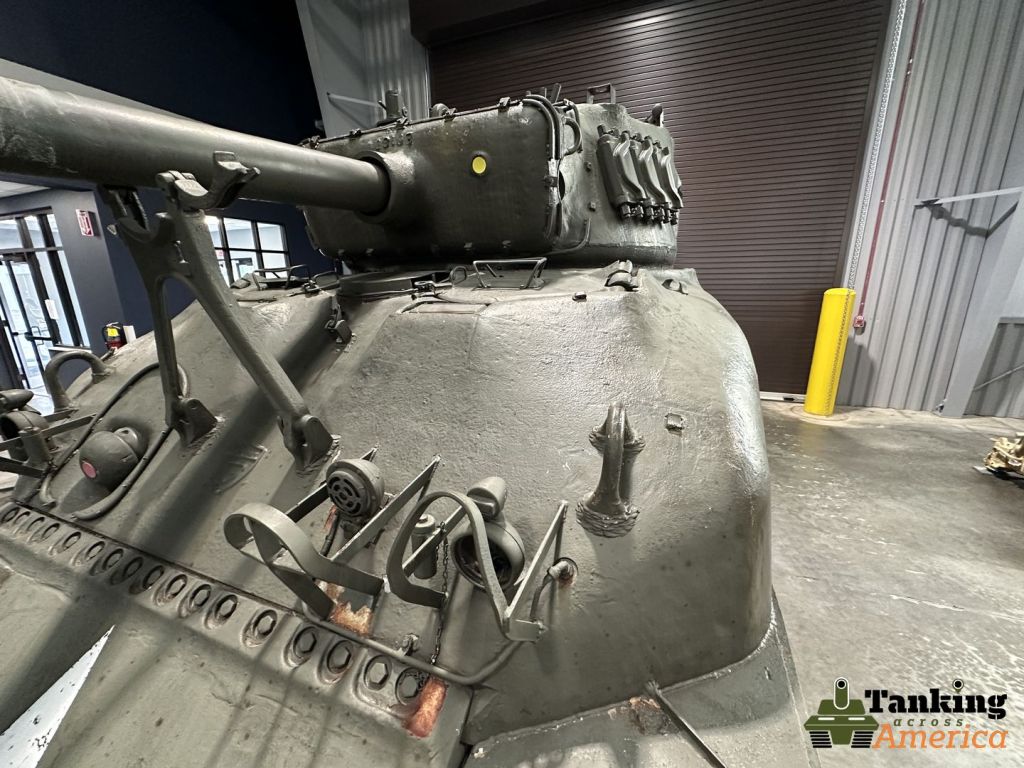
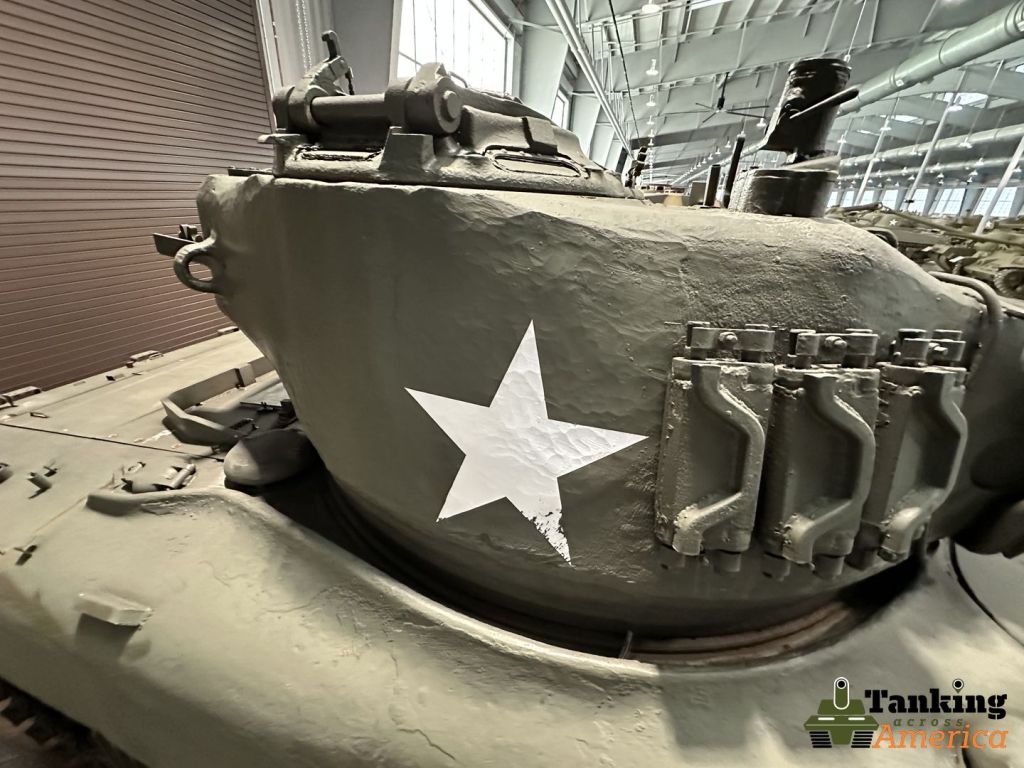
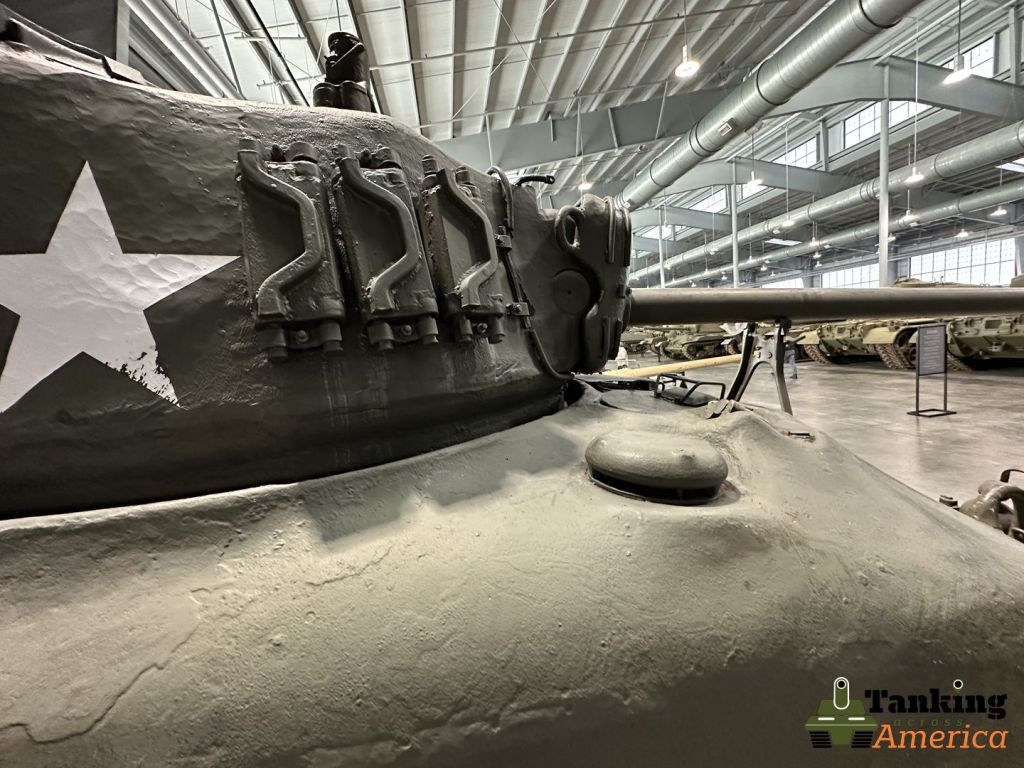
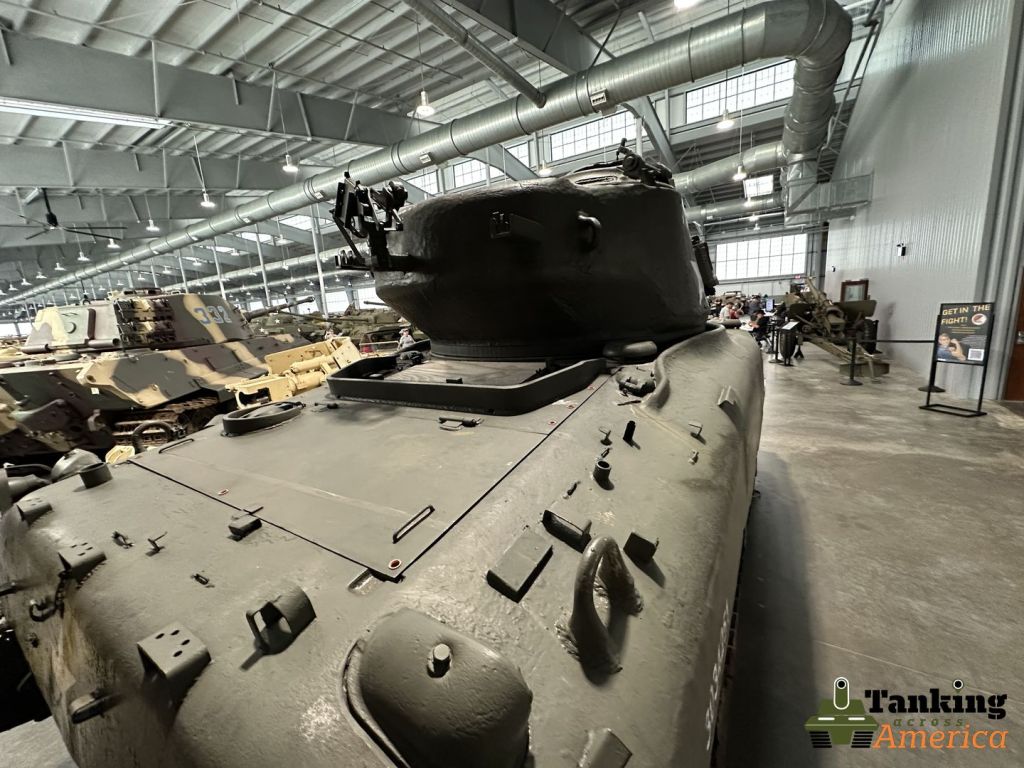
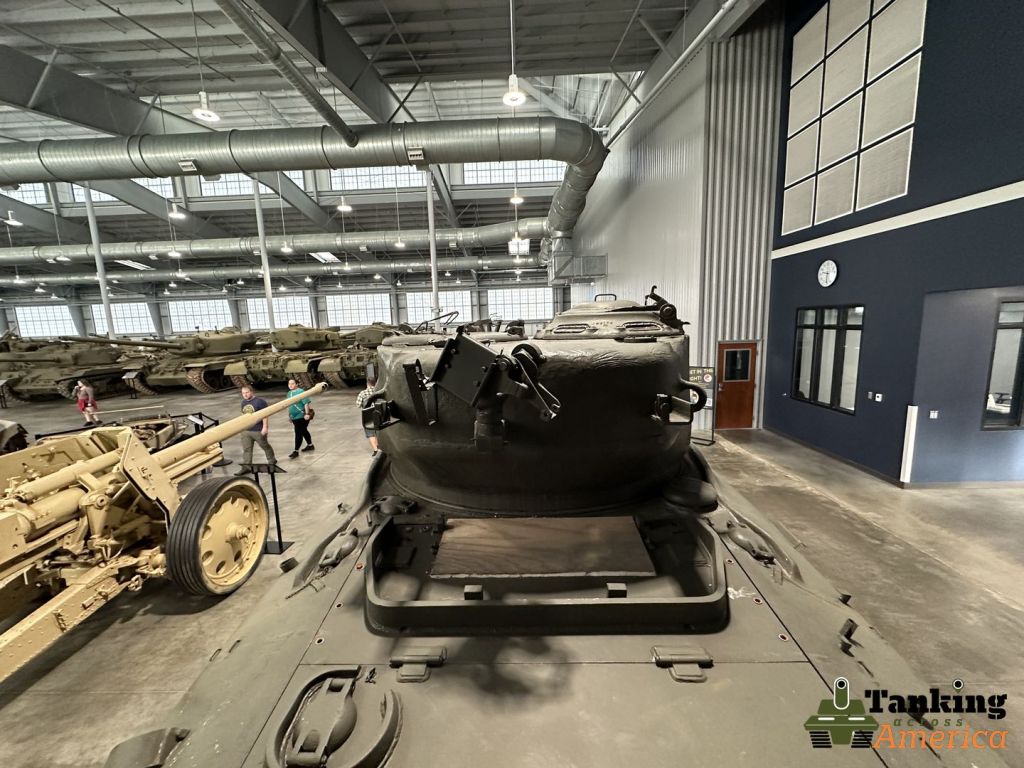
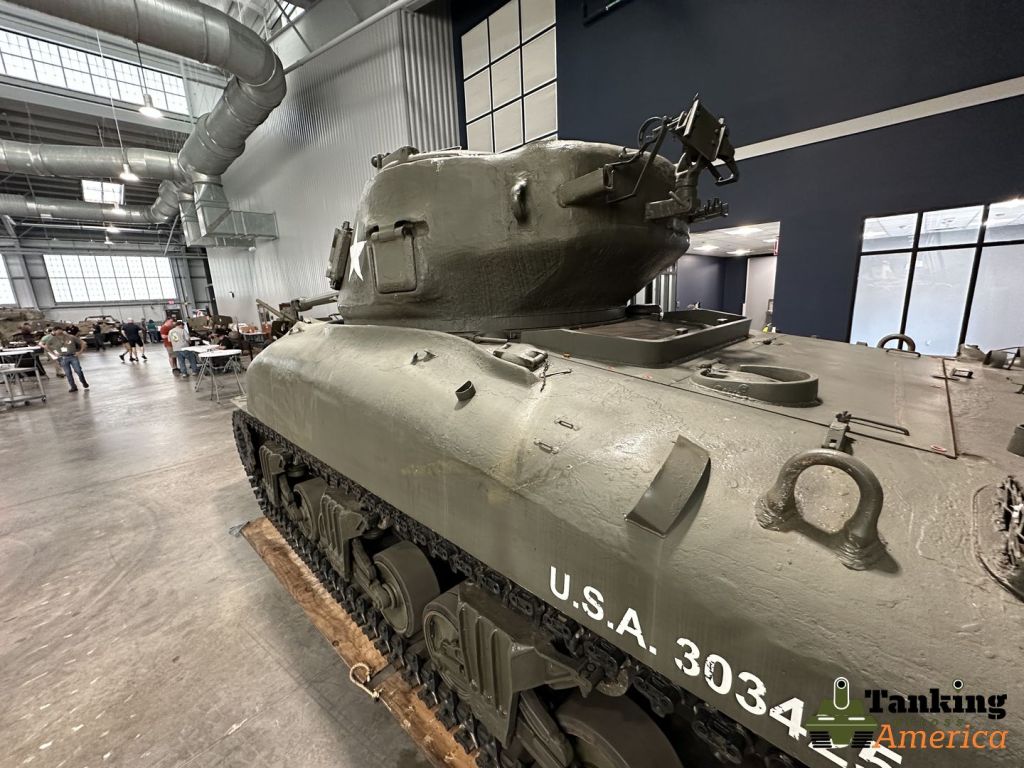
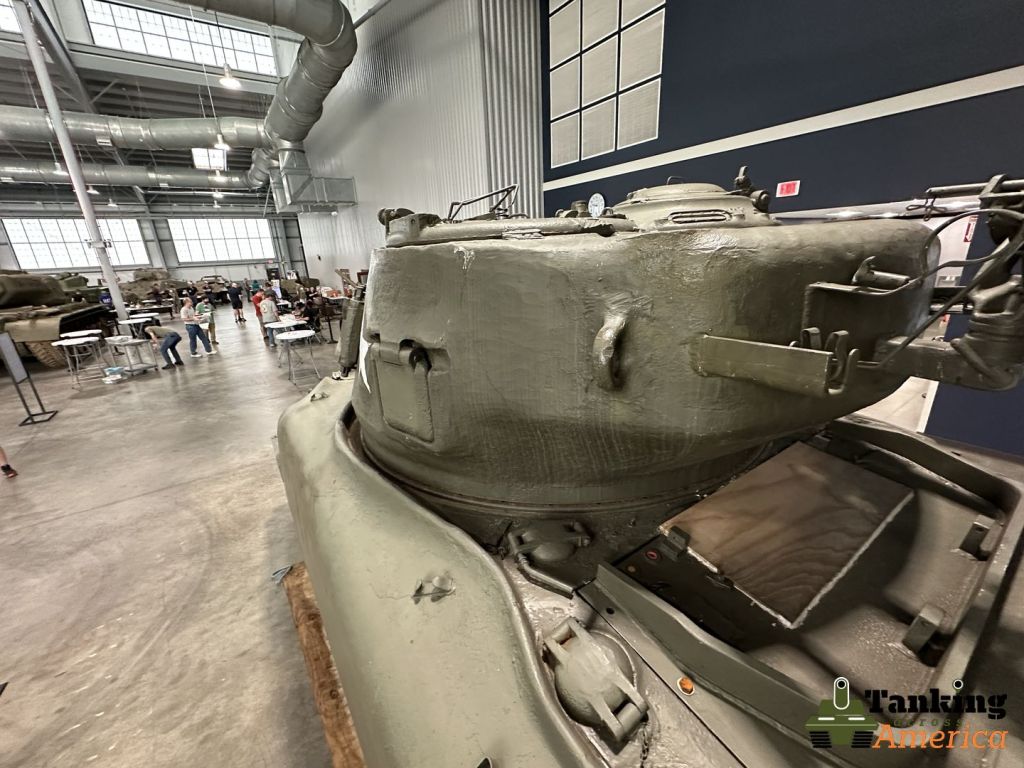
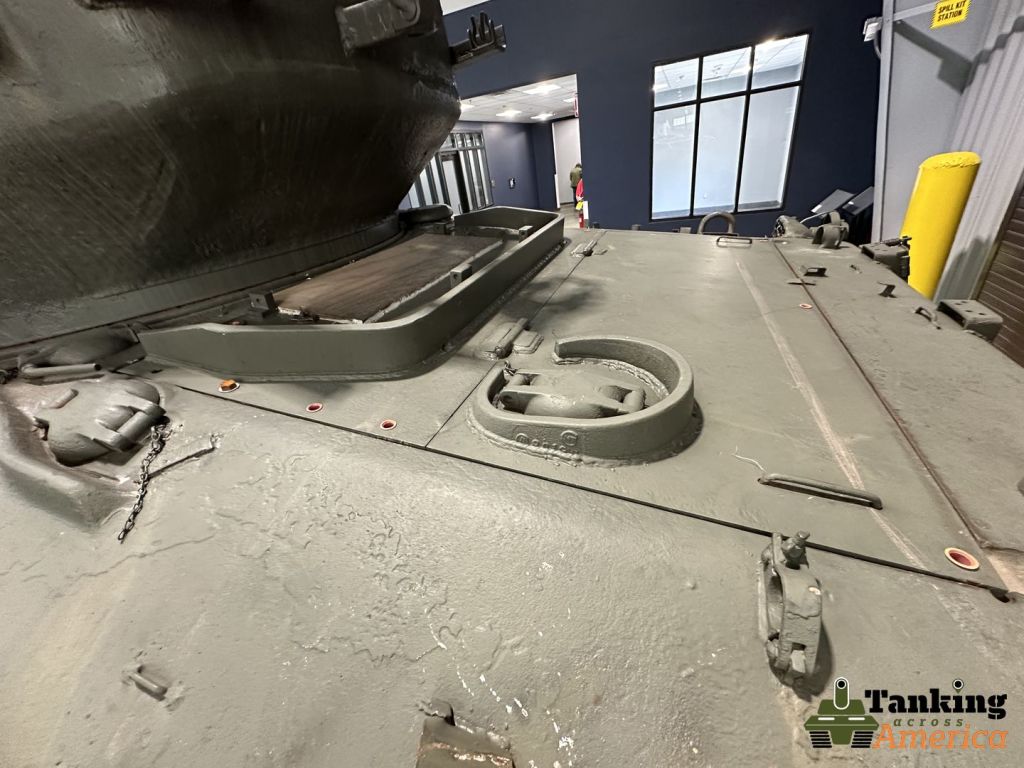
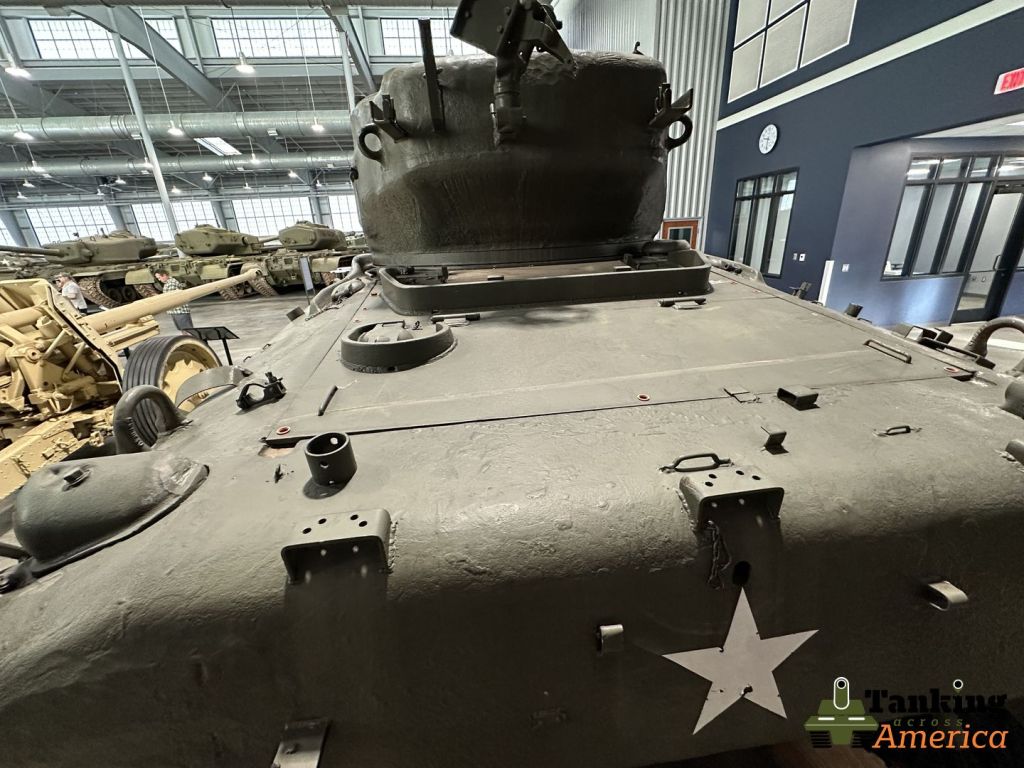
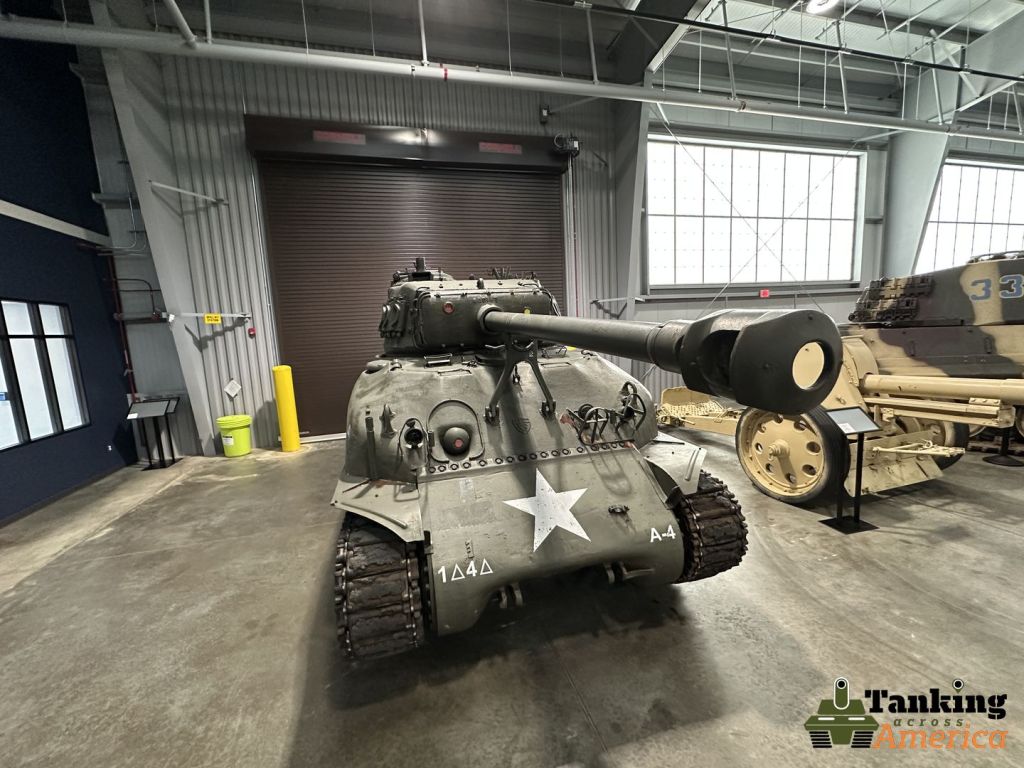
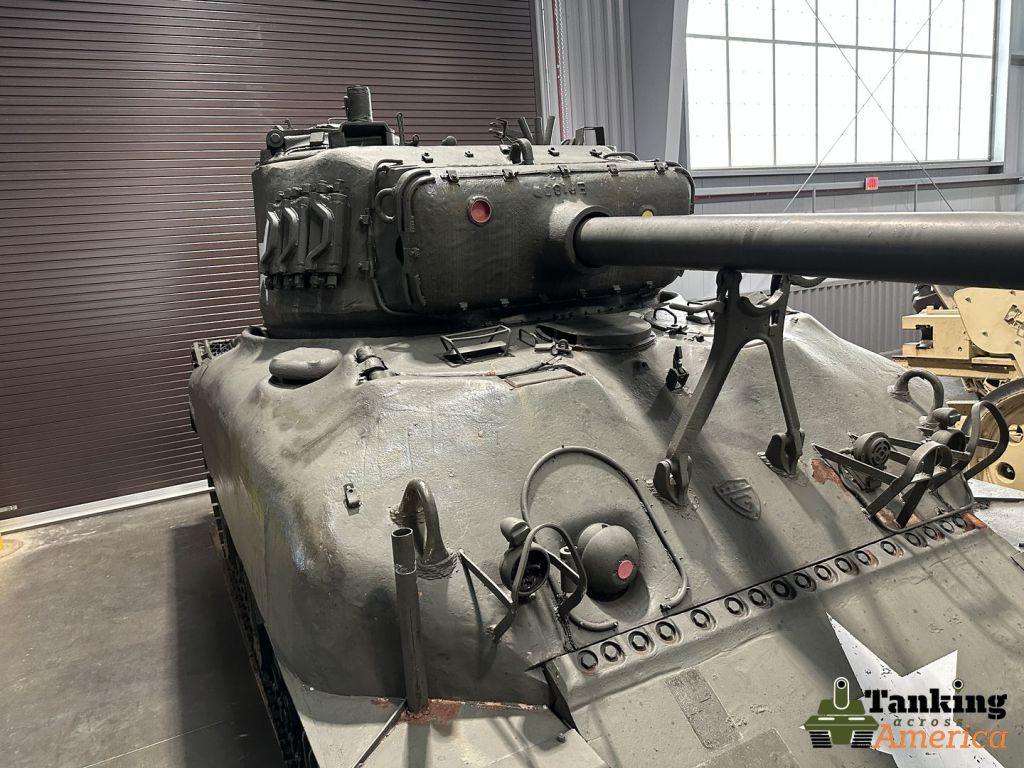
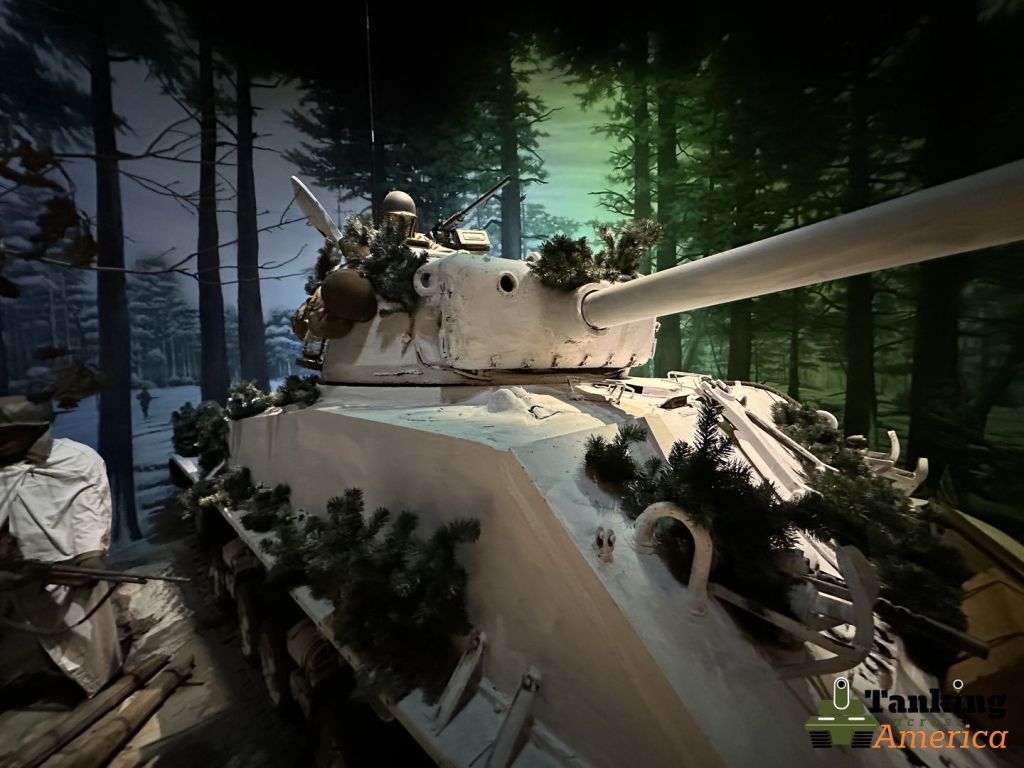
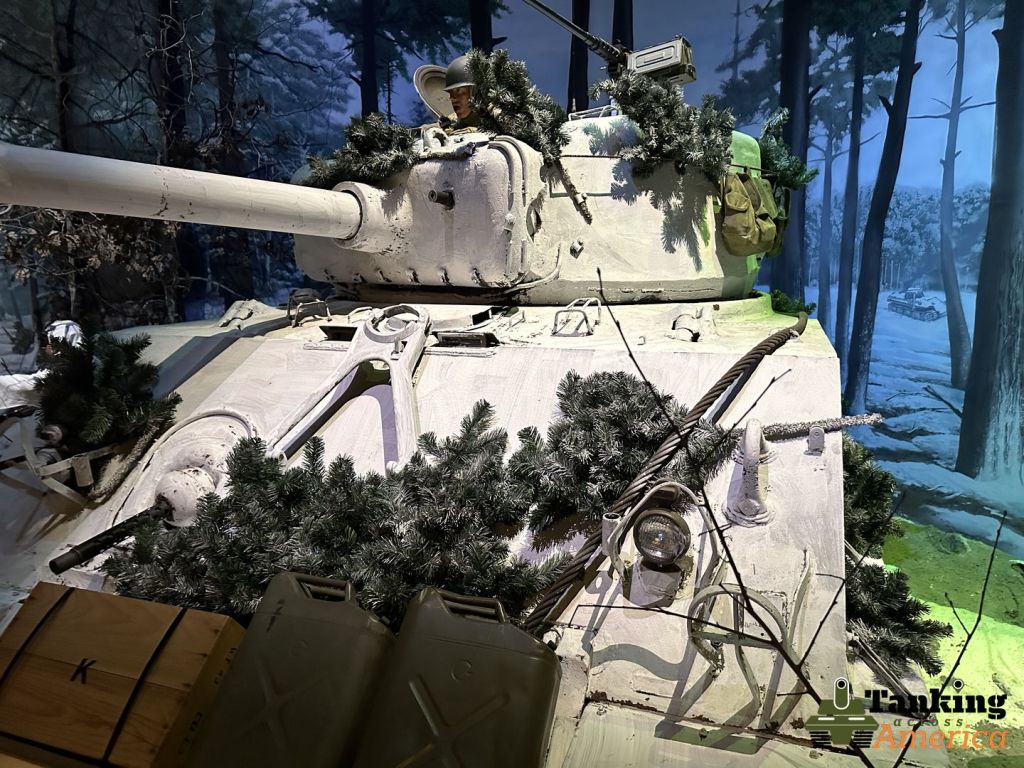
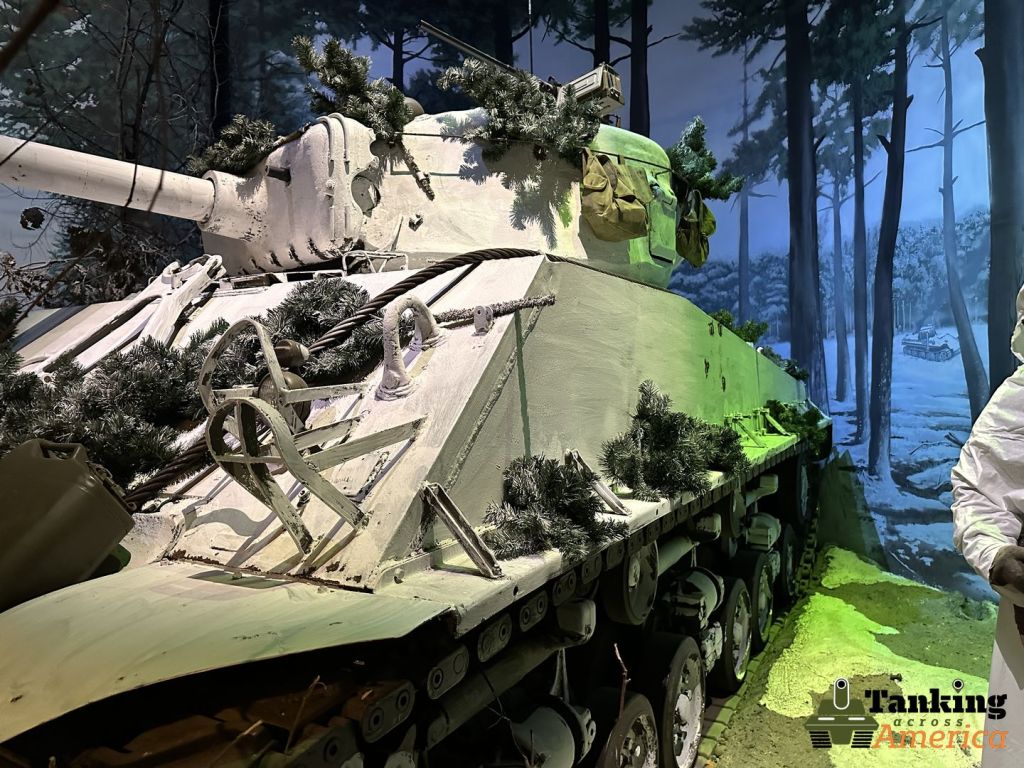
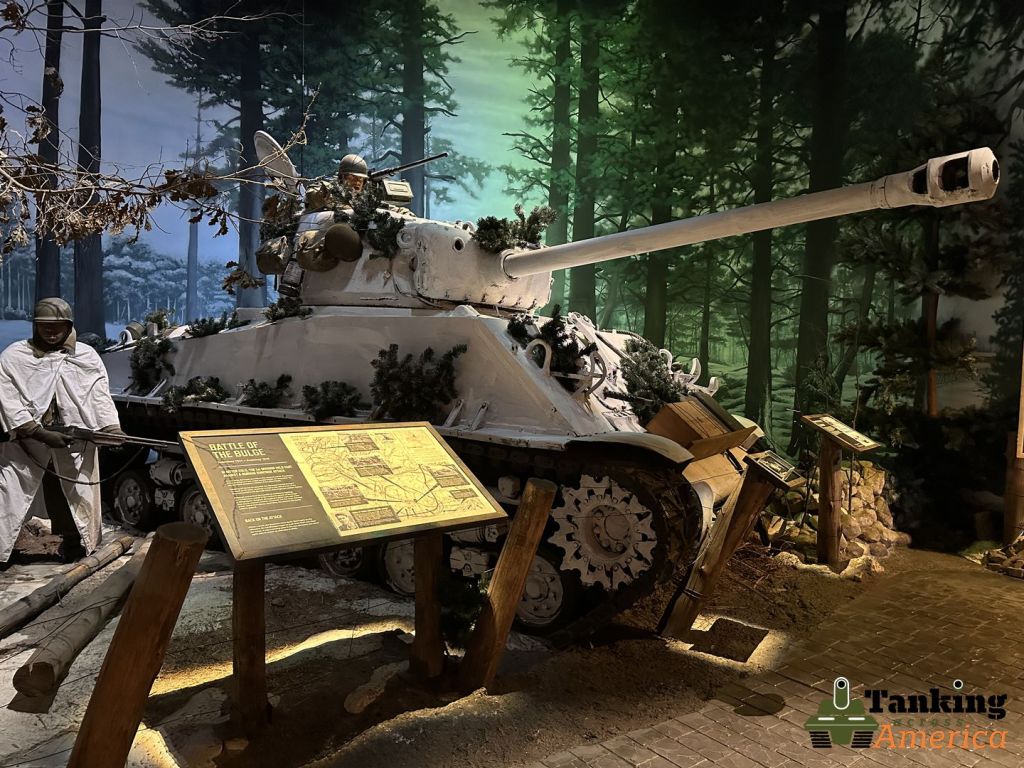
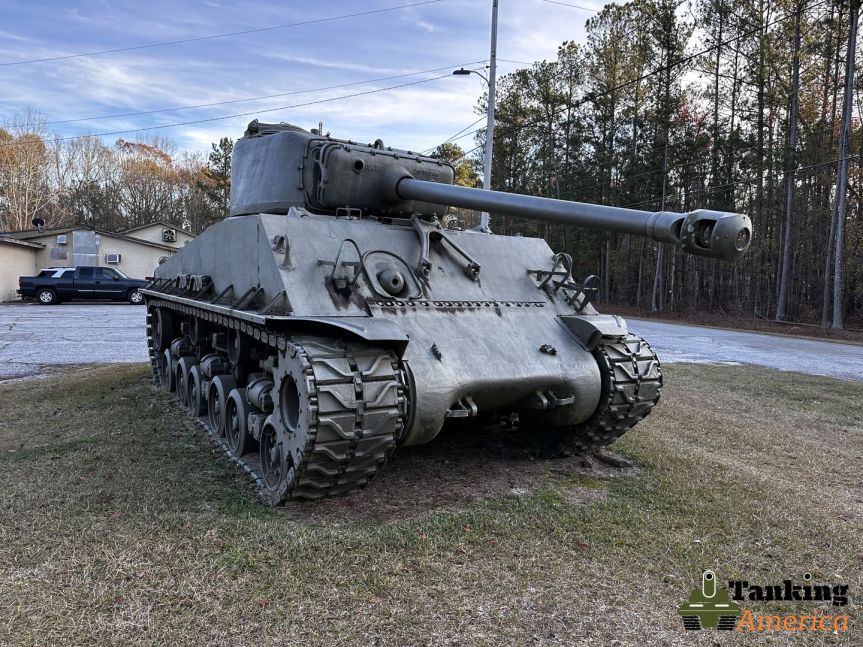
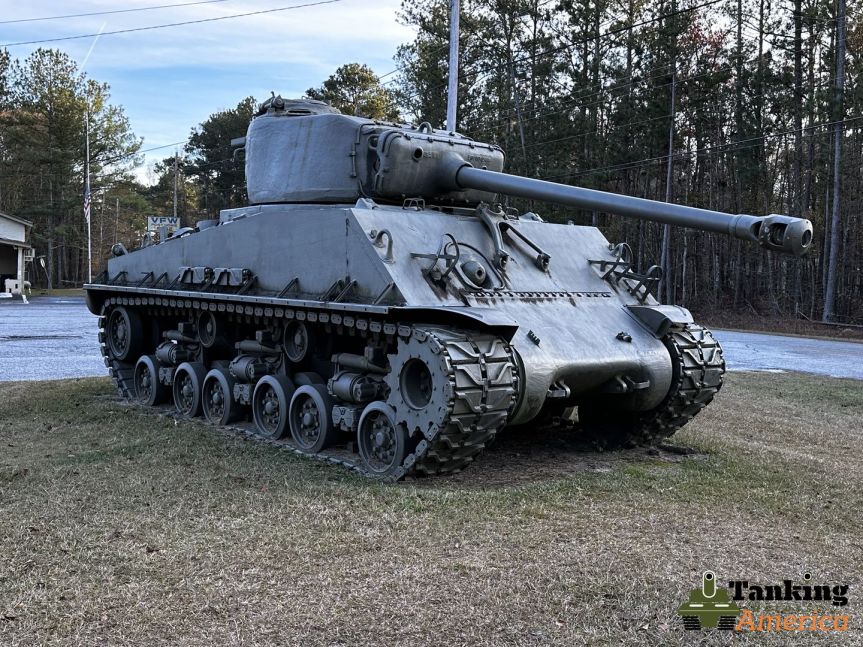
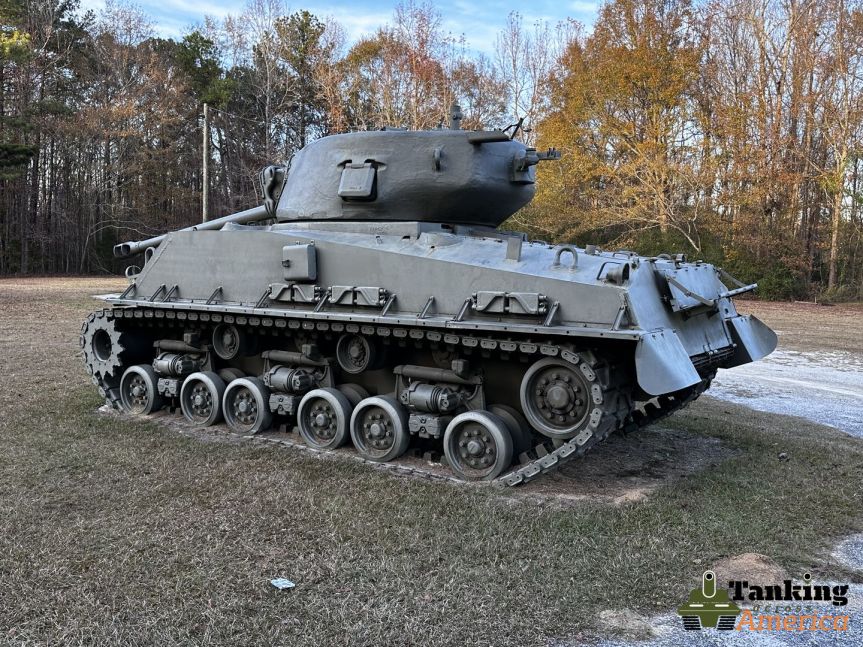
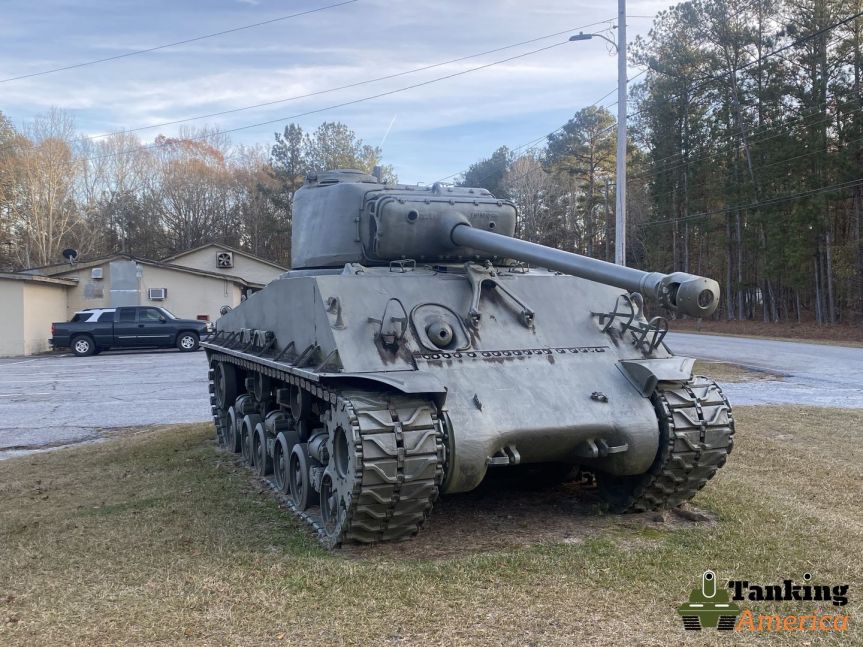
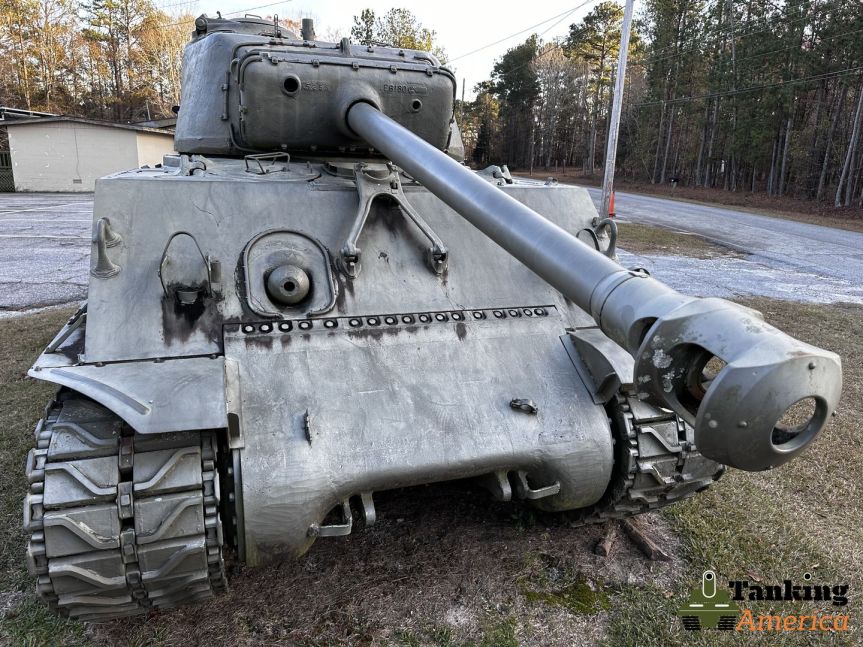
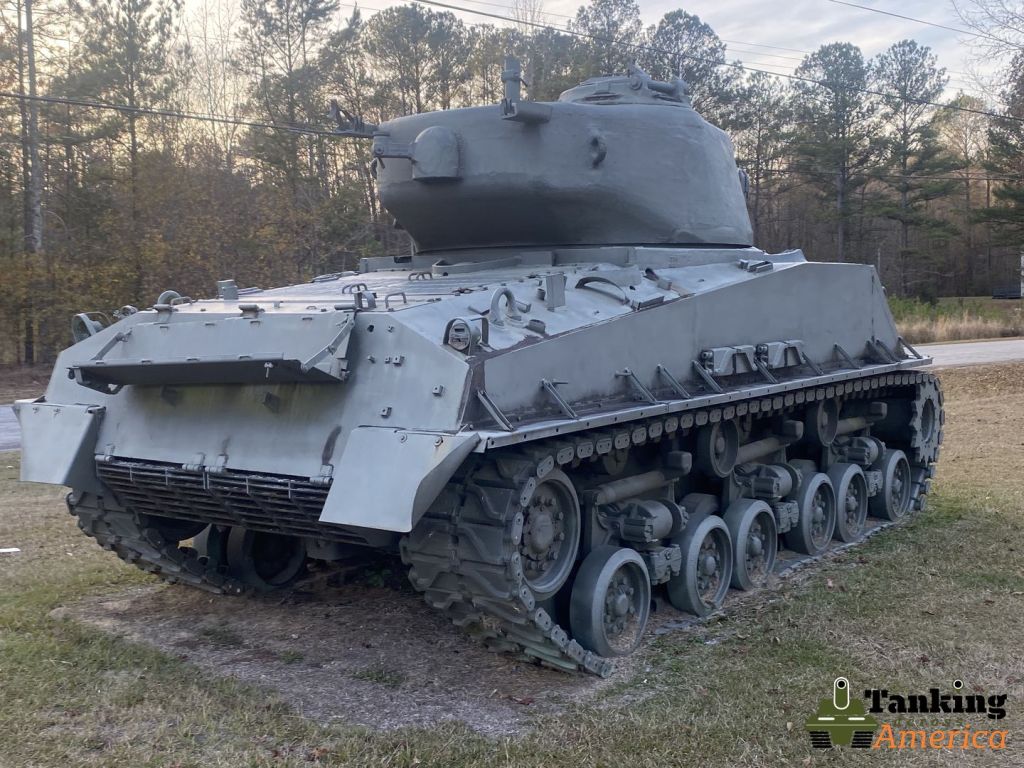
These photos were taken before the move from Barnesville, GA.

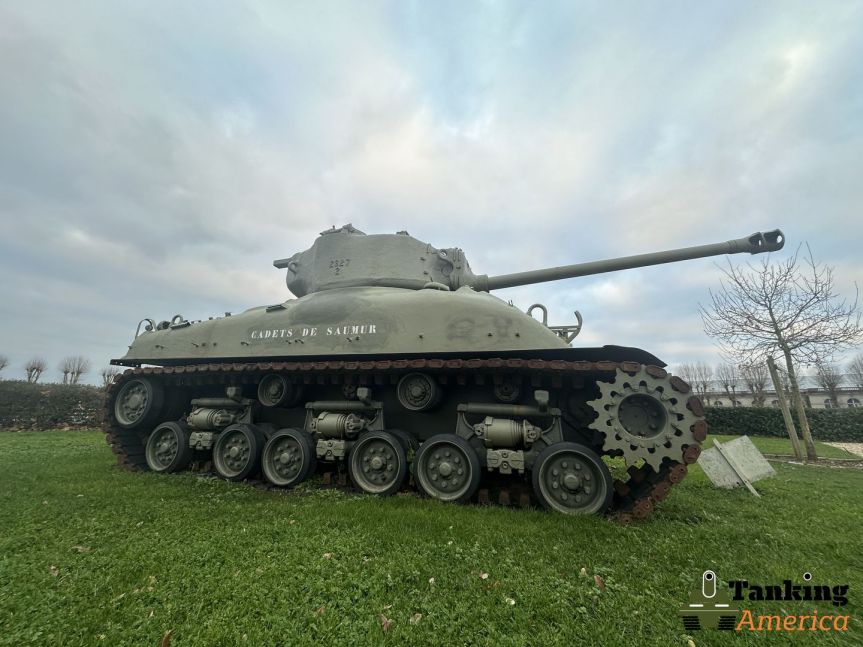
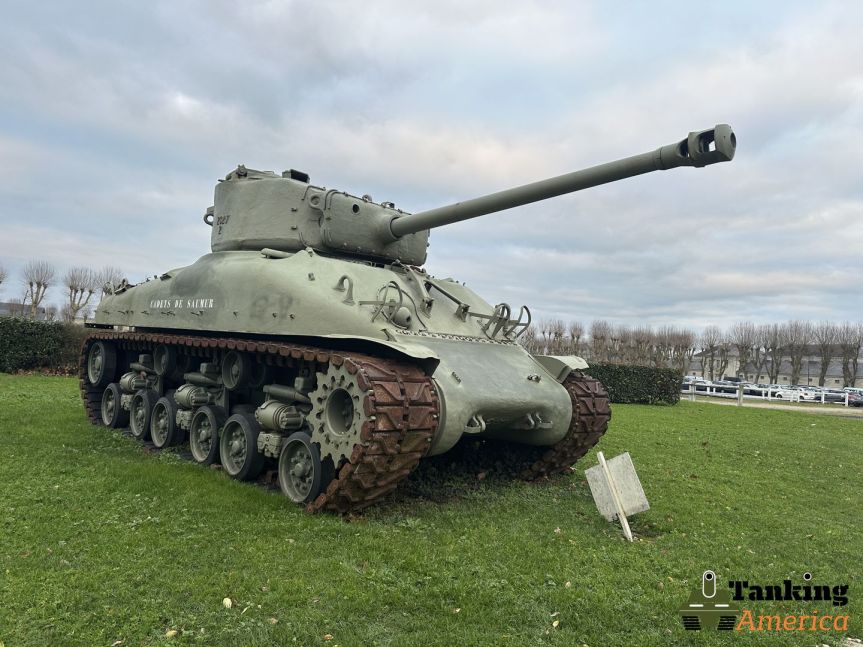
Nestled now on the grounds of Lamar County High School, near Burnette Road, is a powerful emblem of both a community’s military heritage and its enduring spirit of learning. The M4A3E8 (76) Sherman tank (Serial No. 61312, U.S. Registration No. 30114334), built in January 1945, has finally found its long-awaited resting place—not in a museum, but as a living monument to history, service, and education.
From Campus Icon to Community Treasure

Once stationed at Gordon Military College, this Sherman tank was a familiar centerpiece on campus. For many former cadets, it was more than a relic—it was a playground. Stories abound of students who “painted the tank” overnight, splashing vibrant colors across its steel surface in an unofficial rite of passage that bonded classes and boosted school spirit.

In 1972, following the transition of the college into Gordon Junior College under the University System of Georgia, the tank—an unmistakable symbol of the school’s military past—was moved to the VFW post on Old Highway 41 to preserve its legacy.
A Hero’s Welcome to LCHS

Fast-forward to July 18, 2025, when the tank made its dramatic return to the heart of the county. Thanks to the efforts of school board member Danny Turner, local leaders, and the U.S. Army’s approval, the tank was gifted to Lamar County Schools free of charge—courtesy of an anonymous donor who funded the entire project.

Transporting the 70,000-pound behemoth was no small feat. After initial setbacks with standard tow trucks, heavy-duty rotator tow trucks were called in, and with a bit of humor—”The Nazis couldn’t beat the Sherman tank, but Eddie Buice and Arthur Edge did!” quipped Turner—the tank was safely delivered and positioned on the school’s grounds.
A Living Memorial of Pride and Purpose

The tank now stands as more than an artifact—it’s an educational ally to Lamar County High School’s AJROTC program. A grand memorial is in the works, intended to honor America’s veterans, the history of Gordon Military School, and the cadets who march past it today.
The Story of the Super Pershing at Cantigny

Origin and Development

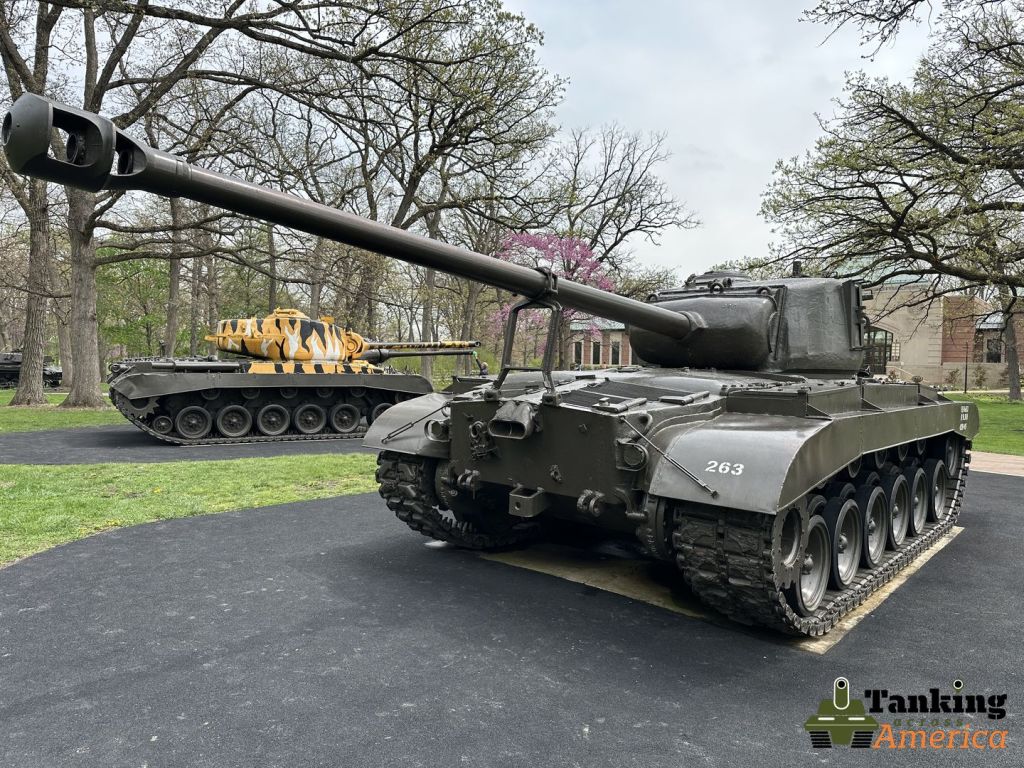
  • The M26 Pershing was a U.S. heavy/medium tank introduced in late WWII, aimed at countering German heavy armor like the Tiger and Panther.
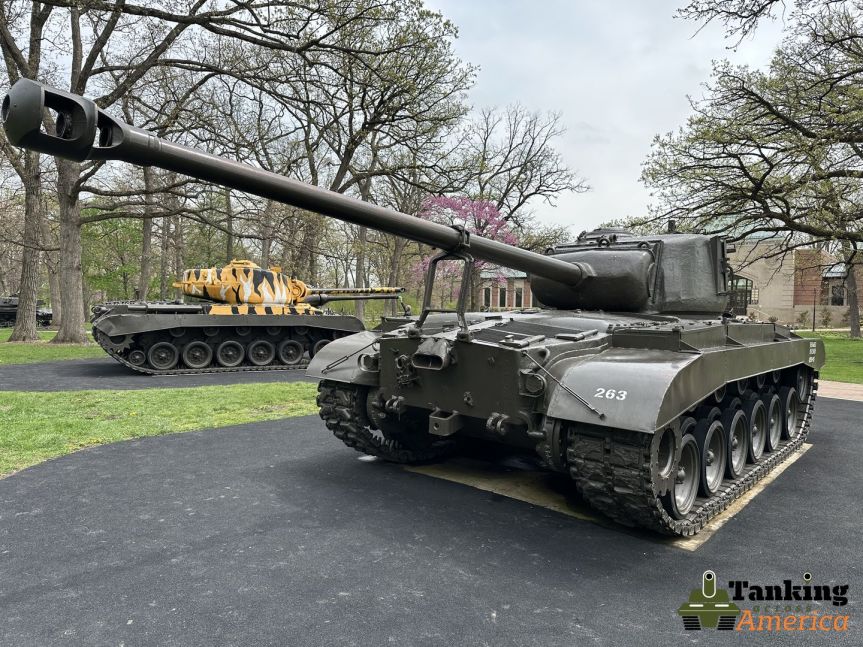
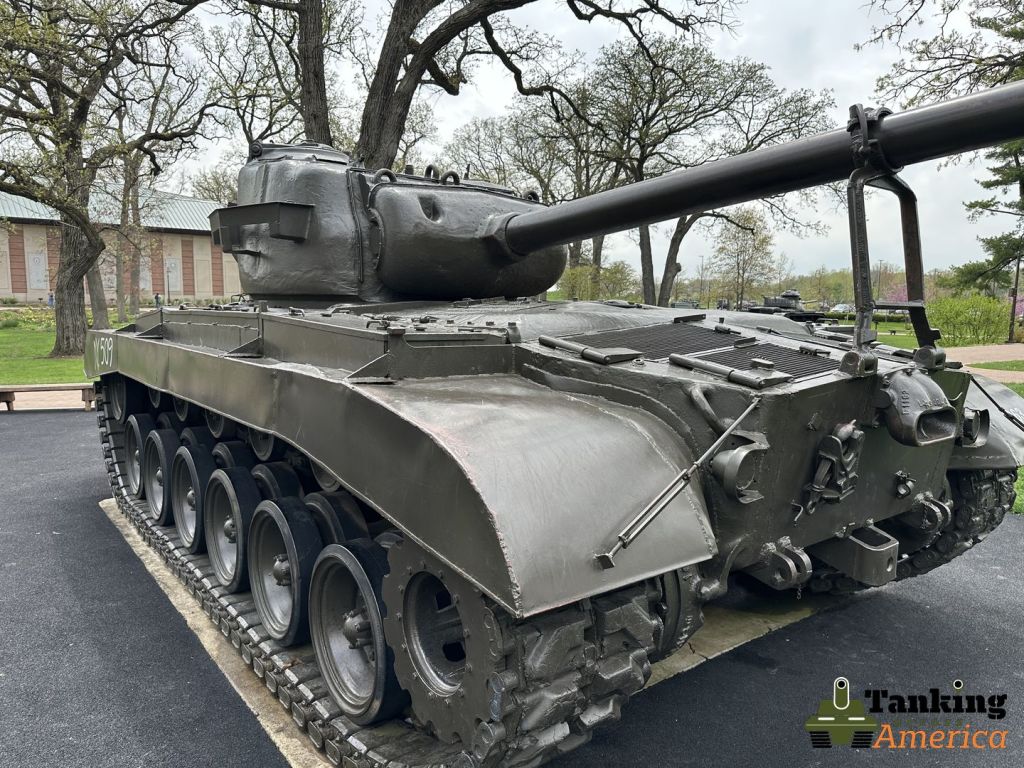
  • To boost its firepower, U.S. engineers developed an upgraded version with a long-barreled 90 mm T15E1 gun (about L/73), resulting in the prototype designated T26E1‑1 and later, after the upgrade, T26E4 Pilot Prototype No. 1—popularly known as the Super Pershing.
  • A second iteration used the T15E2 gun with two-piece ammunition, and about 25 production models (T26E4) were completed—though none saw widespread service

Combat and Modifications

  • The Super Pershing prototype was shipped to Europe in March 1945 and served with the U.S. 3rd Armored Division.
  • It featured improvised up-armoring: a salvaged Panther frontal plate (80 mm) welded to the mantlet, boiler-plate spaced armor on the hull, and a heavy counterweight at the turret rear to offset the heavier gun.
  • External equilibrator springs were initially mounted atop the mantlet due to internal fit constraints—later removed in production models

Preservation at Cantigny

  • Cantigny Park’s First Division Museum in Wheaton, Illinois, is home to the only remaining T26E4—the Super Pershing—on public display.
  • The Tank Park exhibit lets visitors get up close to this remarkable relic of armored innovation, making it a must-see for history enthusiasts.

Ettelbruck’s Sherman at Patton Square – Memory in Steel

A Silent Guardian at the Gateway of History

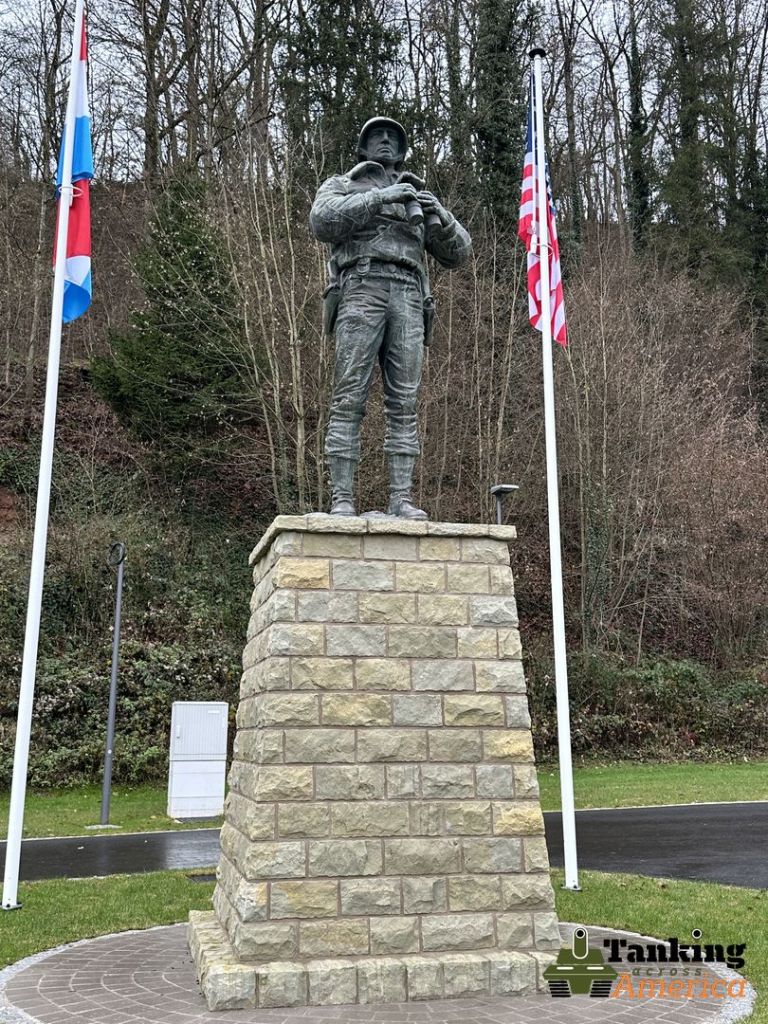
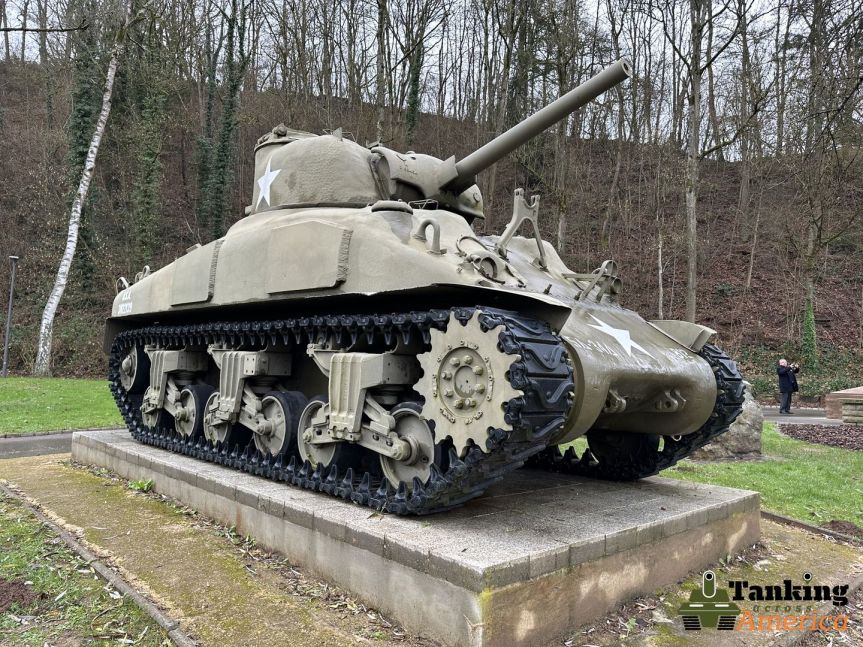
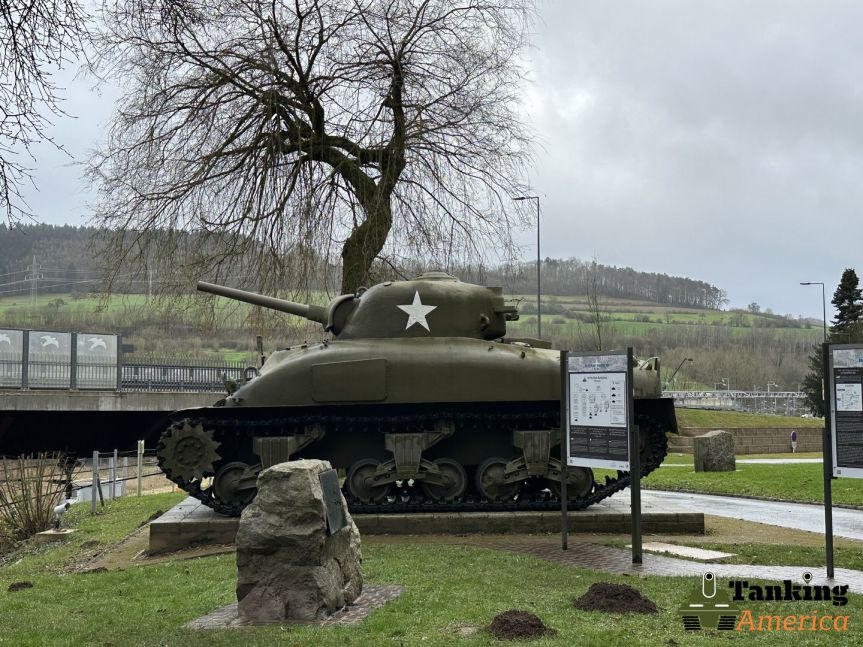
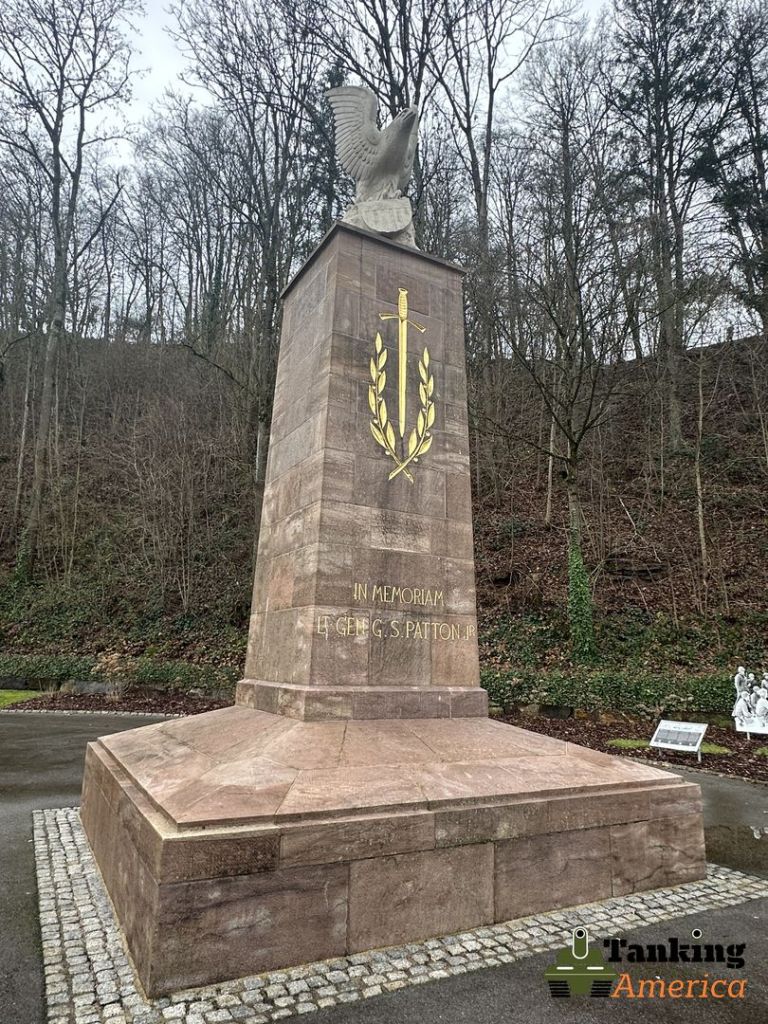
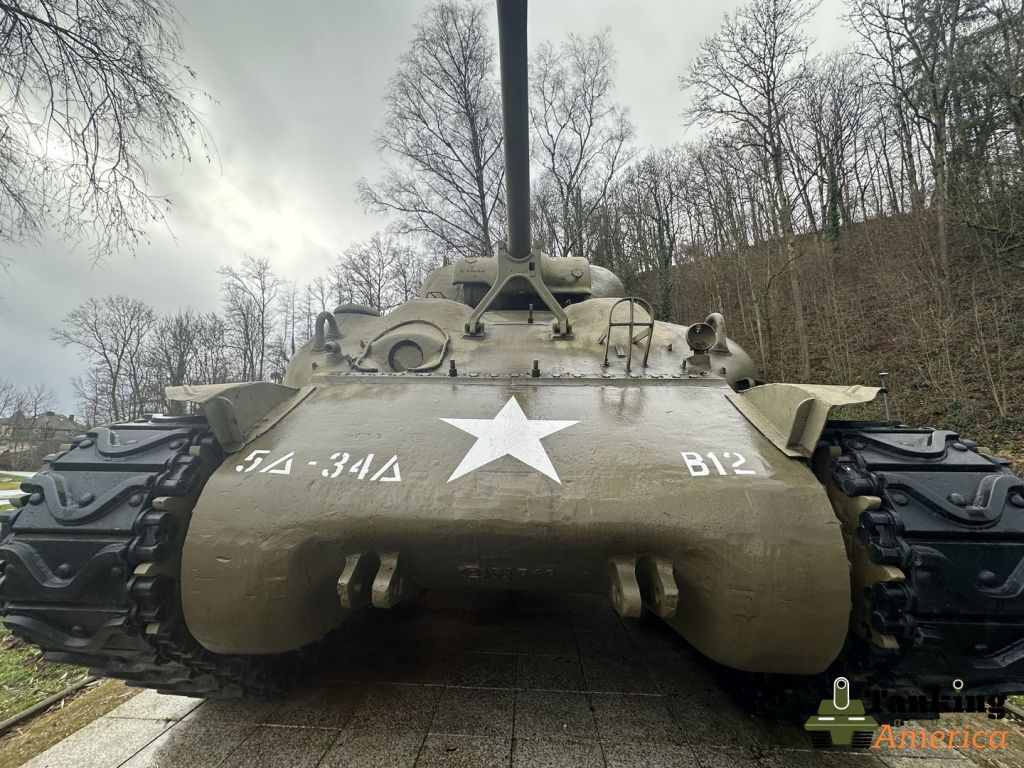
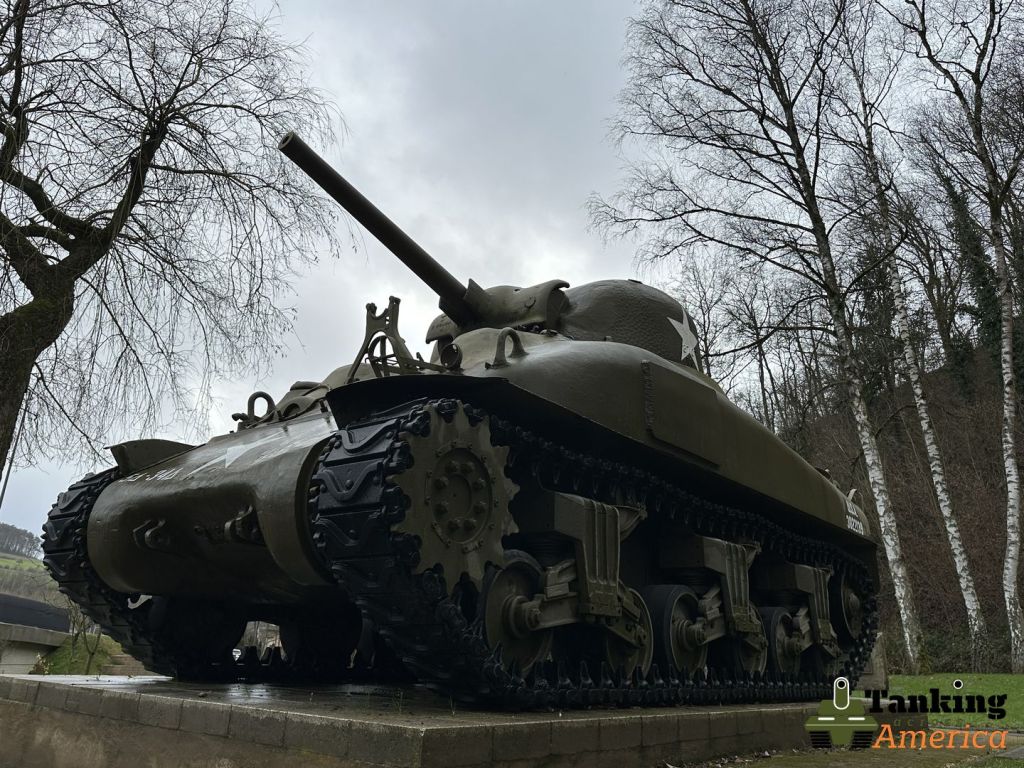
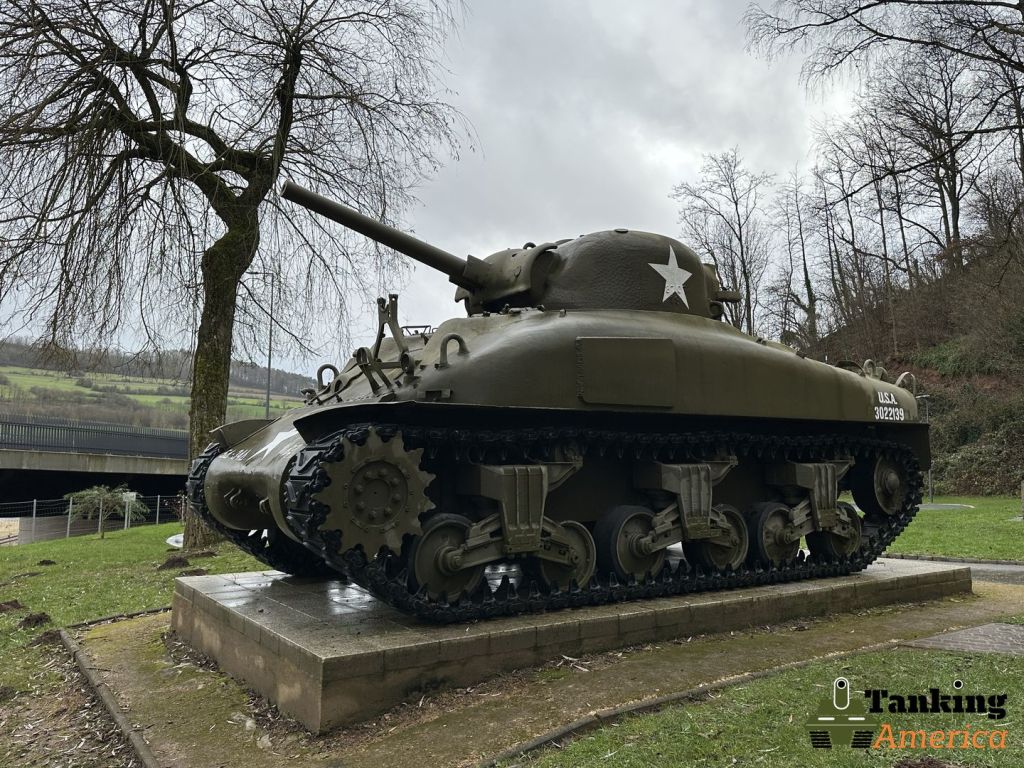
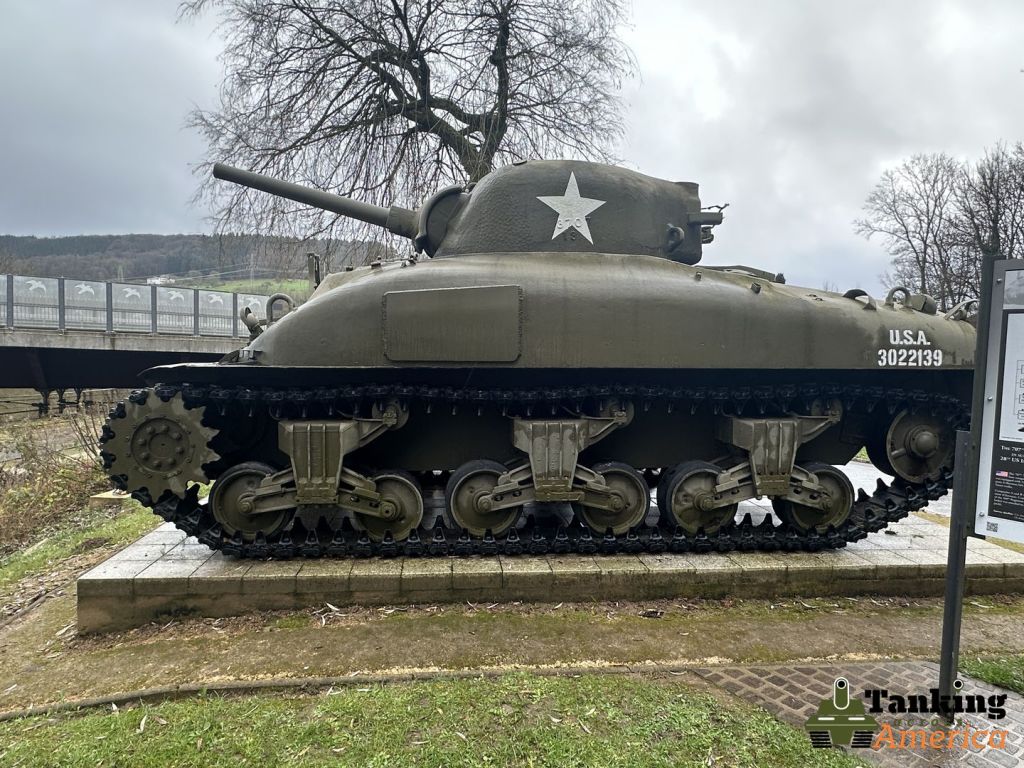
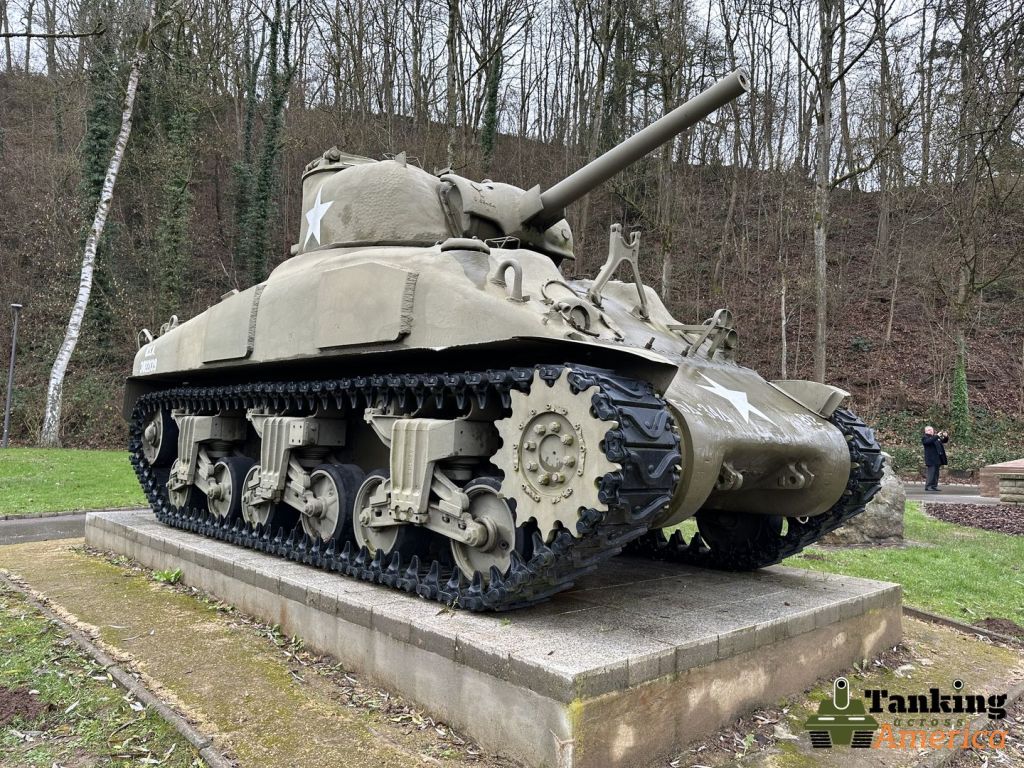
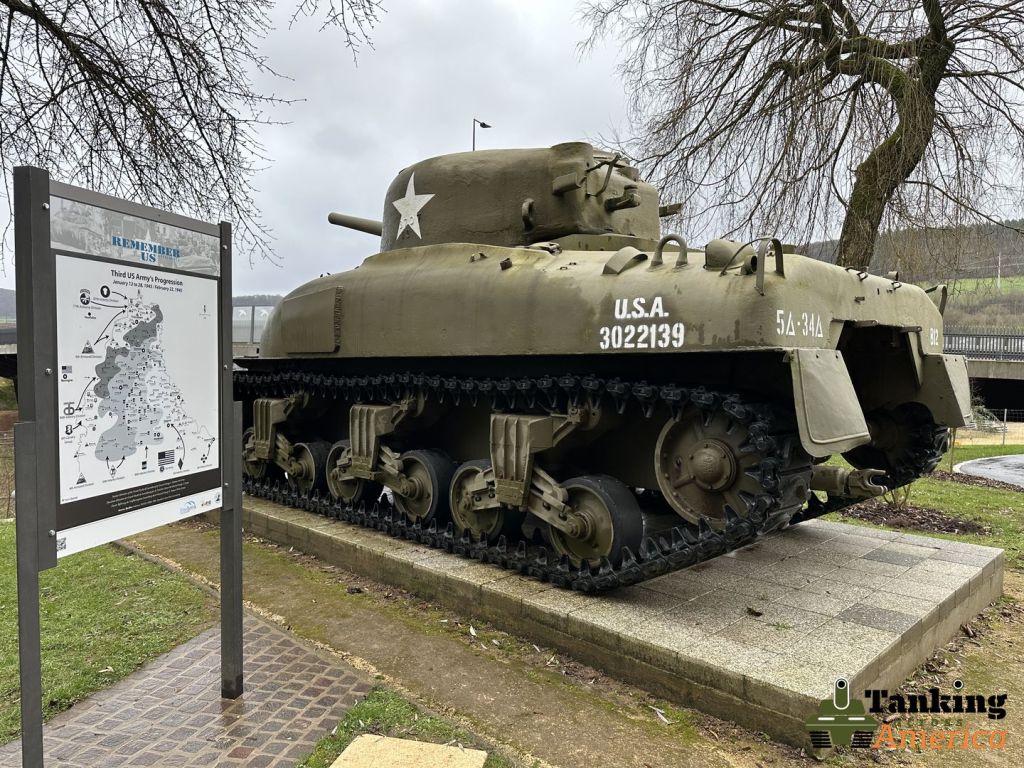
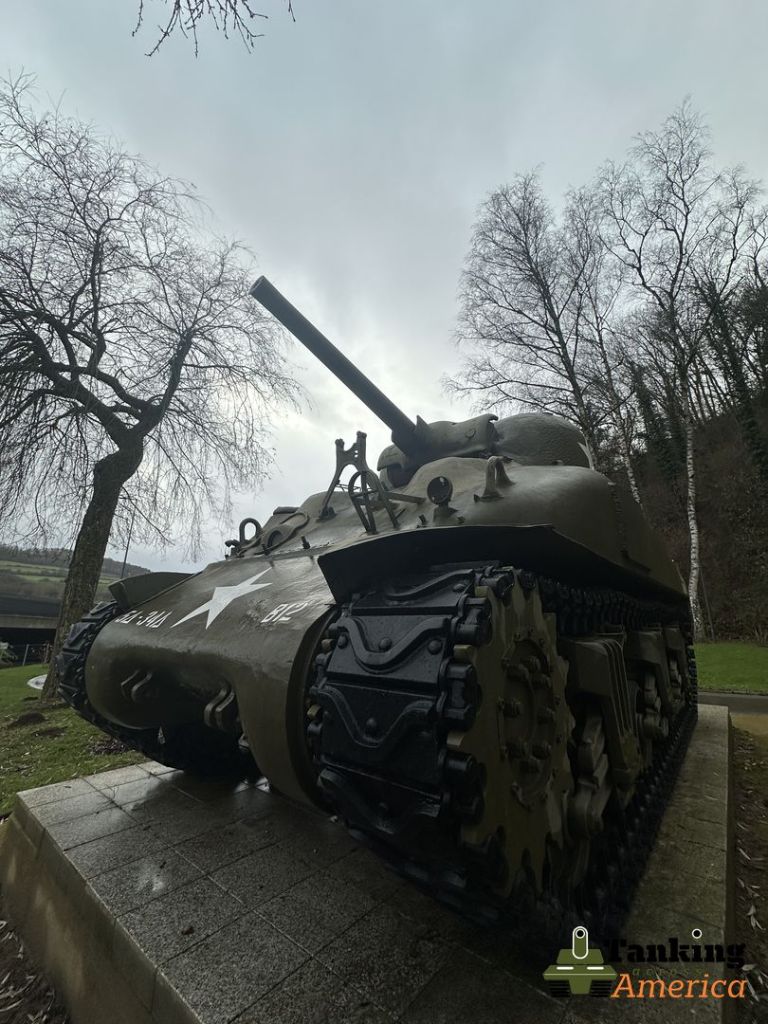
At the entrance to Ettelbruck, Luxembourg, a Sherman M4-A1 tank stands beside a bronze statue of General George S. Patton in Patton Square, a poignant monument that greets visitors—not just as a relic of war, but as a powerful marker of liberation and remembrance.

The Memorial at Ettelbruck: Symbolism in Bronze and Armor

Patton Square features a sculptural ensemble crafted by Luxembourg sculptors Pierre Droessart (sketch) and Aurelio Sabbatini (sculpture)—a sword driven into the ground, topped with an eagle and flanked by Patton’s likeness. Since 1970, a restored M4-A1 Sherman tank has stood as part of this memorial, symbolizing the armored force that helped liberate the town.

Historical Significance: Location, Liberation, Legacy

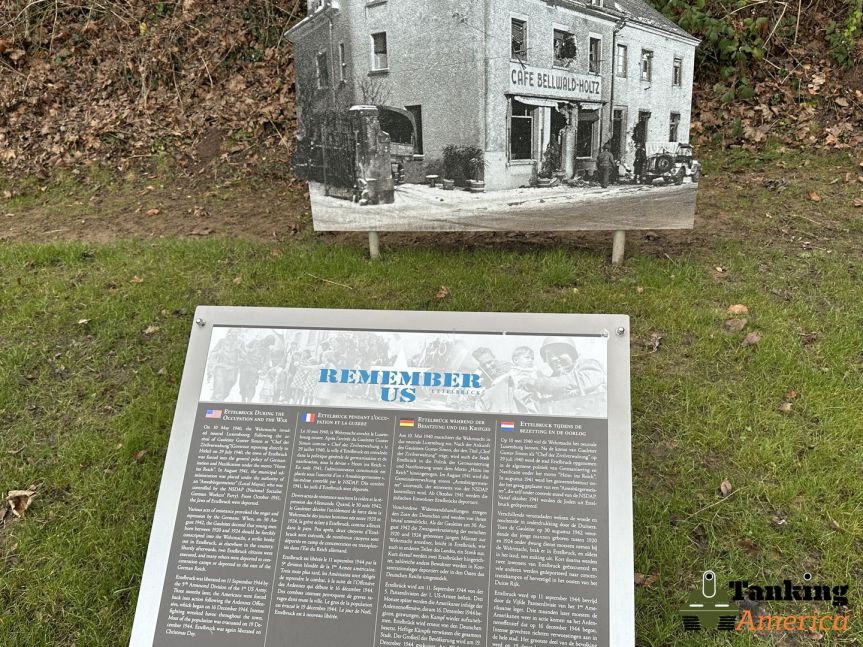
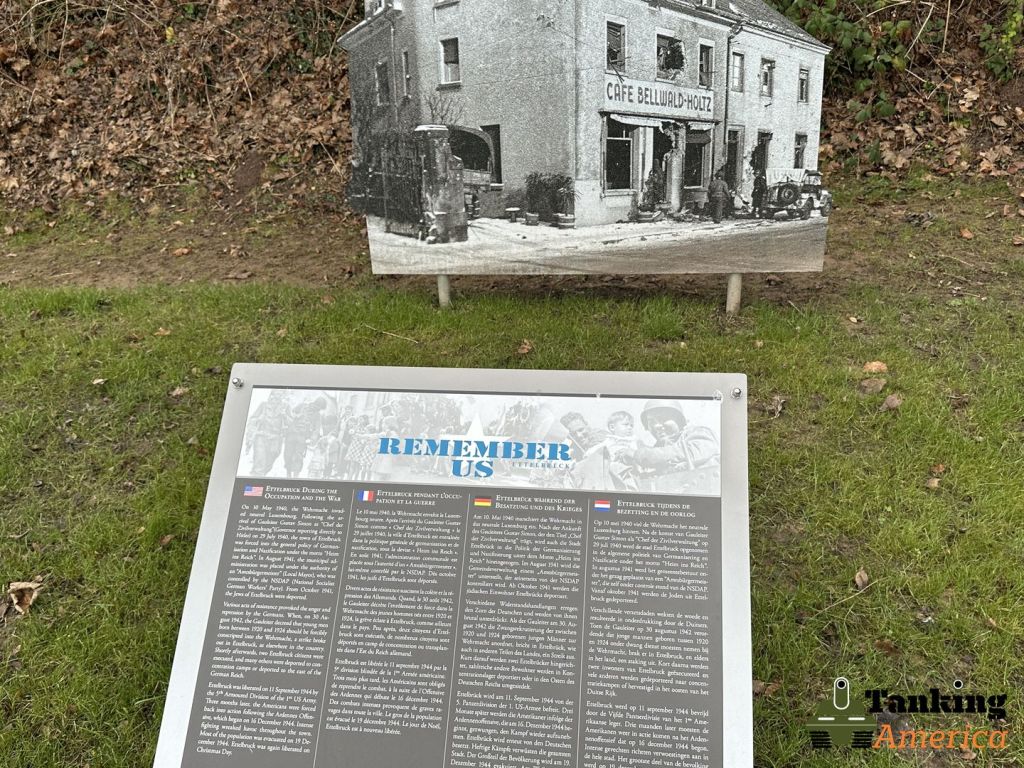
This tank doesn’t just represent an American war machine—it commemorates the moment when Ettelbruck was liberated by Patton’s 3rd U.S. Army on December 25, 1944. The placement near the Sûre Bridge marks the literal and symbolic gateway from occupation back into freedom.

The Wider Remembrance Trail: The Museum Connection

Just steps away is the General Patton Memorial Museum, inaugurated in 1995. It chronicles Luxembourg’s wartime experience—from the German invasion of May 1940, through occupation, resistance, and finally, liberation by Patton’s forces. Alongside documents and photographs, the museum features recovered battlefield weapons, air‑war artifacts, and multi‑media exhibits.
Together, the tank monument and museum create a profound narrative arch—from frontline action to personal stories of survival.

The King Tiger at December 44 Museum (La Gleize, Belgium) — A Monument of Memory

History Frozen in Time

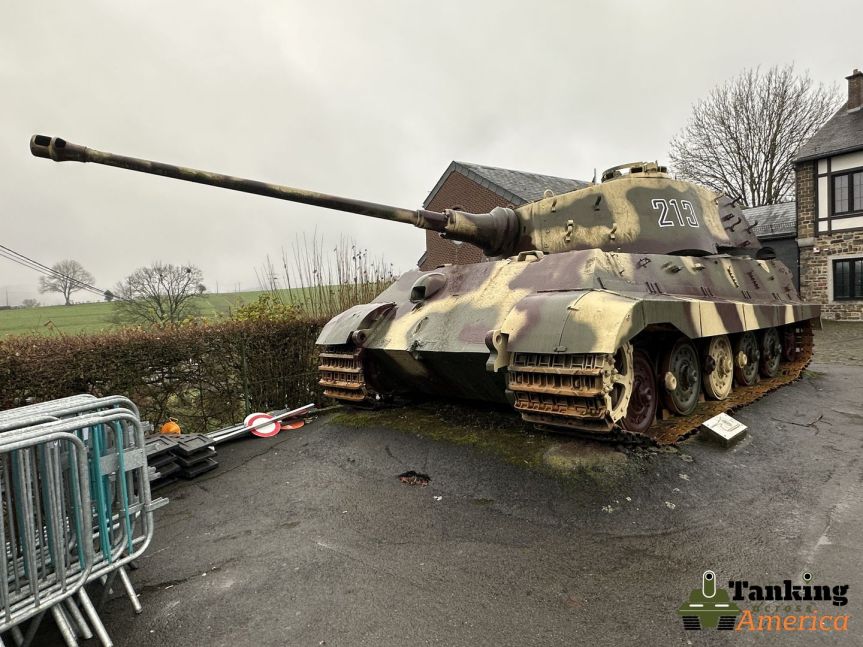
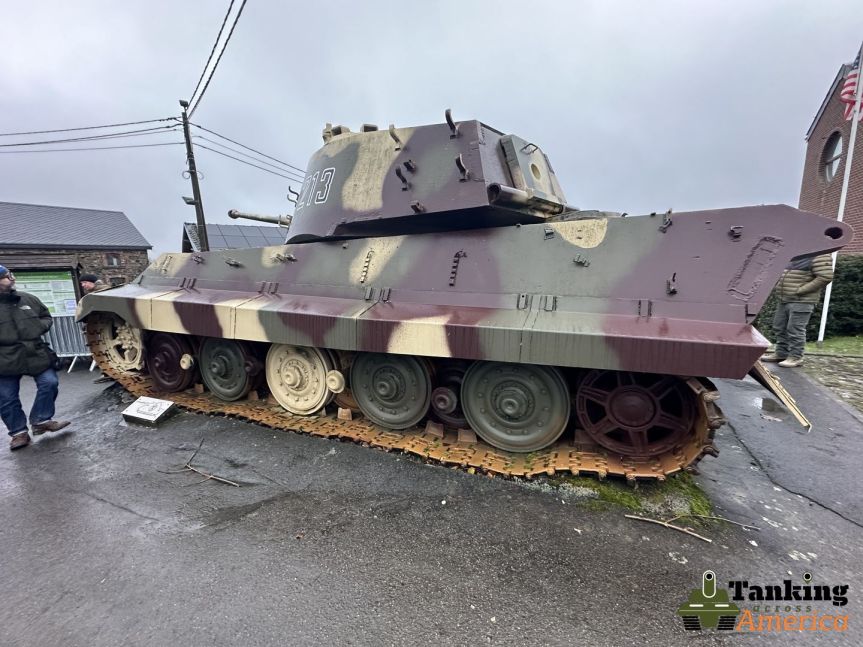
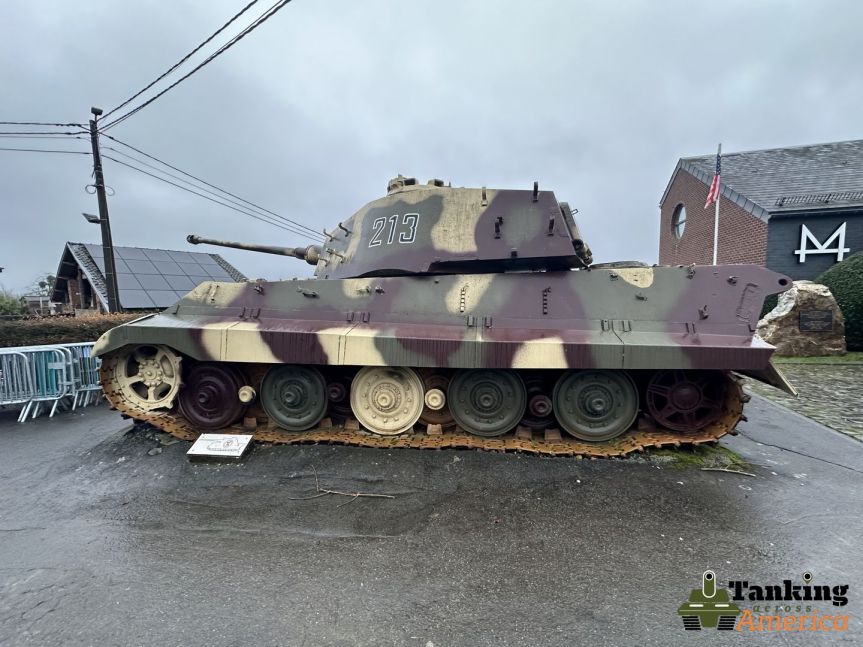
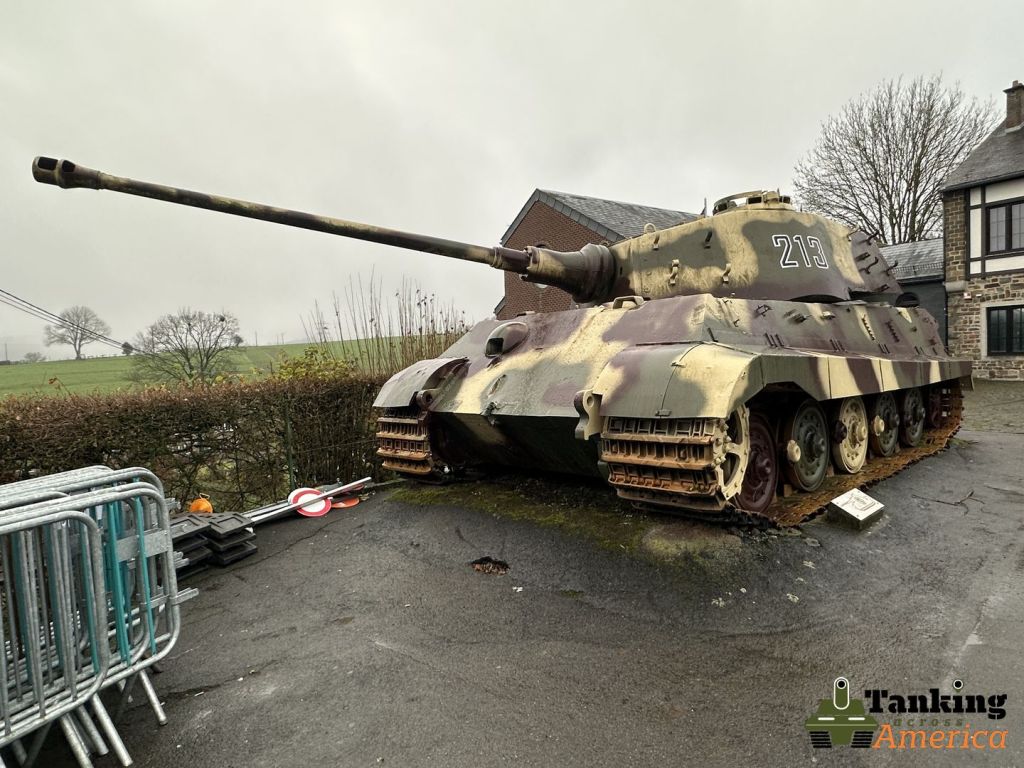
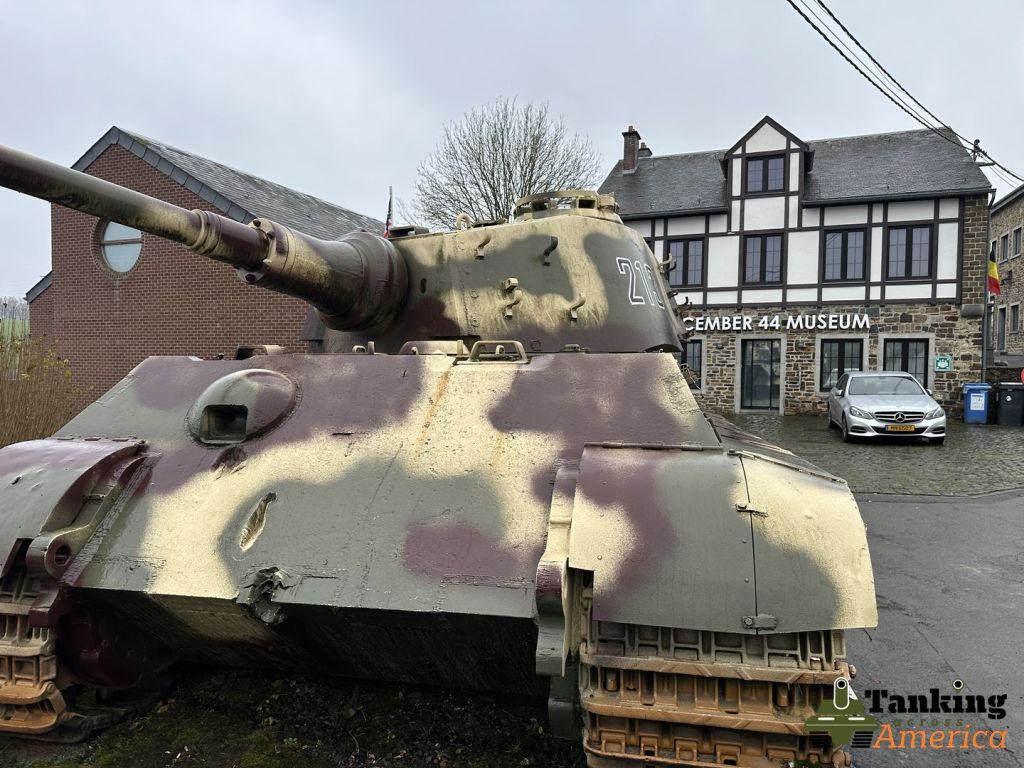
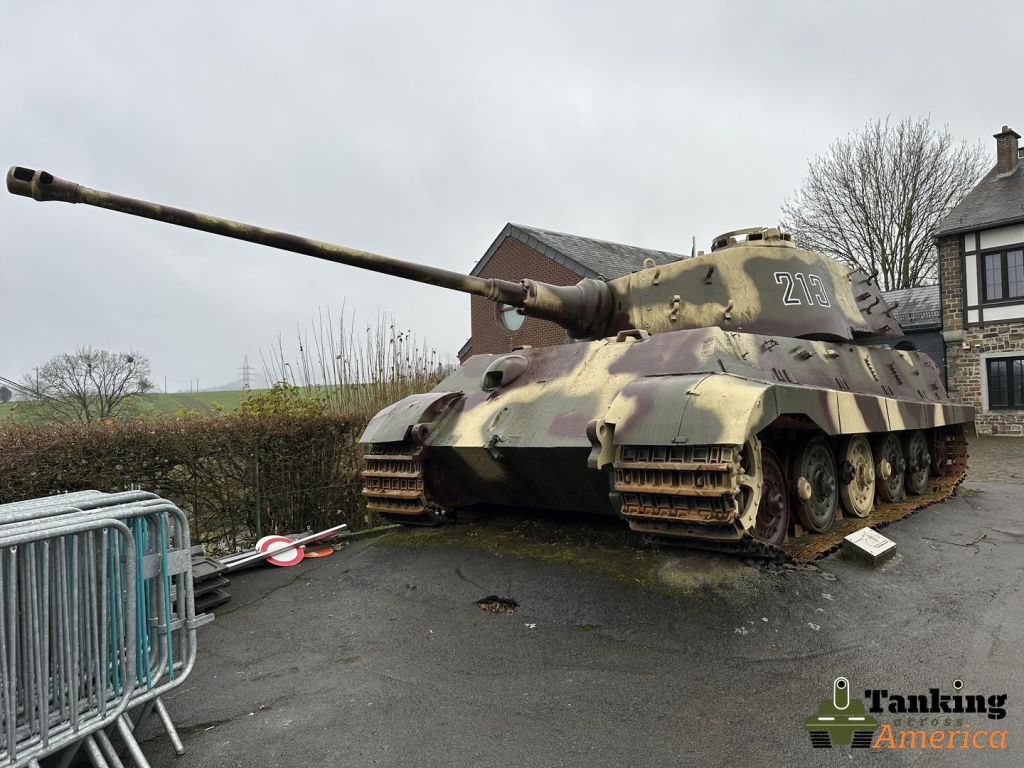
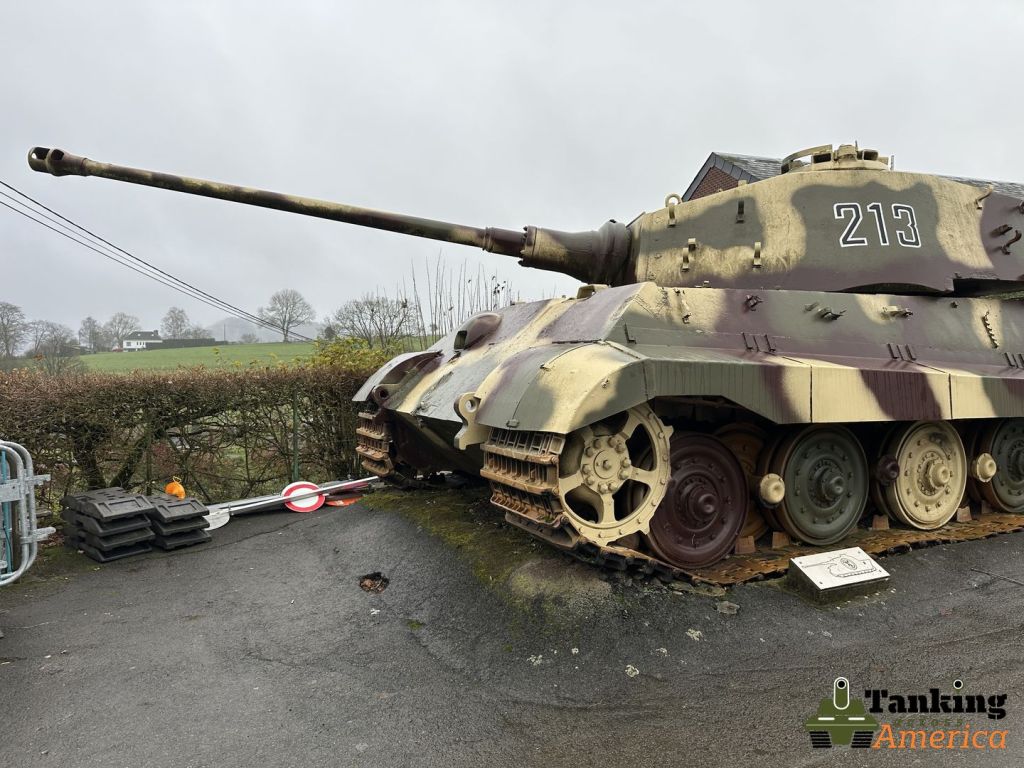
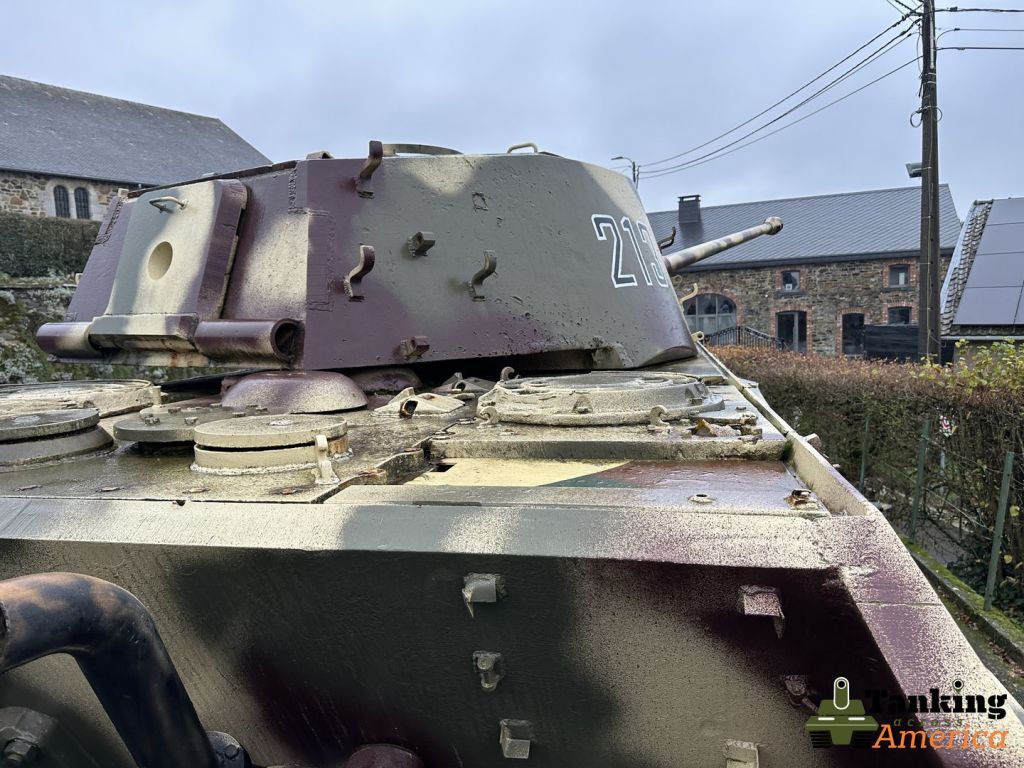
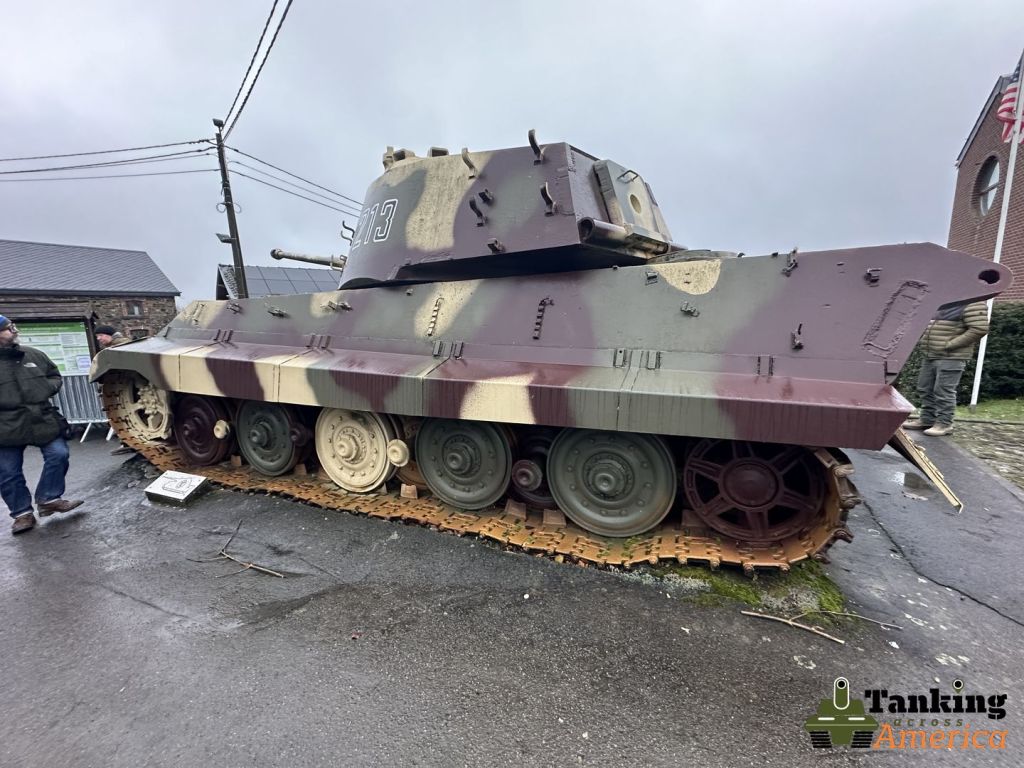
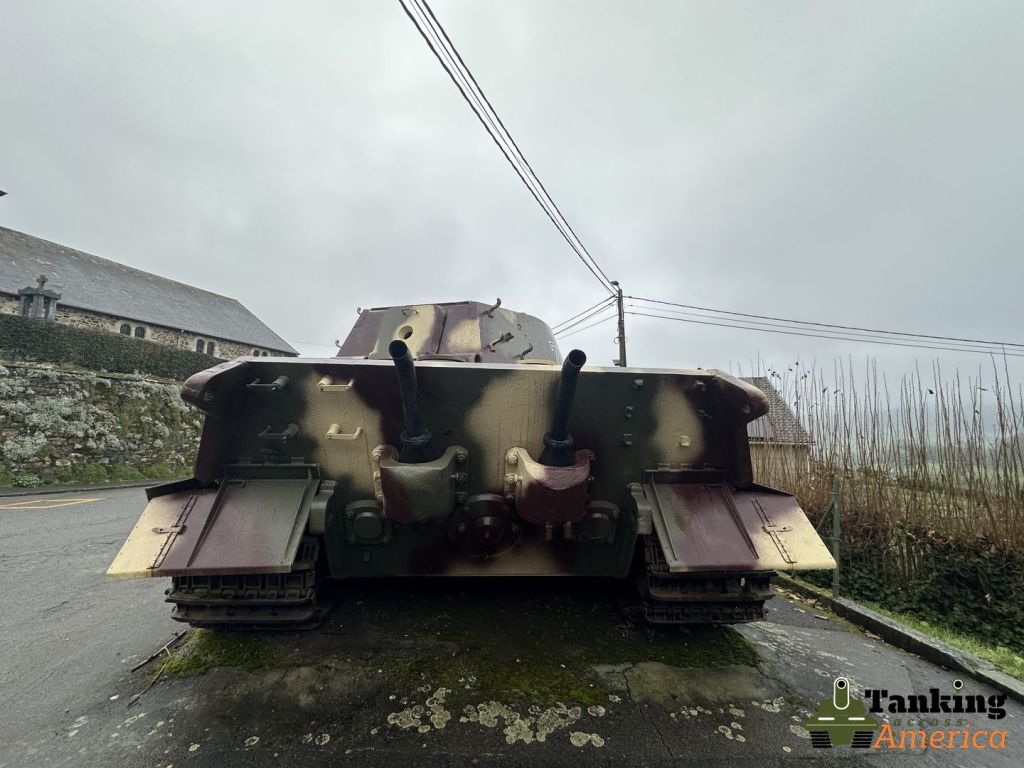
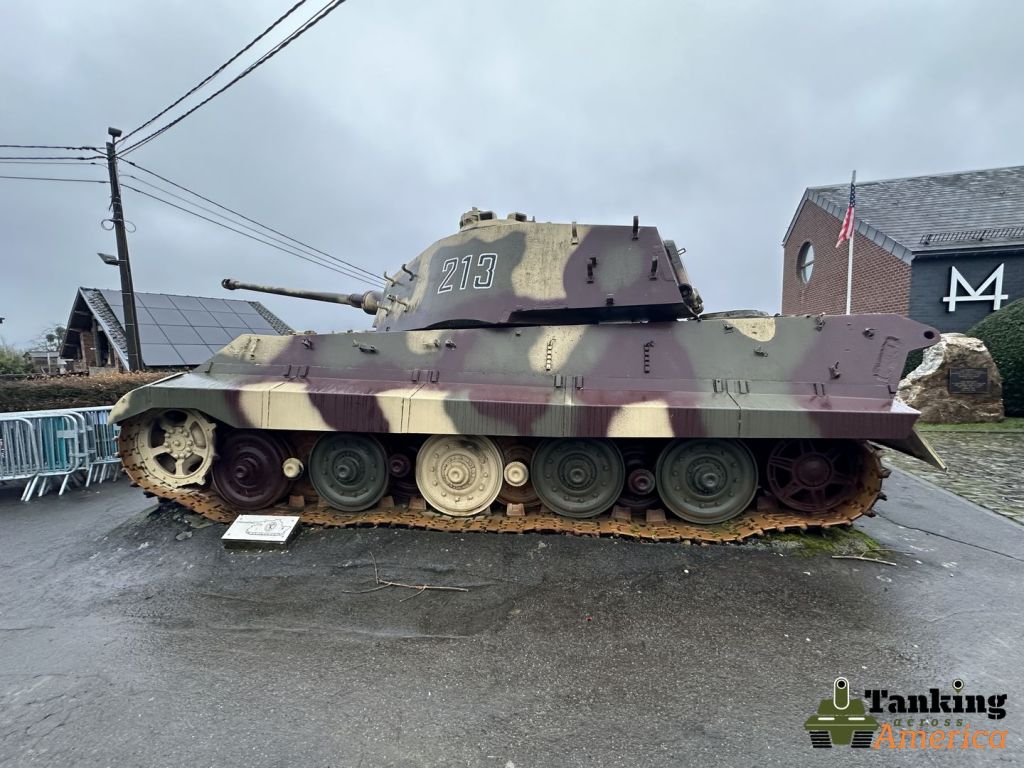
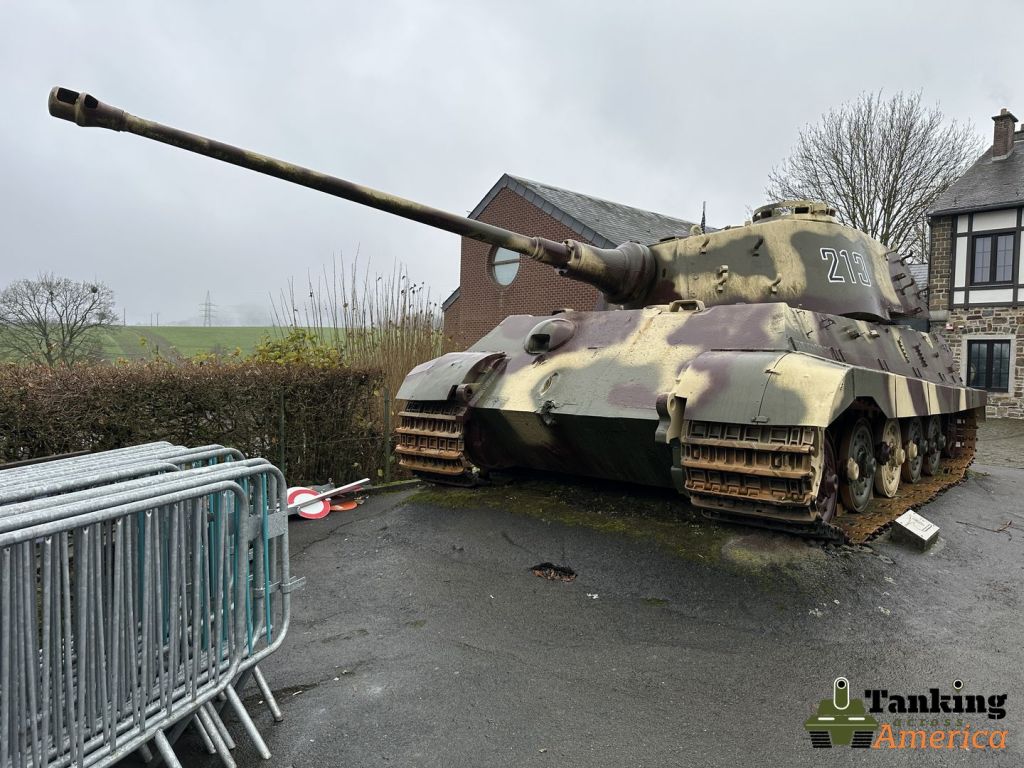
Tucked into the serene Belgian Ardennes village of La Gleize, the December 44 Museum invites visitors to walk into history. At its entrance stands King Tiger #213—a 69-ton behemoth, abandoned in 1944, that now silently preserves the echoes of war at the actual site where it halted.

From Battlefield to Bottle of Cognac

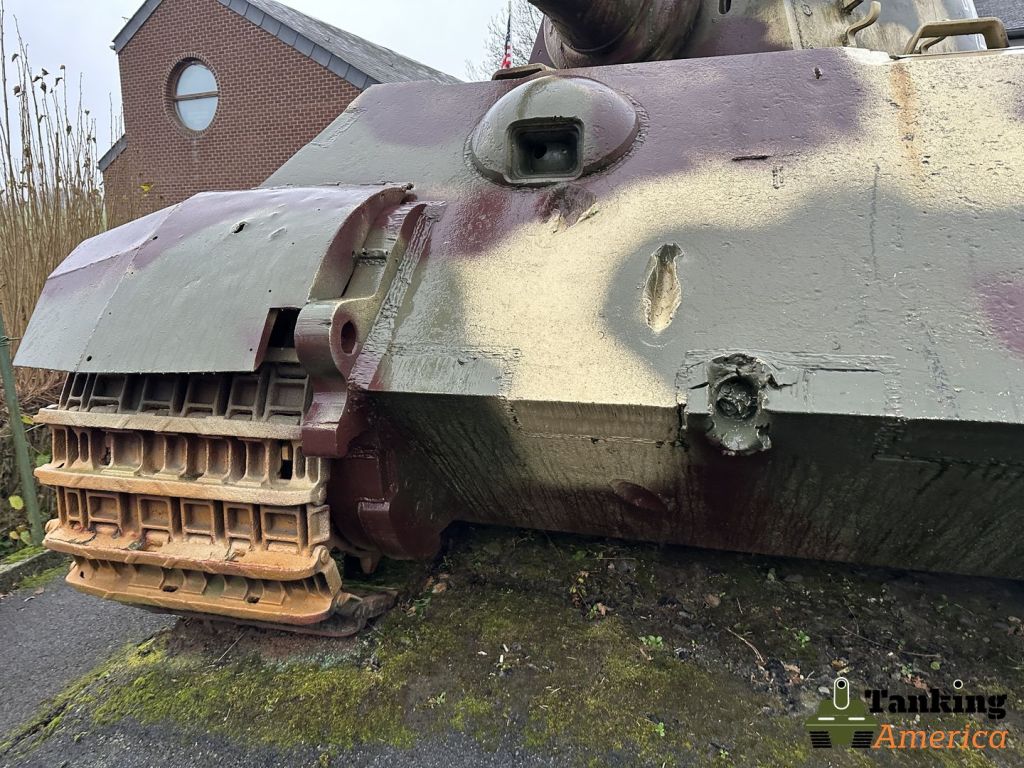
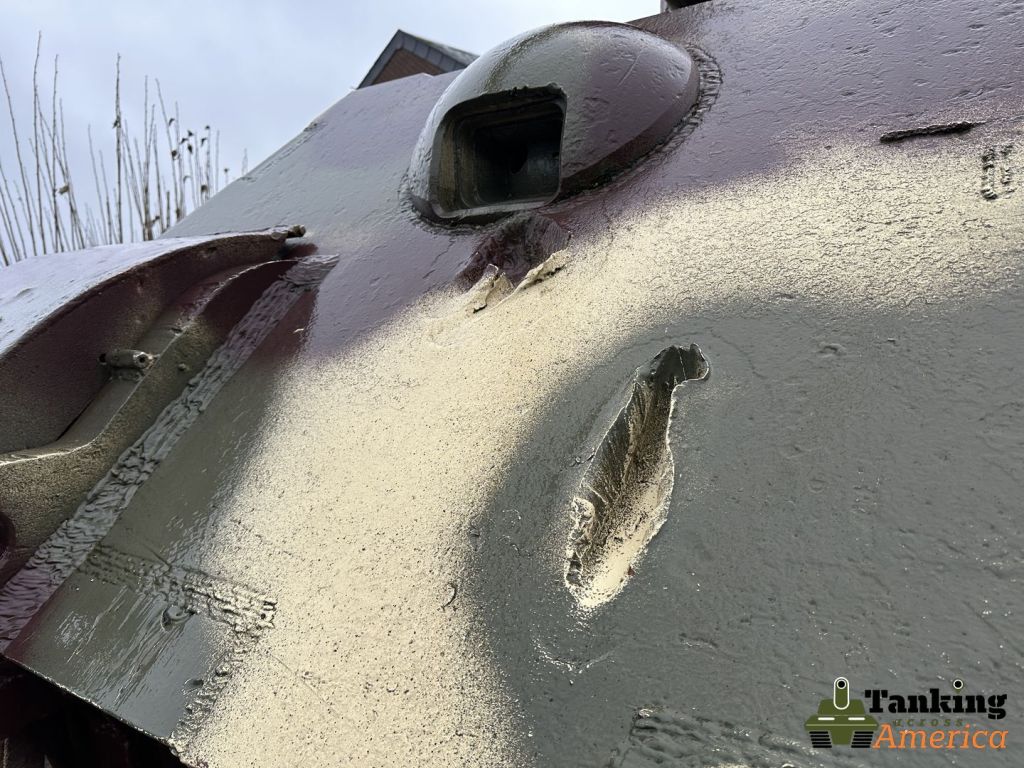
King Tiger #213 was disabled during the desperate close of the Battle of the Bulge, around Werimont Farm—its gun barrel shattered, its fate sealed. After the German retreat, as Allied forces cleared the battlefield, the tank’s preservation began—surprisingly, not through wartime valor, but a civilian’s resourcefulness. Madame Jenny Geenen‑Dewez, the local innkeeper’s wife, obtained it from American troops in July 1945—trading a bottle of cognac for the King Tiger, thus saving it from destruction.

The Museum and the Tank in Context

Established in 1989 by history enthusiasts Philippe Gillain and Gérard Grégoire, the December 44 Museum was built right beside the old presbytery that had served as a Waffen‑SS aid station during the battle. As decades passed, it grew—not just in space but in significance. A major renovation in 2013 doubled its exhibition area, merging war heritage with architectural authenticity.

The King Tiger tank, placed prominently at the museum entrance, serves as a powerful portal into the museum’s deeper story. Inside, you’ll discover over 5,000 battlefield artifacts—uniforms, weapons, personal effects—many recovered locally, all arranged in chronologically and thematically organized displays to bring the events of December 1944 vividly alive.

Meet King Tiger #213

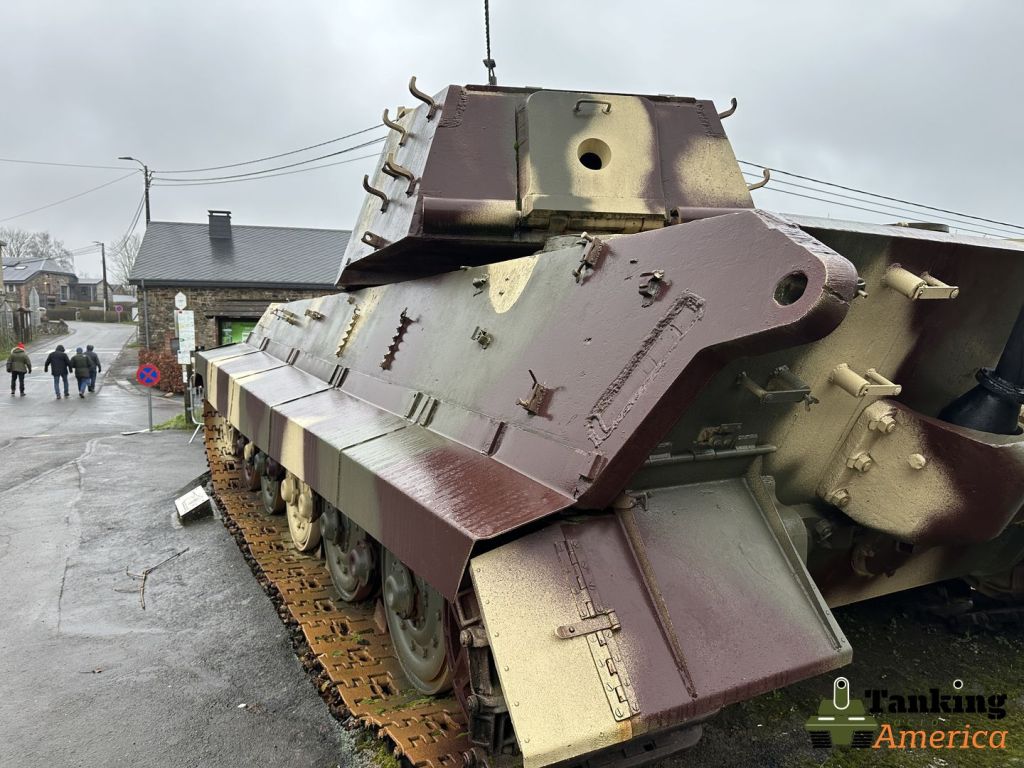
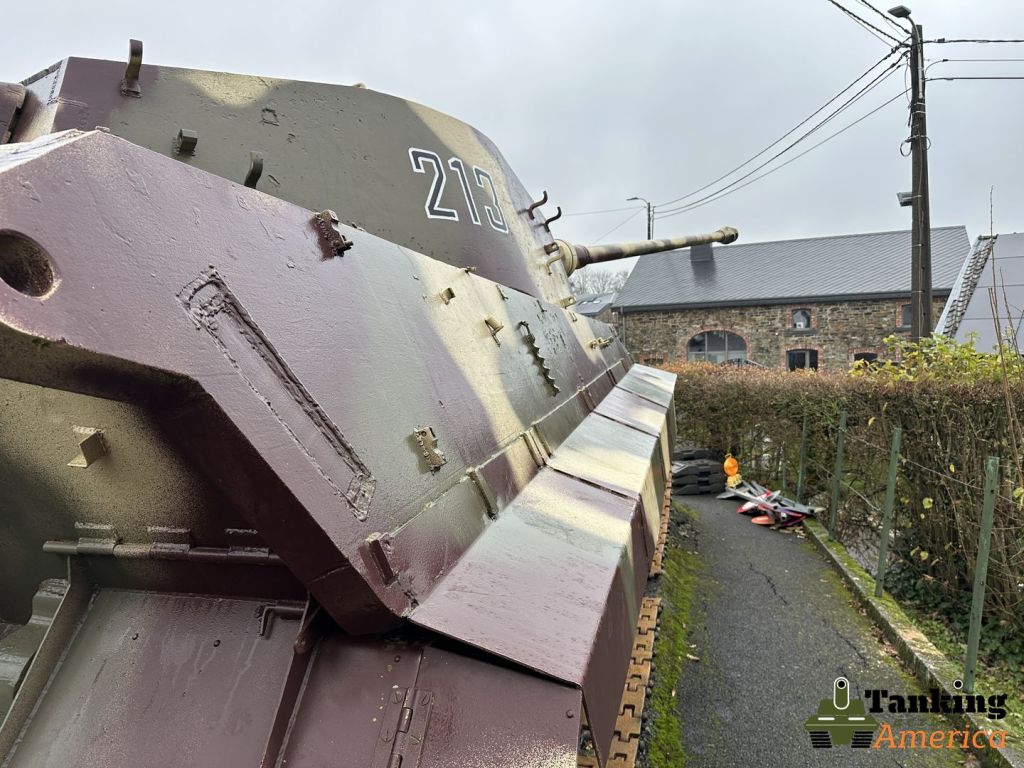
The tank you see is no replica. Known as Königstiger or Tiger II, this Sd.Kfz. 182 heavy tank was one of the fiercest weapons fielded by Nazi Germany—armed with an 8.8 cm KwK 43 gun and up to 100 mm of frontal armor, weighing nearly 70 tonnes.

Specifically, tank #213, built in October 1944 (chassis serial 280273), was a platoon command vehicle used by SS-Obersturmführer Helmut Dollinger around La Gleize. In its final moments, it exchanged fire with advancing US armored units before being abandoned when German forces withdrew.

While cosmetically restored—complete with a patched Panther gun barrel and muzzle brake—much of its original internals remain damaged or incomplete. Nonetheless, it is a rare survivor: the only King Tiger to remain on the battlefield since 1945.

The Sherman Dozer from Danville – A Story of Rescue, Restoration, and History

A Wild Discovery and a Tank’s Redemption

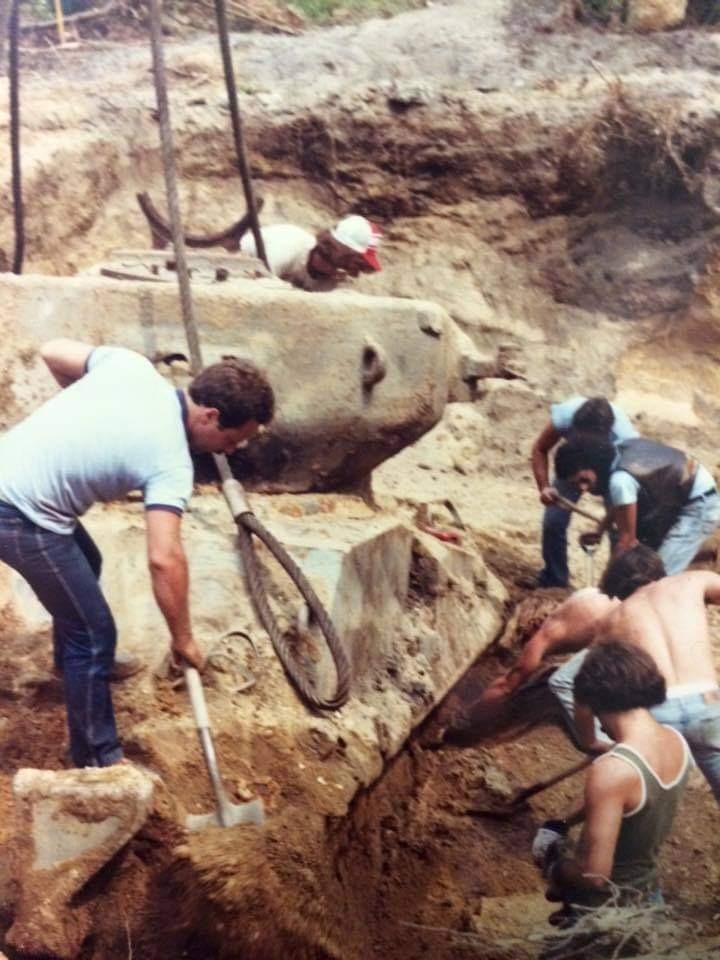
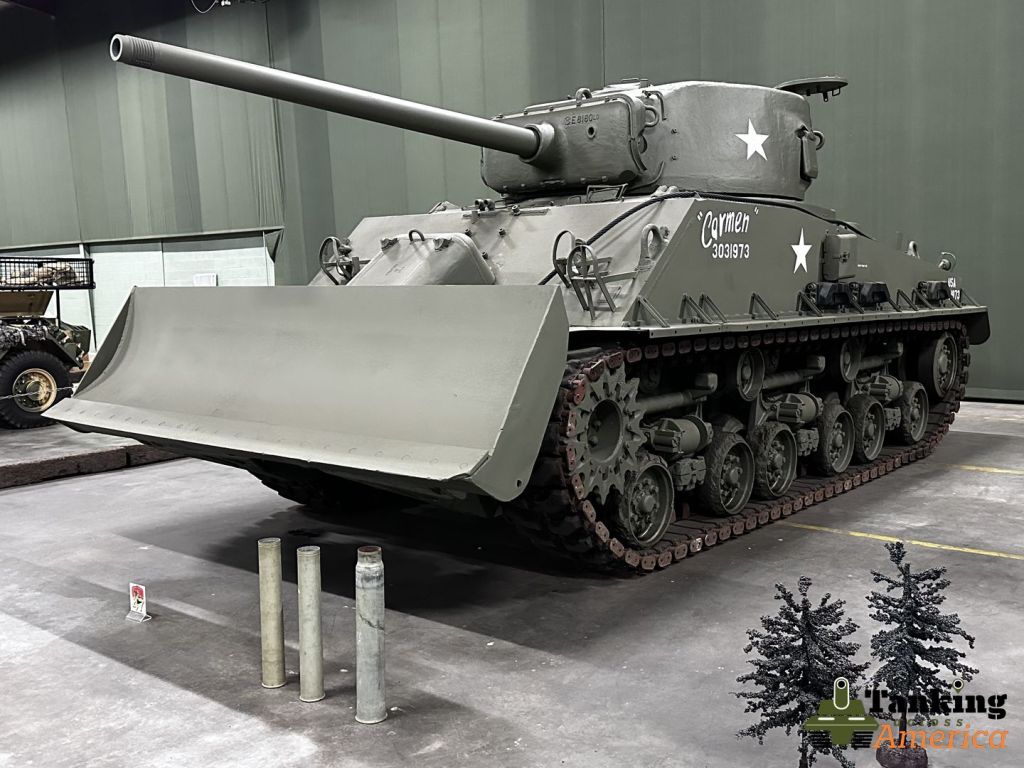
In an incredible turn of events, the Sherman dozer tank that was in Danville had spent 21 years buried on the grounds of the Central Islip Psychiatric Center in New York. It was originally repurposed after WWII to move coal and rail cars across the hospital grounds. When the hospital transitioned to gas heating, the tank was deemed obsolete and was buried rather than disposed of. Years later, the American Armored Foundation (AAF) uncovered and rescued this historic machine—a true tale of “buried history reclaimed.”

From New York Grave to Danville Glory

The recovered tank made its way to the American Armored Foundation (Tank) Museum in Danville, Virginia. Housed in a massive, former tool plant spanning 330,000 sq ft, the facility had became home to one of the largest privately owned tank collections in America.

The AAF Museum in Danville is now closed and this tank has moved to an owner on the west coast.

Honoring a Legacy: The Sherman Tank of Bangert Park and the Man Who Brought It Home

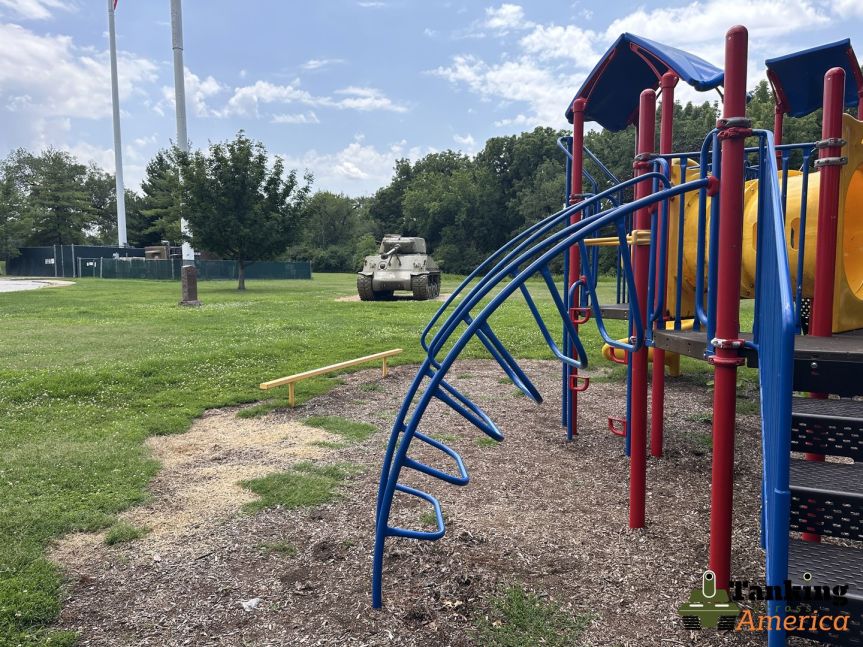
For decades, it has stood as a silent sentinel in Bangert Park—its olive-drab steel weathered by Missouri seasons, its history witnessed by hundreds of children climbing atop its hull and thousands of passersby along Florissant Road. Now, the Sherman tank in Florissant has a new monument telling the remarkable story of how it came to be here—and honoring the man who made it possible.

A Lifelong Florissant Leader

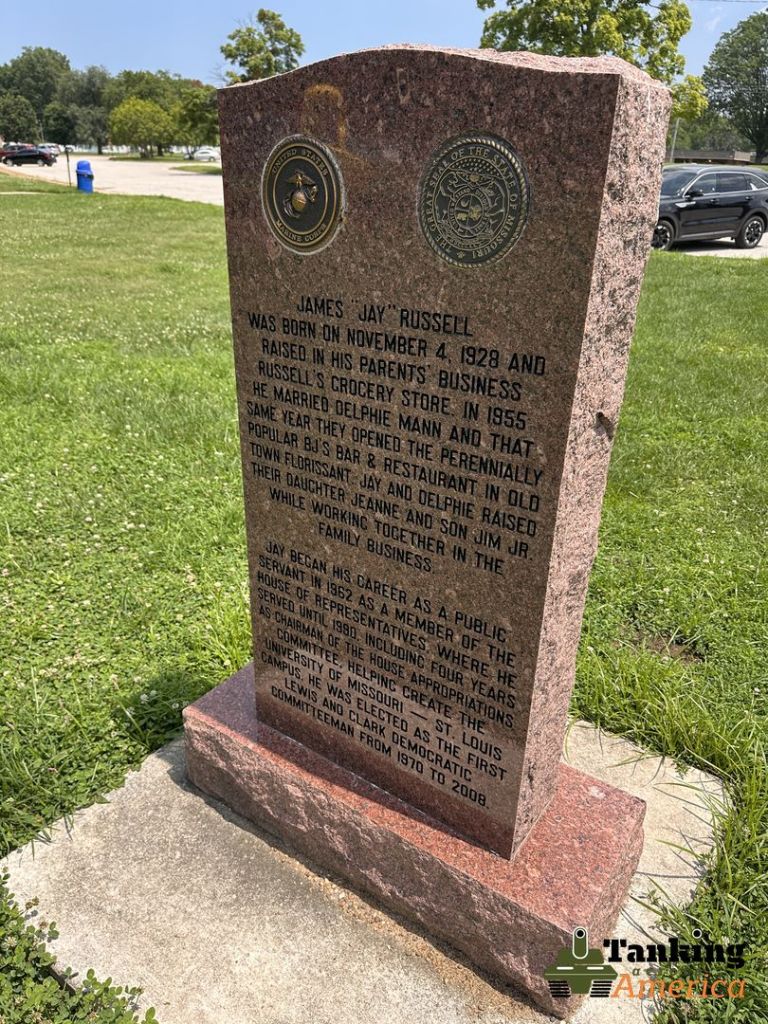
The monument is dedicated to James “Jay” Russell, a lifelong resident of Florissant and a man whose service to his community spanned decades. Born in 1928, Russell grew up in his family’s grocery store, Russell’s Grocery. In 1955, he married Delphie Mann, and together they opened BJ’s Bar and Restaurant, raising their children, Jeanne and Jim Jr., while running the business side-by-side.

A Career of Service

Russell’s commitment to public service began with his election to the Missouri House of Representatives in 1962. He served there for an impressive 18 years, including four years as Chairman of the House Appropriations Committee. Among his many contributions, he played a key role in creating the University of Missouri–St. Louis campus. Russell also served as the first Lewis and Clark Democratic Committeeman from 1970 to 2008.

Beyond politics, Russell was a U.S. Marine Corps veteran, a lifetime member of the American Legion, and a Fourth Degree Knight of the Knights of Columbus Council 2951.

Bringing the Sherman to Florissant

In 1964, Russell—working with Congressman Karsten of St. Louis—secured a Sherman tank for the city. With the help of Dan Hamm and Larry Murphy, the tank was transported from Camp Crowder in Neosho, Missouri. Once in Florissant, Oscar Laramie of the Parks Department arranged for its placement in Bangert Park.

The Sherman tank, the primary U.S. battle tank of World War II, soon became a beloved landmark—a fixture of the park and a living piece of history.

A Lasting Tribute

Russell’s efforts to bring the tank to Florissant left a lasting mark on the community. In 2014, a monument was dedicated in his honor. Though Russell passed away on February 24, 2016, his legacy lives on—both in the tank that still stands at Bangert Park and in the countless civic contributions he made during his lifetime.

The new monument ensures that visitors will not only see the tank, but also learn the story of the man who brought it here—a story of dedication, service, and love for the community.

A Historic Homecoming: M4A1(76)W Sherman Returns After 80 Years

This past fall, history rolled back into the US Army Armor and Cavalry Collection—literally. After eight decades abroad, an American World War II tank has made its way home from Europe. This is no ordinary Sherman, but a rare M4A1(76)W, one of the first U.S. tanks to carry the longer and more powerful 76 mm M1 gun.

The Sherman’s Role in WWII

The M4A1(76)W represented a significant upgrade to the iconic Sherman line, offering increased firepower to meet the evolving challenges of armored warfare. These “up-gunned” Shermans first saw combat in Operation Cobra, the Allied breakout from Normandy in the summer of 1944.

In 1944 alone, the Pressed Steel Car Company produced 2,171 of these tanks, followed by 1,255 more in 1945 that featured the later horizontal volute suspension system. But of all those thousands, the one that just arrived in our care holds a unique distinction.

The Oldest Known Survivor

The newest arrival is only the fourth M4A1(76)W ever built—and the oldest surviving example known today. Constructed in January 1944, it was shipped to the United Kingdom in April 1944 and assigned to an American unit by July 1944, just in time for Operation Cobra.
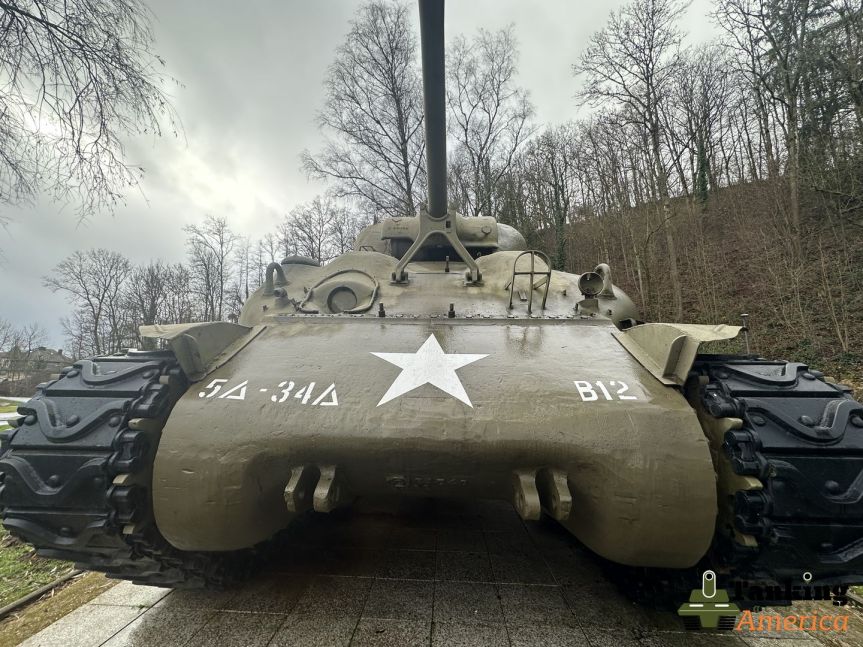
After the war, it received upgrades and modifications before embarking on a new chapter in the early 1950s as part of the U.S. Mutual Defense Assistance Program, likely serving in the French military. Eventually, it was returned to the U.S. Army and placed as a monument at the American base in Baumholder, West Germany, where it stood sentinel for decades.
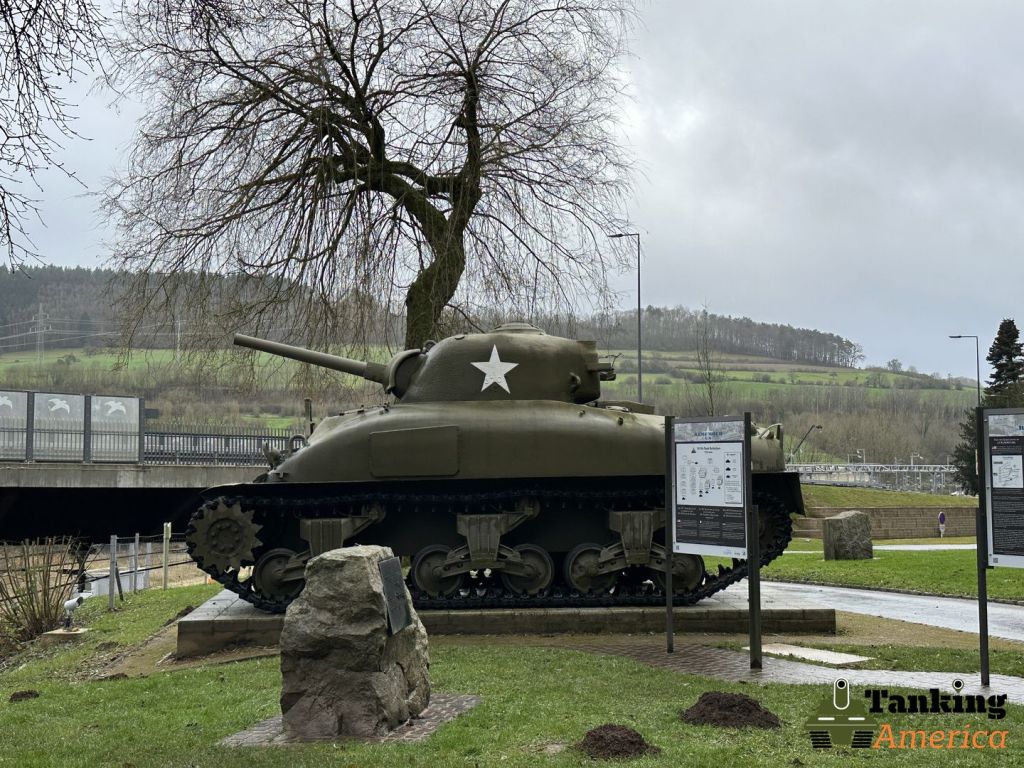
From Europe to the Collection

Now back on U.S. soil, the M4A1(76)W has taken up a temporary position in one of the restoration bays. The goal is to present it in the wartime paint scheme of “In the Mood.” While its journey home marks an important milestone, the mission is far from over—the goal is to restore it for near time display in 2025, honoring its combat service and historical significance.

Steel and Legacy: The M46 Patton Tank at the First Division Museum

Introduction
In the leafy grounds of Wheaton, Illinois, where Cantigny Park unfolds as both sanctuary and memorial, stands a formidable relic—the M46 Patton tank. Nestled within the tank park of the First Division Museum, this Cold War-era war machine quietly tells a story of innovation, conflict, and remembrance.

A Brief History of the M46 Patton
Emerging from the shadow of World War II, the M46 Patton was conceived as a superior successor to the M26 Pershing. Updated with a more powerful Continental AV‑1790 engine and a refined 90 mm gun, it offered superior speed, maneuverability, and firepower during the Korean War—proving its worth against rugged Soviet-made T‑34/85s and supporting combat operations long after hostilities had ceased.

A Feature in the Tank Park
Today, the M46 Patton is a highlight of Cantigny’s immersive Tank Park—an open-air collection of military vehicles where, uniquely, visitors are encouraged to climb aboard and explore. It’s part of a dozen or more tanks displayed in the park, with each offering a tactile connection to First Division’s storied past.

Design and Specs Snapshot

  • Weight & Crew: Approximately 48.5 tons, operated by a five-person crew First Division Museum.
  • Armament: Fitted with a 90 mm main gun complemented by .30‑caliber and .50‑caliber machine guns in the turret and hull Wikipedia+3First Division Museum+3Wikipedia+3.
  • Performance: Powered by an 810‑hp air-cooled engine, it could reach speeds up to 30 mph with an operational range near 80 miles

Experiencing It Today
Visitors to Cantigny don’t merely observe the M46—they experience it. The museum’s hands-on approach brings history to life, allowing one to literally climb into the past. The surrounding gardens, interactive exhibits, and reminders of the First Infantry Division’s service—from WWI to modern times—frame the M46 as both education and tribute First Division Museum+8We Are The Mighty+8artsdupage.org+8.

Why It Matters

  • A Technological Bridge: The M46 represents a pivotal shift between WWII and Cold War tank design, blending inherited strengths with enhanced mobility and firepower.
  • Legacy of the First Division: As the 1st Infantry Division (the “Big Red One”) fought in Korea and beyond, the M46 played a key role in reinforcing American armored doctrine and battlefield resilience.
  • From Combatant to Classroom: Now static, this once-mobile war machine educates visitors—transforming lessons of strategy, engineering, and sacrifice into something felt.

Conclusion
At Cantigny Park, the M46 Patton stands not as a mute steel artifact, but as a vibrant educator. It embodies the dual heritage of military innovation and historical remembrance. Climb up, run your hands along its cold steel, sit in the driver’s seat—and for a moment, feel time reverse, and the tank return to its true purpose.

A Visit to the First Infantry Division Museum’s Sherman Tank

Nestled within Cantigny Park in Wheaton, Illinois, the First Division Museum stands as a tribute to the valorous history of the U.S. Army’s 1st Infantry Division. Amid immersive galleries and dioramas, one of the most striking features is the outdoor Tank Park—where an actual Sherman tank awaits exploration.

The Sherman Tank on Display

Outside, the Tank Park features a lineup of tanks spanning from WWI to Desert Storm. The Sherman—and particularly the M4A3E8 “Easy Eight” with its distinct 76mm gun and upgraded suspension—often becomes a focal point for visitors, especially tank enthusiasts .

On forums like Reddit, tank aficionados frequently debate the exact variant, with corrections such as “I just realized this is probably an M4A3E8… A lot of people will call any 76 Sherman an Easy Eight which is not the case” and technical clarifications like “Technically all Shermans with HVSS suspension are E8s…” .

Interactive and Educational Experience

One of the most memorable aspects of the Sherman tank exhibit is how approachable it feels. Unlike many museums where artifacts are roped off, here visitors—especially younger ones—can climb aboard and explore firsthand, fostering a deeper connection with history .

Paired with clear informational plaques, the display helps explain not just the tank’s mechanics, but also its historical context and role in WWII.